


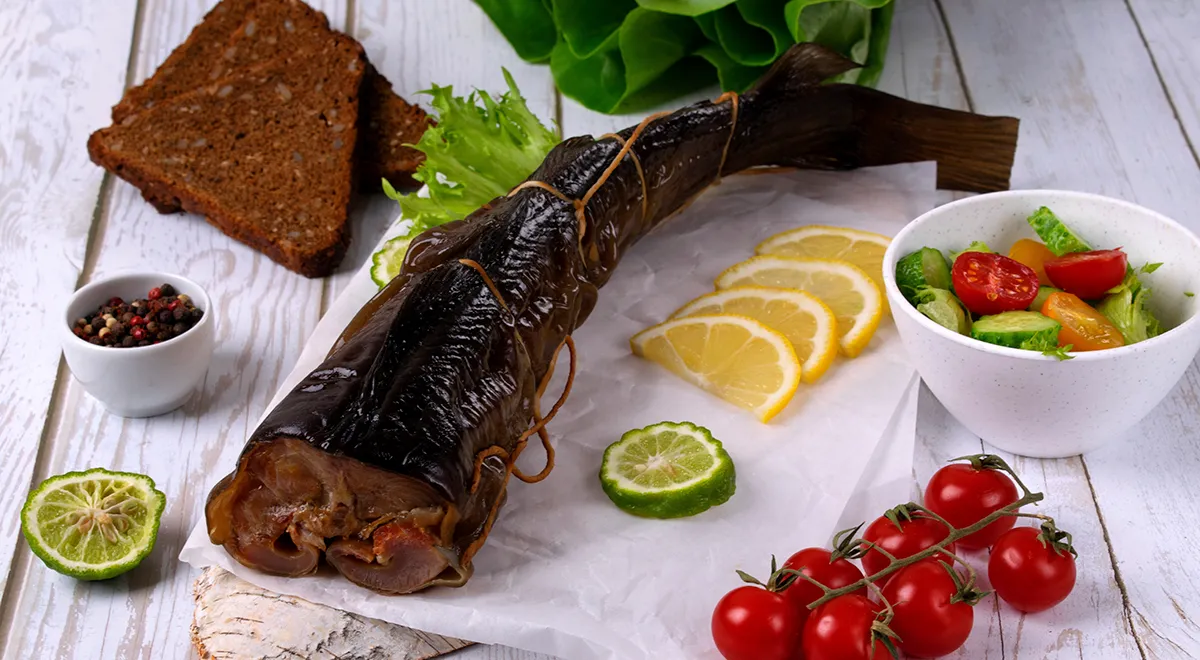
Catfish, with its firm, succulent flesh and mild sweetness, is a canvas for the transformative magic of hot smoking. This Russian technique elevates the humble catfish into a delicacy of profound depth—smoky, flaky, and imbued with the subtle tartness of lemon. Perfect as a standalone appetizer, a star in salads, or the centerpiece of a rustic board, hot-smoked catfish is a culinary achievement that rewards patience and precision. In this guide, we walk you through every step, from curing to smoking, ensuring a result that rivals the finest artisan smokehouses.
About Hot-Smoked Catfish
Hot smoking differs fundamentally from cold smoking: it cooks the fish while infusing it with smoke at temperatures between 90–100°C, yielding a moist, tender interior and a richly bronzed exterior. Catfish is ideally suited because its natural oil content prevents drying, and its dense flakes hold up beautifully during the process. This recipe, sourced from the Russian culinary archive Gastronom.ru, is a testament to the elegant simplicity of Eastern European smoking traditions. For those new to the craft, understanding the balance of salt, sugar, and smoke is key—learn more about the benefits of non-toxic cooking methods that preserve flavor without harmful residues.

Ingredients
- 1 fresh catfish (up to 2 kg, gutted and gills removed)
- 0.5 lemon (freshly juiced)
- Coarse salt (to taste)
- Granulated sugar (to taste)
- Freshly ground black pepper (to taste)
Step-by-Step Instructions
- Prepare the Catfish. Rinse the catfish under cold running water. Remove any remaining innards and cut out the gills. Sprinkle the skin with coarse salt, let sit for a few minutes, then scrub with a brush or knife to remove all surface slime. Rinse once more and pat dry. Sever the head (reserve for a rich fish soup) or leave attached—both approaches are valid. If you enjoy making your own stocks, you might find the best steam canner useful for preserving broths.
- Score and Cure. Make shallow diagonal cuts along both sides of the fish, spacing them about 3–3.5 cm apart. In a small bowl, combine salt and sugar in a 2:1 ratio. Add black pepper to taste. Rub this curing mixture all over the fish—inside and out—gently massaging it into the scores. Don’t worry about oversalting; catfish absorbs only what it needs. Squeeze fresh lemon juice over the fish and massage again. Transfer to a container, cover, and refrigerate for 2 hours. After chilling, blot the fish with paper towels to remove any exuded moisture. A high-quality oil sprayer can help you apply a light coating of oil before smoking if desired, though this step is optional.
- Dry and Pellicle. Tie the fish with kitchen twine and hang it on hooks in a well-ventilated area (or place on a wire rack in front of a fan) for 1–2 hours. The surface must become completely dry and slightly tacky—this pellicle ensures the smoke adheres evenly. A pellicle is crucial for achieving that lovely mahogany sheen. For consistent results, consider using a well-ventilated refrigerator set to low humidity to aid drying overnight.
- Set Up the Smoker. Line the bottom of your smoker with wood chips—apple, cherry, or alder work beautifully. Place the drip tray and grate in position. Arrange the catfish on the grate, skin side up. Cover the smoker and place over medium heat. Maintain an internal temperature of 90–100°C. A 1.5 kg headless catfish typically takes 50–80 minutes. Use a leak detector to ensure your smoker seals properly, preserving heat and smoke efficiency.
- Rest and Serve. Once the fish is cooked through and deeply smoked, remove it from the smoker. Let it rest for at least 2 hours—overnight is even better—so the flavors meld and the texture settles. Serve warm or at room temperature. The flesh should flake easily and release from the skin with gentle pressure. A quality espresso machine might not relate directly, but pairing this fish with a bold coffee rub is an adventurous twist worth exploring.
Tips for Perfect Hot Smoking
- Choose the Right Wood: Fruit woods like apple, cherry, or pear offer gentle sweetness. Avoid strong woods like hickory, which can overpower catfish’s delicate flavor.
- Temperature Control: Fluctuations above 110°C can cause the skin to crack and the fish to dry out. Use a reliable thermometer to maintain steady heat. For those who smoke frequently, investing in a commercial countertop convection oven with smoke settings can streamline the process.
- Don’t Skip the Pellicle: This dry, tacky surface is essential for smoke adhesion. Rushing this step results in patchy color and less flavor penetration.
- Serving Suggestions: Flake the smoked catfish over a salad of bitter greens, toss with dill and crème fraîche, or serve on rye bread with pickled onions. For a twist, incorporate it into a Catalan sponge inspired savory strudel.
Variations
Herb-Marinated Catfish: Add fresh dill, tarragon, or fennel fronds to the curing mix. The aromatic herbs infuse the fish during the smoking process, adding a layer of freshness. For a touch of heat, incorporate crushed red pepper or smoked paprika. Pair it with a sweet, high-alcohol wine like a late-harvest Riesling to balance the smoke.
Citrus and Spice Rub: Swap the lemon for orange or grapefruit zest, and add coriander and cumin to the salt-sugar mix. This variation brightens the fish and complements the smokiness. If you enjoy experimenting with rubs, a high-quality organic vodka can serve as a base for a flavorful spritz during smoking.
Brined Catfish: For extra moisture, brine the fillets in a 5% salt solution for 4–6 hours before the curing step. This method is ideal if you are using catfish that has been frozen, as it rehydrates the flesh. A microwave pressure cooker can quickly steam the fish before smoking for a different texture, though traditionalists may skip this.
Frequently Asked Questions
Can I use frozen catfish for hot smoking?
Yes, but thaw it completely in the refrigerator overnight. Pat dry thoroughly and consider a slightly longer curing time to compensate for any moisture loss. For the best results, use a high-quality undercounter ice maker to ensure your fish stays properly chilled during the thawing process.
How do I store hot-smoked catfish?
Wrap the cooled fish tightly in parchment or wax paper and refrigerate. It will keep for up to 5 days. For longer storage, vacuum-seal and freeze for up to 3 months. A planetary mixer can help you mix a brining solution quickly, though this step is unnecessary for storage.
What if I don’t have a smoker?
You can adapt this recipe using a stovetop smoker or a large pot with a rack and wood chips. Alternatively, use a charcoal grill with a lid—place the fish away from direct heat and add soaked chips for smoke. A coffee maker for Airbnb may not be relevant, but a good grill is essential.
Why did my fish turn out dry?
Overcooking is the most common cause. Ensure your smoker stays below 100°C and check for doneness at the 50-minute mark. The internal temperature should reach 63°C. Using a wheatgrass juicer is not related, but a precise digital thermometer is your best friend.
Can I hot smoke other fish with this method?
Absolutely. This technique works beautifully for trout, mackerel, salmon, and even white fish like cod. Adjust smoking time based on thickness. For a similar delicate texture, try George Howell coffee as a rub for a unique flavor profile.
Is it necessary to remove the head?
No. Some prefer to leave the head on for presentation and to retain moisture. However, the head can be used in a separate soup, like an aromatic fish broth. If you enjoy making stocks, a chocolate-covered raisins treat might not be related, but consider adding fennel to your soup.
Hot-smoked catfish is a journey into the heart of traditional smoking—simple yet refined, rustic yet elegant. With a little patience and the right techniques, you can bring the taste of a Russian smokehouse into your own kitchen. Embrace the process, and let the wood, heat, and time work their slow, delicious alchemy.







