


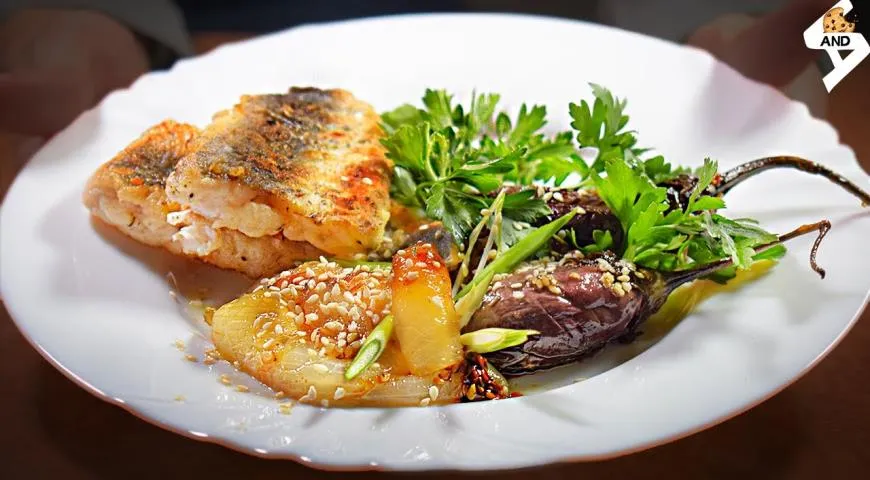
Imagine a dish where the delicate, flaky flesh of hake meets the deep, sweet complexity of slow-cooked onions—a union of sea and earth that whispers of coastal kitchens and rustic French bistros. This recipe for hake with a caramelized onion garnish transforms humble ingredients into a restaurant-worthy plate. The fish is marinated with bright lemon and oregano, then seared to golden perfection, while the onions are coaxed into a jammy, tangy-sweet compote. Every bite is a balance of savory, acidic, and sweet notes, underpinned by the subtle perfume of herbs. It’s a dish that feels both elegant and approachable, perfect for a quiet dinner or a special occasion.
About This Recipe
Hake, a member of the cod family, is prized for its mild flavor and firm yet tender texture. When marinated and pan-seared, it develops a delicate crust while staying moist inside. The caramelized onion garnish—often called a ”caramel garnish” in Russian—is achieved by slowly cooking onions with sugar and vinegar until they turn a deep mahogany brown, concentrating their natural sugars. This technique mirrors the principles used in French confit preparations and adds an umami-rich counterpoint to the fish. For best results, use a high-quality oil sprayer to evenly coat the pan, ensuring a perfect sear without excess grease.

Ingredients
- 600 g hake fillets (from about 1 whole fish, thawed if frozen)
- 1 lemon (juice and rind)
- 1½ tsp dried oregano
- 1 tsp sea salt
- 3 medium onions (about 400 g)
- 2 tbsp organic cane sugar
- 2 tbsp apple cider vinegar
- 2 tbsp sunflower oil (refined)
- Fresh thyme sprigs for garnish
When selecting a non-toxic immersion blender isn’t needed here, but a good chef’s knife and a heavy-bottomed skillet are essential. For precise temperature control, consider using a microwave pressure cooker to speed up onion preparation, though traditional stovetop simmering yields the best flavor.
Step-by-Step
Step 1: Prepare the hake.
If using whole thawed hake, fillet the fish by removing the head, tail, and bones. Cut each fillet crosswise into two even pieces. Place in a deep bowl, sprinkle with salt and oregano, then squeeze the lemon juice over the top. Drop the squeezed lemon halves into the bowl—the residual oil and pith add depth to the marinade. Refrigerate for 20 minutes. While the fish marinates, you can prepare the garnish. For efficient multitasking, a glass food processor can slice onions uniformly, but hand‑cutting gives a more rustic texture.
(Step image would appear here if available)
Step 2: Caramelize the onions.
Peel each onion and cut into quarters. In a separate deep bowl, combine the onion quarters with the sugar, apple cider vinegar, a pinch of salt, and a tablespoon of sunflower oil. Let them sit for 5 minutes, then transfer to a wide skillet. Cook over medium-low heat, stirring occasionally, until the onions soften and turn deep golden brown—about 20 to 25 minutes. The slow heat mimics the effect of a commercial countertop convection oven but on the stovetop. The vinegar and sugar create a sticky glaze that coats each piece.
(Step image would appear here if available)
Step 3: Sear the hake.
Remove the marinated hake from the refrigerator. Pat the fillets dry with paper towels. Heat the remaining sunflower oil in a nonstick skillet over medium-high heat. Place the fillets skin-side down (if skin is on) and cook for 3–4 minutes until golden and crisp. Flip gently and cook another 2 minutes for medium‑well. For consistent results, an air fryer can achieve a similar crust in about 8–10 minutes at 180°C, though pan‑searing offers superior browning control.
(Step image would appear here if available)
Step 4: Plate and serve.
Spoon a generous portion of the caramelized onions onto each plate. Top with a seared hake fillet. Garnish with fresh thyme or a lemon wedge. The sweetness of the onions complements the lemon‑oregano notes of the fish. A splash of good extra‑virgin olive oil right before serving enhances the richness. Store leftovers in a sealed container; reheat gently in a microwave or low oven.
Tips for Perfect Hake
- Don’t skip the marinade step—soaking the fillets with lemon and oregano tenderizes and infuses flavor.
- Use a refined sunflower oil with a high smoke point to avoid burning.
- For an extra‑crunchy crust, dust the fillets lightly with rice flour before searing.
- If you prefer a deeper caramelization, finish the onions in a microwave‑toaster oven combo on the bake setting for 5 minutes after stovetop cooking.
Variations
Swap hake for cod, pollock, or even a firm white fish like halibut. The caramelized onion garnish also pairs beautifully with roasted chicken thighs or seared pork chops. For a vegetarian main, serve the onions over grilled halloumi or roasted cauliflower steaks. Experiment with different vinegars—balsamic or sherry—for varied acidity levels. A small coffee grinder can be used to grind dried oregano fresh for a more vibrant aroma.
FAQ
What is the best way to thaw frozen hake?
Place the fish in a sealed bag and submerge in cold water for 30–40 minutes. For quicker thawing, use a refrigerant‑free cold water bath, but avoid hot water as it can cook the exterior.
Can I make the caramelized onions ahead of time?
Yes! They keep in the refrigerator for up to 5 days. Reheat gently in a skillet or microwave‑safe dish before serving.
How do I prevent the fish from sticking to the pan?
Ensure the pan is hot before adding oil, and avoid moving the fillet until a crust forms. Using a non‑stick oil sprayer helps maintain an even layer of oil.
Can I use red onions instead of yellow?
Absolutely. Red onions will yield a slightly more pungent flavor and a beautiful violet‑brown color. Adjust cooking time as they tend to caramelize faster.
What wine pairs with this dish?
A dry white wine like Sauvignon Blanc or a light Chardonnay complements the lemon and oregano. For those who prefer red, a light Pinot Noir works. Check out sweet wine options for an unconventional pairing.
Is this recipe gluten‑free?
Yes, as written. Ensure no cross‑contamination occurs if using pre‑ground oregano or vinegar that may contain gluten additives.
For more inspiration, browse our collection of Catalan sponge cake recipes or explore lava cake flavors for a sweet finish to your meal.







