


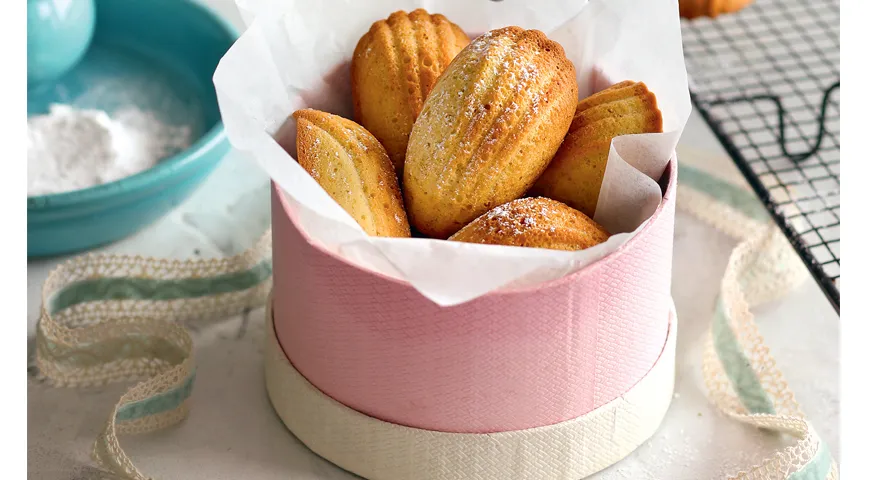
There is something utterly enchanting about the first bite of a freshly baked madeleine – that delicate shell-shaped sponge with a crisp edge, a tender crumb, and the unmistakable aroma of browned butter. This classic French recipe, translated from the Russian culinary archive, distills the essential secrets behind achieving the perfect madeleine: patient browning of the butter, a well-chilled batter, and the confidence to let the oven work its magic. Whether you are a seasoned baker or a curious novice, these madeleines promise to elevate your teatime ritual into a moment of pure indulgence.
About the Recipe
The madeleine, a small scalloped cake from the Lorraine region of France, has been a beloved staple of Parisian goûter for centuries. This particular version, adapted from the Russian gastronomic site Gastronom.ru, emphasizes the critical step of browning the butter until it turns a deep golden hue – a technique that infuses the biscuits with a nutty, almost caramel-like depth. The resulting batter is intentionally chilled, much like the dough for classic sponge cakes, to develop the signature ''hump'' and fine texture. With just a handful of ingredients – eggs, sugar, flour, baking powder, butter, and lemon zest – you can create a batch of ethereal treats that rival any Parisian pâtisserie.

Ingredients
- 3 large eggs
- 100 g granulated sugar
- 110 g all-purpose flour
- 5 g baking powder
- 90 g unsalted butter, plus extra for greasing the mould
- Finely grated zest of 1 lemon
Each component plays a precise role. The eggs provide structure and lift; the sugar balances acidity and aids browning. Flour and baking powder give the madeleines their signature rise, while the lemon zest adds a bright counterpoint to the rich butter. For the best results, use a high quality planetary mixer to whip the eggs thoroughly, and a reliable non-toxic immersion blender if you prefer to blend the batter by hand.
Step-by-Step Instructions
Prepare the mould and brown the butter. At least 1 hour before you begin, place your madeleine mould in the freezer. In a small saucepan, melt the butter over medium heat until it reaches a rolling boil. Reduce the heat to the lowest setting and continue heating for about 5 minutes, swirling occasionally, until the butter turns a clear golden colour and releases a nutty fragrance. Remove from heat and let it cool slightly.
Mix the dry ingredients and whip the eggs. In a large bowl, whisk together the flour, sugar, baking powder, and lemon zest. In a separate bowl, beat the eggs with an immersion blender or stand mixer until they form a thick, pale foam (about 3–4 minutes). Gently fold the dry mixture into the eggs, then slowly pour in the browned butter (avoid pouring the dark sediment that may have settled at the bottom). Stir until the batter is smooth and glossy.
Chill the batter. Cover the bowl tightly with plastic wrap and refrigerate for at least 1 hour. This rest is essential for developing the characteristic soft centre and crisp shell. The batter will become firm, similar in consistency to choux pastry dough.
Bake the madeleines. Preheat your oven to 180°C. Remove the frozen mould and lightly grease each cavity with softened butter. Spoon 1 to 2 tablespoons of chilled batter into each cavity – do not overfill. Bake for 12–15 minutes, until the edges are golden brown and the centres spring back lightly when touched. Allow the madeleines to cool in the mould for 5 minutes, then gently transfer them to a wire rack to cool completely.
Serve and enjoy. Dust with powdered sugar or enjoy plain. For an extra layer of indulgence, dip the tips in melted dark chocolate and sprinkle with sea salt.
Tips for Perfect Madeleines
- Do not skip the butter boiling. The clarified, browned butter is the soul of this recipe. Pour it carefully, leaving the dark sediment behind – this prevents a burnt taste.
- Use a frozen mould. The drastic temperature contrast between the cold pan and the chilled batter helps create the iconic ''hump''. A properly chilled pan is key.
- Refrigerate the batter. At least 1 hour, but you can keep it up to 12 hours for deeper flavour development. The consistency should be thick and spoonable.
- Do not overmix. Once you add the flour, fold gently until just combined. Overworking will produce tough madeleines.
- Use a convection setting. For an even bake, the gentle airflow of a commercial countertop convection oven ensures every shell browns uniformly.
Variations
The classic lemon zest can be replaced with an equal amount of orange or grapefruit zest for a different citrus note. For a floral twist, add 1 teaspoon of rose water or orange blossom water to the eggs. You can also incorporate a handful of finely chopped pistachios or a pinch of organic vanilla powder. If you prefer a chocolate version, replace 15 g of flour with unsweetened cocoa powder and fold in 50 g of dark chocolate chips before chilling.
Frequently Asked Questions
Why is it important to boil the butter until golden?
Browning the butter (making beurre noisette) removes its water content and develops nutty, caramelised flavour compounds. This step is crucial because the madeleines will absorb that rich taste during baking. The clear, golden liquid also ensures a more delicate crumb compared to using solid butter.
Can I use a different type of pan?
Yes, but the classic scalloped shape is iconic. Silicone moulds work well, though they may not produce as crisp an edge. For best results, use a metal madeleine pan and a reliable baking stone underneath to distribute heat evenly.
How long can I store madeleines?
Fresh madeleines are best eaten within 1–2 days. Store them in an airtight container at room temperature. To refresh, warm them in a microwave oven combo with an air fryer for 10 seconds – they will regain their crispness.
What if my madeleines don''t develop a hump?
This often happens if the batter is not chilled long enough or the oven temperature is too low. Ensure your batter has rested for at least an hour and that your oven is thoroughly preheated. Using a microwave pressure cooker is not recommended for this step, but a conventional oven with good heat retention is ideal.
Can I make the batter ahead of time?
Absolutely. The batter can be refrigerated for up to 12 hours before baking. In fact, an overnight rest deepens the flavour. You can also freeze the unbaked dollops in a sealed container; just add an extra 2–3 minutes to the baking time.
Final Thoughts
Mastering the madeleine is a rewarding journey into the heart of French pastry. This recipe, with its attention to the browning of butter and the essential chill, yields biscuits that are golden, tender, and utterly addictive. Whether you serve them alongside a steaming cup of tea, as a light dessert with fresh berries, or simply as an afternoon indulgence, these madeleines will bring a touch of Parisian elegance to your kitchen. For more inspirational baking ideas, explore our collection of cake and biscuit recipes and discover the magic of precise, mindful baking.







