


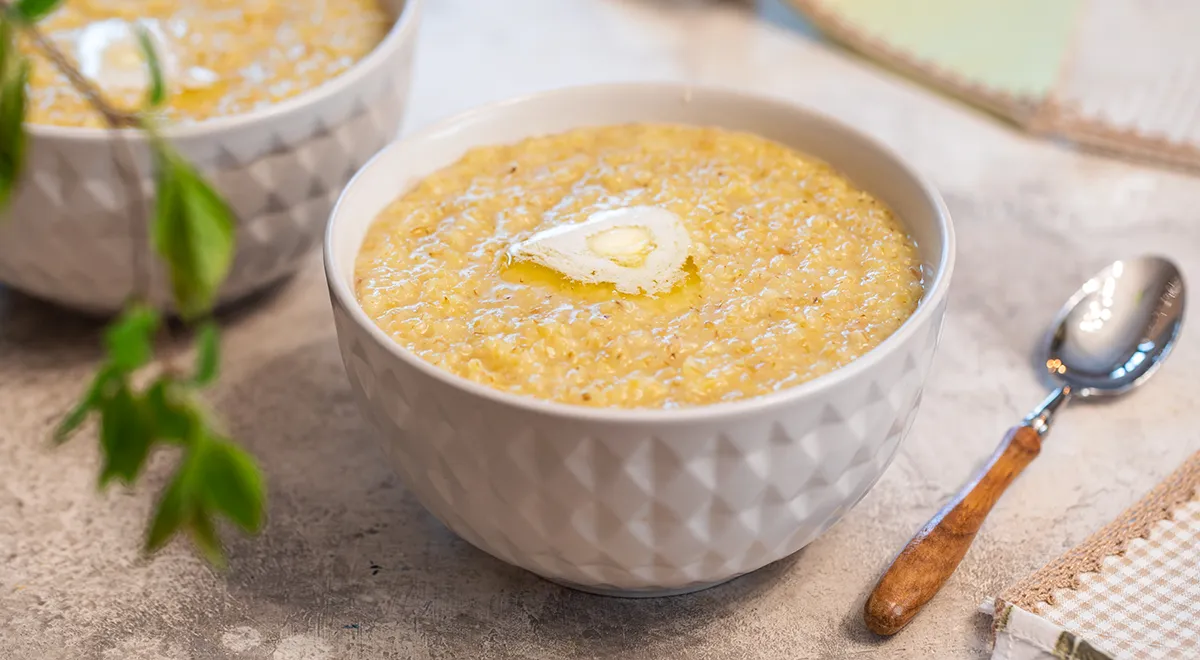
In the vast tapestry of Russian cuisine, few dishes evoke as much nostalgia and warmth as Kasha Artek — a creamy, comforting wheat porridge that has been a staple on Soviet and post-Soviet breakfast tables for generations. Named after the legendary Artek pioneer camp, this humble bowl of goodness transcends mere sustenance; it is a lesson in simplicity, patience, and the art of turning the most basic ingredients into something truly transcendent. Whether you grew up with it or are discovering it for the first time, this recipe unlocks the secret to a perfectly velvety, ''puffy'' porridge that pairs beautifully with butter, sugar, or even a savory main course. Let us embark on a culinary journey that honors tradition while adapting to modern kitchens, complete with tips, variations, and expert insights.
About Kasha Artek: A Taste of Soviet Childhood
Kasha Artek is not just any porridge; it is a wheat-based dish renowned for its unique, airy texture that results from a specific cooking and resting technique. Unlike coarse cracked wheat, the finely milled but not ground flour-like consistency of Artek wheat creates a delicate, almost soufflé-like bite when properly prepared. Historically, it was served at the Artek camp in Crimea to thousands of children, symbolizing health and wholesomeness. Today, it stands as a beloved comfort food across Russia and beyond, often enjoyed for breakfast or as a versatile side dish. If you are new to working with wheat groats, explore our guide to microwave pressure cookers for an alternative rapid-preparation method that still yields excellent results.

Ingredients for the Perfect Kasha Artek
The beauty of this recipe lies in its minimalism. With just four core components — plus water and salt — you can create a dish that is far greater than the sum of its parts. Precision matters, so use a kitchen scale for best results.
- 350 g wheat groats (Artek or fine bulgur) — The pièce de résistance. Look for finely cracked wheat labeled specifically for kasha. If unavailable, fine bulgur works, but cooking times may vary.
- 700 ml filtered or bottled water — The quality of water directly impacts flavor, especially in such a simple dish.
- 40 g unsalted butter — For richness and that signature glossy finish. For a dairy-free alternative, see the variations section.
- 20 g granulated sugar — Adjust to taste, or omit entirely for a savory pairing.
- 8 g fine sea salt — Essential to balance the sweetness and elevate the wheat's nuttiness.
Before you begin, ensure you have a heavy-bottomed pot with a tight-fitting lid — we recommend a countertop convection oven if you wish to toast the groats for extra depth, though this recipe uses the classic stovetop method.
Step-by-Step Instructions: Crafting the Perfect Kasha Artek
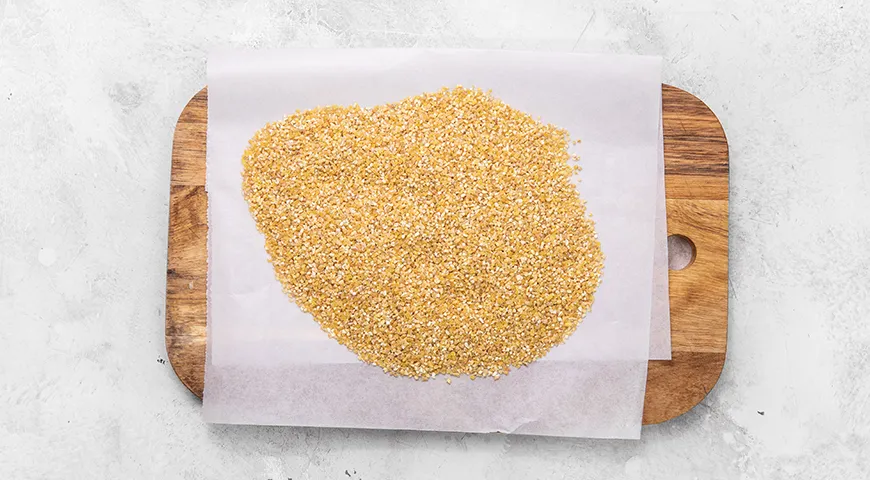
Step 1: Sort and Clean the Groats
Spread a large sheet of white paper on your work surface. Pour the 350 g of wheat groats onto the paper and spread them into an even layer. Carefully pick out any debris, darkened grains, or foreign particles. This simple ritual ensures a pristine final dish. Transfer the cleaned groats to a deep bowl.
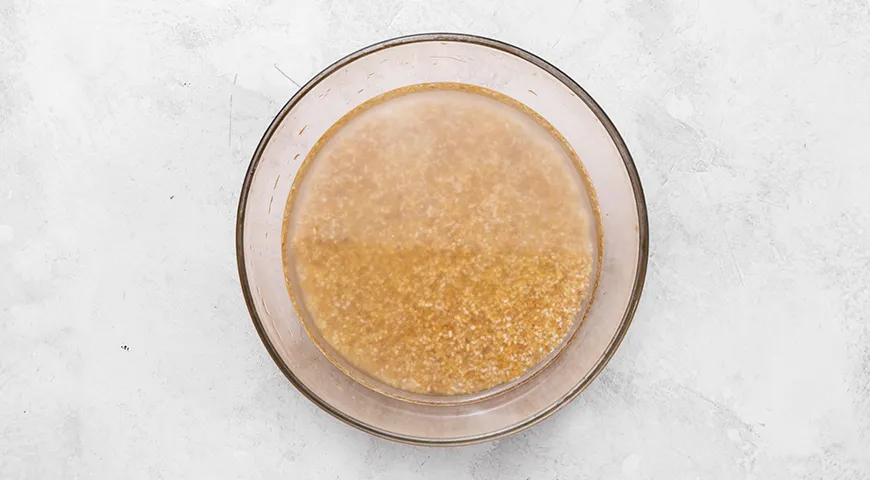
Step 2: Rinse the Groats (Desired Consistency)
Rinse the groats under room-temperature water. For a creamy, viscous porridge, rinse only once — do not wash away the surface starch that creates a silky texture. For a fluffier, more separate grain, rinse repeatedly until the water runs clear. Drain well. If you own a high-quality juicer, you might be tempted to process the groats further, but for this recipe, keep them whole.
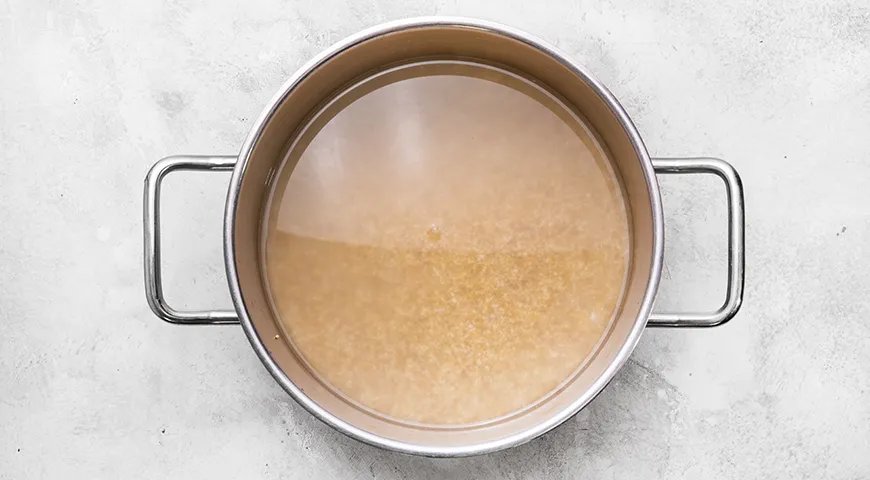
Step 3: Combine Groats and Water in a Heavy Pot
Transfer the rinsed groats to a heavy-bottomed pot with a capacity of at least 2.5 liters. A thicker base distributes heat evenly and minimizes the risk of scorching. Pour in the 700 ml of filtered water. Do not add salt or butter yet. Place the pot over low heat. Using the right equipment is crucial — consider reading about the best non-toxic air fryer if you plan to repurpose leftovers for a crispy side dish.
Step 4: Bring to a Boil, Then Simmer
Bring the mixture to a gentle boil over medium-low heat. As soon as bubbles appear, add the 8 g of salt and stir. Reduce the heat to the lowest setting, cover the pot partially with a lid, and let it simmer for 20 minutes. Stir occasionally with a wooden spoon, scraping the bottom to prevent sticking. This slow cooking allows the grains to absorb water and soften without turning mushy. For kitchen tools that make stirring and scraping easier, check out our best food processor for nut butter review — though not directly related, it speaks to the importance of quality equipment.
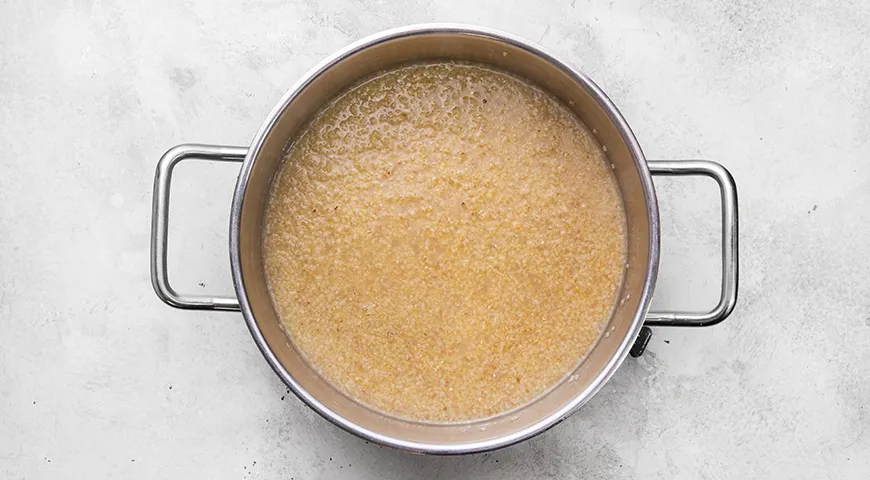
Step 5: Rest and Swell (The ''Puff'' Secrets)
After 20 minutes, remove the pot from the heat. Immediately cover it tightly with the lid, then wrap the entire pot in a thick kitchen towel or a couple of tea towels. Let it rest undisturbed for 15 minutes. During this time, the residual steam finishes cooking the grains, causing them to swell and become ''puffy'' — the hallmark of authentic Kasha Artek. If you own a best immersion blender (though not used here), it could help achieve a creamy consistency if you ever want a pureed version.

Step 6: Finish with Butter and Sugar
Unwrap the pot and remove the lid. Add the 40 g of unsalted butter and 20 g of sugar (if using). Stir vigorously until the butter is fully melted and incorporated. The porridge should be glossy and fragrant. If serving as a side dish for meat (e.g., roast chicken or beef stroganoff), omit the sugar entirely. Serve immediately, while steaming. For a heartier meal, pair with a best store-bought au jus for prime rib — the savory contrast is sublime.

Tips for Achieving the Ultimate Texture
Mastering Kasha Artek requires attention to a few key details:
- Use a heavy-bottomed pot — Thin pans cause hot spots and burning. A refrigerant leak detector might not be relevant here, but selecting quality cookware is.
- Resist the urge to stir too often — Especially during the simmer, frequent stirring can break the grains and result in a gluey texture.
- Skip the rinsing for extra creaminess — If you love a porridge that clings to the spoon, rinse only once.
- Wrap thoroughly during resting — The towel trap steam is non-negotiable for that airy bite.
Delicious Variations to Explore
While the classic recipe is perfection, you can personalize it:
- Savory Kasha Artek: Omit sugar; stir in sautéed mushrooms, caramelized onions, or crumbled feta at the end.
- Dairy-Free Version: Substitute butter with coconut oil or a vegan butter, and use a plant-based milk for half the water (reduce water by 50 ml).
- Toasted Nut Finish: Top with toasted pine nuts or walnuts and a drizzle of honey.
- Spiced Artek: Add a pinch of cinnamon, cardamom, or nutmeg along with the salt for a fragrant twist.
These variations pair wonderfully with a best sweet wine with high alcohol content if serving for a special brunch.
Frequently Asked Questions (FAQ)
What is Kasha Artek, and how is it different from regular wheat porridge?
Kasha Artek is a traditional Russian porridge made from finely cracked wheat, known for its fluffy, ''puffy'' texture achieved through a resting period after cooking. Unlike coarse cracked wheat, the finer grind creates a delicate, almost creamy consistency without being mushy. For more on grain preparation, see our best planetary mixer review for dough and batter mixing tips.
Can I use a rice cooker or multicooker for Kasha Artek?
Yes! Transfer the cleaned groats and water to a rice cooker. Cook on the ''Porridge'' setting (if available), then let it rest for 15 minutes before adding butter. This hands-off method still yields excellent results. A microwave pressure cooker can also speed up the process.
Why did my kasha turn out dry or burnt?
Dryness usually results from insufficient liquid or overcooking. Ensure you use the full 700 ml water and maintain a gentle simmer. Burning occurs when heat is too high or the pot bottom is too thin. Always use a low flame and stir occasionally. If you need a new stovetop tool, consider a best oil sprayer for greasing the pot.
Can I make Kasha Artek ahead and reheat it?
Yes, though freshness is best. Store cooled porridge in an airtight container in the refrigerator for up to 3 days. Reheat gently on the stovetop with a splash of milk or water, stirring until hot. The texture will be slightly denser but still delicious. Pair with a best chocolate-covered raisins for a dessert-like treat.
Is Kasha Artek gluten-free?
No, wheat contains gluten. For a gluten-free alternative, use certified gluten-free buckwheat groats (or kasha) and follow the same method — though buckwheat requires less resting time. Always check labels. For more on gluten-free appliances, see best non-toxic immersion blender for pureeing soups.
What is the best serving suggestion for a hearty breakfast?
Serve Kasha Artek topped with fresh berries, a pat of butter, and a drizzle of honey. Add a dollop of thick yogurt and a sprinkle of toasted flaxseeds. For coffee lovers, brew a cup using best George Howell coffee for a perfect morning pairing.
Kasha Artek is more than a recipe — it is a piece of culinary history, a testament to the beauty of simplicity. Whether you enjoy it sweet or savory, as a breakfast staple or a comforting dinner side, this porridge rewards patience and care. We hope this guide inspires you to bring a taste of the Soviet era's most beloved camp dish into your modern kitchen. For more timeless recipes and kitchen tools, explore Catalan sponge cake recipe or our best organic vodka for a festive adult pairing.







