


Sauces serve to add flavor, color, and texture to the foods they accompany, providing more seasoning and moisture to a wide variety of dishes.
Therefore, they are essential for enhancing the appearance and juiciness of certain culinary preparations, such as pasta and meats. Although the variations in contemporary cuisine are almost infinite, they generally derive from a set of classic sauces. Continue reading to discover what they are and learn about their main ingredients.

The 5 classic and basic sauces of French cuisine
The classic sauces are béchamel, tomato sauce, Spanish sauce (espagnole), velouté, and hollandaise, considered the "mother sauces" of French cooking. They were created in the 19th century by chef Antoine Carême, famous for establishing the concept of "haute gastronomy." From the creation of the mother sauces, a multitude of recipes emerged, known as secondary sauces. Below, find more details about each of these basic preparations.
Béchamel sauce
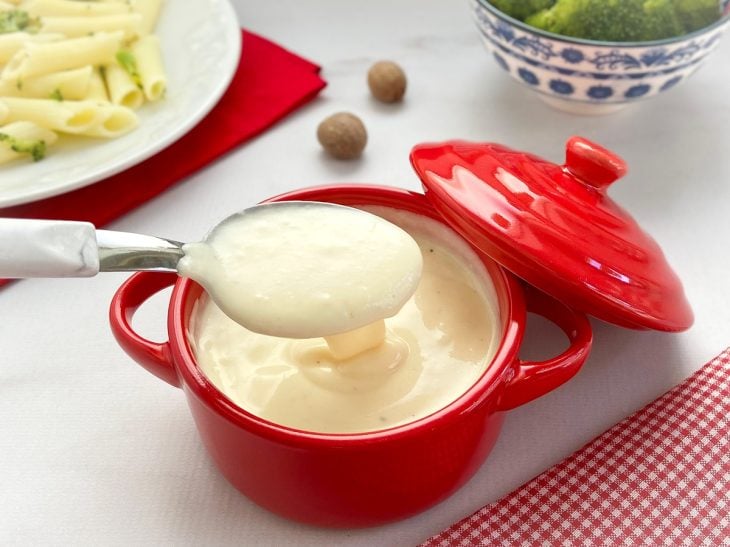
Béchamel is a classic sauce of French cuisine, thickened with a light roux (a mixture of butter and flour). The origin of the recipe is attributed to chef La Varenne who, in the 17th century, was responsible for the kitchen of King Louis XIV. The basic ingredients are whole milk, butter, wheat flour, and seasonings, among which nutmeg stands out. Its main contemporary derivatives are mornay, aurora, soubise, and cheese sauces in general.
Tomato sauce
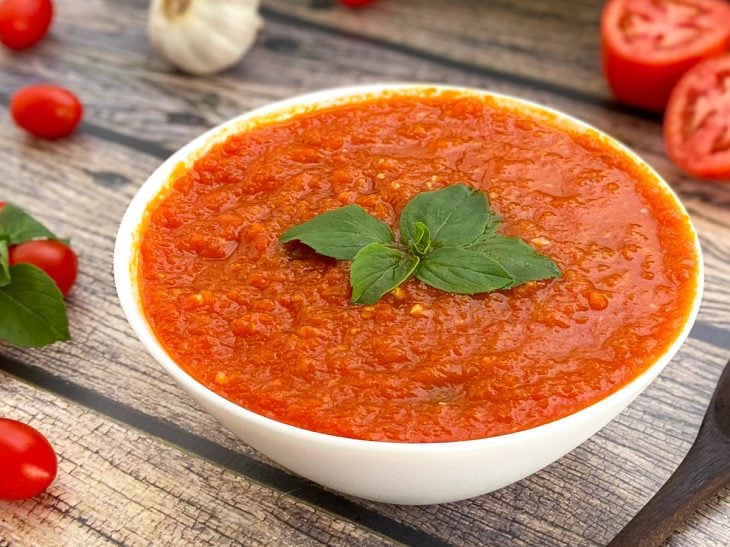
When it comes to classics, one cannot leave out tomato sauce, prepared basically with tomatoes and thickened through reduction. In addition to various seasonings, a sweet ingredient is also commonly added to reduce acidity, with carrot being the most common for this process. Although it has Spanish origins, the association of tomato sauce with pasta was an Italian creation. Bolognese, puttanesca, and pomodoro are some of its main derivatives.
Spanish sauce (Espagnole)
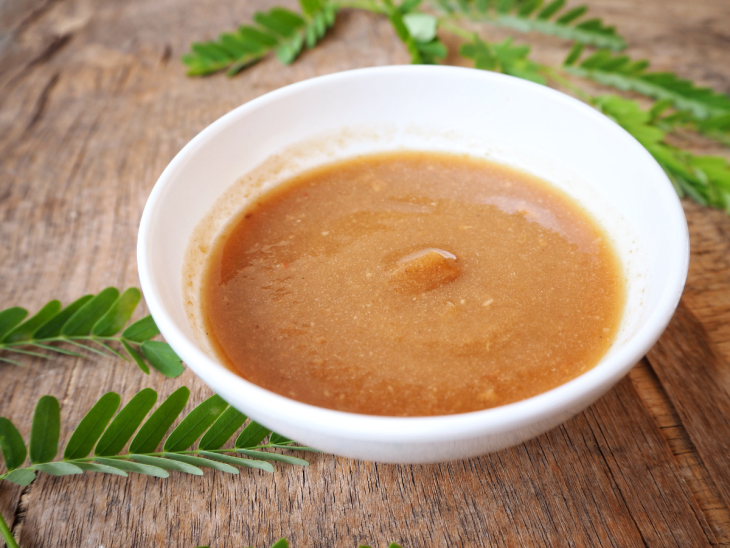
Espagnole sauce consists of veal stock, meat, or bones thickened with a dark roux (made with butter and flour) and seasoned with various condiments. Described by Carême, its classic version is attributed to the Spanish chefs of the French court, who added extra ingredients to the sauce such as peppers and onions that remain in pieces in the sauce. Chasseur, bourguignonne, and madeira are some of the contemporary derivatives of espagnole.
Velouté sauce
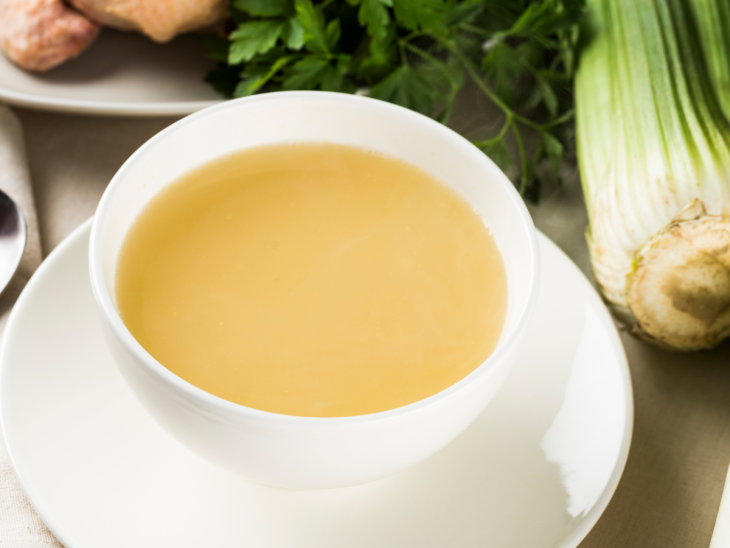
Velouté is prepared from veal, chicken, or fish stock thickened with a light roux (butter and flour mixture) and seasoned. Of French origin, its texture should be velvety and light. It is an emulsion very similar to béchamel, but using stock instead of milk. Allemande, supreme, and bercy are some of the main contemporary sauces that derive from this classic. In Brazilian cuisine, creamy soups like onion or heart of palm are also called velouté.
Hollandaise sauce
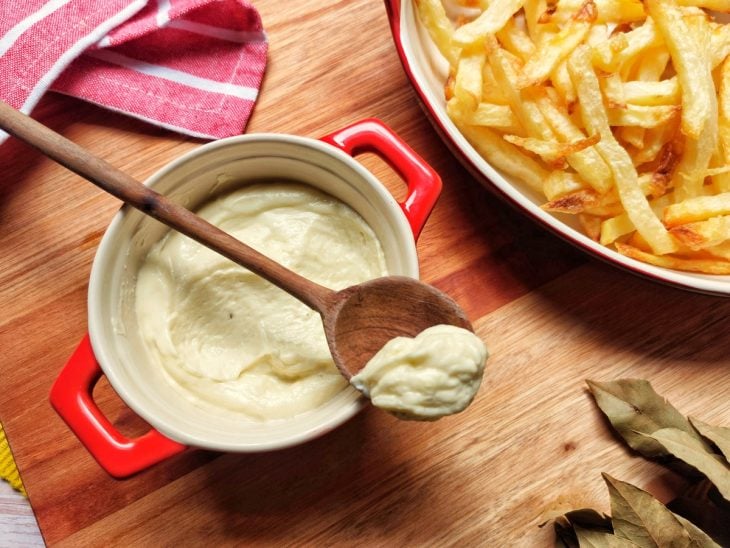
Made primarily with butter, it is a light sauce thickened through emulsification. The preparation also includes egg yolks and usually lemon juice, plus seasonings. It closely resembles mayonnaise, but is lighter and more velvety. Although it likely originated in Holland, it was in France that the recipe became popular. From this classic sauce derive contemporary variations such as béarnaise, choron, and maltaise. Hollandaise sauce is mainly served cold to accompany sandwiches and salads.
Based on these basic recipes, haute gastronomy produced a diversity of secondary sauces, with the addition of new ingredients and the combination of varied flavors. Many of these versions, because they are very well developed, are even more popular than the original preparation, such as mayonnaise or stroganoff sauce.
After all, what is roux and what is it for?
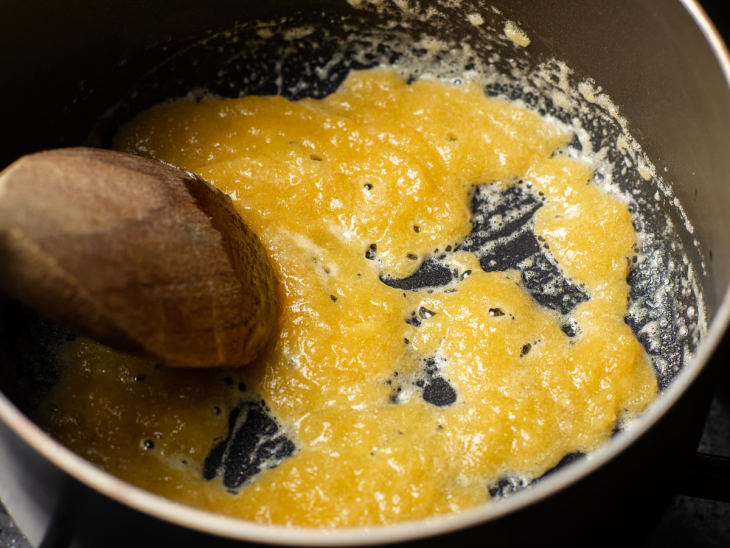
Roux is a creation of French cuisine, used as a base to thicken sauces, creams, stews, and soups. It consists of a combination of butter and wheat flour in equal proportions, which are mixed and cooked to form a kind of paste.
Depending on the cooking time, roux is differentiated as light or dark. For a light roux, which is the base for white sauces, the mixture should be cooked for a short time (about 2 minutes). To obtain a dark roux, the paste must be cooked until it reaches a burnt yellow color (on average, 5 minutes).
Other popular sauces that derive from classic recipes
Among the secondary preparations inspired by classic sauces are some very popular options, which appear as accompaniments to various dishes in daily life. Learn about the main ones and discover which basic preparations they derive from.
- Ketchup: made basically with tomatoes, sugar, vinegar, and spices, ketchup is a contemporary derivative of tomato sauce. It is very popular as an accompaniment to snacks and various finger foods, such as sandwiches, hamburgers, and French fries.
- Four-cheese sauce: derived from béchamel sauce, it is prepared with butter, wheat flour, milk, seasoning, and four types of cheese, which may vary according to personal preferences. It is a great option to serve with fondue or to enhance meats, snacks, and pasta, such as lasagna, gnocchi, and noodles.
- Madeira sauce: derived from espagnole sauce. The preparation usually takes meat stock, wheat flour, butter, Madeira wine (or sweet red wine, like Port wine) plus some vegetables to bring a sweet flavor. It takes sliced champignons and is mainly served with red meats and potatoes.
- Bolognese sauce: another derivative of tomato sauce, Bolognese consists of a combination of tomatoes, ground beef, and various seasonings. It is also ideal for accompanying lasagna, gnocchi, pasta, and other noodles.
- Béarnaise sauce: derived from Hollandaise sauce, which implies a type of mayonnaise obtained from emulsifying egg yolks with butter, white wine, onions, and tarragon. It is a perfect option to accompany red meats, poultry, or potatoes.
- Matriciana sauce: this is another derivative of tomato sauce, made with tomatoes, pecorino cheese, pepper, and guanciale (a typical Italian unsmoked bacon). In Brazilianized versions, common bacon is used, along with seasonings. It is ideal for accompanying different types of pasta.
These classic sauces and their derivatives elevate the level of any dish, making meals much juicier and more flavorful. How about putting theory into practice by testing some of these preparations? For that, check out this selection of basic ingredients that cannot be missing from your kitchen, as they are versatile and serve as the base for countless recipes.
Best Recipes I Love Making at Home
:max_bytes(150000):strip_icc()/Simply-Recipes-Unstuffed-Peppers-LEAD-4-eaeaba3e3e914f428b747104600624b5.jpg)
Cooking homemade meals is one of my favorite ways to enjoy fresh ingredients, save money, and create comforting dishes packed with flavor. From hearty dinners to festive desserts and soft homemade cakes, these easy recipes are perfect for busy weeknights, family gatherings, and special celebrations. I always keep a mix of savory classics and sweet baked treats ready for every occasion.
Easy Chicken and Comfort Food Recipes
When I want simple and satisfying meals, I often prepare recipes from my favorite chicken recipes collection. Some of my go-to dishes include flavorful garlic chicken recipes, rich grandma sauce chicken, homemade chicken shawarma, and authentic homemade doner kebab. I also enjoy making comforting dishes like minced meat soup, stir-fried rice with vegetables, and traditional pepitoria chicken.
Favorite Homemade Desserts and Cakes
For desserts, I love browsing seasonal Christmas dessert recipes and soft homemade cakes from my favorite cake and biscuit recipes. Some standout treats include fluffy chocolate cake, profiteroles with fillings, Italian-style panna cotta, and crepes with Suzette sauce. I also regularly bake homemade apple cake, banana chocolate orange cake, gluten-free lemon yogurt cake, and classic Christmas Yule Log cake.
For even more kitchen inspiration, I also recommend trying this best brine for pork chops recipe to elevate homemade comfort meals with restaurant-quality flavor.







