


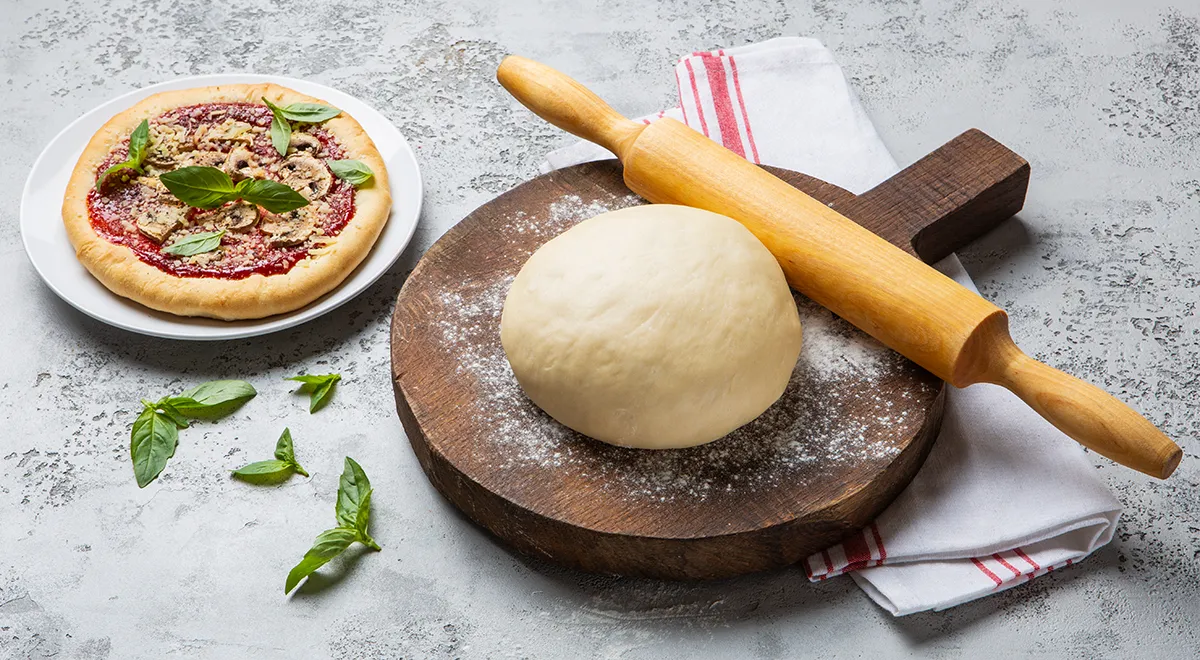
Crafting the perfect pizza at home often begins with the dough. While traditional Neapolitan recipes rely on yeast and lengthy fermentation, this pizza dough with baking powder offers a swift, reliable alternative. In under an hour, you can produce a tender, pliable base that crisps beautifully in the oven. This recipe from Gastronom.ru transforms simple pantry staples into a versatile foundation for your favorite toppings. Whether you are a weekend cook or a seasoned baker, this no-fuss dough will become your go-to for spontaneous pizza nights.
About This Recipe
This method leverages baking powder as a leavening agent, eliminating the need for proofing. The result is a dough that comes together in minutes and rests just long enough for the gluten to relax. The absence of yeast means no waiting for a rise, yet the texture remains light and flaky when baked. It is ideal for thin-crust pizzas, calzones, or even flatbreads. For a deeper dive into leavening techniques, explore our guide on non-toxic air fryers that can also bake small pizzas.

Ingredients
The beauty of this recipe lies in its simplicity. You likely have everything on hand:
- 240 g wheat flour (preferably all-purpose or bread flour)
- 100 ml water (room temperature)
- 60 ml olive oil (extra virgin for richness)
- 1 tsp baking powder
- 0.5 tsp salt
These five ingredients form a dough that is both forgiving and flavorful. For the best results, sift the flour with the baking powder to ensure even distribution. If you are looking to upgrade your mixing equipment, check out our review of the best planetary mixer for effortless kneading.
Step-by-Step Instructions
Step 1: Prepare the Dry Ingredients
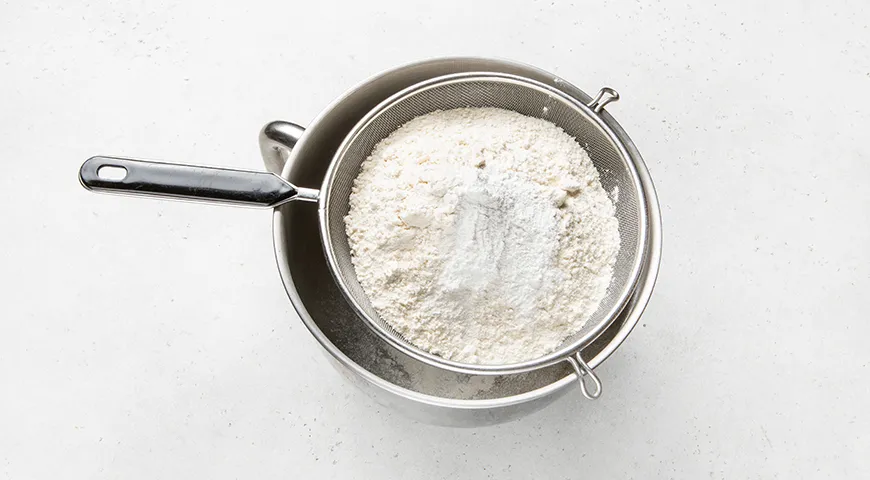
Begin by sifting the wheat flour together with the baking powder into a large bowl. This step aerates the flour and distributes the leavening agent evenly, ensuring a uniform texture. A fine-mesh sieve or a good oil sprayer? Actually, for sifting, a simple strainer works. The lightness you achieve here sets the foundation for a crisp crust.
Step 2: Mix Wet and Dry Ingredients

In a deep bowl (about 2 liters capacity), pour the room-temperature water. Dissolve the salt completely, then gradually add the sifted flour mixture. Use your hands or the dough hooks of a mixer. If you are using a stand mixer, the best planetary mixer handles this with ease. Mix until a shaggy dough begins to form.
Step 3: Knead and Add Oil
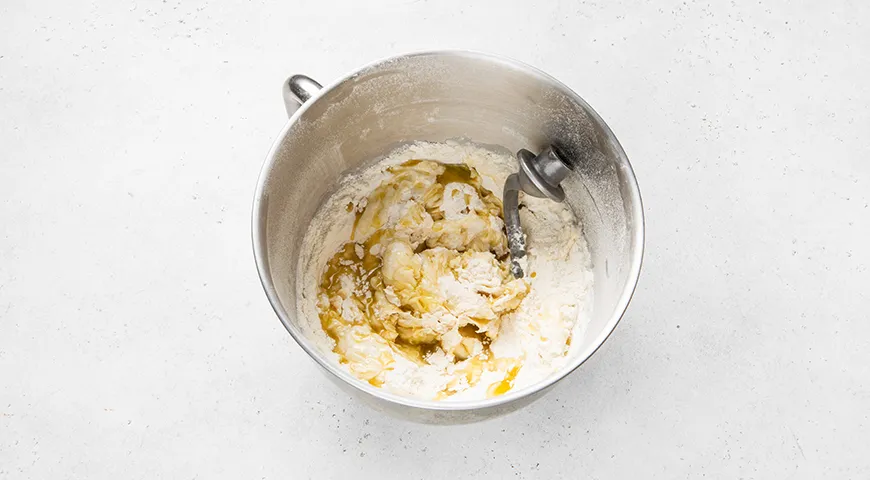
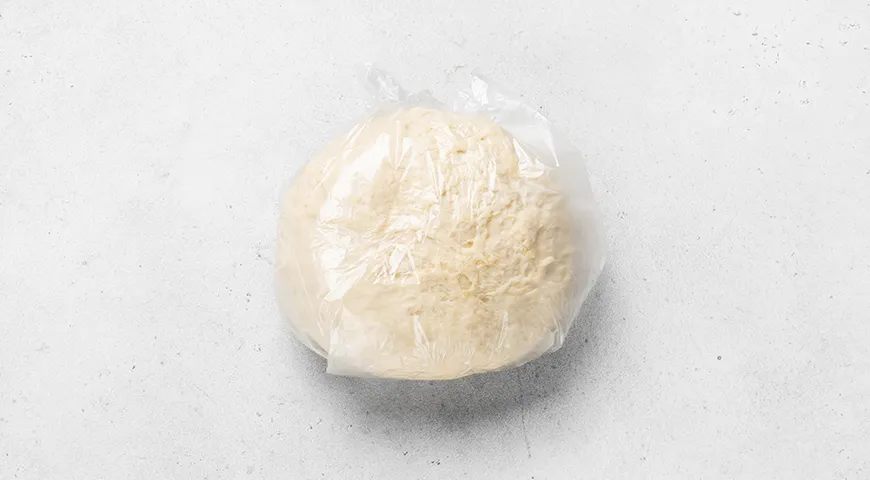
Pour the olive oil into the dough and continue kneading—either in the bowl or on a lightly floured surface. Work the dough until it becomes smooth and elastic. The oil enriches the dough, giving it a tender crumb. Shape the dough into a ball, place it in a plastic bag, and seal it. Let it rest for 30 minutes. This rest allows the gluten to relax, making rolling easier. For tips on using a food processor for kneading, see our review of the best glass food processor.
Step 4: Rest and Roll
After 30 minutes, the dough will not have risen (since it lacks yeast), but it will be more pliable. Roll it out on a floured surface into a thin disc. This dough is perfect for a 30 cm pizza. Transfer to a parchment-lined baking sheet or preheated pizza stone. Bake at 220°C (425°F) for 10–12 minutes, until golden. For even baking, consider a commercial countertop convection oven for superior heat distribution.
Tips for Perfect Results
- Water temperature matters: Use water that is truly room temperature (about 20°C). Too cold and the baking powder may not activate optimally.
- Don't overwork the dough: Knead just until smooth. Over-kneading can make the dough tough.
- Rest is non-negotiable: Even without yeast, the 30-minute rest is crucial for gluten relaxation. Skip it and your crust may shrink.
- Preheat your baking surface: A hot pizza stone or inverted baking sheet yields a crispier bottom. Learn more about undercounter ice makers for your kitchen setup, though unrelated to dough.
Variations to Explore
This basic dough is a canvas for creativity. Try these twists:
- Herb-infused: Add 1 teaspoon of dried oregano or basil to the flour for an aromatic crust.
- Whole wheat: Replace half the white flour with whole wheat flour—add an extra tablespoon of water if needed.
- Gluten-free: Use a gluten-free all-purpose blend (with xanthan gum) and increase the baking powder to 1.5 tsp.
- Stuffed crust: Roll the dough larger, place cheese sticks around the edge, and fold the dough over before baking.
If you enjoy experimenting, our article on Catalan sponge cake offers another delightful baking project.
FAQ
Can I use this dough for a deep-dish pizza?
This recipe is best for thin to medium crusts. For deep-dish, consider a yeast-based dough. However, you can press the dough into a cast-iron skillet and par-bake before adding toppings.
Why didn't my dough become smooth?
If the dough feels dry, add a teaspoon of water at a time. If too sticky, dust with extra flour. The key is gradual adjustment.
Can I refrigerate the dough?
Yes. After the 30-minute rest, wrap tightly and refrigerate for up to 24 hours. Bring to room temperature before rolling.
Is baking powder the same as baking soda?
No. Baking powder contains an acid (cream of tartar) and a base, so it activates with moisture and heat. Baking soda requires an additional acidic ingredient. Use only baking powder here.
Can I double the recipe?
Absolutely. Simply multiply all ingredients. For larger batches, a planetary mixer with a dough hook makes kneading effortless.
What if I don't have olive oil?
Substitute with any neutral oil like avocado or grapeseed. The flavor will be less fruity but the texture remains similar.
Final Thoughts
This pizza dough with baking powder proves that great pizza doesn't require a day-long commitment. It is a reliable, foolproof recipe that yields a tender, golden crust every time. Pair it with your favorite sauce, cheese, and toppings for a homemade meal that rivals delivery. For more kitchen inspiration, browse our reviews of espresso machines and coffee makers for Airbnb to complete your culinary setup.
Remember, the best pizza starts with the dough. Happy baking!







