


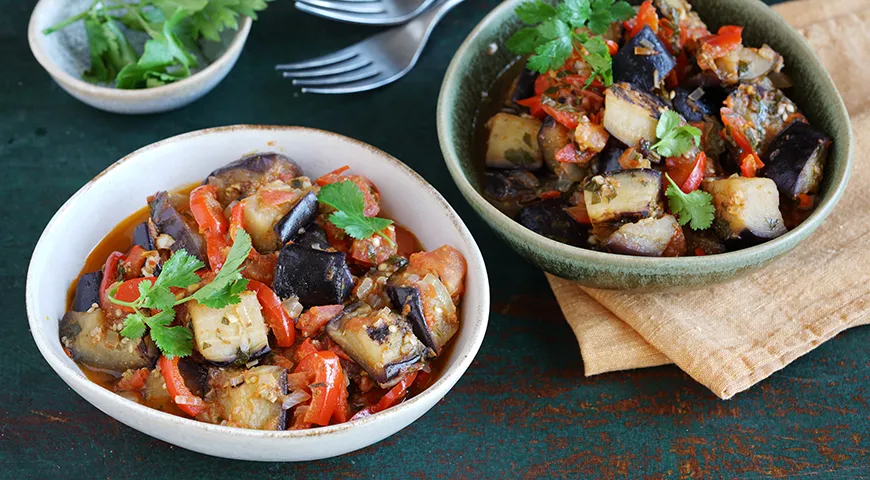
In the heart of Georgian cuisine lies a reverence for fresh vegetables, bold aromatics, and the kind of simple preparations that transform humble ingredients into something extraordinary. This recipe for Delicious Georgian-Style Eggplants – Vkusnye Baklazhany po-Gruzinski – is a testament to that tradition. Velvety slices of eggplant are first salted to draw out bitterness, then pan-fried until golden and tender, and finally tossed with a vibrant medley of tomato, bell pepper, garlic, onion, and cilantro, all brightened with white wine vinegar. The result is a stunning appetizer that can be served warm or cold, and only improves with a few hours in the refrigerator. Whether you are new to Eastern European flavors or a seasoned cook, this dish will become a staple in your repertoire.
About This Georgian Eggplant Appetizer
Georgia, a country at the crossroads of Europe and Asia, is famous for its vegetable-centric dishes and generous use of herbs. This eggplant preparation, often called baklazhany po-gruzinski, is a classic side or starter that appears on tables during family gatherings and festive meals. The key is in the technique: salting the eggplant draws out excess moisture and any bitterness, ensuring a creamy interior when cooked. The combination of sautéed bell pepper, raw onion, fresh cilantro, and tangy white wine vinegar creates a bright, acidic counterpoint to the rich eggplant. For the best texture, be sure to use a heavy skillet or a reliable non-toxic air fryer if you prefer a lighter version. This dish pairs wonderfully with crusty bread or as part of a mezze spread.

Ingredients
- 3 medium eggplants (about 600–700 g total)
- 1 large tomato (about 150 g)
- 1 red bell pepper (about 120 g)
- 3 cloves garlic
- 1 medium onion (about 100 g)
- 10 g fresh cilantro (coriander leaves)
- 3 tablespoons white wine vinegar
- Salt, to taste
- 3 tablespoons vegetable oil (for frying)
Use the freshest produce you can find. If you are planning to make larger batches, consider using a high‑performance food processor for chopping the vegetables uniformly.
Step-by-Step Instructions
Step 1: Prepare the Eggplants
Wash the eggplants thoroughly and pat them completely dry. Slice them into thick rounds, about 1.5–2 cm thick. Place the slices in a large bowl and sprinkle generously with salt. Toss to coat, then let them rest for 20 minutes. This draws out bitter juices and ensures a creamy texture.

Step 2: Rinse and Pan-Fry the Eggplants
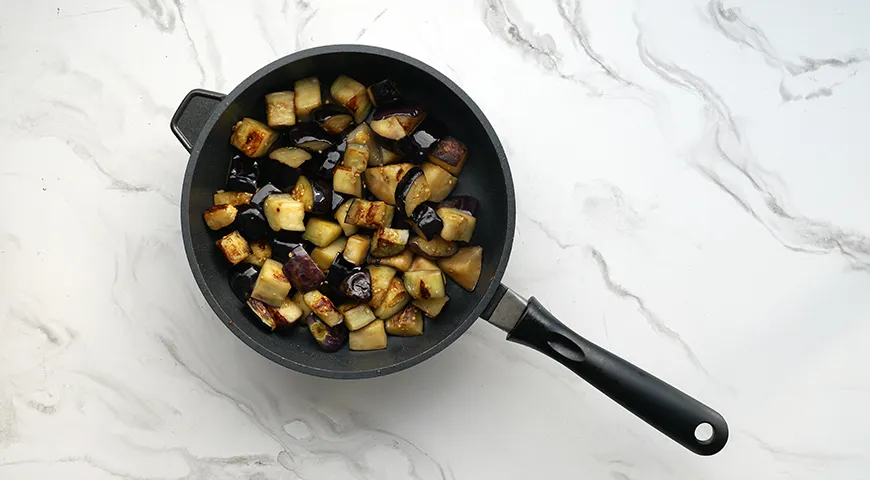
Rinse the salted eggplant slices under cold running water, squeezing gently to remove excess liquid. In a large skillet, heat 3 tablespoons of vegetable oil over medium heat. Add the eggplant slices and cook, stirring occasionally, for about 15 minutes, until they are soft and lightly browned. For even cooking, use a heavy pan; if you own a high‑end espresso machine, now is the time to brew a coffee while the eggplant sizzles.
Step 3: Prepare the Vegetables and Dressing
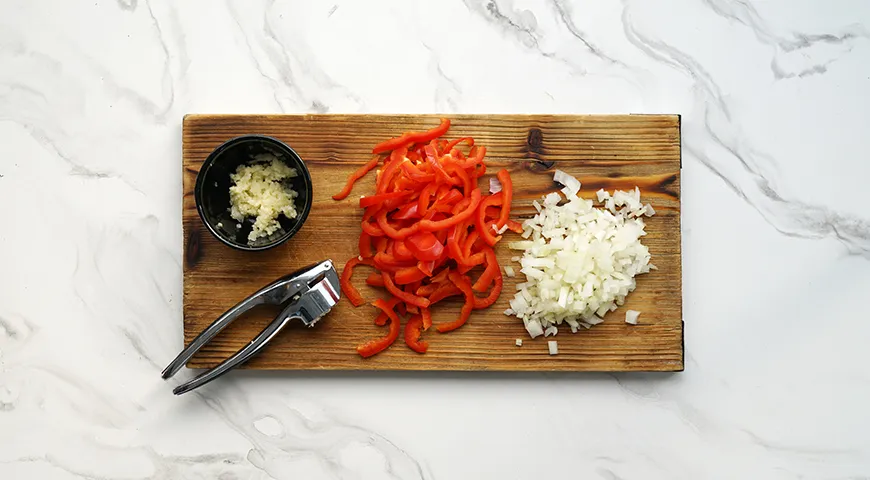
Peel the garlic and pass it through a press. Core and seed the bell pepper and tomato, then cut into thin strips or small cubes. Finely dice the onion. Wash and chop the cilantro leaves. Combine all these ingredients in a large mixing bowl. Add the white wine vinegar and a pinch of salt. Stir well and let the mixture sit for about 10 minutes to allow the flavors to meld.
Step 4: Combine the Cooked Eggplant with the Dressing
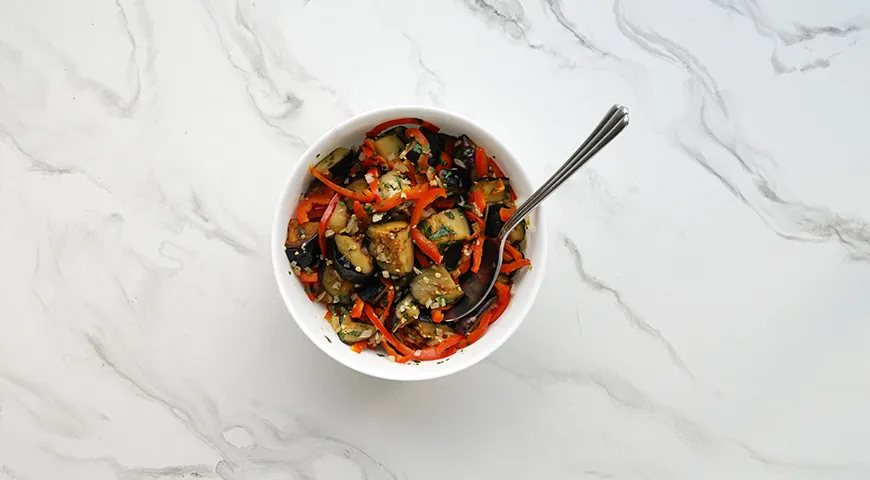
Once the eggplant slices are done, transfer them directly to the bowl with the vegetable mixture. Toss gently to combine. Taste and adjust salt if needed. Allow the dish to rest for at least 10 minutes so the warm eggplant absorbs the dressing.
Step 5: Quick Tomato Sauté and Final Assembly
In the same skillet used for the eggplant, quickly sauté the diced tomato for 1–2 minutes over high heat, just until it softens. Add the tomato to the bowl with the other ingredients and fold together. Serve immediately as a warm appetizer, or for a truly elevated experience, refrigerate for 2–3 hours – the flavors marry beautifully. For an even more refined dish, use an oil sprayer to lightly coat the tomato before sautéing.
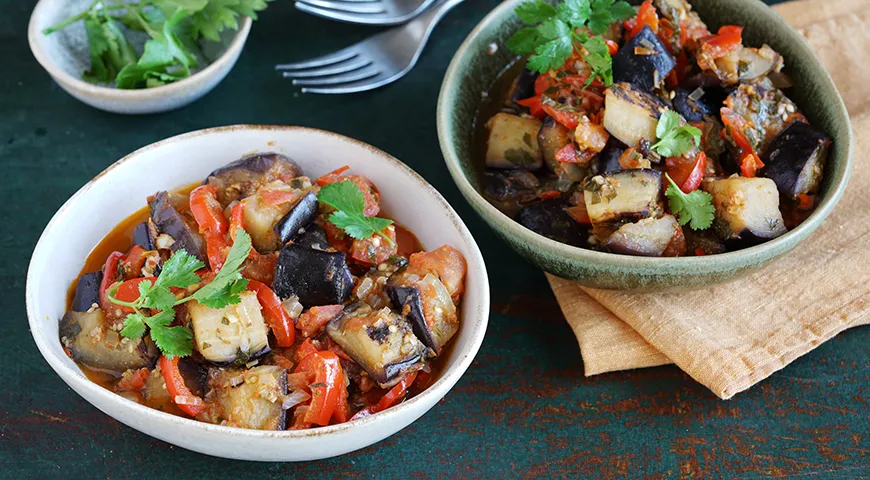
Tips for Perfect Georgian-Style Eggplants
- Salt generously: Don’t skip the salting step – it removes bitterness and prevents sogginess. Use fine sea salt.
- Dry thoroughly: After rinsing, pat the eggplant slices dry with a clean kitchen towel to avoid steaming in the pan.
- Use a heavy skillet: A well‑seasoned cast‑iron or stainless steel pan gives the best browning. A planetary mixer won’t help here, but a reliable stove‑top pan is essential.
- Let it rest: The dish tastes even better after an overnight chill. Store it in a sealed container; if you have a built‑in refrigerator, use a dedicated shelf for marinated appetizers.
- Balance acidity: Adjust the white wine vinegar to your taste – you can substitute with red wine vinegar or lemon juice.
Variations on the Classic Recipe
This Georgian eggplant preparation is wonderfully adaptable. For a smokier flavor, grill the eggplant slices on a stovetop grill pan or over an open flame. You can add chopped walnuts for a crunchy texture, a nod to the famous Georgian walnut paste. For a spicier kick, include a finely diced chili pepper along with the bell pepper. If you prefer a creamier dressing, blend a portion of the vegetables with a non‑toxic immersion blender before mixing with the eggplant. Another lovely twist is to substitute the tomato with roasted red peppers from a jar – a great shortcut when fresh tomatoes are out of season. For a gluten‑free side, serve the dish alongside grilled meat or fish, using a coffee maker to brew a Georgian‑style Turkish coffee to complete the meal.
FAQs About Georgian Eggplant Appetizer
Can I make this dish ahead of time?
Absolutely! In fact, the flavors deepen after a few hours or overnight. Prepare the entire dish, then refrigerate in a covered bowl. Bring to room temperature before serving. To keep the texture perfect, store it in a container with a tight lid; a undercounter ice maker can provide ice for a chilled presentation if desired.
Do I need to peel the eggplants?
No, the skin is edible and adds color and texture. However, if you prefer a more refined appearance, you can partially peel in stripes – a technique that also helps the eggplant absorb less oil during frying.
What can I use instead of white wine vinegar?
Red wine vinegar, apple cider vinegar, or fresh lemon juice all work beautifully. Each will bring a slightly different acidity; for a mild flavor, stick with rice vinegar. Using a steam canner is overkill for this small batch, but you can easily double the recipe for a party.
How can I make this dish oil‑free?
Instead of pan‑frying, roast the eggplant slices in a convection oven at 200°C (400°F) for about 20 minutes, turning once. You can also use an air fryer set to 180°C (350°F) for 12 minutes. The texture will be slightly drier but still delicious.
Is this recipe suitable for vegans?
Yes, completely. All ingredients are plant‑based. Just ensure your vinegar is certified vegan (most are). Serve it with a side of crusty bread or over a bed of steamed rice for a full meal.
Can I freeze Georgian‑style eggplants?
Freezing is not recommended because the eggplant texture becomes mushy upon thawing. However, you can store the dressed vegetables (without eggplant) in the freezer for up to a month, then thaw and mix with freshly cooked eggplant when ready to serve. For safe storage, use a refrigerant leak detector to ensure your fridge maintains a steady temperature.
Final Thoughts
This Georgian eggplant appetizer is a celebration of simplicity and flavor. The contrast between silky fried eggplant and the crisp, tangy vegetable salad is irresistible. Serve it as part of a larger spread with pita, olives, and cheese, or enjoy it on its own with a glass of crisp white wine. For the best experience, use a sweet wine with high alcohol content to complement the dish’s acidity. And if you’re a fan of authentic international recipes, explore our collection featuring Catalan sponge cake or a deep dive into wheatgrass juicers for fresh green shots to balance your meal.
This article first appeared on Gastronom.ru. Translated and adapted for an international audience.







