


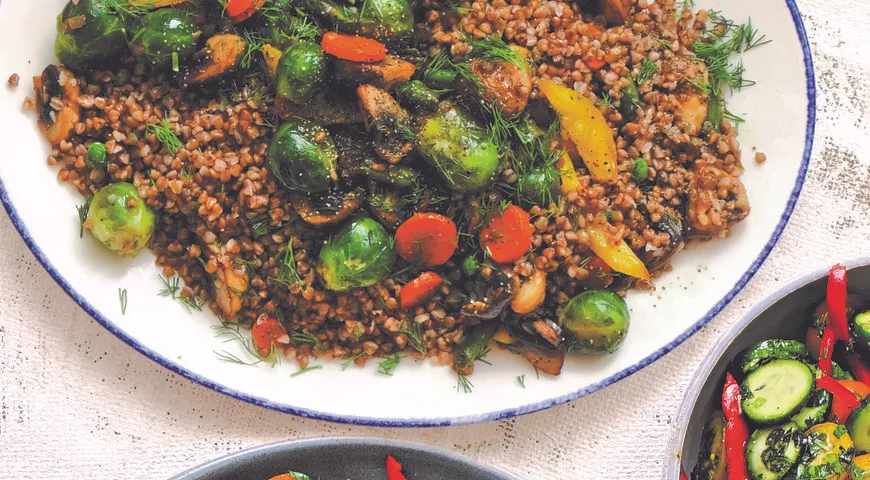
Buckwheat with mushrooms and vegetables is a timeless Russian comfort dish that transforms humble ingredients into a satisfying, wholesome meal. Though buckwheat originated in India over 4,000 years ago, it has become a cornerstone of Eastern European cuisine, prized for its nutty flavor and versatility. This recipe showcases buckwheat's ability to shine as a standalone main course or as a robust side dish, especially when paired with perfectly sautéed mushrooms and sweet onions. The key is toasting the groats before simmering, which ensures each grain stays separate and fluffy. Whether you are exploring plant-based cooking or simply craving a cozy, earthy meal, this recipe delivers on both taste and nutrition.
About This Dish
This buckwheat with mushrooms and vegetables is a staple in Russian Orthodox Lenten cooking, as it contains no animal products and relies on the natural umami of mushrooms and the sweetness of caramelized onions. The cooking technique – toasting raw buckwheat in a dry pan – is a traditional method that enhances its nuttiness and prevents mushiness. This dish is not only affordable and easy to prepare but also highly adaptable: you can use any mushrooms, add bell peppers, carrots, or even a splash of soy sauce for extra depth. For those who love exploring international flavors, this recipe pairs beautifully with a sweet but robust wine or a crisp dry white. It also works wonderfully as a side for grilled meats or as a filling for stuffed peppers.

Ingredients
- 250 g buckwheat groats
- 200 g white mushrooms (champignons)
- 1 onion
- 2 sprigs fresh dill
- 4 tbsp vegetable oil
- Salt to taste
- Freshly ground black pepper to taste
For best results, choose high-quality buckwheat that is whole (not broken) and store it in an airtight container. If you are using dried porcini mushrooms, rehydrate them first and reserve the soaking liquid for cooking. A reliable stovetop or a heavy-bottomed saucepan is ideal for toasting the groats evenly.
Step-by-Step Instructions
Step 1: Toast the buckwheat. Place the buckwheat groats in a heavy-bottomed saucepan or a skillet with a thick bottom. Add 1 teaspoon of vegetable oil, a pinch of salt, and toast over medium heat, stirring constantly, for 3 minutes until the grains become fragrant and begin to pop. This step is crucial for achieving a fluffy, separate texture. Then pour in 500 ml of hot water, reduce the heat to low, cover with a lid, and simmer for 20 minutes without stirring. The water should be fully absorbed. For extra flavor, you can use vegetable broth instead of water. If you enjoy experimenting with textures, a microwave pressure cooker can also produce perfectly tender buckwheat in a fraction of the time.
Step 2: Sauté the mushrooms and vegetables. While the buckwheat cooks, heat a non-stick skillet over medium-high heat. Add the sliced mushrooms (about 5 mm thick) and dry-fry them for 5–6 minutes until they release their moisture and develop a deep golden color. Dry-frying mushrooms concentrates their flavor and prevents them from becoming soggy. Add the remaining vegetable oil, then toss in the finely diced onion. Cook for another 3 minutes until the onion turns translucent and lightly caramelized. Season with salt and pepper, then cook for a further 10 minutes over medium heat, stirring occasionally, until the mixture is richly browned. For a more complex vegetable medley, you can add diced bell pepper or grated carrot at this stage. A food processor makes quick work of chopping onions and slicing mushrooms.
Step 3: Serve. Fluff the cooked buckwheat with a fork and divide it among plates. Top generously with the mushroom-onion mixture and garnish with freshly chopped dill. Serve immediately while still warm. The contrast between the fluffy grains and the savory, umami-rich topping is sublime. This dish can also be served at room temperature as a grain salad, similar to a cold buckwheat salad popular in Japanese cuisine. Leftovers keep well in the refrigerator for up to three days and can be reheated with a splash of water.
Tips for Perfect Buckwheat
- Always toast the groats before boiling – this prevents them from turning into a sticky porridge. If you skip this step, the texture will be mushy.
- Use a 1:2 ratio of buckwheat to water (250 g groats to 500 ml water) for fluffy results. For a softer texture, add a little more water.
- Do not stir the buckwheat while it simmers; disturbing the grains releases starch and makes them sticky.
- Let the cooked buckwheat rest off the heat for 5 minutes before fluffing to allow steam to redistribute.
- For extra flavor, replace half the water with mushroom soaking liquid or vegetable broth. A kitchen scale ensures perfect water ratios every time.
Variations
This versatile recipe invites endless customization. Try using wild mushrooms like chanterelles or porcini for a more intense flavor. Add a handful of sautéed spinach or kale for extra greens. For a non-vegan version, include crispy bacon bits or a dollop of sour cream. If you like heat, stir in a pinch of red pepper flakes or smoked paprika. Buckwheat also pairs well with caramelized carrots, zucchini, or roasted bell peppers. For a complete one-pot meal, cook the buckwheat directly in a non-toxic air fryer oven with the vegetables – just adjust cooking times accordingly. Another option is to turn leftovers into buckwheat patties: mix with mashed potatoes, form into patties, and pan-fry until golden.
FAQ
Can I use pre-cooked or instant buckwheat?
Yes, but the texture will be softer and less fluffy. Pre-cooked buckwheat (often sold in vacuum packs) should simply be heated through and then topped with the mushroom mixture. Instant buckwheat requires a much shorter cooking time – follow package instructions and reduce liquid accordingly. For the best results, always use raw buckwheat groats and toast them yourself. For convenience, a quality ice maker helps keep leftover buckwheat salads chilled.
What is the best way to store and reheat leftovers?
Store cooled buckwheat and mushroom mixture separately in airtight containers in the refrigerator for up to 3 days. To reheat, place in a skillet with a splash of water or vegetable broth and warm over medium heat, stirring occasionally. You can also microwave it in a covered dish for 1–2 minutes. Avoid overcooking to prevent mushiness. A planetary mixer can help incorporate leftovers into a dough for buckwheat crepes.
Is this recipe gluten-free?
Yes, buckwheat is naturally gluten-free (despite its name, it is not related to wheat). However, ensure that the buckwheat you purchase is certified gluten-free if you have celiac disease, as cross-contamination can occur during processing. This dish is also suitable for a dairy-free and nut-free diet. For related gluten-free baking ideas, see our Catalan sponge cake recipe.
Can I add other vegetables?
Absolutely. Diced carrots, bell peppers, zucchini, or even chopped spinach work wonderfully. Sauté them along with the onion after the mushrooms have browned. For a heartier version, add pre-cooked chickpeas or lentils. The dish also welcomes fresh herbs like parsley, chives, or cilantro. A touch of tomato paste or soy sauce can boost umami. For precise slicing of vegetables, a glass food processor is a great tool.
How can I make this dish more protein-rich?
Buckwheat already contains about 13g of protein per 100g, but you can add more by incorporating tofu, tempeh, or edamame. Sauté them with the mushrooms or marinate and roast separately. You can also serve the dish topped with a fried egg or alongside grilled chicken. For a boost of plant-based protein in your pantry, explore our best organic vodka review for cocktail pairing ideas – or simply enjoy the buckwheat as is for a complete meal.
Conclusion
Buckwheat with mushrooms and vegetables is more than a simple side dish; it's a celebration of earthy flavors and smart cooking techniques. The toasting step makes all the difference, yielding grains that stay separate and al dente. Whether you serve it as a main course for a Lenten dinner, a quick nourishing lunch, or a hearty companion to roasted meats, this recipe is sure to become a staple in your kitchen. For more ideas on how to elevate your everyday cooking, check out our guides on the best espresso machine under $2000 and the best wall oven microwave combo with air fryer – because great cooking starts with great tools.







