


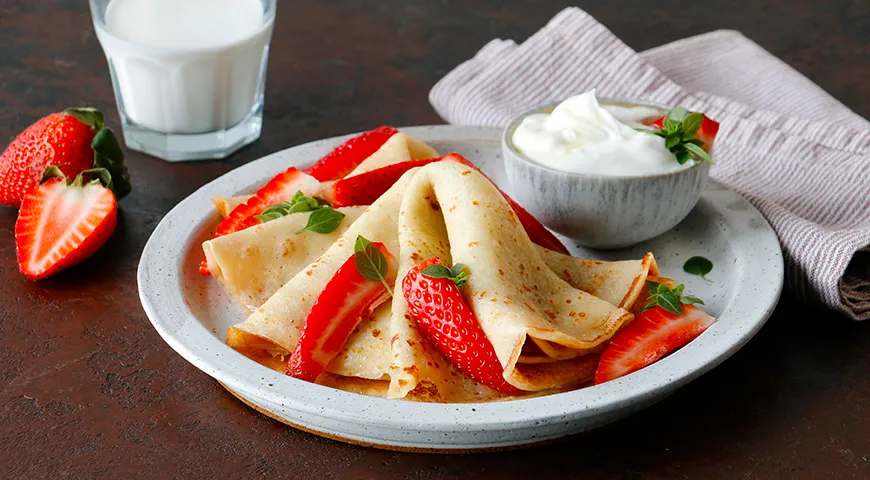
In the tapestry of Russian cuisine, pancakes—blini—are woven into every occasion, from Maslenitsa festivals to quiet Sunday mornings at the dacha. But what happens when you swap traditional milk or kefir for natural yogurt? The answer is a revelation: blini that are impossibly tender, with a subtle tang that elevates their flavor profile. This recipe for yogurt blini yields pancakes that are soft, slightly custardy, and resilient enough to hold your favorite fillings, yet delicate enough to melt on the tongue. The secret lies in the marriage of yogurt and boiling water—a technique that might raise eyebrows but guarantees ethereal results.
About These Yogurt Blini
Russian blini have a centuries-old legacy, but this modern adaptation leans into the principles of precise fermentation and texture. Yogurt provides a gentle acidity that tenderizes gluten, while the boiling water—added in a thin stream—creates steam pockets that yield a lacy, airy crumb. Unlike classic buttermilk pancakes, these blini rely on the protein structure of yogurt for structure, resulting in a silky, almost crepe-like softness. The recipe is forgiving: you can use any full-fat or slightly thick yogurt, from Greek to plain drinking varieties, as long as it isn't too thin. Avoid non-fat options, which produce rubbery, flat pancakes.

These blini perform beautifully with both sweet and savory accompaniments. Serve them with sour cream and caviar for a festive appetizer, or with honey and fresh berries for a decadent breakfast. For those who appreciate precision in the kitchen, the technique here rewards careful attention.
Ingredients
- 2 large eggs
- Pinch of salt
- 3.5 tablespoons (about 45 g) sugar
- 300 ml natural yogurt (full-fat, not drinking style)
- 200 g all-purpose flour
- 1 teaspoon baking powder
- 3 tablespoons vegetable oil, plus more for frying
- 250 ml boiling water
- Optional: vanilla sugar or extract, melted butter for serving
Step-by-Step Instructions
Step 1: Prepare the egg base. In a deep bowl, crack the eggs and add salt and sugar. Whisk vigorously until the mixture is pale, thick, and uniform. Tip: A stand mixer with a whisk attachment can streamline this step, or you can whisk by hand—the goal is to incorporate air for lightness.
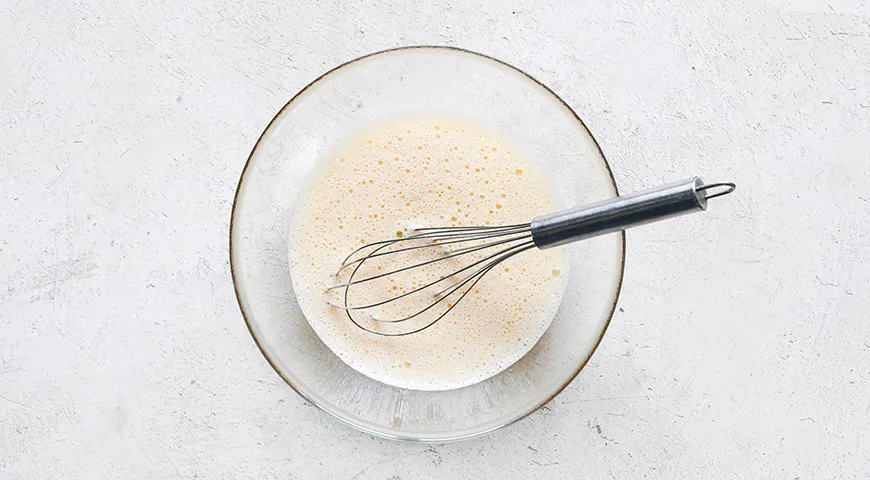
Step 2: Incorporate yogurt and dry ingredients. Pour the yogurt into the egg mixture and stir until smooth. Sift the flour with baking powder directly into the bowl, adding it in three parts while whisking gently. This prevents lumps and ensures a silky batter.

Step 3: Add oil. Stir in the 3 tablespoons of vegetable oil until fully absorbed. For a nuanced flavor, substitute with high-quality olive oil—its fruitiness will complement the yogurt tang.
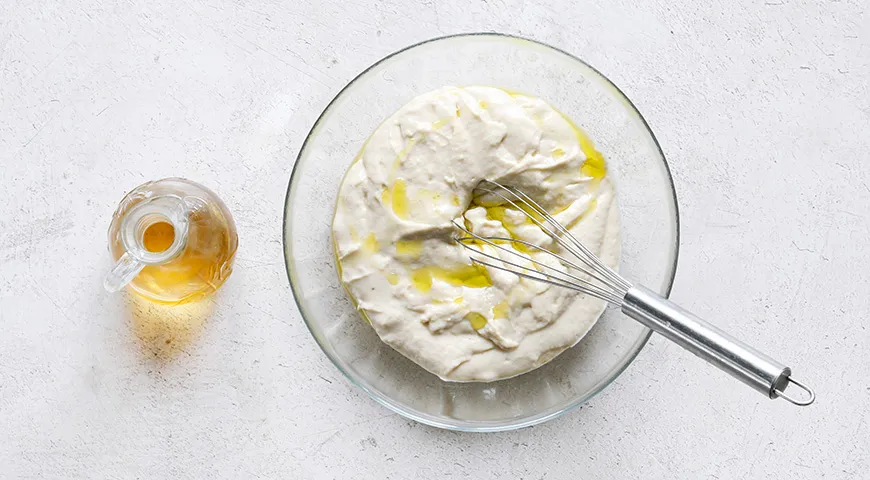
Step 4: The boiling water technique. Bring the 250 ml of water to a rolling boil. With the whisk in your dominant hand, pour a thin, steady stream of boiling water into the batter while whisking constantly. The batter will thin and become glossy—this is the key to tender blini. Whisk until smooth and homogenous. Let the batter rest at room temperature for 30 minutes; this allows the flour to hydrate fully and the gluten to relax.

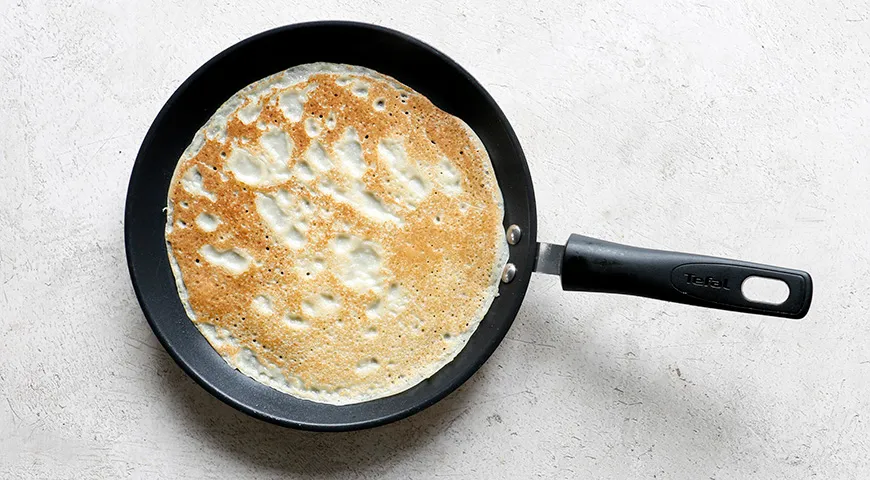
Step 5: Heat the pan. Place a well-seasoned or nonstick crepe pan over medium-high heat. Lightly grease with a brush dipped in vegetable oil. Ladle about a ¼ cup of batter into the center, then tilt the pan in a circular motion to spread it thinly. Cook until the edges lift and the bottom is golden brown, about 2 minutes.
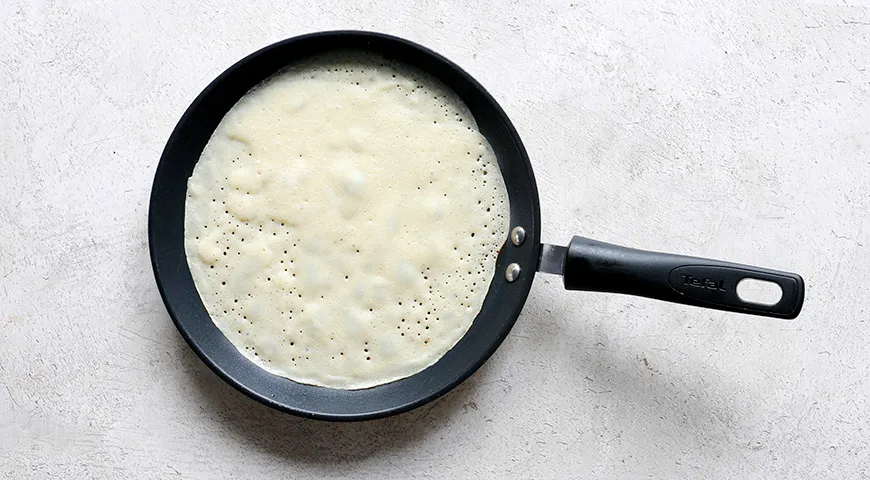
Step 6: Flip and finish. Use a thin spatula to flip the blin. Cook the second side for about 2 minutes until speckled with golden spots. Transfer to a plate and brush with melted butter. Repeat with remaining batter. The first blin is often a test—adjust heat and batter consistency if needed.
Tips for Perfect Blini
- Temperature control: Maintain medium-high heat; if the pan smokes, it's too hot. Use an infrared thermometer to aim for 190°C.
- Resting is non-negotiable: The 30-minute rest allows the starch to swell and improves texture. Don't skip it.
- Butter for richness: Brushing each blin with melted butter as they stack creates a luscious, velvety layer—and prevents sticking.
- Scale up or down: For a crowd, double the recipe; for a single serving, halve it. Adjust resting time proportionally.
Variations to Explore
These blini are a blank canvas. For savory versions, reduce sugar to 1 tablespoon and fold in chopped fresh dill or scallions. Serve with smoked salmon and a dollop of crème fraîche, or use them as a wrap for shredded duck. Sweet variations can include a splash of vanilla extract or a pinch of cardamom in the batter. For a gluten-free adaptation, substitute a finely ground oat flour—though the texture will be more rustic. Another thrilling twist: replace 50 ml of the water with strong brewed chai for a fragrant, spiced pancake.
Frequently Asked Questions
Can I use Greek yogurt?
Yes, full-fat Greek yogurt works splendidly. Thin it with a splash of milk if it's too thick, as the batter should have a pouring consistency similar to heavy cream.
Why is boiling water added?
The hot water cooks the starch granules on contact, creating a supple batter that produces thin, flexible blini. It also activates the baking powder for a lighter rise. This technique is similar to that used in pressure-cooking applications where sudden heat transforms structure.
Can I make the batter in advance?
Yes, but only after adding the water and resting. Store in the refrigerator for up to 6 hours. Stir well before using, as the starch may settle.
What if my blini are turning out dense?
Possible causes: overmixing, not resting, or using non-fat yogurt. Also, ensure your baking powder is fresh; test by dropping a bit into hot water—it should bubble vigorously. For troubleshooting, consult a reliable kitchen thermometer to verify pan temperature.
Can I freeze these blini?
Absolutely. Stack cooled blini with parchment paper between each, wrap tightly in plastic, and freeze for up to 2 months. Reheat in a dry pan or microwave with a damp paper towel for 30 seconds.
What's the ideal serving accompaniment?
For a traditional Russian spread, pair with sour cream, salmon roe, or honey and fresh berries. For a modern brunch, try whipped ricotta with roasted figs and a drizzle of balsamic reduction.
Conclusion
These yogurt blini are a testament to the magic of simple ingredients treated with respect. The yogurt delivers a gentle tang, the boiling water ensures tenderness, and the careful technique yields pancakes that are neither too thick nor too thin. Whether you're hosting a Maslenitsa feast or craving a cozy breakfast, this recipe will become a staple. For those who love to experiment in the kitchen, consider pairing these blini with a versatile countertop convection oven to keep them warm while finishing batches. The journey from batter to blini is rewarding—and the first bite, unforgettable.







