


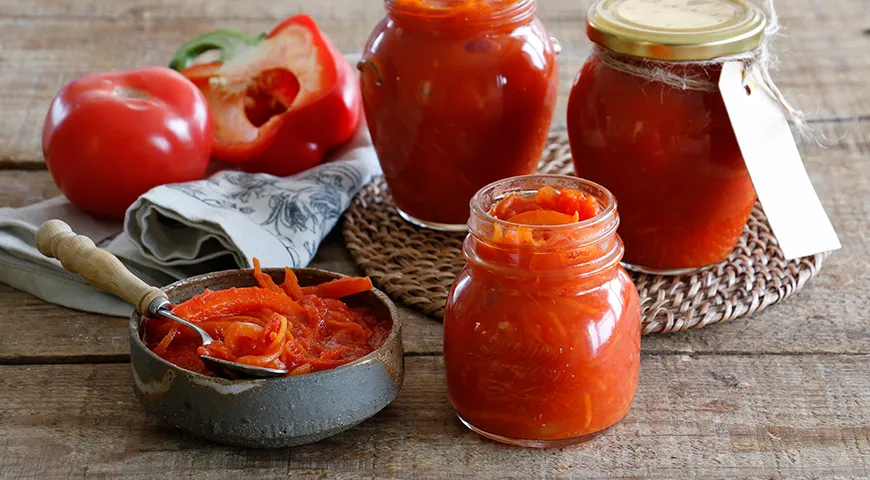
Lecho, a vibrant Hungarian-inspired pepper stew, has become a beloved staple in Eastern European pantries. This version—Winter Lecho with Vinegar—captures the essence of summer produce in a jar, offering a tangy, slightly sweet condiment that pairs beautifully with grilled meats, crusty bread, or as a base for hearty soups. The addition of vinegar not only brightens the flavors but also ensures safe preservation, making it a perfect project for home canners. In this article, we’ll guide you through every step, from selecting ripe tomatoes to achieving that perfect seal. For more preserving inspiration, explore our best steam canner recommendations to streamline your process.
About This Lecho Recipe
Traditional lecho relies on three core ingredients: tomatoes, bell peppers, and onions, often enriched with carrots for sweetness and body. This recipe adds a measured amount of 9% vinegar to lower the pH, making it shelf-stable without refrigeration. The result is a balanced preserve—not too acidic, with a natural sweetness from the carrots and sugar. If you’re new to preserving, check out our guide on best built-in refrigerators for pantry organization to store your finished jars properly.

Ingredients
- 1 kg ripe tomatoes
- 1 kg bell peppers (mix of colors for visual appeal)
- 250 g carrots
- 150 g onions
- 80 ml vegetable oil (sunflower or canola)
- 50 g granulated sugar
- 1 tablespoon (15 g) salt
- 1 tablespoon (15 ml) 9% vinegar
For best results, use the best non‑toxic immersion blender to puree the tomatoes smoothly.
Step-by-Step Instructions
Step 1: Prepare the Tomatoes
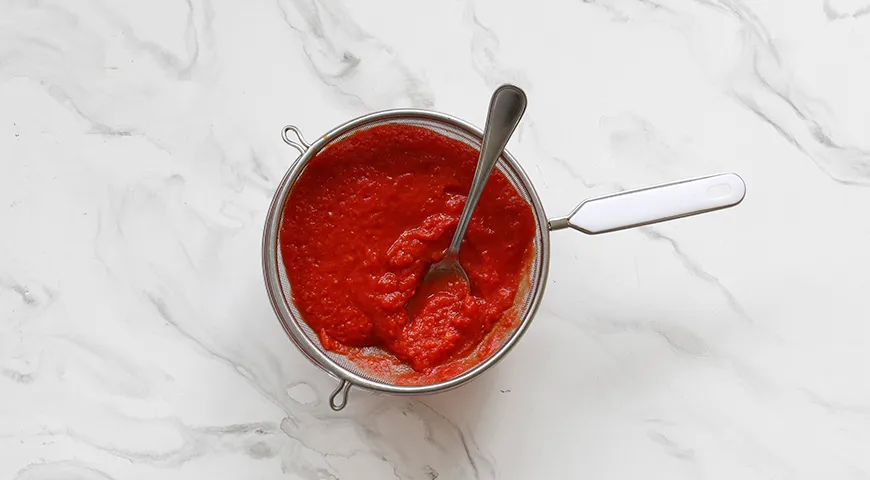
Wash the tomatoes thoroughly. Score a small “X” on the bottom of each, then pour boiling water over them and let sit for 1 minute. Drain, rinse with cold water, and peel off the skins. Cut into quarters and puree using a blender or food mill. For a seedless puree, pass through a fine-mesh sieve. A high-quality glass blender makes this step effortless.
Step 2: Prepare the Vegetables
Peel and grate the carrots on the large holes of a box grater. Peel the onions and slice into thin half-rings. Remove the seeds and white membranes from the bell peppers, then slice into strips about 1 cm wide. Uniform cuts ensure even cooking. If you prefer a finer dice, a food processor designed for nut butters also handles vegetables beautifully.

Step 3: Cook the Tomato Base with Carrots
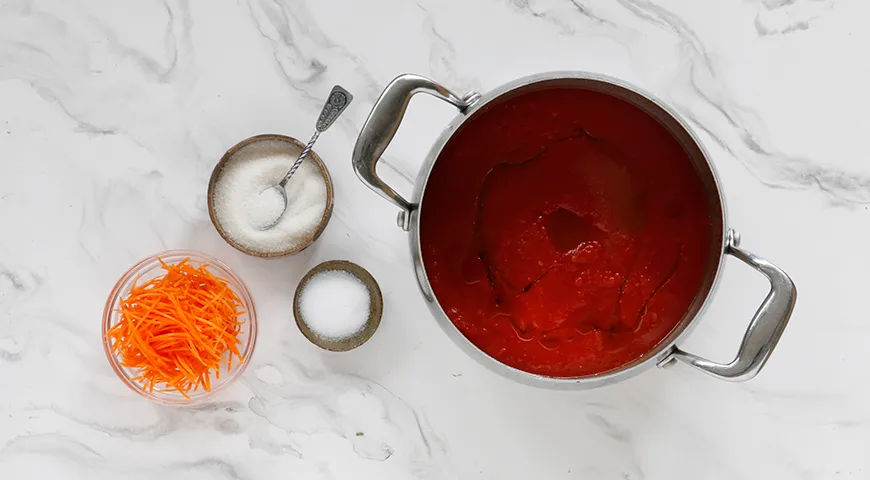
In a large stainless steel or enameled pot, combine the tomato puree, vegetable oil, sugar, salt, and vinegar. Bring to a boil over medium-high heat, then add the grated carrots. Reduce heat to a gentle simmer and cook for 15 minutes, stirring occasionally. The carrots will soften and meld into the sauce. Using a high-quality oil sprayer can help control the amount of oil you add.
Step 4: Add Peppers and Onions
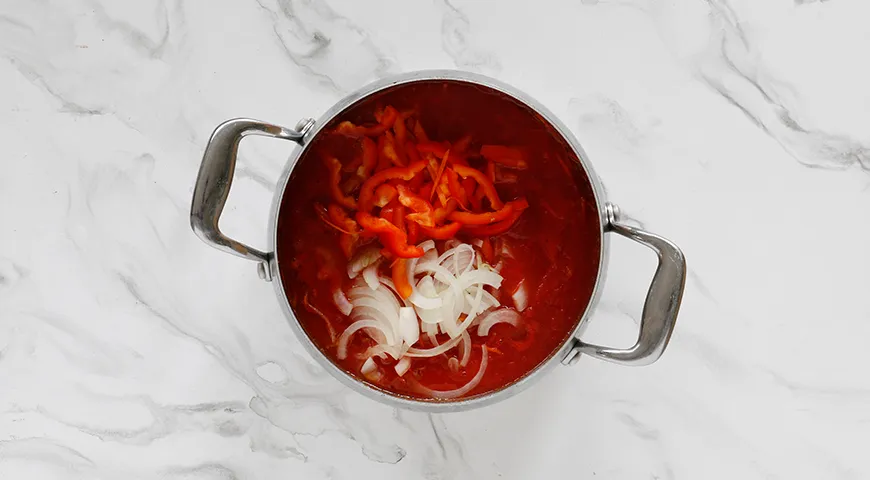
After 15 minutes, stir in the sliced bell peppers and onions. Continue to cook for another 20 minutes on medium heat, stirring frequently to prevent sticking. The peppers should soften but retain a slight bite. For even heat distribution, a commercial countertop convection oven is overkill, but a heavy-bottomed pot works perfectly.
Step 5: Jar and Seal
While the lecho is still bubbling hot, ladle it into sterilized glass jars, leaving 1 cm headspace. Wipe the rims clean, screw on the lids, and process in a boiling water bath for 15 minutes (adjust for altitude). Alternatively, invert the jars on a folded towel and let them cool completely upside down—this creates a vacuum seal. For reliable canning tools, see our review of undercounter ice makers for chilling after processing.

Tips for Perfect Lecho
If you’re short on time, you can substitute fresh tomato puree with good-quality canned crushed tomatoes—look for brands with no added sugar or artificial flavors. For a smoother texture, use an wheatgrass juicer to extract pure juice, though a blender and sieve work fine. Always taste the lecho before canning and adjust salt or vinegar to your preference. To ensure long-term storage, check that your jars seal properly and store them in a cool, dark place.
Variations to Explore
This base recipe is endlessly adaptable. Add 1–2 chopped chili peppers for heat, or stir in fresh herbs like thyme or oregano during the last 5 minutes of cooking. You can also substitute half the bell peppers with roasted red peppers for a deeper, smoky flavor. For a different texture, try air-frying the peppers before adding them to the pot. Another twist: replace the vinegar with lemon juice for a brighter citrus note, though you may need to adjust acidity for safe canning.
Frequently Asked Questions
Can I use frozen vegetables for lecho?
Yes, but thaw and drain excess moisture first to avoid waterlogging the mixture. Frozen peppers and carrots work well, though fresh produce yields a firmer texture.
How long does homemade lecho last?
If properly sealed and stored in a cool, dark pantry, your lecho will keep for up to 12 months. Once opened, refrigerate and consume within 2 weeks.
Do I have to peel the tomatoes?
Peeling is recommended for a silky sauce, but you can skip it if you don’t mind the texture. The skins will remain in the puree and can become tough during cooking.
What type of vinegar is best?
Standard 9% white vinegar works perfectly for preserving. Avoid balsamic or flavored vinegars, as they can alter the taste and pH balance.
Can I reduce the sugar?
You can lower the sugar to 30 g, but it may affect the balance of acidity and sweetness. Lecho traditionally has a subtle sweet‑sour profile, so adjust to your palate.
Why did my lecho turn brown?
Overcooking or using very ripe tomatoes can cause browning. To prevent this, avoid prolonged boiling after adding the peppers. A microwave pressure cooker can speed up cooking but isn't necessary for this stovetop method.
Storage and Serving Suggestions
Lecho is incredibly versatile. Spoon it over scrambled eggs, serve alongside grilled sausages, or use it as a base for goulash. For a quick appetizer, top toasted baguette slices with lecho and crumbled feta cheese. If you’re planning a holiday feast, consider making a double batch—it also makes a wonderful gift. Store unopened jars in a cabinet away from direct sunlight, and always check for signs of spoilage before using.
We hope this recipe becomes a cherished part of your preserving tradition. For more kitchen inspiration, browse our articles on best chocolate‑covered raisins as a sweet counterpoint, or explore espresso machines for your morning ritual. Happy canning!







