


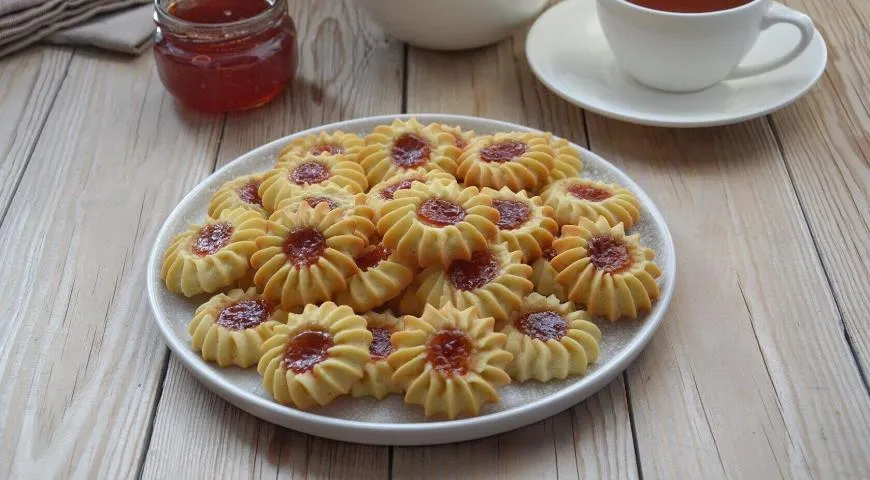
There is something profoundly nostalgic about a perfectly crumbly butter cookie punctuated with a jewel of jam—this is Kurabye, a beloved classic that evokes warmth, celebration, and the simple joy of homemade baking. Often associated with Azerbaijani and Turkish traditions, Kurabye has found its way into hearts and kitchens across the globe, especially during holidays like Christmas and New Year. Its melt-in-the-mouth texture and delicate sweetness make it an irresistible treat for any occasion. Whether you are hosting a festive gathering or simply craving a moment of indulgence, mastering this recipe at home is a rewarding endeavor. With just a handful of ingredients and a little patience, you can recreate the magic of artisanal bakery cookies. This guide will walk you through every step, from whipping the butter to achieving that perfect golden hue, ensuring your cookies are as beautiful as they are delicious. Let’s embark on this baking journey and bring the timeless elegance of Kurabye to your table.
About This Recipe
Kurabye (pronounced koo-rah-byeh) is a traditional shortbread-like cookie that originated in the Caucasus region and gained immense popularity across Eastern Europe and the Middle East. Its hallmark is a rich, buttery base that crumbles delicately with each bite, often topped with a dollop of fruit jam or preserve. The dough is typically piped into rosettes or swirls, giving the cookies a distinctive appearance. Unlike many Western shortbreads, Kurabye incorporates egg whites for lightness and potato starch or cornstarch for extra tenderness. The result is a cookie that is crisp on the outside yet tender inside. This homemade version strips away any commercial shortcuts, allowing the pure flavors of quality butter, powdered sugar, and vanilla to shine. By following the recipe closely, you will produce cookies that rival those from the finest pastry shops—but with the unbeatable charm of something made with your own hands. For best results, invest in a reliable stand mixer; a planetary mixer ensures consistent aeration, while a commercial countertop convection oven provides even heat distribution for uniform browning.

Ingredients
All ingredients should be at room temperature to ensure proper emulsification. This small list yields about 30 cookies, depending on piping size.
- 150 g unsalted butter, softened
- 80 g powdered sugar
- 1 pinch of salt
- 1 large egg white (room temperature)
- 200 g all-purpose flour
- 50 g potato starch or cornstarch
- 100 g high-quality fruit jam (apricot, raspberry, or strawberry work beautifully)
Optional for serving: extra powdered sugar for dusting. For a homemade jam that elevates the cookie, consider using a steam canner to preserve seasonal fruits.
Step-by-Step Instructions
Step 1: Cream the Butter
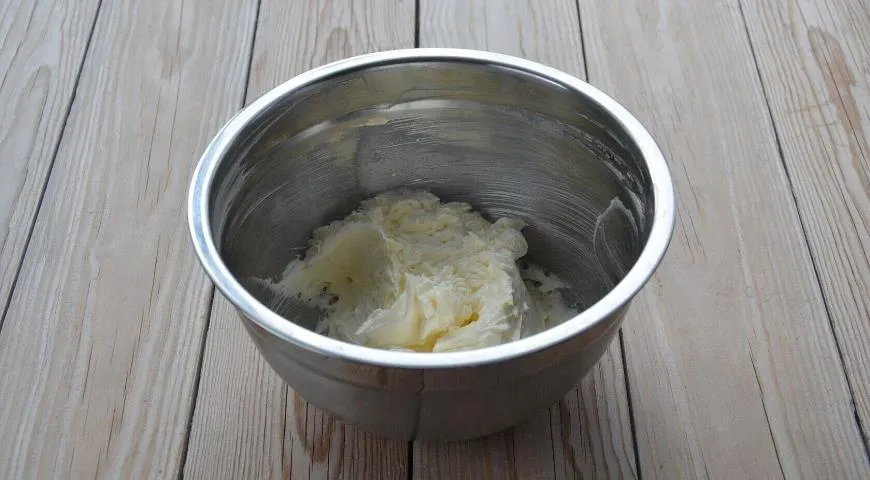
Place the softened butter, powdered sugar, and salt in a mixing bowl. Beat with an electric mixer on medium speed until the mixture becomes pale, fluffy, and light—approximately 5 minutes. This step is crucial for incorporating air, which gives the cookies their delicate crumb. Use a non-toxic immersion blender if you lack a stand mixer, but ensure you scrape the sides frequently.
Step 2: Add Egg White and Dry Ingredients
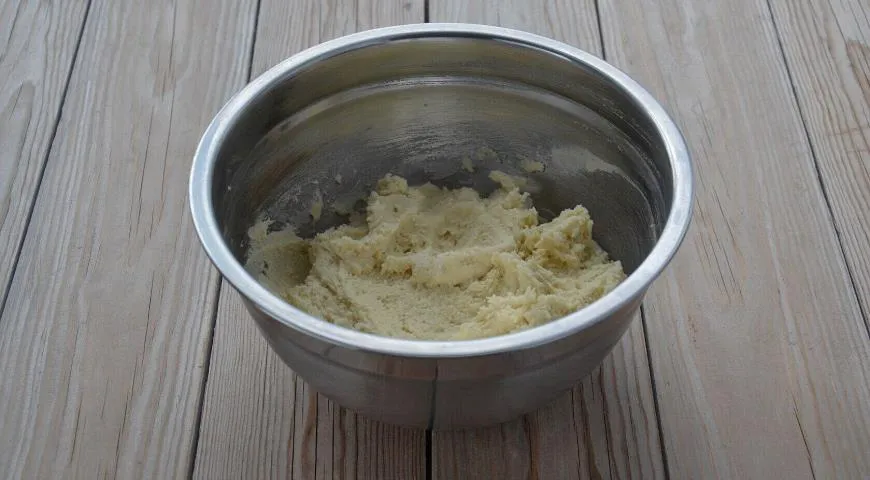
Add the room-temperature egg white and beat until fully combined and smooth. In a separate bowl, whisk together the flour and starch. Gradually add the dry mixture to the butter mixture, beating on low to medium speed just until a soft, pipeable dough forms. Overmixing can lead to tough cookies. For a finer texture, pass the flour through a sieve.
Step 3: Prepare the Piping Bags
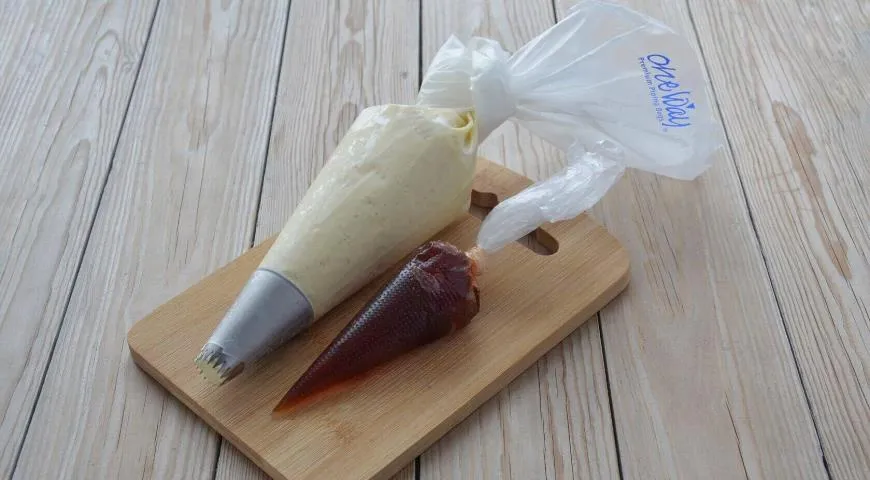
Transfer the dough into a piping bag fitted with a large open-star nozzle (such as a French star tip). Spoon the jam into a separate piping bag or a small zip-top bag with a tiny corner snipped off. If you prefer a jam without seeds, puree it using an immersion blender or a food processor before piping.
Step 4: Pipe and Bake
Line a baking sheet with parchment paper. Pipe the dough into rosettes or small swirls, leaving about 2 cm between each. Use a clean finger or the back of a small spoon to create a deep indentation in the center. Fill each well with a small amount of jam—about ½ teaspoon per cookie. Bake in a preheated oven at 170°C (340°F) for 12–15 minutes, or until the edges are lightly golden. The centers should remain pale. For perfectly even baking, consider using a non-toxic air fryer in convection mode, though you may need to adjust time. Let the cookies cool on the tray for 5 minutes before transferring to a wire rack.

Pro Tips for Perfect Kurabye
- Temperature matters: Ensure butter and egg white are at room temperature; cold ingredients can cause the dough to split.
- Don’t overbake: The cookies should be set but not deeply browned. They will continue to firm up as they cool.
- Consistent piping: For uniform cookies, practice piping identical-sized rosettes. A steady hand and even pressure produce professional results.
- Jam choice: Use thick, low-sugar jam to prevent spreading. Sour cherry or apricot jam provides a pleasant tart contrast. For a store-bought option, look for brands reviewed in chocolate-covered raisin guides that also offer fruit preserves.
- Storage: Keep in an airtight container at room temperature for up to 5 days. Layer with parchment to avoid sticking.
Delicious Variations
While classic Kurabye is perfect as is, you can easily customize it. For a nutty twist, replace 30 g of flour with almond flour—but adjust liquid slightly. To incorporate a hint of spice, add ½ teaspoon of cardamom or vanilla bean paste. If you love chocolate, pipe a small chocolate ganache center instead of jam. For a festive look, dust the baked cookies with powdered sugar or drizzle with white chocolate. Pair these cookies with a cup of George Howell coffee for a sophisticated afternoon treat. For gatherings, consider offering a selection of jams: raspberry, apricot, and fig. The sweet wine pairing can also elevate the dessert course. If you are baking for a crowd, an oven-microwave combo with air fryer can handle multiple trays efficiently.
Frequently Asked Questions
What is Kurabye?
Kurabye is a traditional shortbread-style cookie from the Caucasus region, known for its crumbly texture and jam-filled center. It is popular in many countries and often served during holidays.
Can I use salted butter instead of unsalted?
Yes, but reduce or omit the added salt to avoid an overly salty cookie. Unsalted butter is preferred for control over flavor.
Why did my Kurabye spread too much?
Spreading can occur if the butter was too warm, the dough was overmixed, or the jam was too runny. Chill the piped cookies for 10 minutes before baking to help them hold shape. Also, ensure your refrigerator is properly calibrated for chilling.
Can I make Kurabye without a piping bag?
Absolutely. Roll the dough into small balls, flatten slightly, and press an indentation with your finger. The texture will be slightly different, but still delicious.
How should I store Kurabye?
Store in an airtight container at room temperature for up to 5 days. Do not refrigerate, as they may dry out. For longer storage, freeze unbaked piped cookies on a tray, then transfer to a freezer bag; bake directly from frozen, adding a couple of minutes.
What jam works best?
Thick preserves or curds with low sugar content are ideal. Apricot, raspberry, and cherry are classic choices. If making your own jam, a food-safe sprayer can help apply a precise amount.
Can I make these cookies vegan?
Egg white can be substituted with aquafaba (chickpea brine). Whisk it until foamy before adding. The texture will be slightly different but still delightful.
Whether you are a seasoned baker or a curious novice, homemade Kurabye cookies are a rewarding project. Their elegant appearance and melt-in-your-mouth texture make them a standout addition to any cookie platter. By following this guide and using quality tools—like a reliable stand mixer or a coffee machine for pairing—you are sure to impress. Enjoy the process, share generously, and savor every crumb.







