


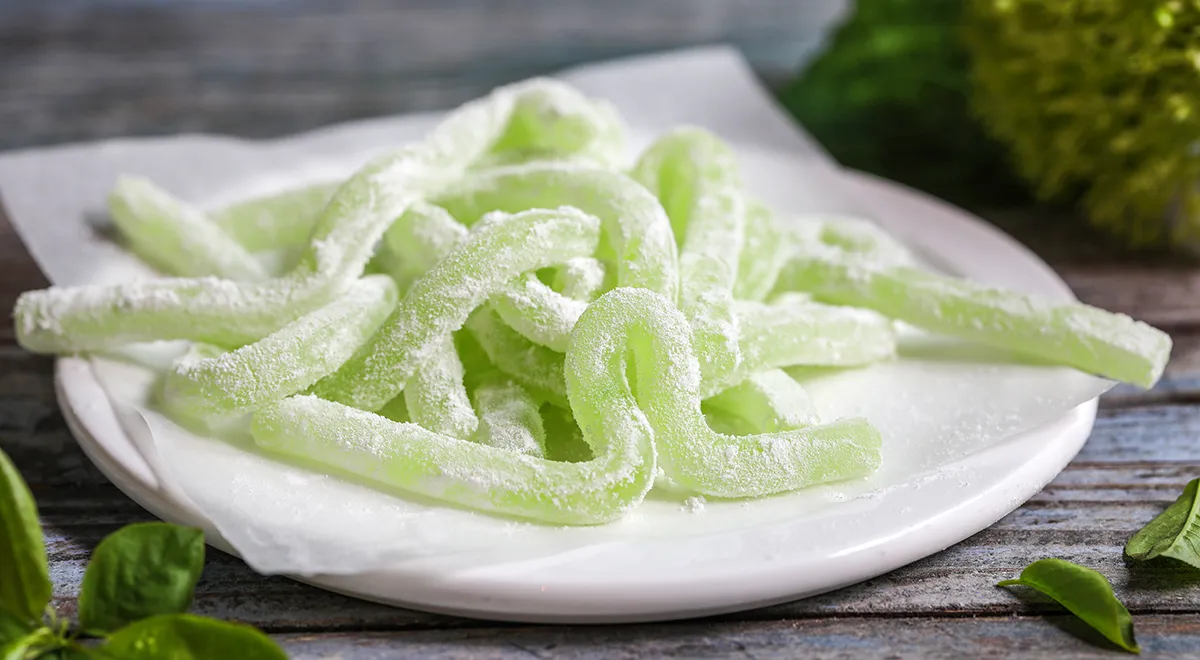
There is something utterly delightful about transforming simple ingredients into playful, nostalgic candy. These homemade gummy worms—known in Russian as marmaladnye chervyachki—bring the joy of chewy fruit jelly without artificial flavors or preservatives. Made with real apple juice and gelatin, this recipe delivers a bright, natural sweetness balanced with a hint of tartness from citric acid. Whether you are recreating childhood memories or surprising guests with a whimsical dessert, these vibrant gummy worms are a testament to how rewarding homemade confections can be. And for the very best results, using fresh-pressed juice from a quality wheatgrass juicer elevates the fruitiness to new heights.
About This Recipe
This classic Russian method for marmalade candies relies on a simple apple juice and sugar syrup set with gelatin. The technique—loading the liquid mixture into drinking straws to form long, wiggly shapes—is both clever and satisfying. The result is a bouncy, translucent candy that children and adults adore. For those who love precision in the kitchen, using a glass food processor to measure and blend ingredients can make the process even smoother. The recipe is also naturally adaptable to different fruit juices, so feel free to experiment with pear, grape, or cherry nectar.

Ingredients
- 200 ml apple juice (preferably clear and unfiltered)
- 200 g granulated sugar
- 20 g powdered gelatin (food-grade)
- A pinch of citric acid (about 1/8 teaspoon)
- Cornstarch (for dusting)
For consistent texture, ensure your gelatin is fresh. If you enjoy making your own fruit purees, a food processor designed for nut butter can also handle apple chunks effortlessly.
Step-by-Step Instructions
Step 1: Bloom the Gelatin
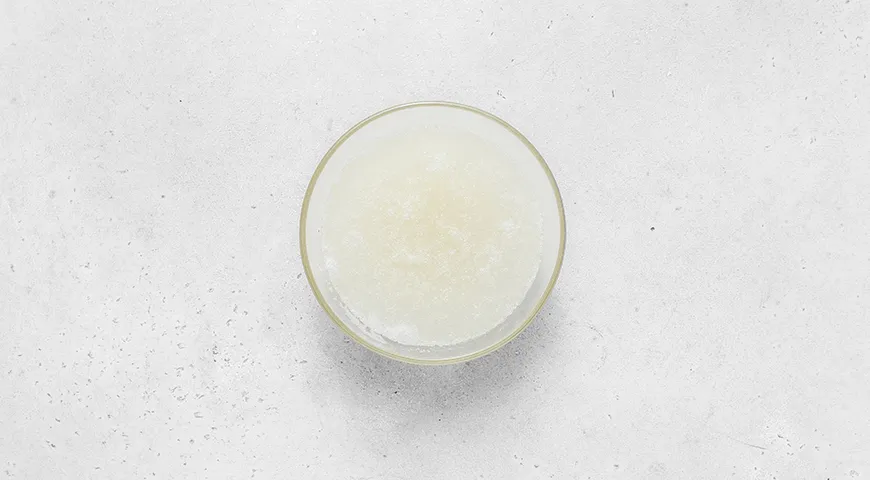
Place the powdered gelatin in a small bowl and pour over 100 ml of cold apple juice. Stir gently, then let it sit for 10–15 minutes until the granules absorb the liquid and swell. This step is crucial for a firm, even set. To ensure your gelatin blooms perfectly, maintain a consistent water temperature—a non-toxic immersion blender is not needed here, but having one on hand for other tasks is always wise.
Step 2: Make the Syrup
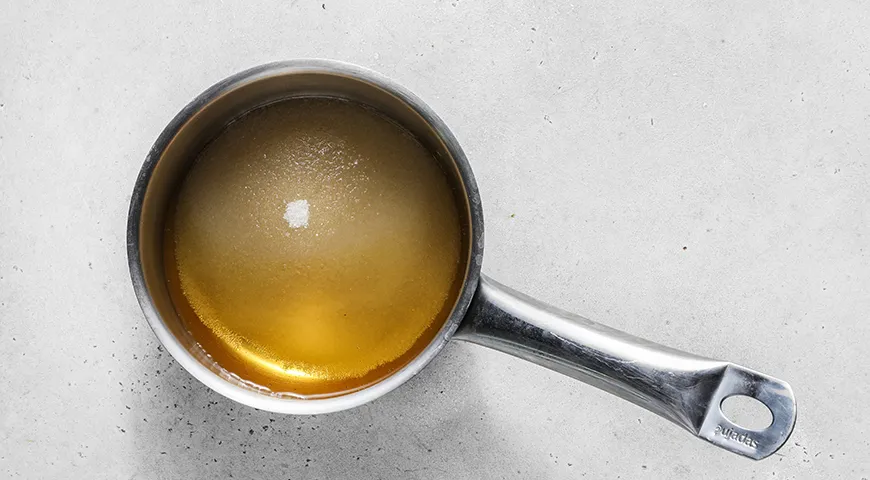
Pour the remaining 100 ml of apple juice into a small saucepan, add the sugar, and place over medium heat. Stir continuously until the sugar dissolves completely. Bring the mixture to a boil, then remove from heat immediately. Overboiling can cause the sugar to crystallize, so stay attentive. For controlled heating, a reliable microwave pressure cooker can also be used to achieve the same result in a fraction of the time.
Step 3: Add Citric Acid
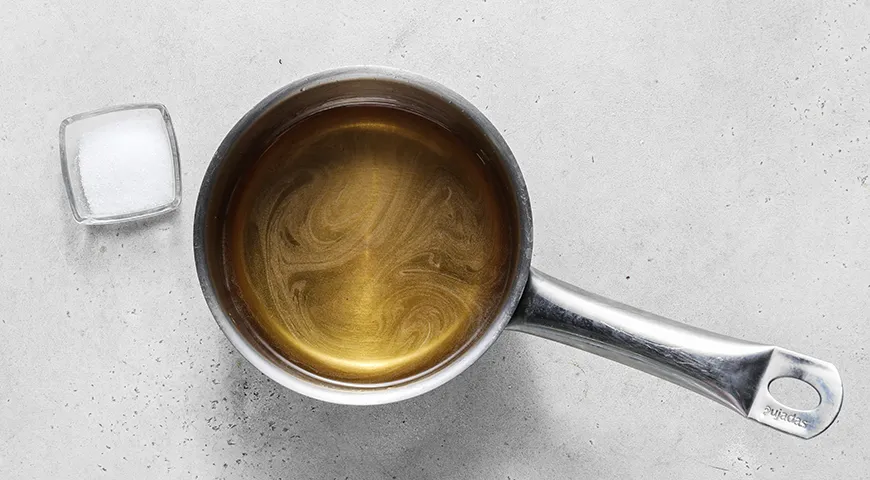
Stir in the citric acid while the syrup is still hot. This tiny addition provides a pleasant tang that balances the sweetness and acts as a natural flavor enhancer. Without it, apple gummies can taste flat. If you prefer a more pronounced tartness, increase the amount slightly. For other fruity accents, consider pairing with a sweet dessert wine for an adult twist.
Step 4: Combine Gelatin and Syrup
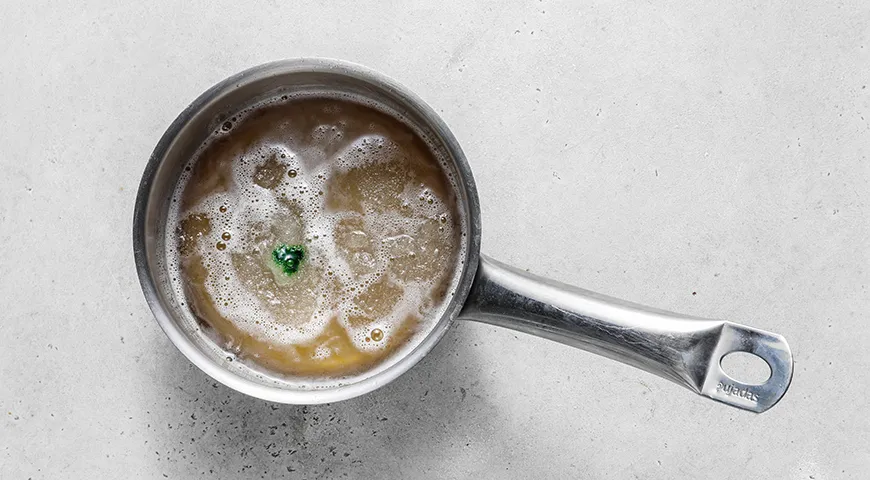
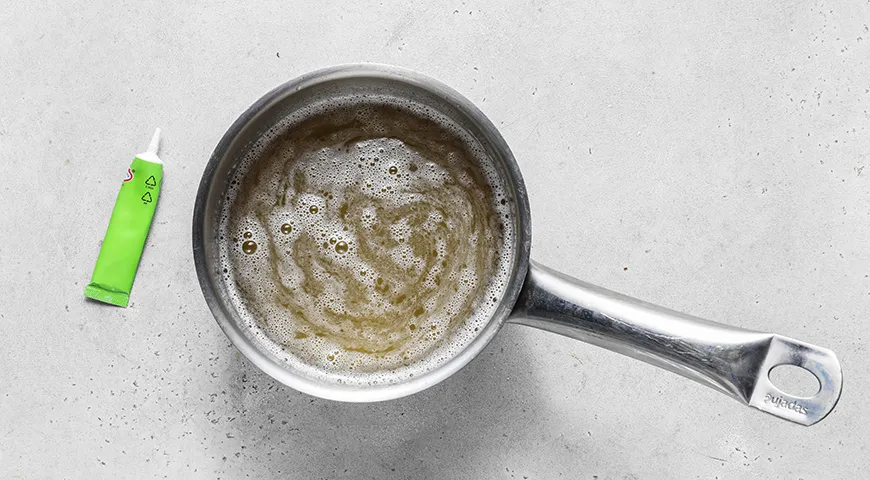
Transfer the bloomed gelatin into the hot syrup and whisk until fully dissolved. The mixture should be smooth and slightly syrupy. If you want colored gummy worms, add a few drops of food coloring at this stage and stir until evenly distributed. For even mixing, a planetary mixer can incorporate coloring without introducing air bubbles.
Step 5: Prepare the Straws
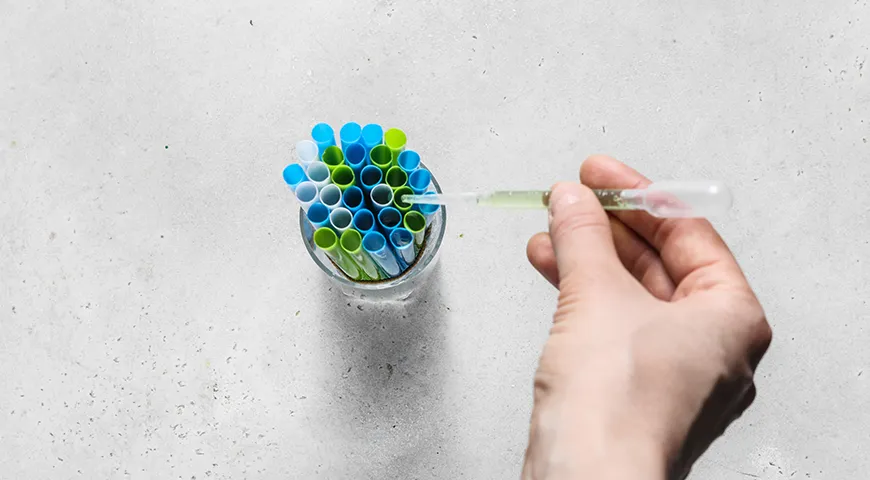
Stand plastic drinking straws vertically inside a tall glass, packing them tightly together so they do not tip over. Place a piece of plastic wrap underneath or set the glass on a level surface. This setup ensures the liquid stays inside the straws during pouring. For easy cleanup, an oil sprayer can lightly coat the straw interiors to prevent sticking if desired.
Step 6: Fill the Straws
Allow the gelatin mixture to cool to about 40–45°C—it should still be liquid but not hot enough to burn. Using a small pitcher or a syringe without a needle, carefully fill each straw to the top. This step requires patience; a quality espresso machine may not be relevant here, but its precision reminds us of the importance of steady hands.
Step 7: Chill and Set
Place the glass with the filled straws in the refrigerator for at least 5 hours, preferably overnight. The gummies should be firm and springy to the touch—when you gently press a straw, it should not dent. A consistent temperature is key; if your refrigerator struggles with even cooling, our 48-inch built-in refrigerator review can guide you toward models with superior climate control.
Step 8: Unmold the Worms
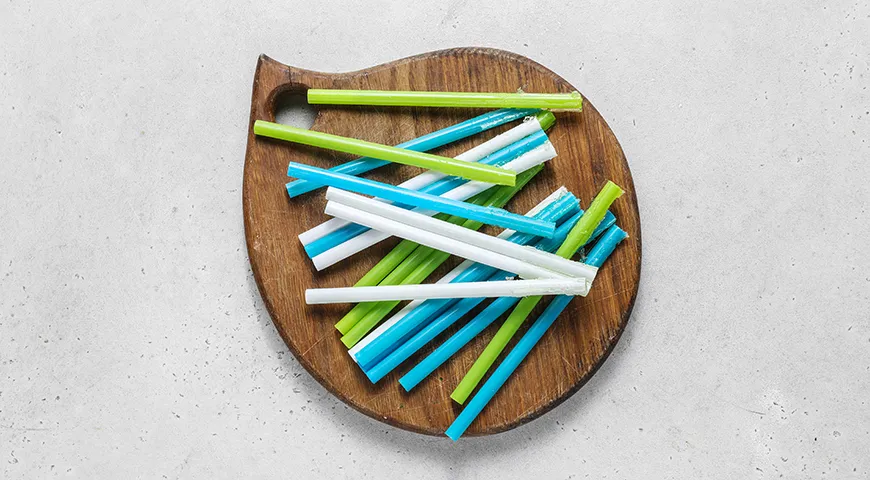
Remove the straws from the refrigerator. To extract the gummy worms, hold each straw in your hands for 1–2 minutes or dip briefly in hot water. Then gently squeeze from one end to push out the worm. If you plan to coat them, immediately transfer the worms to a bowl of cornstarch and toss gently. For an extra layer of flavor, dust with a touch of cocoa—similar to the indulgence of chocolate-covered raisins.
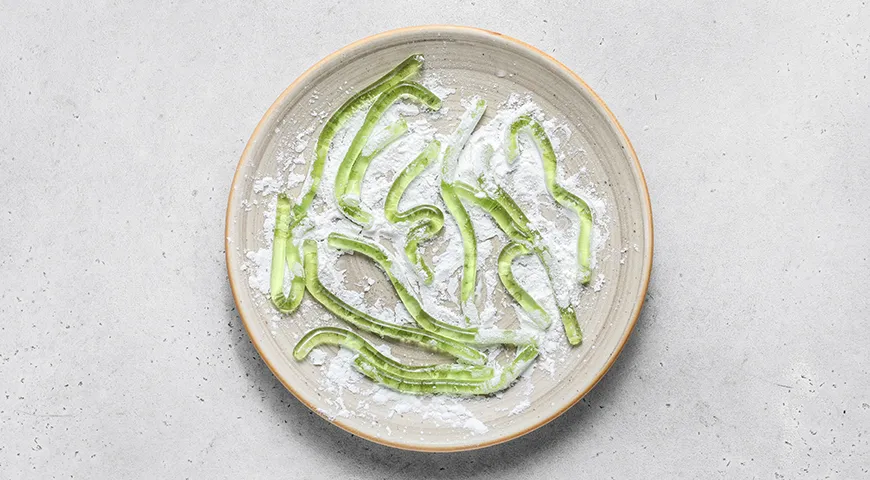
Step 9: Serve and Store
Arrange the gummy worms on a plate or in a paper cup. For storage, keep them in an airtight container in the refrigerator for up to 5–7 days, layered with cornstarch to prevent sticking. If you find yourself with extra apple juice, consider preserving it using a steam canner to use for future batches.
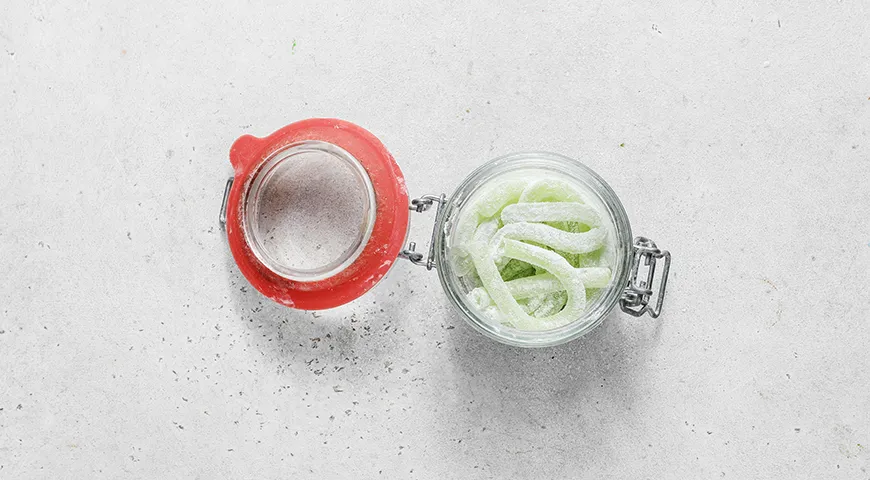
Tips for Perfect Gummy Worms
- Always use cold liquid when blooming gelatin to avoid lumps.
- If adding coloring, use gel-based dyes for more vibrant results.
- For a firmer bite, increase the gelatin by 2–3 grams.
- To avoid sticky hands, dust the finished worms liberally with cornstarch.
- A non-toxic air fryer can be used for a completely different treat—hollow gummy worms filled with chocolate—if you feel adventurous.
Variations
- Fruit juice swap: Replace apple juice with pear, peach, or even pomegranate juice for a new flavor profile.
- Alcoholic version: Add 1–2 tablespoons of flavored vodka (see our best organic vodka guide) to the cooled syrup for adult-only gummies.
- Layered worms: Pour different colored layers, allowing each to set partially before adding the next, for a rainbow effect.
- Citrus zing: Substitute citric acid with a squeeze of fresh lemon juice for a more natural tang.
Frequently Asked Questions
Can I use agar-agar instead of gelatin?
Yes, but the texture will be firmer and less chewy. Use about 10 g of agar powder for the same liquid volume, and boil the mixture for 2 minutes to activate it. For other plant-based alternatives, check our ingredient recommendations for natural gelling agents.
Why did my gummy worms turn out too soft?
This usually indicates insufficient gelatin or that the syrup was too hot when the gelatin was added, degrading its strength. Ensure you measure gelatin precisely and let the syrup cool below 60°C before combining. A precise coffee maker thermometer can help monitor temperatures.
How long do homemade gummy worms last?
Stored in an airtight container in the refrigerator, they remain fresh for up to one week. For longer storage, freeze them in a single layer and thaw in the refrigerator before serving.
Can I make this recipe without cornstarch?
Yes, you can omit the dusting. The worms will be slightly sticky but still enjoyable. Alternatively, use a light coating of powdered sugar mixed with a pinch of citric acid.
What other molds can I use besides straws?
Silicone candy molds shaped like worms, bears, or fruits work beautifully. Simply pour the mixture into molds and refrigerate. For even setting, place molds on a baking sheet inside a convection oven set to lowest heat with the fan off—just for gentle warming if needed.
Is it possible to scale this recipe up or down?
Absolutely. Maintain the ratio of 1 part juice to 1 part sugar by weight, and 10% gelatin relative to the juice weight. For small batches, a single-serve sponge cake recipe approach applies—scale proportionally.
Can I use honey instead of sugar?
Honey can replace sugar, but it will alter the flavor and set slightly differently. Reduce the liquid by 20% to account for honey's water content. For pairing ideas, explore our ice maker recommendations for chilled honey-infused gummy treats.







