


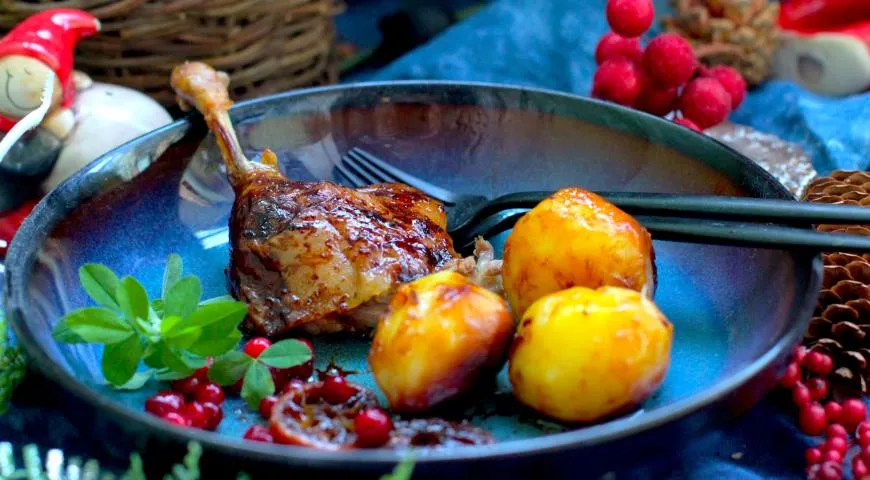
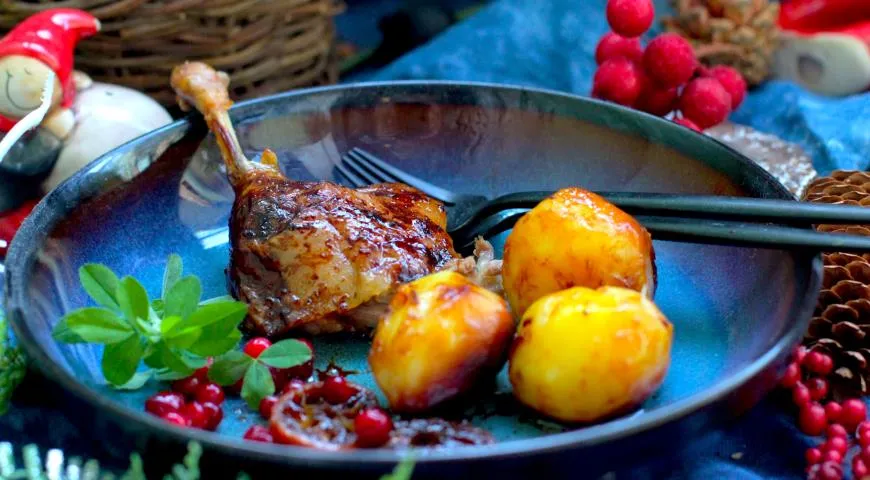
When winter settles in and the air grows crisp, there is no dish more fitting for a grand festive table than a beautifully lacquered duck glazed in citrus caramel. This recipe, rooted in the Russian gastronomic tradition, elevates the humble duck into a showstopping centerpiece with a glossy, bittersweet coating of clementines and Cointreau. The technique requires patience—an initial salt cure and a slow roast—but the reward is a bird with crackling skin and tender, flavorful meat. Whether you are hosting Christmas dinner, a birthday celebration, or a romantic evening, this duck promises to impress.
About the Dish
This is not a quick weeknight meal. The duck is generously rubbed with salt and left to rest in the refrigerator for one to two days, allowing the salt to penetrate deeply and season the meat while the skin begins to dry—a crucial step for achieving that coveted crispiness. A quick blanch in boiling water tightens the skin further, after which the duck roasts at a gentle 150–160°C for about three hours, basted repeatedly with a homemade citrus caramel and rendered fat. Finally, the temperature is cranked to 210°C for a few minutes to create a lacquered, almost candied exterior. The clementines that simmer in the glaze become a sweet-tart accompaniment, and small potatoes roasted alongside in the duck fat are an optional but irresistible addition.

Key Ingredients
The beauty of this recipe lies in its simplicity. You will need one whole duck (approximately 2–2.5 kg), coarse sea salt for the cure, fresh clementines (or mandarins), Cointreau (or another orange liqueur), sugar, and a touch of water or duck stock. For the blanching step, three liters of boiling water are required. If you choose to serve potatoes, opt for small, waxy varieties. For precision in measuring and mixing, a high-quality glass food processor or immersion blender can be helpful when preparing the caramel base, though a whisk and saucepan work perfectly well. (Learn about the best glass food processors).
Step-by-Step Instructions
Step 1: Salt the Duck
Generously rub the duck all over with coarse sea salt. Place it on a rack over a tray and refrigerate uncovered for 1–2 days. This dry-brine step seasons the meat deeply and helps the skin dry out, leading to superior crispness. Before proceeding, shake off any excess salt. If you own a reliable refrigerator, such as a 48-inch built-in refrigerator, it will maintain the ideal humidity for this curing process.
Step 2: Blanch for Extra Crisp Skin
Bring three liters of water to a rolling boil. Submerge the duck in the boiling water for about one minute—the skin will tighten and shrink, ensuring a thinner, crunchier finish after roasting. Remove the duck and pat it thoroughly dry with paper towels. A quality oil sprayer can be used later to mist the skin with a little neutral oil for even browning.
Step 3: Slow Roast with Citrus Caramel
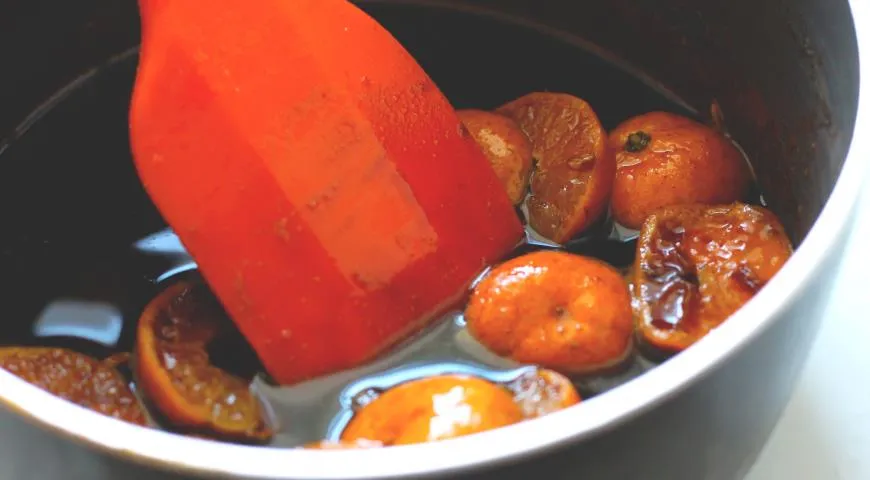
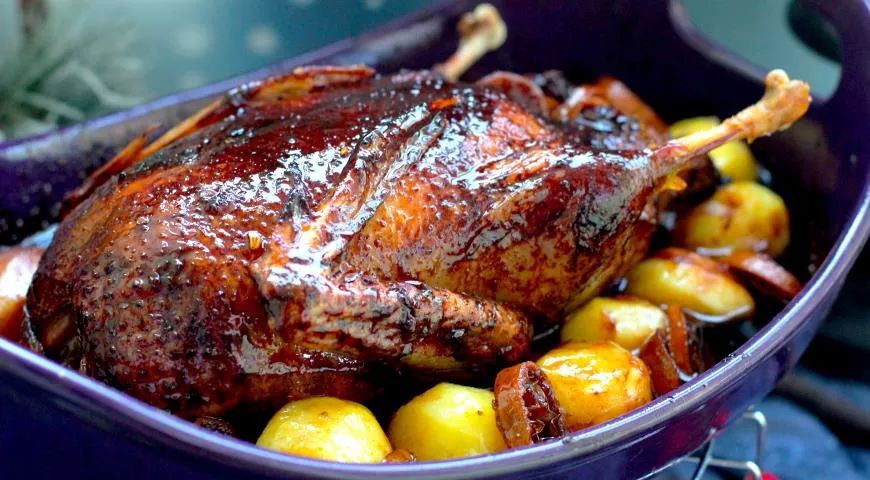
Preheat your oven to 150–160°C. Place the duck in a roasting pan. To protect the wing tips and drumsticks from burning, wrap them in foil papillotes. Make the citrus caramel by combining clementine juice (about 200 ml), 100 g of sugar, and 60 ml of Cointreau in a small saucepan. Simmer until slightly thickened. Roast the duck for approximately 3 hours, turning it every 30 minutes and basting with the caramel and the rendered fat. A commercial countertop convection oven can circulate heat evenly, though a standard oven works beautifully.

Step 4: Lacquer the Skin
Once the duck is fully cooked (internal temperature of 74°C in the thigh), remove the foil papillotes. Increase the oven temperature to 210°C. Brush the duck generously with the remaining citrus caramel and roast for an additional 5–10 minutes, watching closely, until the skin becomes glossy and deep mahogany. If you have a non-toxic air fryer, you could finish the duck in it at 200°C for a few minutes to enhance crispness (find the best non-toxic air fryer). Serve immediately with the clementine halves that have been cooked in the caramel glaze.
Tips for Perfect Duck
Patience is key. Do not skip the overnight salting—it makes a world of difference. For an even more intense citrus flavor, stuff the duck cavity with clementine quarters and a sprig of rosemary before roasting. Use a refrigerant leak detector to ensure your refrigerator is functioning optimally during the curing period, as temperature fluctuations can affect the result. Baste often; the caramel sugars can burn if left untouched, so keep a watchful eye. If you prefer a less sweet glaze, reduce the sugar by a third.
Variations
This recipe is versatile. Swap clementines for blood oranges or tangerines for a different citrus profile. For an alcohol-free version, replace Cointreau with orange juice concentrate and a splash of vanilla extract. Adding star anise or a cinnamon stick to the caramel introduces warm spice notes. Serve with a side of roasted baby potatoes cooked in the duck fat—simply parboil the potatoes and add them to the roasting pan during the last 30 minutes. A microwave pressure cooker can speed up the potato parboiling. For a festive touch, garnish with pomegranate seeds and fresh mint.
FAQ
Can I prepare this duck in advance?
Yes. The salt-cured duck can be refrigerated for up to two days. You can also roast it completely, then reheat in a hot oven (200°C) for 10–15 minutes to re-crisp the skin. Use a wall oven microwave combo with air fryer for efficient reheating.
What if I cannot find clementines?
Any small, sweet citrus like mandarins or satsumas works. For a tarter note, use blood oranges. The recipe also pairs beautifully with slices of Cara Cara oranges.
How do I prevent the caramel from burning?
Keep the caramel at a gentle simmer, and when basting, avoid letting it drip into the direct flame or heating element. Cover the duck loosely with foil if the skin darkens too quickly during the low-temperature stage.
Can I use a different liqueur?
Absolutely. Grand Marnier, triple sec, or even a dark rum will add depth. For a non-alcoholic glaze, substitute with orange juice and a teaspoon of orange blossom water.
What is the best way to carve the duck?
Let the duck rest for 10 minutes after roasting. Use a sharp chef’s knife to separate the legs and breasts. For clean slices, remove the breast meat whole and slice against the grain. A good planetary mixer is not needed here, but a sturdy cutting board is essential.
Is this recipe suitable for beginners?
While it requires time and attention, the steps are straightforward. The salt cure and basting are forgiving. If you own a non-toxic immersion blender, you can easily emulsify any leftover caramel into a sauce.
Can I use a duck that is not whole?
Yes, duck legs or breasts can be substituted. Reduce the cooking time by about half, and adjust the basting accordingly. The caramel works wonderfully on duck confit as well.
This duck in citrus caramel is more than a recipe—it is an experience. The play of sweet, sour, and savory, the crackle of the skin, the aromatic fragrance of Cointreau and clementines—all come together to create a dish that embodies celebration. Serve it with a crisp white wine or a slightly sweet Riesling, and watch your guests marvel. For further inspiration, explore a classic Catalan sponge cake at Walfos or consider pairing with a high-alcohol sweet wine (best sweet wines). And if you love eggs, don’t miss this recipe for total bowel release (a misnomer—possibly a gut-health recipe).







