


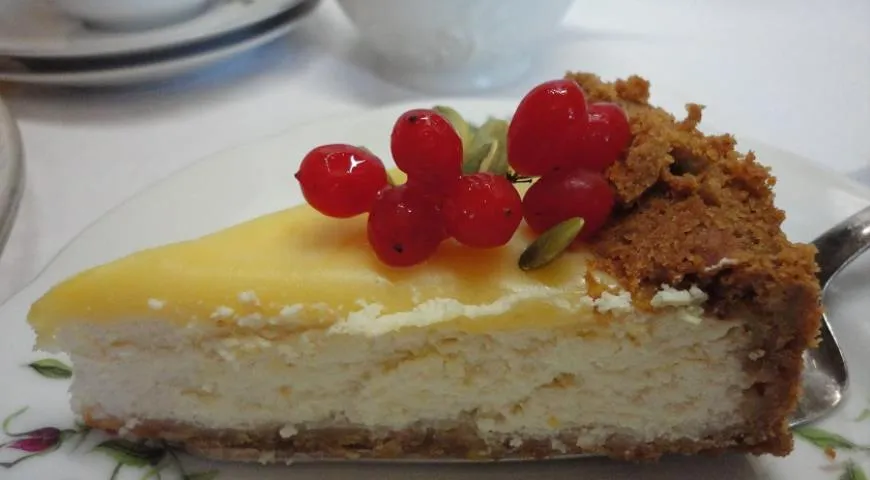
Imagine a cheesecake so ethereally light it practically floats off your fork, crowned with a sun-bright lemon curd that shimmers like liquid gold. This is not just another baked cheesecake—it is a symphony of textures and tastes, where the buttery, crumbly base meets a silky smooth cream cheese filling, and a luscious, tart-sweet lemon cream takes center stage. Hailing from the rich tradition of Russian home baking, this lemon cream cheesecake is a masterpiece of balance: rich yet bright, creamy yet zesty. Whether you are a seasoned pastry chef or an enthusiastic home baker, our step-by-step guide will ensure a flawless result every time.
About This Recipe
This lemon cream cheesecake is a delightful evolution of the classic New York style, but with a distinctly European touch. The base is made from simple shortbread cookies and butter, pressed into the pan to create a sturdy, buttery crust. The filling relies on fresh curd (or cream cheese) mixed with lemon zest and sugar, then gently baked until just set. What truly sets this recipe apart is the homemade lemon cream—a silky, tangy curd that is cooked on a water bath until thick enough to coat a spoon. This layer is then chilled until firm, creating a stunning contrast of textures. The final, almost accidental crumble border—achieved by running a knife around the edge before unmolding—adds rustic charm and a touch of whimsy. A simple garnish of fresh berries completes the picture.

Ingredients
- For the crust: 200 g shortbread cookies (or graham crackers), 80 g unsalted butter, softened to room temperature
- For the filling: 500 g cream cheese (or full-fat quark/curd), zest of 1 large lemon, 100 g granulated sugar, 1 large egg
- For the lemon cream: 50 g unsalted butter, 100 g granulated sugar, zest of 1 lemon, 60 ml fresh lemon juice (from about 1–2 lemons), 1 large egg
- For decoration (optional): Fresh berries (raspberries, blueberries, or blackberries)
Using a quality immersion blender to crush the cookies makes a perfectly even crumb. For the filling, a stand or hand mixer ensures a smooth, lump-free mixture.
Step-by-Step Instructions
-
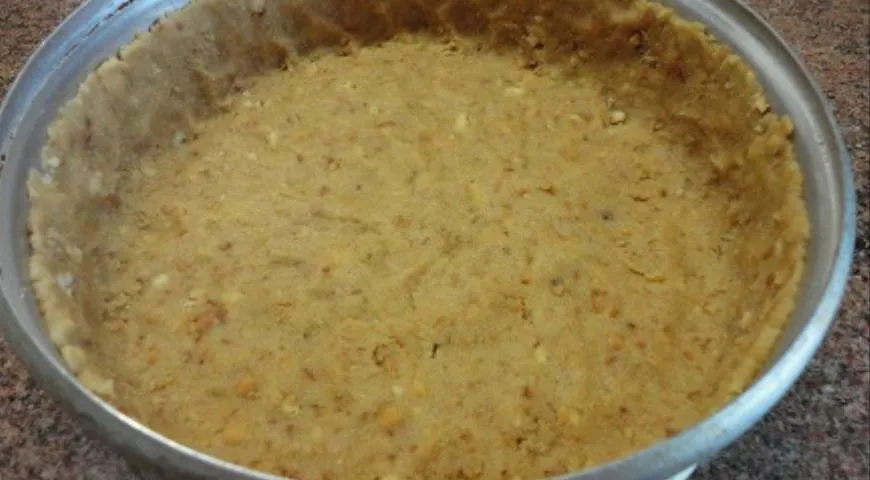
Prepare the crust. Crush the cookies in a food processor or blender until you have fine crumbs. Add the softened butter and blend until the mixture holds together when pinched. Press the crumb mixture firmly into the bottom and up the sides of a 22–23 cm springform pan. Use your fingers or a flat-bottomed cup to compact it evenly. Refrigerate for 30 minutes.
-
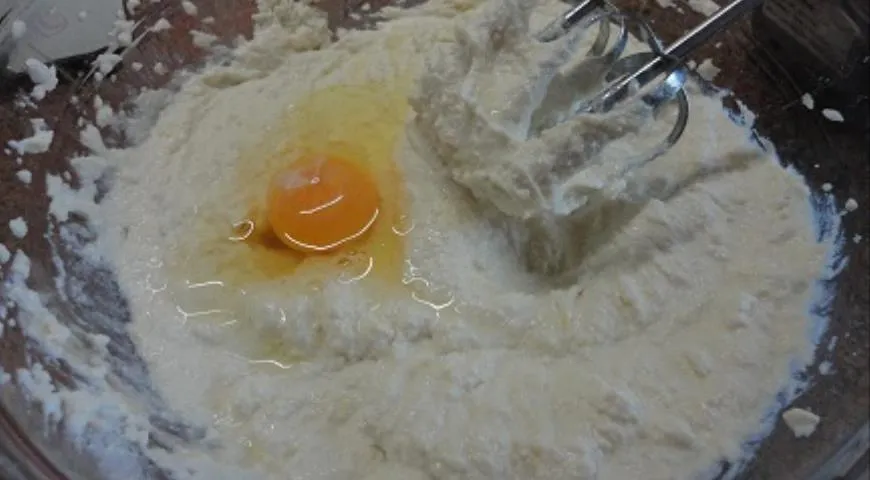
Make the filling. In a large mixing bowl, beat the cream cheese with lemon zest and sugar until light and fluffy. Add the egg and continue beating until fully incorporated. Do not overmix.
-
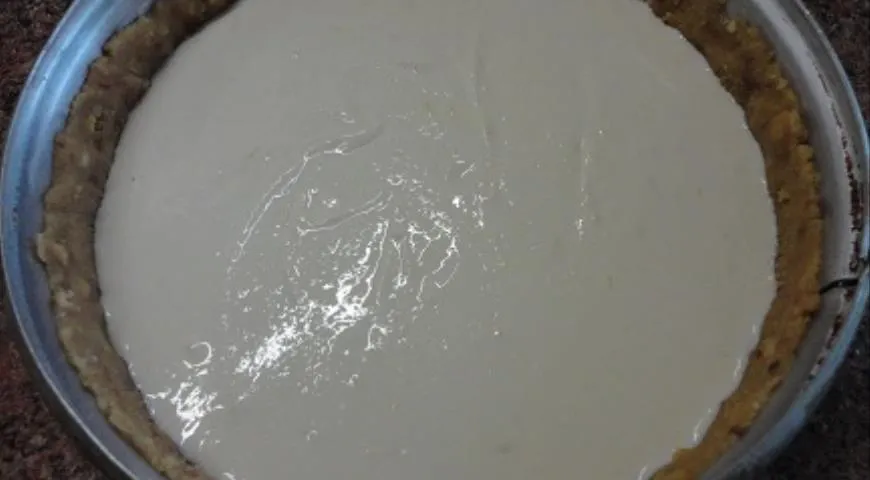
Assemble and bake. Pour the filling gently over the chilled crust. Place the pan in a preheated oven at 160°C (320°F) and bake for about 1 hour, or until the edges are set but the center still jiggles slightly. Turn off the oven, crack the door open, and let the cheesecake cool completely inside. This gradual cooling prevents cracking.
-
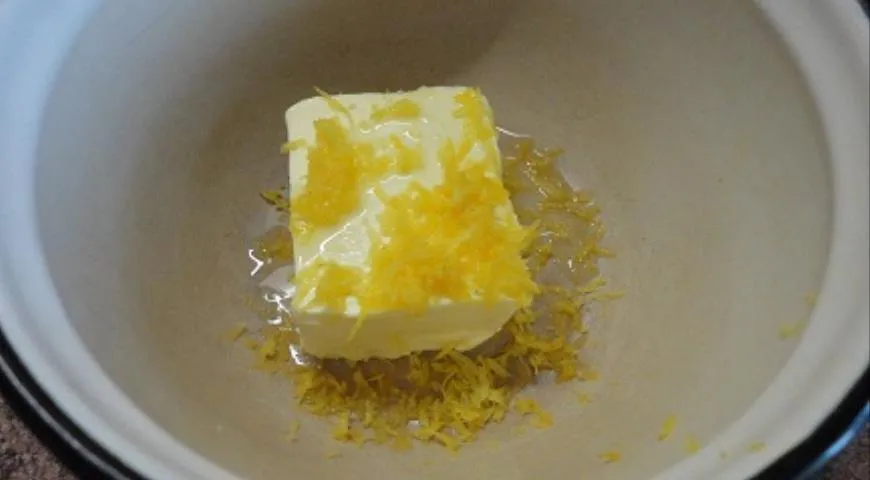
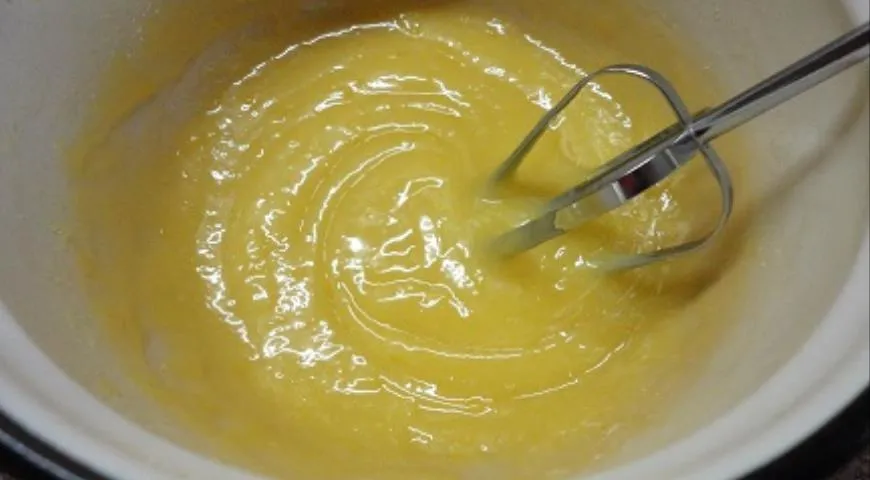
Prepare the lemon cream. In a small saucepan, combine butter, sugar, lemon zest, and lemon juice. Add the egg and whisk well to combine. Place the saucepan over a pot of simmering water (double boiler) and cook, stirring constantly, for about 20 minutes, or until the mixture thickens and coats the back of a spoon. Remove from heat, cover, and cool to room temperature.
-
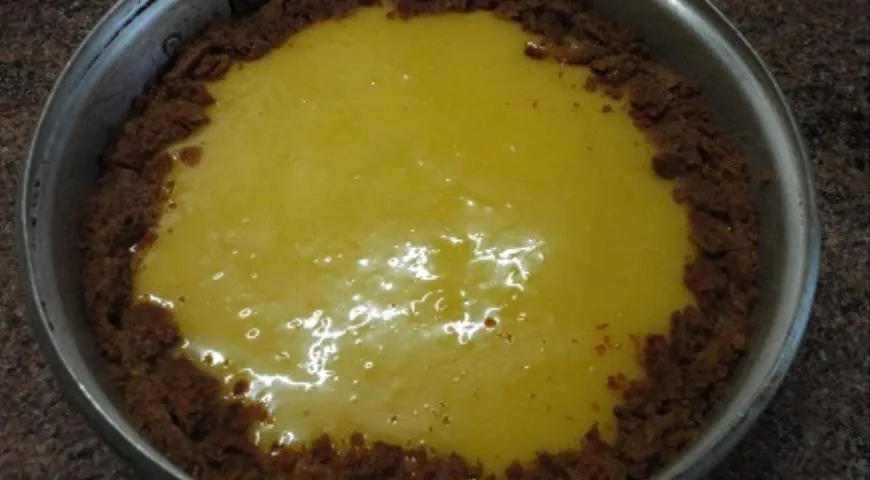
Top the cheesecake. Once both the cheesecake and lemon cream are at room temperature, spread the lemon cream evenly over the top of the cheesecake. Refrigerate for at least 3 hours, ideally overnight, to set.
-
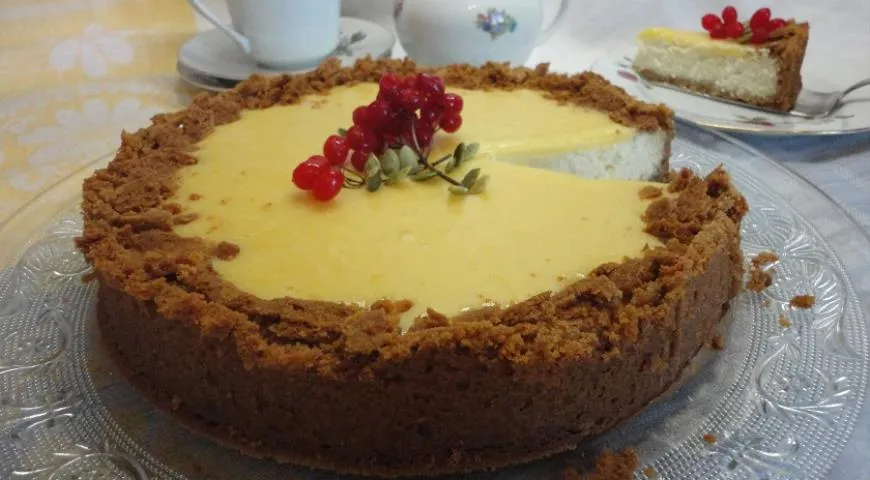
Unmold and garnish. After chilling, run a thin knife around the inside of the springform pan to loosen the sides. The crumbs will fall and create a beautiful rustic border. Release the clasp and carefully remove the ring. Garnish with fresh berries if desired.
-
Serve. Slice with a sharp, wet knife for clean edges. This stunning cheesecake needs no elaborate decoration—just a sprig of mint or a handful of berries.
Tips for Perfect Results
- Room temperature ingredients: Ensure the butter and cream cheese are at room temperature before mixing. This prevents lumps and creates a silky filling.
- Water bath alternative: While the lemon cream is cooked on the stovetop, you can also bake the cheesecake in a water bath if you prefer an extra-creamy texture. Wrap the pan tightly in foil and submerge in hot water halfway up the sides.
- Chill overnight: For the best flavor and texture, chill the finished cheesecake for at least 6 hours or overnight. This allows the lemon cream to set properly and the crust to firm up.
- Avoid overbaking: The cheesecake is done when the edges are set but the center still has a slight wobble. It will continue cooking from residual heat as it cools in the oven.
- Use fresh lemons: For the brightest flavor, always use fresh lemon zest and juice. Bottled juice will not give the same vibrant taste.
Variations
This lemon cream cheesecake is endlessly adaptable. Swap the shortbread crust for a gluten-free oat and almond base. For a tropical twist, replace the lemon cream with lime or passion fruit curd. You can also add a layer of raspberry jam between the crust and filling for extra fruitiness. For a more decadent version, fold 100 g of white chocolate chips into the filling before baking.
Frequently Asked Questions
Can I use store-bought lemon curd instead of making the lemon cream?
Yes, but homemade is far superior in flavor and texture. If you must use store-bought, choose a high-quality, thick variety. However, the slow-cooked homemade version has a depth that cannot be replicated.
What is the best type of cheese for this cheesecake?
Full-fat cream cheese (such as Philadelphia) gives the richest, creamiest texture. In Russian cuisine, tvorog (fresh curd) is often used; if you can find it, press it through a sieve first for a smooth consistency. For a lighter version, use Neufchâtel but note that the texture will be slightly less decadent.
Why did my cheesecake crack?
Cracks usually occur from overbaking or rapid temperature changes. Always cool the cheesecake slowly in the turned-off oven with the door cracked open. Placing a pan of water in the oven during baking also helps maintain humidity.
Can I freeze this cheesecake?
Absolutely. Freeze the cheesecake (without berries) after it has set completely. Wrap it tightly in plastic wrap and then foil. Thaw overnight in the refrigerator. The lemon cream remains luscious after thawing.
How do I get a clean slice?
Use a long, sharp knife dipped in hot water and wiped dry between each cut. This ensures smooth, picture-perfect slices. For the best appearance, let the cheesecake sit at room temperature for 10 minutes before slicing.
Can I make this dairy-free?
Yes. Substitute the butter with vegan butter, the cream cheese with a high-quality vegan cream cheese (look for one with a similar fat content), and use a flax egg (1 tablespoon ground flaxseed + 3 tablespoons water). The lemon cream can be made with vegan butter and a plant‑based milk powder thickener, but the texture will be slightly different.
This lemon cream cheesecake is more than just a dessert; it is a celebration of patience and simple, high-quality ingredients. With its perfectly balanced sweetness and tang, it will become a staple in your repertoire. Serve it at a dinner party, a holiday gathering, or simply as a weekend treat. The combination of buttery crust, creamy filling, and glossy lemon cream is simply irresistible. For more inspiration, explore our Catalan sponge cake recipe or steam canner reviews to preserve summer fruits for future cheesecakes. And if you love zesty desserts, don’t miss our organic vodka spiked lemon sorbet—a perfect pairing.
Remember, the best coffee or a glass of sweet wine makes an excellent accompaniment. For those who enjoy cooking with precision, consider a high-end espresso machine for a post-dessert pick-me-up. And if you’re looking to upgrade your kitchen tools, check out our reviews of ice makers and built-in refrigerators to keep your cheesecake perfectly chilled.
We hope you enjoy making and devouring this stunning lemon cream cheesecake. Happy baking!







