


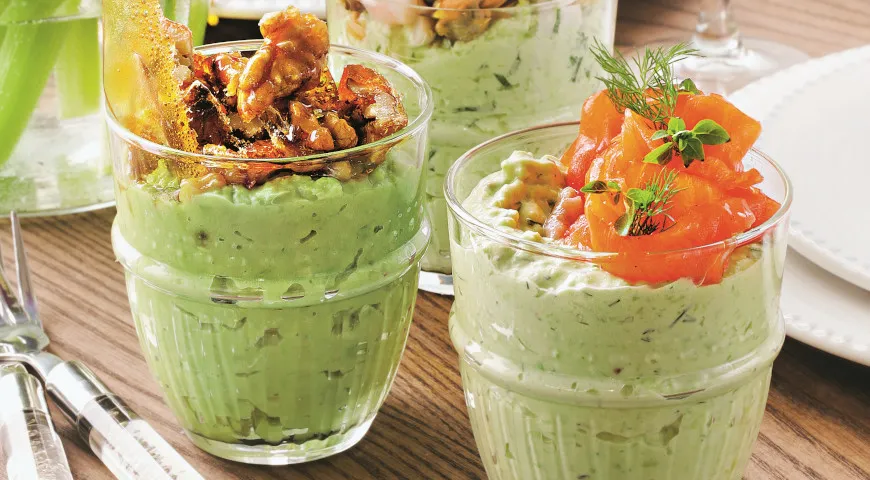
Imagine a dish that captures the essence of coastal luxury—a silken avocado mousse, its verdant creaminess punctuated by the briny whisper of cured fish. This Russian-inspired marvel merges the velvety richness of ripe avocados with tangy yogurt and a kiss of lime, then crowns it all with delicate slices of salted salmon or trout. It is a study in contrasts: cool and warm, smooth and flaky, tangy and umami. Whether you are hosting an elegant brunch or seeking a sublime appetizer, this recipe elevates simple ingredients into a culinary tour de force. Every spoonful is a revelation of texture and flavor, proving that sophistication often lies in the most unassuming pairings. The secret lies in the quality of your components—a lesson any home chef can master with the right tools and a touch of patience.
About This Dish
Avocado mousse with salted fish is a contemporary take on classic Russian zakuski—those cold appetizers that set the tone for lavish meals. Its roots trace back to the Soviet-era love for combining fresh produce with preserved fish, but modern interpretations have transformed it into a canvas for culinary artistry. The avocado brings a buttery smoothness that perfectly balances the saltiness of the fish, while yogurt and lime cut through the richness with bright acidity. This dish is not only visually stunning—layered in glass to showcase its emerald and coral stripes—but also deeply satisfying. It is a testament to how global ingredients can harmonize into something uniquely elegant, perfect for celebrations or quiet evenings when you crave something extraordinary. The interplay of textures will have your guests guessing the star ingredient, only to smile when you reveal the humble avocado.

Ingredients
- 2 ripe avocados
- 200 g natural yogurt (full-fat for best creaminess)
- 2 tablespoons fresh lime juice
- 120 g sour cream
- 1 tablespoon lemon juice
- 150–200 g salted fish (salmon, trout, or herring), thinly sliced
- Fresh herbs (dill, chives, or microgreens) for garnish
Select avocados that yield gently to pressure—neither rock-hard nor mushy. The yogurt should be thick and unsweetened; Greek-style works wonderfully. For the fish, gravlax or cold-smoked salmon offers the perfect saltiness. A squeeze of lemon juice brightens the final mixture, rounding out the flavors.
Step-by-Step Instructions
Step 1: Prepare the Avocados
Cut the avocados in half lengthwise, twisting gently to separate. Remove the pit with a knife tap or a spoon. Using a tablespoon, scoop out the flesh into a blender or high-performance food processor. Discard the skins. The vibrant green color is your promise of freshness.
Step 2: Blend the Base
Add the natural yogurt and lime juice to the avocado in the blender. Process until completely smooth, stopping to scrape down sides if needed. The mixture should be luscious and thick—a non-toxic immersion blender also works if you prefer direct blending in a tall container. Taste and adjust lime for brightness; the mousse should be tangy but not puckering.
Step 3: Incorporate Sour Cream
Transfer the avocado purée to a mixing bowl. Gently fold in the sour cream and lemon juice using a spatula. Do not overmix—you want a homogenous, airy texture. The sour cream adds a subtle tang that complements the fish. This step can be done by hand for better control, ensuring a planetary mixer is unnecessary here.
Step 4: Assemble the Mousse
Divide the mousse among four to six glass serving bowls or small glasses. Smooth the tops with the back of a spoon. The glasses should be clear to show off the beautiful layers—a detail that elevates presentation. Chill the mousse for at least 30 minutes to firm up.
Step 5: Add the Fish and Garnish
Slice the salted fish into thin ribbons using a sharp knife. Arrange the slices artfully over the chilled mousse, overlapping slightly for visual appeal. Finish with a scattering of fresh herbs—dill or chives work particularly well. For a final flourish, drizzle a few drops of oil sprayer with extra-virgin olive oil over the top.
Tips for Perfect Mousse
- Use avocados that are perfectly ripe—they should yield to gentle pressure but not feel mushy. Overripe avocados can make the mousse bitter.
- For a dairy-free version, substitute coconut yogurt and omit the sour cream—though the texture will be slightly different. A microwave pressure cooker can quickly steam coconut cream if you want a richer consistency.
- Chill the mousse well before serving; the cold temperature enhances the contrast with the room-temperature fish.
- If you prefer a lighter texture, gently fold in a whipped egg white (pasteurized) before chilling for a mousselike volume.
- Pair with a crisp white wine or a sweet wine with high alcohol content for a surprising flavor bridge.
- For a smoky twist, use hot-smoked fish instead of cold-cured—the aroma will add depth.
Variations
The beauty of this recipe lies in its adaptability. Replace the salted fish with smoked eel or even roasted beet slices for a vegetarian option. Add a pinch of cayenne pepper or smoked paprika into the mousse for heat. For a luxurious brunch, serve the mousse on toasted brioche squares or as a dip alongside crisp cucumber chips. Want a more filling course? Top with a poached egg—the yolk adds richness that mirrors the mousse. You can also experiment with different citrus: grapefruit juice gives a tangy bitter edge. If you own a wheatgrass juicer, try juicing fresh herbs to swirl into the mousse for an earthy note.
Frequently Asked Questions
Can I make avocado mousse ahead of time?
Yes, but avocado oxidizes quickly. To prevent browning, press plastic wrap directly onto the surface of the mousse before refrigerating. Alternatively, squeeze extra lime juice on top—the acidity slows discoloration. The mousse is best enjoyed within 24 hours.
What type of salted fish works best?
Cold-smoked salmon, gravlax, or even traditional Russian solyanka-style herring are excellent choices. Look for fish that is moist but not overly oily; the salt content should complement, not overpower. For a milder taste, rinse the fish under cold water before slicing.
Can I use a food processor instead of a blender?
Absolutely. A food processor will yield a slightly chunkier texture if you pulse lightly, but for a smooth mousse let it run until velvety. The wide bowl makes scraping easy.
How do I know if my avocado is ripe enough?
Gently press the stem end—if it yields slightly, it is ready. Avoid avocados with soft spots or dark blemishes. If you need to ripen quickly, place them in a paper bag with a banana overnight. For immediate use, a non-toxic air fryer can soften avocados at low heat, though it may alter texture slightly.
Can I freeze avocado mousse?
Freezing is not recommended—avocado mousse becomes watery and grainy upon thawing. However, you can freeze the avocado purée (without sour cream or fish) for up to two months. Thaw in the fridge overnight and then fold in sour cream fresh.
What can I serve with this mousse?
Crisp crostini, rye crackers, or baby gem lettuce leaves are excellent vessels. For a heartier meal, pair with a Catalan sponge for a sweet-savory contrast. A sprinkle of flaky sea salt and pink peppercorns elevates the presentation.
Is there a non-dairy alternative for sour cream?
Yes—use cashew cream (soaked cashews blended with water and lemon juice) or a store-bought vegan sour cream. The flavor will shift slightly but remains delightful. For a tangy boost, add a teaspoon of apple cider vinegar.
Conclusion
Avocado mousse with salted fish is more than a recipe—it is a gateway to effortless elegance. The contrast of creamy, tangy, briny, and fresh creates a symphony on the palate that lingers long after the last bite. Whether you are following the traditional steps or exploring variations, this dish rewards attention to ingredient quality. For the home cook seeking consistency, investing in reliable tools like an espresso machine (for post-meal coffee) or a built-in refrigerator to store your fresh herbs can elevate your kitchen game. But above all, this dish reminds us that true luxury often comes from humble origins—simply two avocados, a splash of lime, and the sea’s bounty, transformed by your hands into art. Serve it at your next gathering and watch it disappear, leaving guests asking for the recipe. Your culinary repertoire will never be the same.
Internal Links
For more inspiration, explore these related resources: best undercounter ice maker, commercial countertop convection oven, steam canner for preserving, chocolate covered raisins, and George Howell coffee to complete your gourmet experience.







