


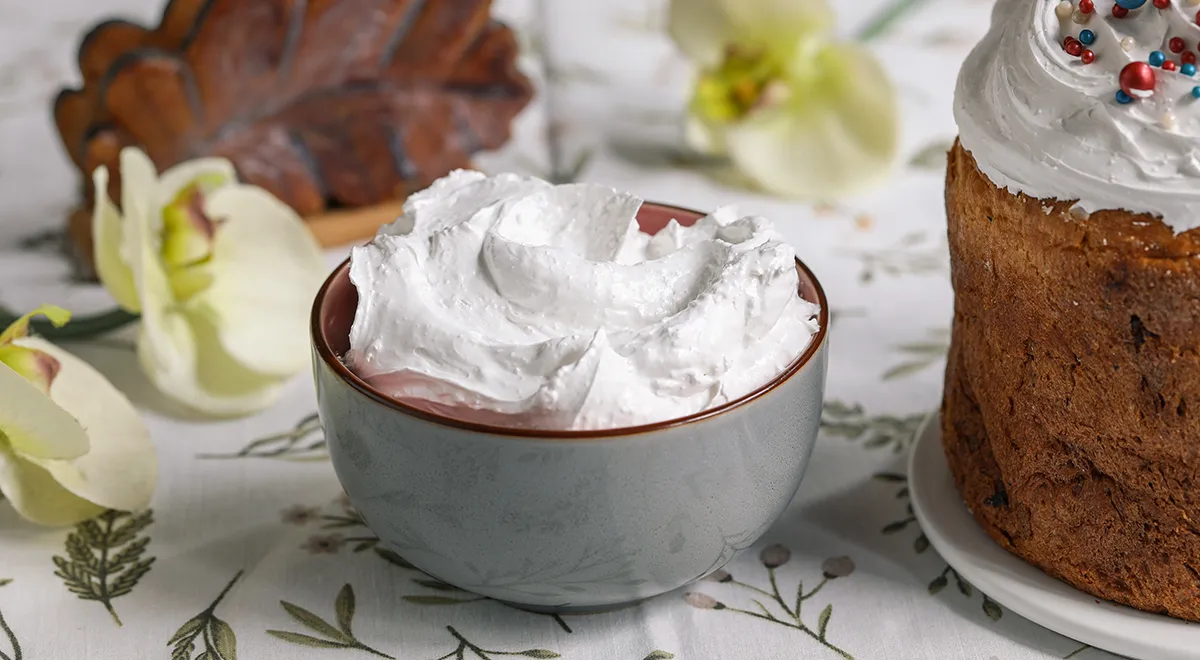
White custard glaze, known in Russian as belaya zavarnaya glazur, is the crowning glory of Easter kulich and countless other pastries. This uncooked meringue-style icing sets to a brilliant white sheen, never cracks, never runs, and provides a flawless canvas for sprinkles, nuts, or chocolate. The secret? A gentle water bath to dissolve the sugar, a whip of lemon juice for stability, and a few culinary tricks that transform three simple ingredients into a confectioner’s dream. Whether you are preparing classic Russian Easter bread or fancy cupcakes, this glaze delivers a crisp, creamy bite that stays beautiful for days.
About White Custard Glaze
In the world of baking, glazes range from translucent shines to thick buttercreams. White custard glaze occupies a unique niche: it is a hot-water-bath meringue that combines raw egg whites with sugar, gently heated to dissolve the crystals without cooking the egg. The result is a stable, glossy icing that holds its shape yet remains tender. Russian bakers have perfected this technique for Easter kulich, where the glaze must survive handling and stay intact until the last slice. Because it contains no fat, it dries to a matte pearl finish that lifts any pastry from homemade to haute.

Ingredients
For this impeccable white custard glaze you need only four ingredients, all measured with precision:
- 100 g egg whites (from about 3 large eggs)
- 190 g granulated sugar
- 10 g vanilla sugar (or 1 tsp vanilla extract)
- A pinch of citric acid (or ¼ tsp lemon juice)
Choose fresh, organic eggs for the best flavor and stability. The citric acid is non-negotiable: it strengthens the protein network and prevents weeping. If you substitute lemon juice, adjust with a tiny extra pinch of sugar. For mixing, use a best glass mixing bowl—metal can react with the acid, while glass ensures a clean flavor and easy cleaning.
Step-by-Step Instructions
-
Separate the eggs carefully. Crack the eggs and separate the whites from the yolks, making sure no yolk or grease enters the whites. Any fat will prevent the whites from whipping. Place the whites in a heatproof, impeccably clean bowl.

-
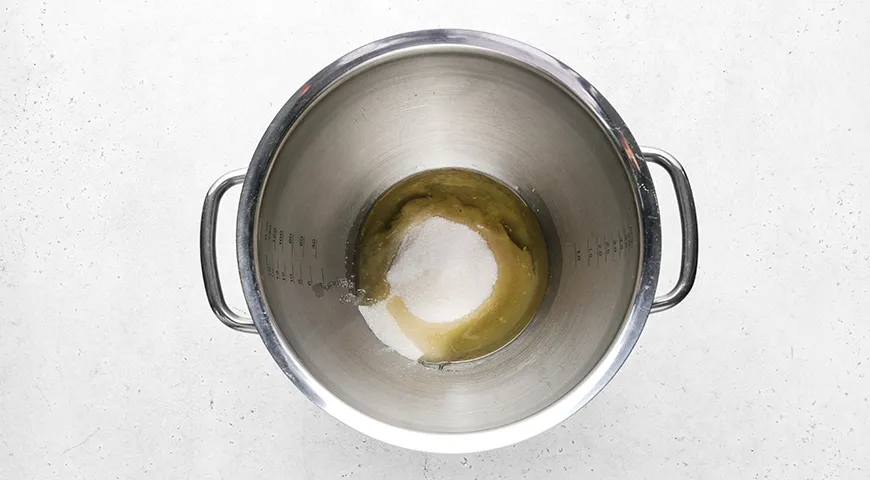
Combine whites and sugars. Add the granulated sugar and vanilla sugar to the whites. Set the bowl over a saucepan of simmering water (a bain-marie), ensuring the bowl does not touch the water.
-
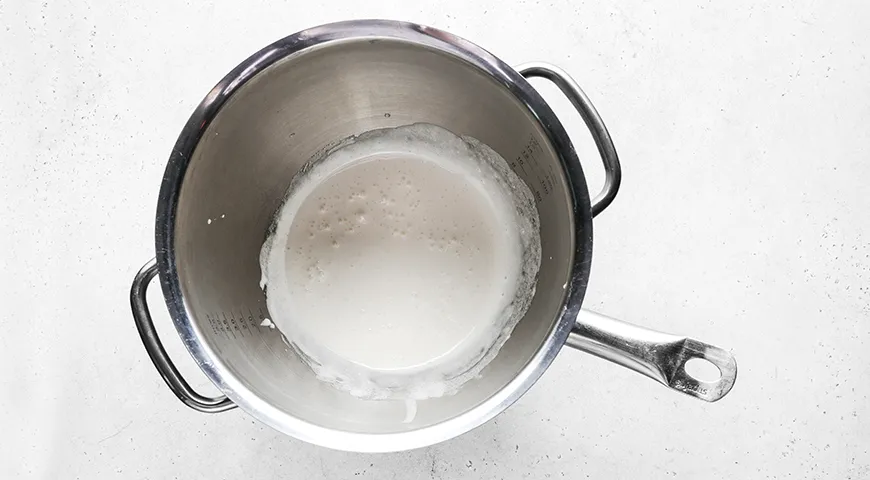
Heat while stirring. Stir constantly with a clean whisk until the sugar completely dissolves. Do not let any water splash into the whites. Remove from heat as soon as no sugar crystals remain.
-
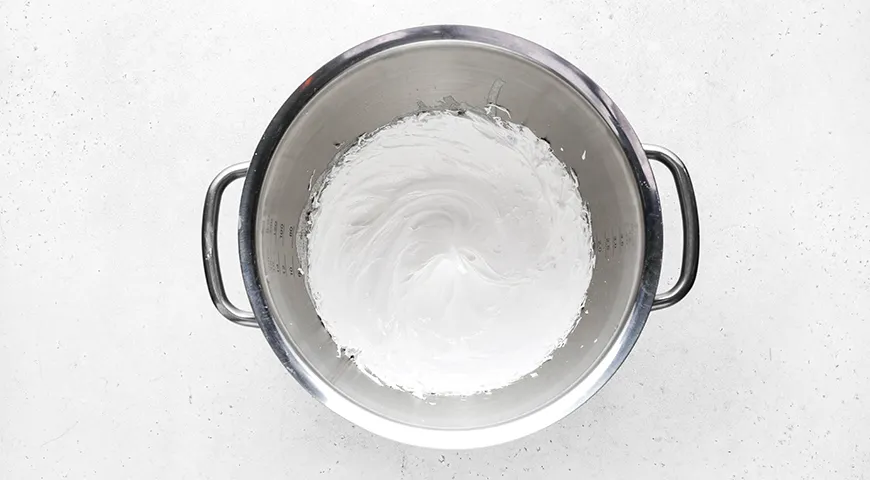
Whip to soft peaks. Using an electric mixer with clean, dry beaters, beat the warm egg white mixture on medium-high speed. The mass will turn white and increase in volume. Once soft peaks form and the mixture pulls away from the bowl's sides, add the pinch of citric acid.
-
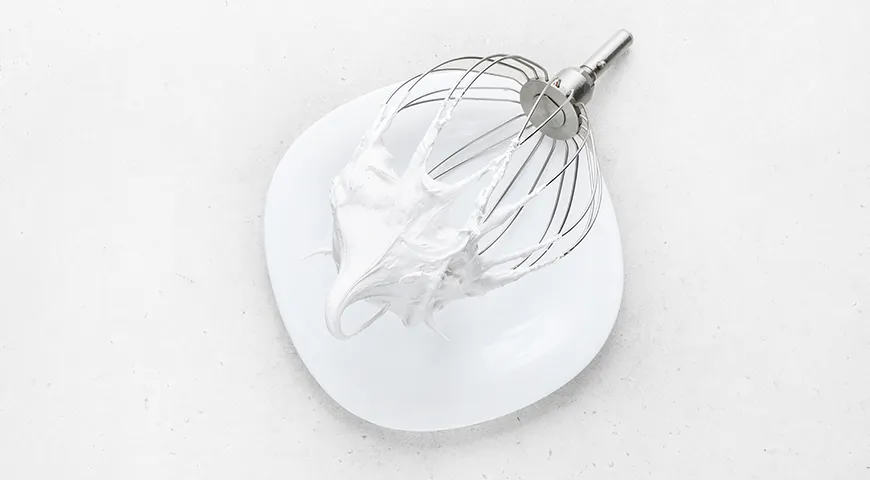
Whip to stiff peaks. Continue beating for about another minute. The glaze should be glossy, snow‑white, and hold a sharp beak when you lift the beaters. The mixture will not slide off a spoon.
-
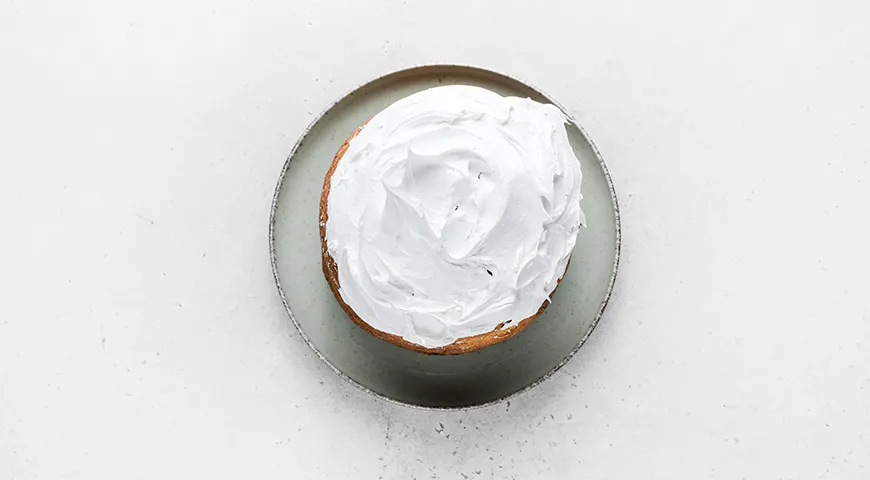
Apply immediately. Use the glaze at once. Dip the tops of your kulich or cupcakes into the glaze, then swirl gently. Smooth with a small offset spatula if needed. The glaze will set firm within minutes.
Tips for Perfect White Custard Glaze
Even this simple recipe benefits from a few professional insights. Use a best planetary mixer if you have one—the paddle attachment makes quick work of the water‑bath step, and the stand keeps your hands free. For small batches, a non‑toxic immersion blender with a whisk attachment works beautifully. Always ensure your bowl and beaters are completely fat‑free; a drop of yolk can ruin the whole batch. If the weather is humid, add a second tiny pinch of citric acid to guard against stickiness. Do not overbeat after adding the acid, or the glaze may separate.
Variations
This glaze adapts to endless flavor profiles. Replace the vanilla sugar with seeds from a vanilla bean for specks of elegance. Add a teaspoon of cocoa powder for a pale mocha swirl, or fold in a tablespoon of crushed chocolate‑covered raisins after whipping. For a citrus twist, use lemon juice instead of citric acid and add a little grated zest. The glaze also makes a wonderful filling for microwave‑steamed puddings or a topping for air‑fryer churros.
Frequently Asked Questions
Can I use this glaze on cookies or cakes other than kulich?
Absolutely. It works on any pastry that benefits from a crisp, white icing: sugar cookies, scones, cinnamon rolls, and even pound cake. The glaze firms up beautifully, so you can pipe it as well.
Why did my glaze turn out runny after whipping?
Runny glaze usually means the sugar didn’t fully dissolve during the water bath, or the whites were too cold. Ensure the mixture reaches about 60–65 °C (140–150 °F) while stirring. A steam canner thermometer can help you monitor the temperature precisely.
Can I make this glaze without a water bath?
Traditional Russian recipes rely on the water bath to pasteurize the whites and dissolve the sugar. Skipping it may leave a grainy texture and reduce stability. For a safe alternative, you can sous‑vide the egg white mixture in a bag at 65 °C for 15 minutes, then whip as usual.
How long does the glaze last on baked goods?
If stored in an airtight container at room temperature, the glaze stays firm and shiny for up to three days. Do not refrigerate, as condensation will make it weep. For longer storage, freeze the undecorated kulich and glaze just before serving.
Is this glaze safe for pregnant women or children?
The water bath heats the egg whites to a temperature that kills harmful bacteria, making the glaze safe for most people. If you have specific concerns, use pasteurized egg whites from a carton (100 g) and follow the same method. Pair your finished dessert with a glass of sweet wine for an elegant Easter brunch.
What is the best way to clean the mixing equipment after making glaze?
Soak bowls and beaters immediately in cold water to prevent sugar residue from hardening. Then wash with hot, soapy water. Avoid using oil‑based soap residues; a dedicated oil sprayer for greasing pans should be kept separate from egg‑white equipment.
Can I double the recipe for a large batch?
Yes, you can double or triple the quantities. Use a larger bowl and increase the water‑bath time slightly. A commercial‑grade convection oven comes in handy when baking multiple kulich loaves at once, and the glaze recipe scales effortlessly.
Why does my glaze sometimes form small bubbles after application?
Bubbles indicate that the glaze was overwhipped or applied too thickly. Gently tap the baked good on the counter after dipping to release trapped air. For a flawlessly smooth finish, use a small built‑in refrigerator to chill the pastry briefly before glazing—this helps the glaze set without forming bubbles.
What other decorations pair well with this glaze?
Colored sprinkles, crushed pistachios, edible flowers, or a dusting of gold leaf complement the white canvas. For a coffee kick, brew a shot using best George Howell coffee and mix a tiny amount into the glaze before whipping. Alternatively, drizzle melted dark chocolate over the set glaze for a striking contrast.







