


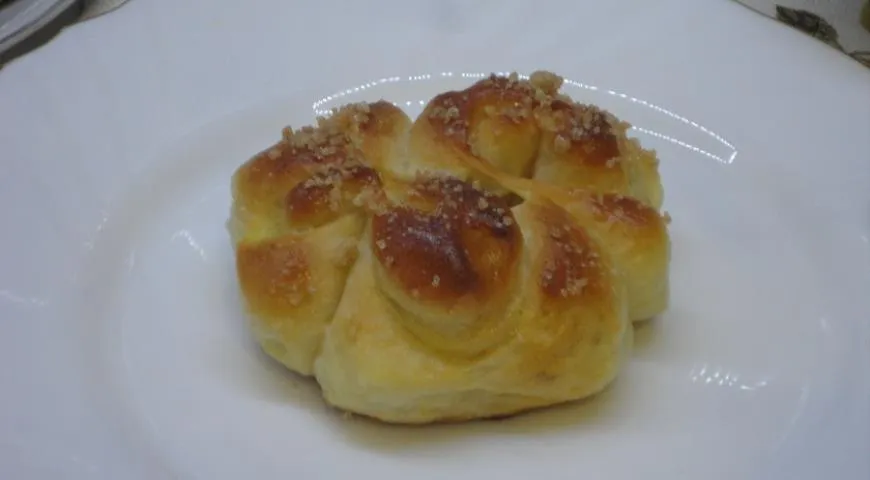
There is something deeply satisfying about a cookie that rises with the help of yeast—a tender, aromatic bite that bridges the gap between pastry and bread. Warsaw Yeast Cookies, or Varshavskoe drozhzhevoe pechene, are a cherished Polish specialty that transforms simple pantry staples into elegant golden figures, often shaped like figure eights and adorned with coarse sugar. This recipe, beloved in Eastern European households, delivers a delicate crumb with a whisper of nutmeg and lemon. Whether you are an experienced baker or just beginning to explore traditional European baking, these cookies promise an inviting project that rewards patience with extraordinary flavor.
About Warsaw Yeast Cookies
Originating in Poland, these yeast-based cookies are a staple of afternoon tea, Easter brunches, and picnic baskets. Unlike butter cookies or shortbread, the dough relies on a sponge starter made from fresh yeast, milk, and a touch of sugar, which gives the final product a light, airy texture. The cookies are subtly sweetened, with warm notes of nutmeg and lemon zest, and their charming shape—a twisted eight with decorative cuts—makes them as beautiful as they are delicious. For the best results, using a planetary mixer can simplify kneading, but hand-kneading works wonderfully too.

Ingredients
- 25 g fresh yeast (or 7 g active dry yeast)
- 120 ml warm milk (about 37°C)
- 2 tablespoons all-purpose flour
- 1 teaspoon sugar (for the sponge)
- 100 g unsalted butter, softened
- 80 g granulated sugar
- 1/4 teaspoon salt
- 1/2 teaspoon freshly grated nutmeg
- Zest of 1 lemon
- 2 large egg yolks
- 350–400 g all-purpose flour (as needed)
For the finish:
- 1 egg yolk + 1 tablespoon heavy cream (for glaze)
- Coarse sanding sugar or pearl sugar for sprinkling
Investing in a non‑toxic immersion blender is not needed here, but a good food processor can help if you prefer to mix the dough quickly. However, a simple bowl and spatula will suffice.
Step‑by‑Step Instructions
Step 1: Prepare the sponge. Crumble the fresh yeast into a small bowl, add warm milk, 2 tablespoons of flour, and 1 teaspoon of sugar. Stir until dissolved, then let stand in a warm place for 15 minutes until frothy and risen.
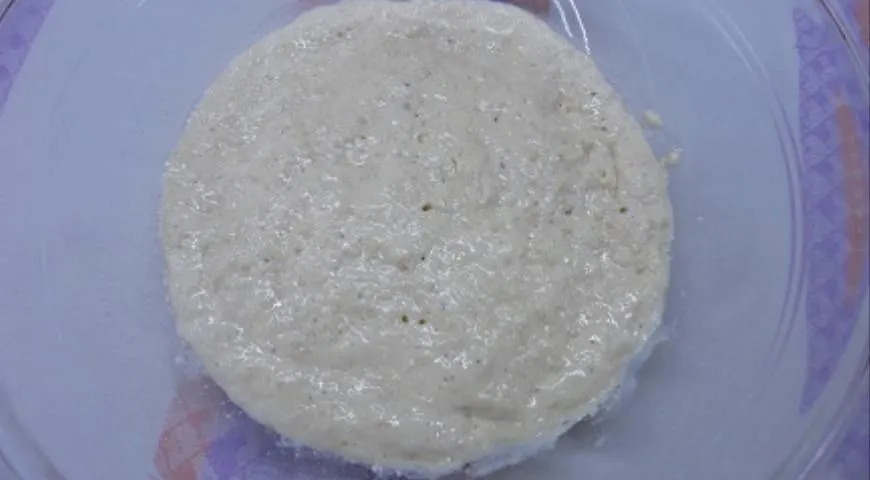
Step 2: Make the dough. In a large bowl, cream the softened butter and 80 g sugar until pale and fluffy. Beat in the salt, nutmeg, lemon zest, and egg yolks. Pour in the risen yeast mixture and stir to combine. Gradually add the flour, starting with 350 g, mixing until a soft, slightly sticky dough forms. Knead for 8–10 minutes until smooth and elastic. Using a planetary mixer with a dough hook makes this effortless. Cover the bowl and let rise in a warm spot until doubled in volume, about 1–1.5 hours.
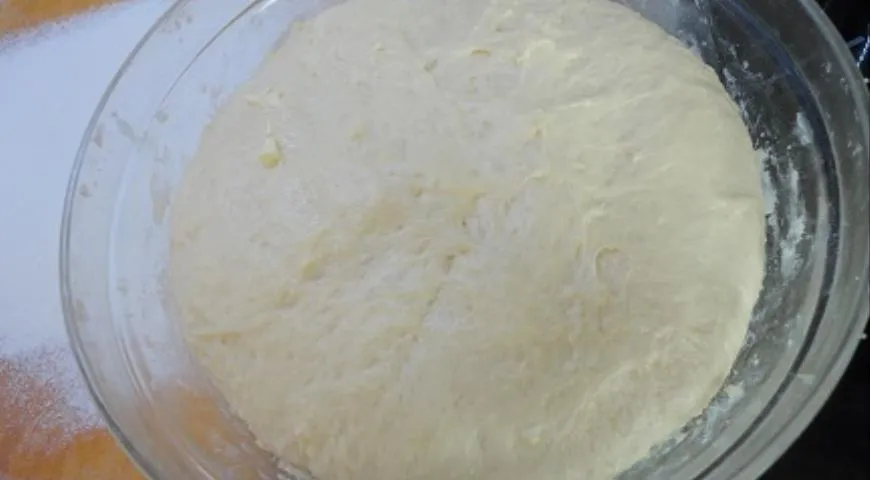
Step 3: Shape the cookies. Punch down the risen dough. Divide it into pieces and roll each into a thin rope about 20 cm long. Form each rope into a figure eight, crossing the ends. Place on a parchment‑lined baking sheet.
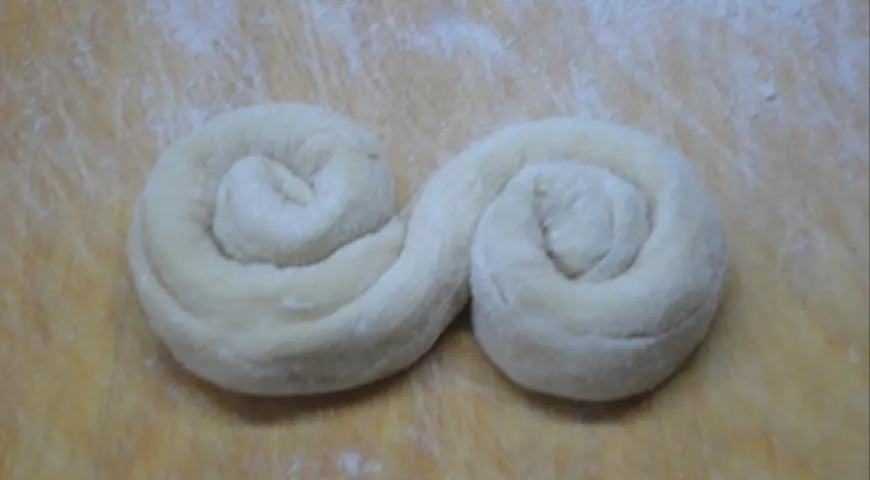
Step 4: Create decorative cuts. Using two chopsticks (or thin skewers), press down on the sides of each figure eight to create indentations. Then take kitchen scissors and snip small slits along the outer edges of the loops. This gives the cookies their characteristic ruffled look.
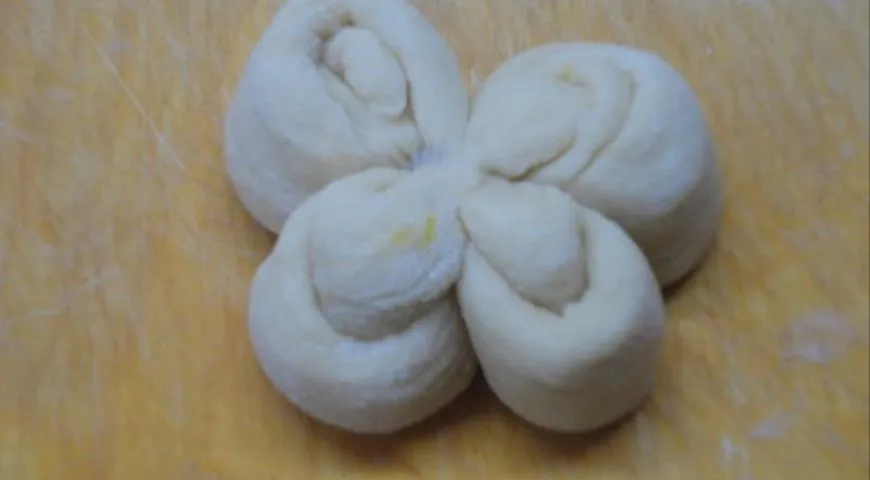
Step 5: Second rise. Cover the shaped cookies loosely with a kitchen towel and let them proof for 20–30 minutes. They will puff slightly.
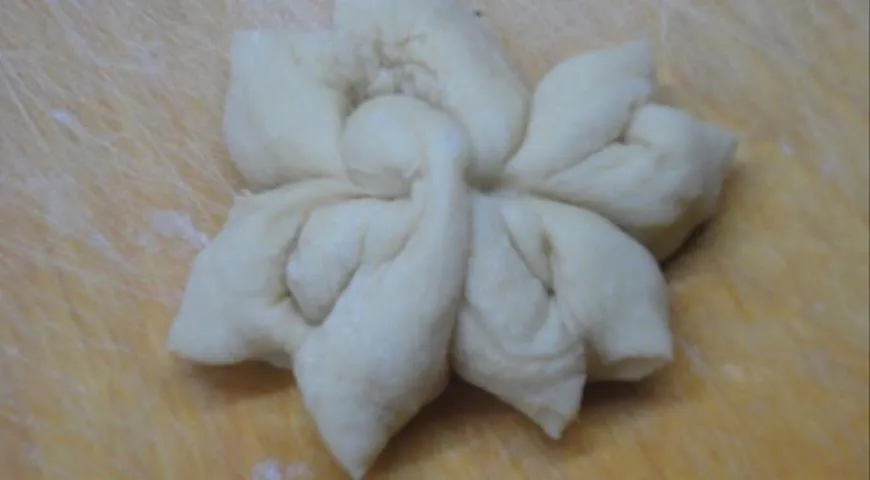
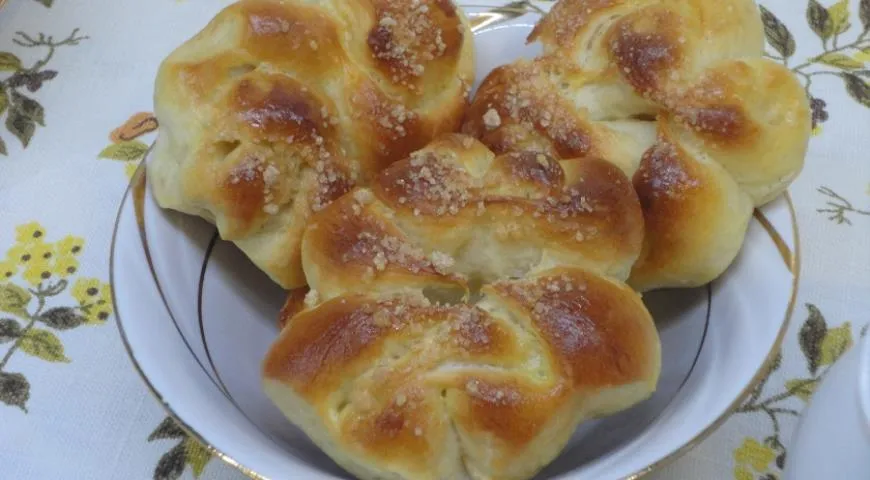
Step 6: Glaze and bake. Whisk together the egg yolk and cream. Brush this glaze gently over each cookie, then sprinkle generously with coarse sugar. Bake in a preheated 180°C (350°F) oven for 20 minutes, until deep golden brown. Transfer to a wire rack to cool completely.
Tips for Perfect Yeast Cookies
- Ensure your milk is warm but not hot—above 50°C will kill the yeast. A microwave pressure cooker can quickly warm milk safely, but a simple thermometer is reliable.
- For a glossy, professional finish, use an oil sprayer to lightly mist the baking sheet instead of greasing with butter; it prevents sticking without adding extra fat.
- If you don’t have fresh yeast, active dry yeast works—just dissolve it in the warm milk with a pinch of sugar and let it stand for 5 minutes before adding the flour and sugar for the sponge.
- Let the dough rise in a warm, draft‑free place. A non‑toxic air fryer with a proofing function can maintain an ideal environment, though a turned‑off oven with a bowl of hot water works too.
- Use a convection oven if available—it promotes even browning and a crisp exterior while keeping the inside tender.
Delicious Variations
While the classic Warsaw cookie is enchanting on its own, feel free to experiment: replace lemon zest with orange zest for a sweeter aroma, or add a teaspoon of vanilla extract to the dough. For a richer flavor, substitute half the butter with high‑quality castor oil (though butter remains traditional). Sprinkle with cinnamon sugar before baking for a spiced twist. These cookies also pair beautifully with a glass of sweet wine or a robust coffee, making them perfect for an afternoon tea spread or a chocolate‑covered raisins accompaniment.
Frequently Asked Questions
Why did my dough not rise?
The most common culprit is old yeast or liquid that is too hot. Always check the expiry date of your yeast, and use a thermometer to ensure milk stays between 35–40°C. If using dry yeast, it should foam within 10 minutes. An accurate temperature gauge helps maintain consistency.
Can I freeze the baked cookies?
Absolutely. Cool completely, then store in an airtight container in the freezer for up to 3 months. Reheat in a microwave‑convection combo at 150°C for 5 minutes to restore crispiness.
What can I use instead of coarse sugar?
Pearl sugar, turbinado sugar, or even crushed sugar cubes work well. You can also skip the sugar on top and dust with powdered sugar after baking for a softer finish.
Why are my cookies too dense?
Over‑kneading or insufficient rising time can lead to density. Knead only until smooth, and ensure the first rise doubles the dough’s volume. Using a juicer to produce fresh lemon juice for the zest is a tip; the zest itself must be finely grated, not juiced.
Can I make these cookies dairy‑free?
Yes. Substitute the butter with a high‑quality vegan butter stick and use plant‑based milk (like oat or soy) for the sponge. The texture will be slightly different but still delicious. For the glaze, use a mixture of aquafaba and a touch of maple syrup instead of egg yolk and cream.
How long do they stay fresh?
Stored in an airtight container at room temperature, these cookies remain tender for up to 5 days. To revive, warm them briefly in a refrigerator they are best kept in a cool pantry, not the fridge, as the humidity can soften the sugar topping.
Warsaw yeast cookies are more than a recipe—they are a celebration of heritage and craftsmanship. The delicate interplay of yeast, butter, and spice, together with the satisfying ritual of shaping each eight, creates a treat that feels both nostalgic and indulgent. Serve them with pride at your next gathering, and watch as they disappear in minutes.







