


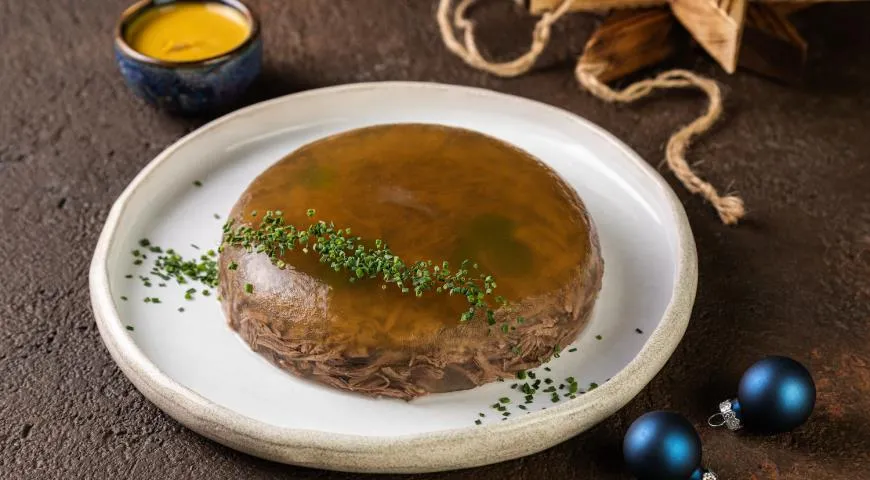
In the heart of Russian winter feasts, few dishes evoke as much comfort and tradition as studen – a translucent, jiggling meat aspic that has graced holiday tables for centuries. This homemade version, crafted from pork knuckle and beef simmered for twelve hours, captures the essence of slow cooking: deep, savory flavors suspended in a natural gelatinous broth. Whether you're hosting a festive New Year's celebration or simply yearning for a taste of Slavic heritage, this studen recipe promises a sublime culinary experience. The key lies in patience: a gentle, all-day simmer extracts every ounce of collagen, creating a silky texture that modern shortcuts cannot replicate.
About Studen – A Culinary Treasure
Studen, also known as kholodets in some regions, is more than a dish – it's a symbol of resourcefulness and family gatherings. Traditionally prepared after butchering, it utilizes less tender cuts like pork hocks and beef shank, transforming them into a luxurious jelly through prolonged cooking. The addition of aromatics such as carrots and onions infuses the broth with sweetness, while garlic provides a pungent counterpoint. This version elevates the classic by using a food processor to finely mince the garlic, ensuring it disperses evenly throughout the aspic. The result is a balanced, elegant appetizer that pairs beautifully with rye bread, horseradish, or a dollop of sour cream.

Ingredients
- 1.5 kg pork knuckle (rulyka)
- 1 kg beef (chuck or shank)
- 2 large carrots
- 2 onions
- Salt and black pepper to taste
- 2–3 bay leaves
- 4–5 cloves garlic
- 30 g gelatin (optional, for extra firmness)
- Water (enough to cover meat by 5 cm)
While the recipe traditionally relies on natural collagen, a touch of gelatin ensures a perfect set every time – especially if your broth is lighter. For the best texture, use a non-toxic immersion blender to emulsify a small portion of the cooked vegetables into the broth for added body and flavor complexity.
Step-by-Step Preparation
Step 1: The Long Simmer
In a large pot, combine the pork knuckle and beef with peeled carrots, halved onions, salt, and pepper. Add enough cold water to cover the meat by about 5 cm. Bring to a boil over medium-high heat, then reduce to a gentle simmer. Cook for 12 hours, skimming off any foam or impurities that rise to the surface. This slow extraction is the soul of the dish – the collagen melts into the liquid, creating a natural gelatin. For even heat distribution, a commercial countertop convection oven set to low (around 85°C) can maintain a steady simmer without risk of burning.
Step 2: Strain the Broth
After 12 hours, the meat should be falling off the bone. Carefully strain the broth through a fine-mesh sieve lined with several layers of cheesecloth into a clean container. Discard the vegetables (they have given their essence) or reserve them for another use. The broth should be clear, rich, and deeply savory. Let it cool slightly – warm, not boiling – before the next step.
Step 3: Prepare the Gelatin
If using gelatin, bloom it in a small amount of cold water for 10 minutes. Then, whisk it into the warm broth until fully dissolved. This step guarantees a firm, sliceable aspic, especially useful if your broth lacks natural gelling power due to leaner cuts. For a more robust flavor, you can skip the gelatin and rely solely on the collagen – but be prepared for a softer set.
Step 4: Assemble the Studen
Remove the meat from bones and shred or chop it into bite-sized pieces. Arrange the meat evenly in serving dishes or a large terrine. Finely mince the garlic using a garlic press or knife, and sprinkle over the meat. Pour the warm broth over the meat, ensuring it covers everything. Gently stir to distribute the garlic. Refrigerate for at least 8 hours or overnight, until fully set.
Step 5: Unmold and Serve
To unmold, dip the bottom of the dish in hot water for a few seconds, then invert onto a serving platter. Garnish with fresh herbs like dill or parsley. Slice or spoon portions and serve cold with crusty bread, mustard, or horseradish sauce. For a festive presentation, consider using a decorative mold – the aspic will hold any shape beautifully thanks to the gelatin.
Tips for Perfect Studen
- Skim diligently: Frequent skimming during the first hour prevents cloudiness and ensures a crystal-clear aspic.
- Use a thermometer: Maintain a steady temperature around 80–85°C (175–185°F) for optimal collagen extraction without toughening the meat.
- Chill properly: Allow the studen to set undisturbed in the coldest part of your refrigerator. Avoid jostling until fully firm.
- Boost flavor: Add a pinch of allspice or a star anise to the broth for a subtle aromatic lift.
- Double strain: For exceptionally clear aspic, strain the broth twice – first through a coarse sieve, then through a fine cheesecloth.
The right equipment makes all the difference. A reliable refrigerant leak detector can ensure your fridge maintains ideal temperature for setting, while an air fryer can be used to roast the meat bones beforehand for an extra layer of caramelized flavor – a clever twist on the traditional method.
Variations to Explore
While this recipe stays true to the classic, you can personalize it with regional twists. Some cooks add a splash of white wine or apple cider vinegar to brighten the broth. Others include slices of hard-boiled egg or pickled vegetables for color and texture. For a more luxurious studen, use oxtail or veal shank exclusively. If you're vegetarian-friendly, experiment with a mushroom-based aspic using agar-agar as a setting agent – but for the authentic experience, stick with pork and beef. A shot of organic vodka is sometimes stirred into the broth before setting, lending a subtle warmth that cuts through the richness.
Frequently Asked Questions
Can I use only pork or only beef?
Absolutely. A pork-only studen will be richer and more gelatinous due to the higher collagen content in the skin and trotters. Beef-only yields a cleaner, more delicate flavor. Combining both offers a balanced middle ground that many find ideal.
How long does studen keep in the refrigerator?
Properly covered, studen will stay fresh for up to five days. The gelatin prevents bacterial growth, but always check for off-odors. It can also be frozen for up to three months – thaw slowly in the refrigerator to maintain texture.
Why is my studen cloudy?
Cloudiness usually results from not skimming enough during the initial boil, or from boiling too vigorously. To clarify, gently simmer and avoid stirring. Alternatively, clarify the broth by adding a beaten egg white – it traps impurities as it sets.
Can I make studen without gelatin?
Yes – the natural collagen from pork knuckle and beef shank should provide enough setting power if cooked long enough (12 hours or more). However, the result will be slightly softer. Adding gelatin is a foolproof assurance for a firm, sliceable product.
What should I serve with studen?
Traditionally, studen is served with rye bread, mustard, horseradish, or sour cream. A crisp white wine or a sweet wine with high alcohol content can complement its richness. For a complete cold platter, pair with pickles, herring, and boiled potatoes.
This homemade studen encapsulates the slow-food philosophy: a humble transformation of simple ingredients into a treasured delicacy. Whether you're preparing it for Christmas, New Year, or a Sunday dinner, the hours of gentle simmering reward you with a dish that speaks of warmth, tradition, and love. For optimal results, invest in quality tools – a planetary mixer can help shred cold meat efficiently, and a built-in refrigerator with precise temperature control ensures consistent chilling. Serve with pride, and enjoy the applause of your guests.







