


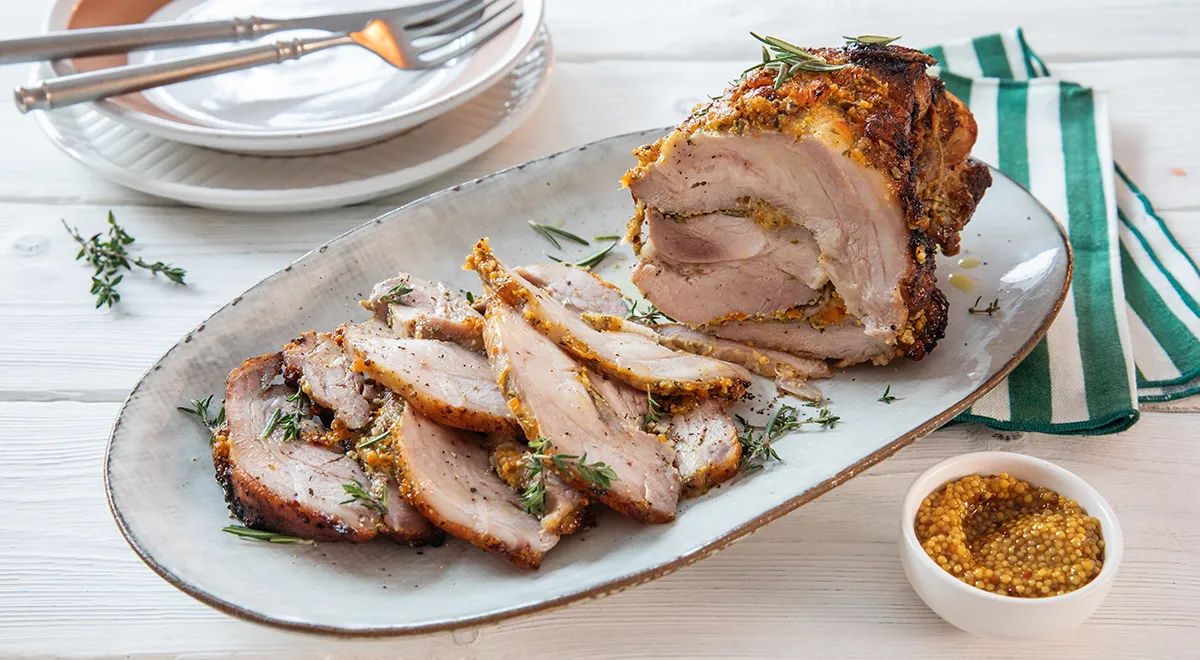
Imagine a Sunday roast that transports you straight to a Russian dacha: tender, juicy pork shoulder infused with the smoky sweetness of dried apricots, the pungent kick of whole-grain mustard, and the earthy fragrance of thyme and rosemary. This rostbif iz svininy—a classic Soviet-inspired interpretation of English roast beef—is not just a dish; it is a celebration of patience and technique. Unlike its beef counterpart, this version relies on a long marinade and slow, gentle roasting to break down the collagen-rich shoulder, yielding slices that are both succulent and deeply flavorful. Whether you are hosting a festive dinner or simply craving a show-stopping centerpiece, this recipe will reward you with layers of complexity.
About This Recipe
This dish is a perfect example of how Eastern European cuisine reimagines Western classics. The word rostbif itself is a borrowing, but the technique has been thoroughly Russified: instead of searing a beef joint, we take a humble pork shoulder—inexpensive and forgiving—and transform it through a spice paste enhanced with dried apricots and garlic. The result is a cold-cut masterpiece, meant to be served thinly sliced, much like a terrine or a prime rib au jus alternative. The apricots add a subtle fruity sweetness that cuts through the richness of the pork, while the whole-grain mustard provides a gentle heat. This recipe calls for a 10-hour marinade, making it ideal for overnight preparation.

Ingredients
- 1 kg pork shoulder (boneless)
- 50 g dried apricots (soaked if too dry)
- 5 garlic cloves
- 2 tbsp whole-grain mustard
- 1 tbsp fresh thyme leaves
- 1 tbsp fresh rosemary leaves
- 1 tbsp olive oil
- 1 tsp pink Himalayan salt
- 0.5 tsp freshly ground black pepper
Step-by-Step Instructions
Step 1: Prep the Aromatics
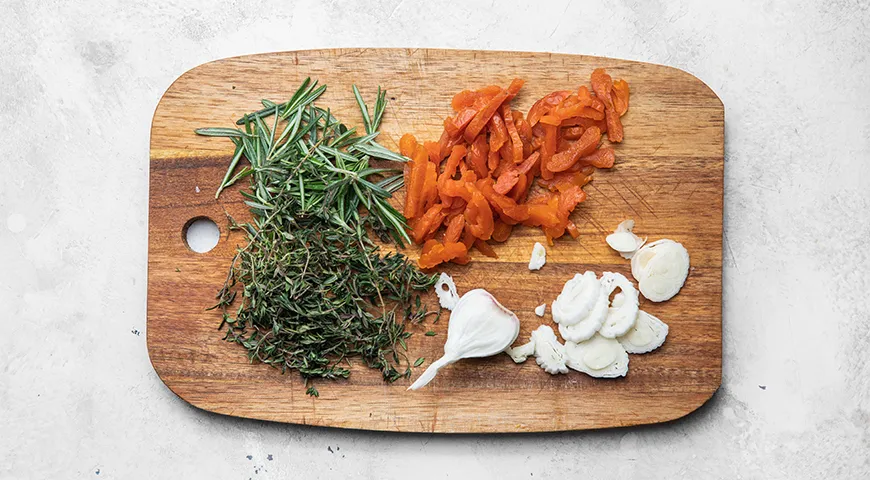
Begin by soaking the dried apricots in warm water for 10–15 minutes if they feel overly dry. Drain and cut them into small pieces. Peel the garlic cloves and strip the leaves from the thyme and rosemary sprigs. This careful preparation ensures maximum flavor extraction when blended.
Step 2: Make the Spice Paste
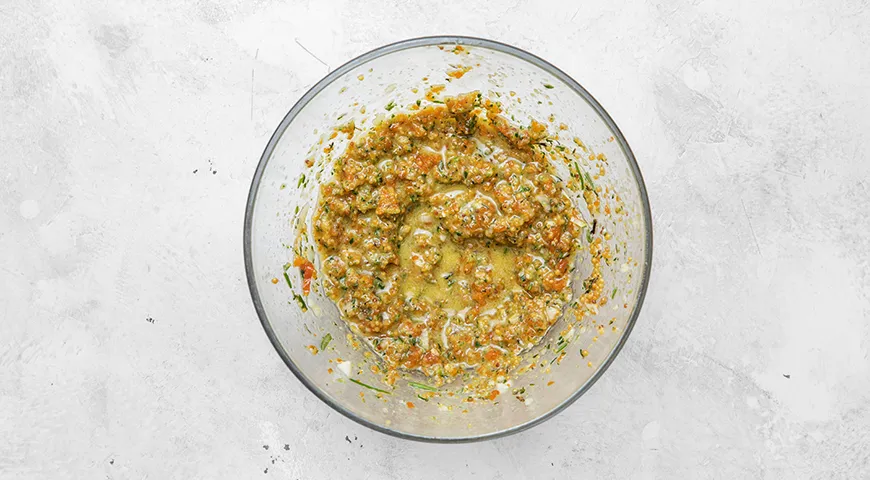
Place the apricots, garlic, mustard, thyme, rosemary, olive oil, pink salt, and black pepper into a blender or food processor. Pulse until a thick, chunky paste forms. If using an immersion blender, ensure the mixture is fully emulsified. The paste should be rustic, not completely smooth.
Step 3: Coat the Pork Shoulder
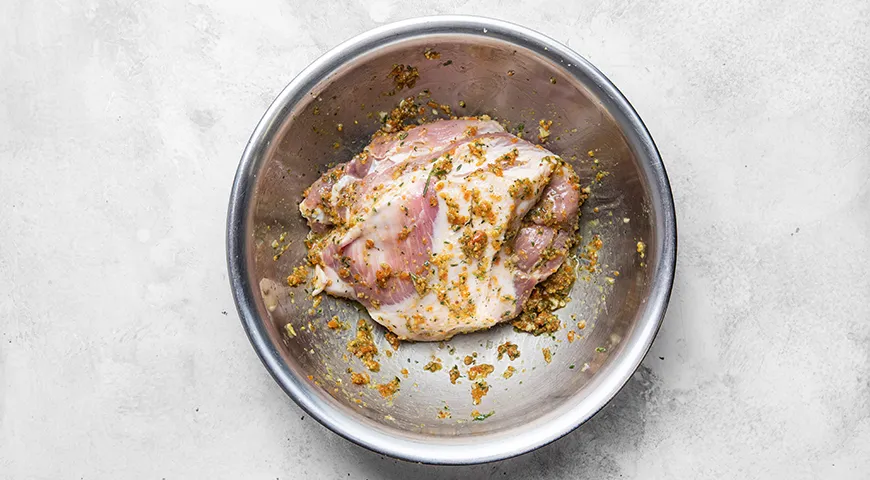
Pat the pork shoulder dry with paper towels—this helps the paste adhere better. Using your hands, rub the spice paste generously all over the meat, pressing it into any crevices or folds. Make sure the entire surface is covered.
Step 4: Marinate Overnight
Place the coated pork in a baking dish. Cover tightly with plastic wrap and refrigerate for at least 10 hours (overnight is ideal). This step is crucial: the salt and mustard work to tenderize the meat while the apricots infuse their subtle sweetness.
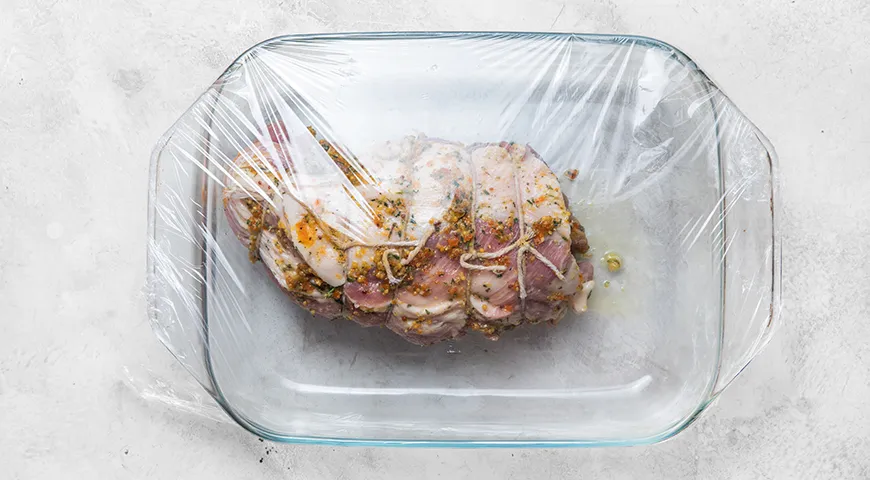
Step 5: Bring to Room Temperature & Set the Oven
Remove the pork from the refrigerator 2 hours before roasting to take the chill off. Preheat your oven to 160°C (320°F). Replace the plastic wrap with a tight cover of aluminum foil. This initial phase of cooking under foil will trap steam and keep the meat moist.
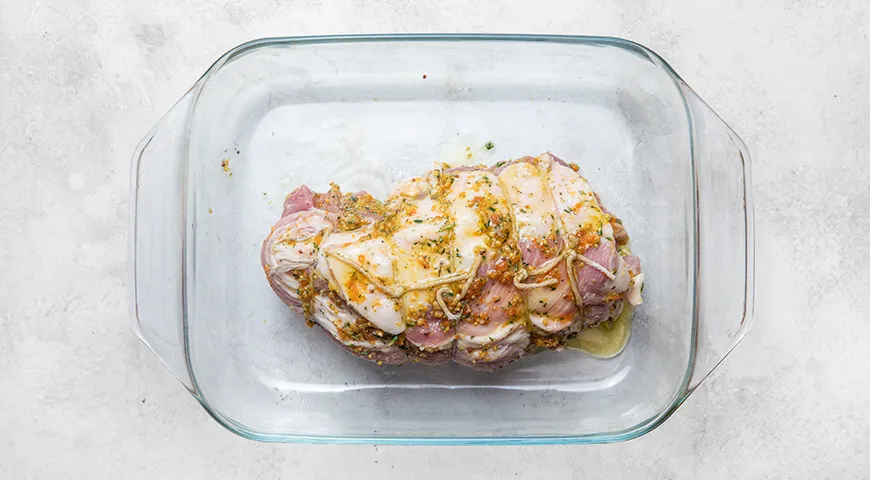
Step 6: Roast and Baste
Place the dish in the oven and roast for 1 hour. Then remove the foil and continue roasting for another 30 minutes. During that final half-hour, baste the meat twice with the pan juices—this builds a glossy, flavorful crust. If you have an air fryer with a convection setting, you can achieve similar browning with less heat loss.
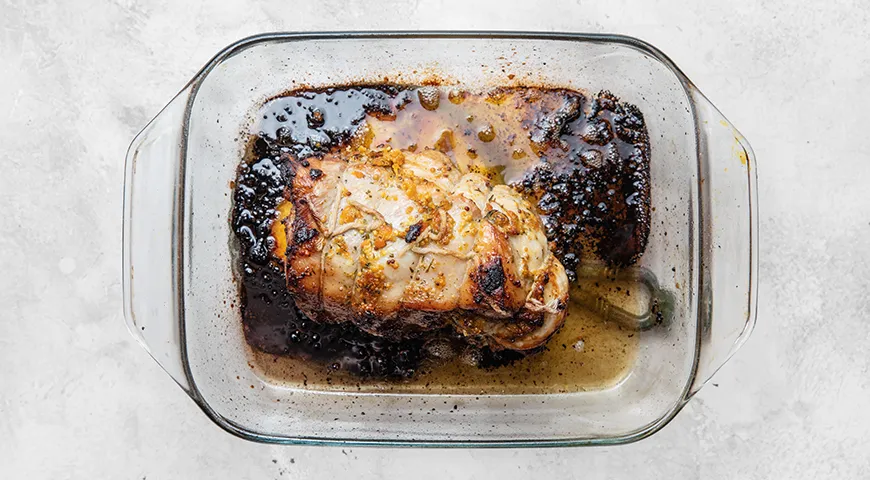
Step 7: Cool, Rest, and Slice
Remove the pork from the oven and let it cool completely at room temperature. Once cool, wrap it tightly in foil or parchment paper and refrigerate for at least 4 hours—overnight is better. Chilling firms the meat, making it possible to slice into thin, elegant pieces. Use a sharp knife or a planetary mixer attachment? No, just a good knife. Serve cold or at room temperature.
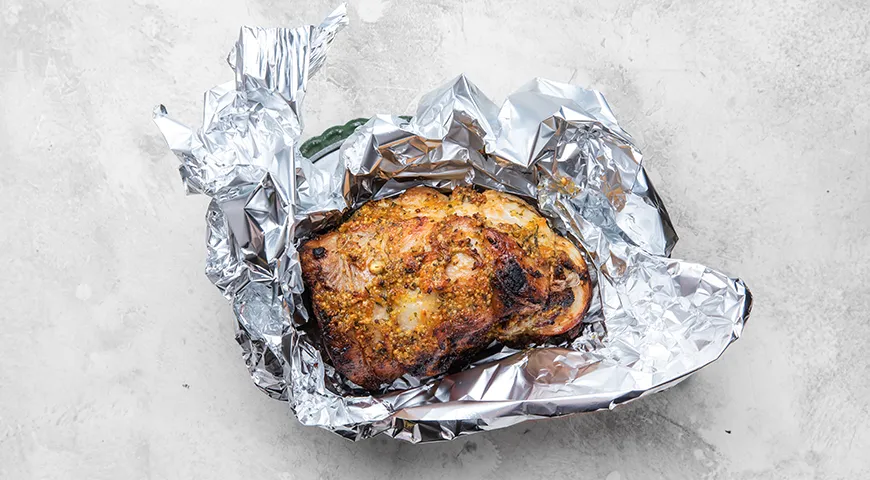
Tips for Perfect Pork Rostbif
- Use a meat thermometer: The internal temperature should reach 65–70°C (145–160°F) for safe pork that remains juicy. Overcooking dries it out.
- Don't skip the long rest: The overnight chill allows the fibers to relax and the flavors to meld. Slice only when fully cold.
- Blend the paste thoroughly: If your immersion blender lacks power, use a food processor for a consistent paste.
- Save the pan juices: Drizzle them over the sliced meat or use them in a gravy—they are pure gold.
Variations and Serving Suggestions
While this recipe is a classic, you can adapt it: swap dried apricots for prunes or figs; use Dijon mustard instead of whole-grain; or add a teaspoon of smoked paprika for depth. Serve the cold slices with crusty bread, pickles, and a dollop of vodka? No, rather pair with a crisp white wine like sweet wine with high alcohol content. For a complete spread, add a side of roasted vegetables or a simple beet salad. If you are planning a festive brunch, this pork also works beautifully in sandwiches with peppery arugula.
FAQ
Can I use a different cut of pork?
Yes, but avoid lean cuts—pork shoulder is ideal because of its fat and collagen. Loin will be drier; if using it, reduce cooking time and brine it first. Consider using a microwave and wall oven combo for flexibility in cooking.
How long should I marinate the pork?
At least 10 hours, but 24 hours is even better. The salt and acid from the mustard help tenderize the meat. A longer marinade also intensifies the apricot flavor.
Can I cook this in a pressure cooker?
It is not recommended—rostbif is meant to be roasted slowly to develop a crust. For a similar but faster result, try a microwave pressure cooker on low pressure, but you will lose the dry texture essential for thin slicing.
Why do I need to chill the meat overnight before slicing?
Warm pork shoulder is too tender and will crumble. Chilling firms the meat and sets the juices, allowing clean, thin slices perfect for presentation—essential for a proper rostbif.
What can I do with leftovers?
Leftover slices are fantastic in salads, sandwiches, or as a protein boost in grain bowls. You can also dice the meat and sauté it with eggs for a hearty breakfast. Store in the fridge for up to 5 days.
This pork rostbif is a study in contrasts—savory and sweet, tender yet sliceable. It is a dish that rewards planning, but the payoff is a spectacular cold cut that will elevate any gathering. Whether you serve it as the centerpiece of a Russian-style zakuski table or as a gourmet sandwich filler, it is sure to become a family favorite.
For more inspiration, check out our guides on refrigerators for large cuts, chocolate-covered treats for dessert, and commercial ovens for events.







