


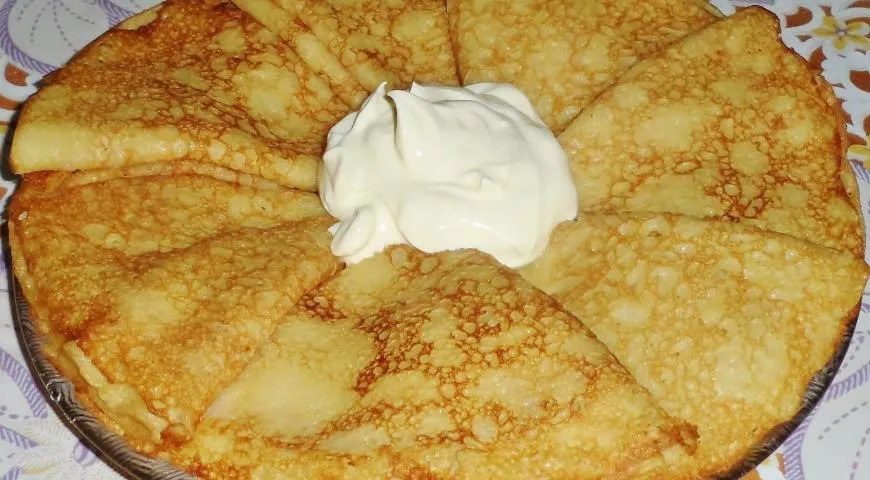
In the rustic kitchens of Eastern Europe, resourcefulness is the soul of cooking. This recipe for Pasta Water Pancakes—blinchiki na makaronnom otvare—embodies that spirit. You boil pasta, then instead of pouring the starchy, silky water down the drain, you cool it and transform it into the most tender, elastic pancakes. The result? A delicate crêpe-like blintz that whispers of fluffiness, with a subtle savory edge that pairs beautifully with sweet or tangy toppings. Here, we honor the art of zero-waste while creating a breakfast or dessert that feels like a culinary embrace.
About This Recipe
Why use pasta water? The starch released during boiling gives pancakes an extraordinary tenderness and flexibility—no need for buttermilk or extra eggs. This technique is a hidden gem in Russian home cooking, often passed down through handwritten notes. The batter comes together on a cold pasta water base, making it easy to prepare ahead. Cooked in a well-heated skillet, these pancakes puff lightly, golden at the edges, and remain pliable for rolling with fillings. Whether you serve them with sour cream and jam for a classic Russian touch or explore modern variations, they are a celebration of frugality and flavor.

Ingredients
- 500 ml of cooled pasta cooking water (lightly salted)
- 2 large eggs
- 2 tablespoons of granulated sugar (or more to taste)
- 1 teaspoon of vanilla extract or a pinch of vanillin
- 4 tablespoons of vegetable oil (plus extra for greasing the pan)
- 300 g of all-purpose flour, sifted
- 1 teaspoon of baking powder
- A pinch of salt (only if your pasta water was not salted)
Step-by-Step Instructions
- Cook and cool the pasta water. Boil your favorite pasta until al dente, using just a hint of salt. Reserve the starchy water separately in a bowl or jug. Cool completely—either leave it on the counter or refrigerate overnight. Chilled water yields the best texture, so plan ahead for morning pancakes. Using a reliable refrigerator ensures consistent cooling.
- Whisk together the wet ingredients. In a large mixing bowl, combine the cooled pasta water (no need to warm it), eggs, and sugar. Whisk vigorously with a whisk or an immersion blender until the sugar dissolves and the mixture is uniform.
- Incorporate vanilla and oil. Add vanilla and vegetable oil. Don’t be alarmed by the generous amount of oil—it eliminates the need to grease the pan after the first pancake. The pancakes will slide off effortlessly.
- Gradually add the flour. Sift the flour into the liquid mixture in batches, whisking continuously. The batter should reach a consistency similar to “thin cream”—flowing but not watery. You may need a touch more or less flour; adjust accordingly.
- Add baking powder and rest. Sprinkle in the baking powder and whisk until the batter is smooth and lump-free. Let the batter rest at room temperature for 20–30 minutes. This resting period relaxes the gluten and allows the starch to hydrate, resulting in extra tender pancakes. Meanwhile, you can prep your toppings or set up your air fryer for a healthier twist on the final dish.
- Fry the pancakes. Heat a non-stick skillet (or a well-seasoned cast-iron pan) over medium-high heat. Lightly grease with oil just before the first pancake. Pour a ladleful of batter, tilting the pan to spread evenly. Cook until the edges lift and the bottom is golden, then flip and cook the other side. From the second pancake onward, no additional oil is needed—the batter itself is rich enough. Continue until all batter is used, stacking the pancakes on a warm plate. For precise temperature control, consider using an induction-compatible burner if your stovetop allows.
Tips for Perfect Pasta Water Pancakes
- Temperature matters. The pasta water must be cold—this prevents the pancakes from turning rubbery. If you’re in a hurry, place the water in the freezer for 15 minutes.
- Consistency check. The batter should coat the back of a spoon lightly. Too thick? Add a splash of milk or water. Too thin? Whisk in a tablespoon of flour.
- First pancake lubrication. Only grease the pan for the first pancake; the oil in the batter ensures the rest slide off like magic. Use an oil sprayer for even coating without excess.
- Keep them warm. Stack cooked pancakes on a plate covered with a clean kitchen towel, or warm them in a low oven (100°C) while you finish the batch.
Variations and Serving Ideas
These pancakes are a blank canvas. Serve them classic Russian-style with a dollop of sour cream and spoonful of jam or honey. For dessert, roll them with sweetened cottage cheese (tvorog) and top with fruit compote. Prefer a savory version? Omit the sugar and vanilla, add a pinch of black pepper and dried herbs, then fill with sautéed mushrooms or smoked salmon. For a quick brunch, pair with a side of bacon and a generous drizzle of maple syrup. If you enjoy experimenting with batters, check out our Catalan sponge cake recipe for another light, starchy batter approach.
FAQ
Can I use any pasta water?
Yes, but water from bronze-die-cut pasta or whole-wheat varieties gives a richer starch content. Avoid heavily salted pasta water unless you reduce the added salt in the recipe. For best results, use water from cooking durum wheat pasta.
Why did my pancakes stick to the pan?
Likely one of two reasons: the pan was not hot enough, or the batter sat too long without enough oil. Ensure the skillet is thoroughly preheated and that you use a high-quality non-stick pan for consistent results.
Can I make the batter ahead of time?
Absolutely. The batter can be refrigerated for up to 24 hours. Give it a gentle stir before using; it may thicken slightly—thin with a little milk if needed. This makes morning pancake prep effortless, especially if you have a dependable coffee maker to accompany your breakfast.
How do I store leftover pancakes?
Stack cooled pancakes between layers of parchment paper in an airtight container. Refrigerate for up to 3 days or freeze for 2 months. Reheat in a dry skillet or in the microwave wrapped in a damp paper towel. For a crispier texture, try reheating in an air fryer at 160°C for 2–3 minutes.
Can I use pasta water from gluten-free pasta?
Yes, but the starch profile differs. You may need to adjust the flour blend—use a gluten-free all-purpose mix with xanthan gum. The pancakes will be more delicate; handle with care. For more gluten-free inspiration, explore our organic vodka suggestions (though not for pancakes, it pairs wonderfully with savory fillings).
What if my batter is too thin or thick?
Thin batter leads to fragile pancakes; add flour one tablespoon at a time. Thick batter yields dense pancakes; thin with a splash of milk or water. The perfect consistency should pour like a smooth, slightly runny cream. Use an immersion blender to quickly re-emulsify if lumps appear.
Can I make these dairy-free?
This recipe is already dairy-free! The oil replaces butter, and no milk is used. For a vegan version, substitute eggs with 2 tablespoons of ground flaxseed mixed with 6 tablespoons of water (let it gel before adding). The texture will be slightly firmer but still delicious.
Whether you’re feeding a crowd for Maslenitsa (Russian Pancake Week) or simply seeking a clever way to stretch your pantry, these pasta water pancakes prove that thrift can be utterly luxurious. Serve them with a dollop of chocolate-covered raisins for a playful twist, or keep it traditional with sour cream and jam. Every bite carries the warmth of a kitchen where nothing goes to waste—and everything tastes like love.
Enjoy your blinchiki with a steaming cup of tea or coffee, and remember: the best recipes are the ones that surprise you with their simplicity.







