


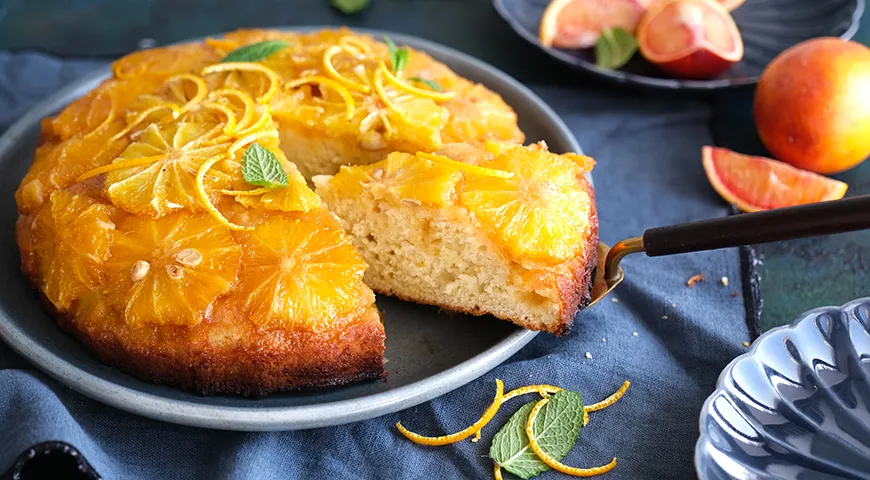
There are desserts that whisper elegance, and then there are those that sing—a vibrant symphony of citrus and caramel. This Orange Upside-Down Cake with Caramel, or Apelsinoviy Pirog-Pervertysh, is a showstopper that transforms humble ingredients into a golden, sticky masterpiece. The magic lies in the caramelized orange slices that crown the tender, aromatic sponge, each bite a perfect balance of bright acidity and deep sweetness. Whether you are a seasoned baker or a curious beginner, this recipe promises a rewarding journey through texture and flavor.
About This Cake
This classic Russian upside-down cake reimagines the familiar pineapple version with the sunny brightness of oranges. The cake batter is delicate, enriched with buttermilk (kefir) and fresh orange juice, while a homemade caramel sauce provides a luscious base. As the cake bakes, the oranges soften and release their essential oils, infusing the sponge with a heady fragrance. The result is a dessert that is both rustic and refined—perfect for afternoon tea or a celebratory dinner. For more inspiring citrus bakes, explore our Catalan sponge recipe.

Ingredients
- For the caramel topping: 150 g granulated sugar, 60 ml water, 1 teaspoon vanilla extract, 40 ml fresh orange juice, 60 g unsalted butter
- For the oranges: 2 large oranges (organic preferred), zest and peeled slices
- For the cake batter: 200 g all-purpose flour, 1½ teaspoons baking powder, ½ teaspoon baking soda, ¼ teaspoon salt, 120 g unsalted butter (softened), 120 g granulated sugar, 2 large eggs, 1 teaspoon vanilla extract, 1 tablespoon orange zest, 60 ml fresh orange juice, 100 ml buttermilk (or plain kefir)
- For the pan: Butter and parchment paper for lining a 20 cm round cake pan (preferably not springform)
Using high-quality, non-toxic tools ensures the best results. Consider a non-toxic immersion blender for juicing or a non-toxic air fryer for alternative citrus desserts.
Step-by-Step Instructions
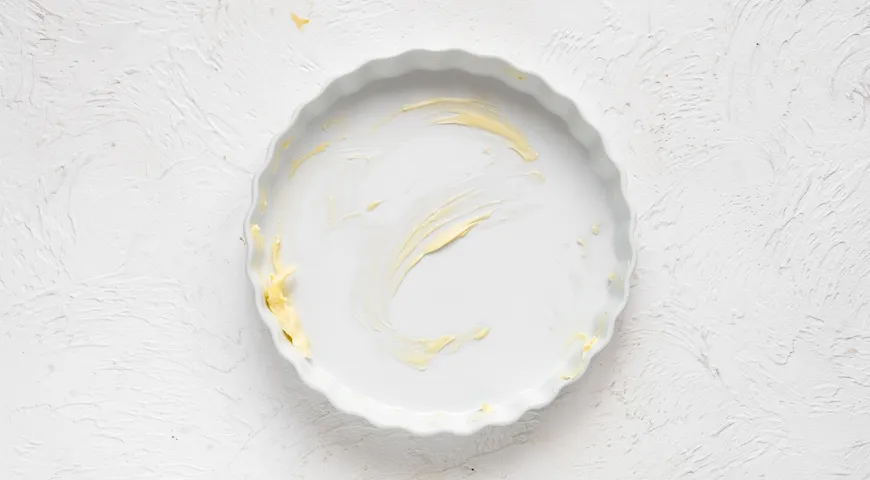
- Preheat and Prepare the Pan: Preheat your oven to 180°C (350°F). Line the bottom of a 20 cm round cake pan with parchment paper and butter the sides generously. Use a non-springform pan to prevent caramel leakage. Set aside.
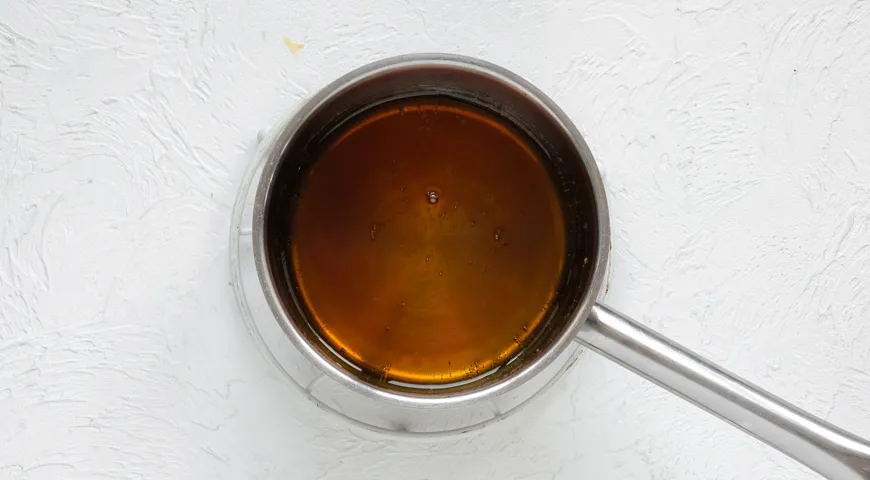
- Make the Caramel Sauce: In a small saucepan, combine 150 g sugar and 60 ml water. Place over medium heat, stirring gently until sugar dissolves. Once boiling, stop stirring and let it cook until the syrup turns a deep amber-golden color, about 5–7 minutes. Watch carefully—caramel can darken quickly. Remove from heat.
- Finish the Caramel: Carefully stir in 1 teaspoon vanilla extract and 40 ml orange juice (the mixture will bubble). Add 60 g butter and whisk until melted and smooth. Pour the caramel into the prepared pan, tilting to coat the bottom evenly. Allow it to set slightly.
- Prepare the Oranges: Zest one orange (reserve for batter). Remove the peel and white pith with a sharp knife. Slice the oranges into thin rounds, about 5 mm thick. Arrange the slices tightly over the caramel in a single layer, overlapping slightly to cover gaps.
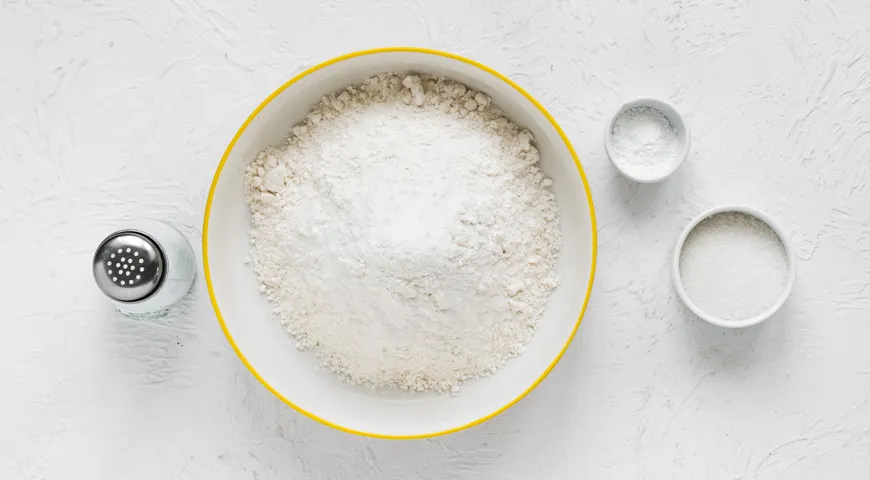
- Mix Dry Ingredients: In a large bowl, sift together 200 g flour, 1½ teaspoons baking powder, ½ teaspoon baking soda, and ¼ teaspoon salt. Sifting ensures even distribution—a step that makes a difference in the cake's rise.
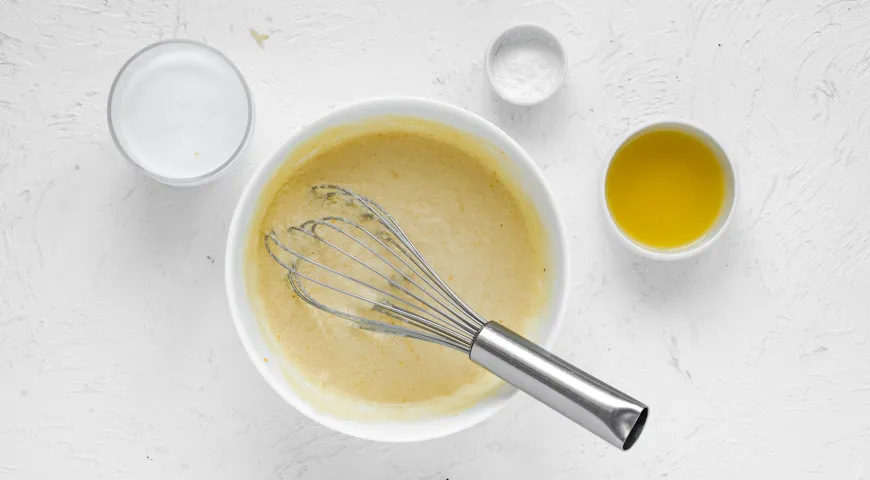
- Cream Butter and Sugar: In a separate mixing bowl, beat 120 g softened butter with 120 g sugar until light and fluffy, about 3 minutes. Add the eggs one at a time, beating well after each. Mix in 1 teaspoon vanilla extract, the reserved orange zest, 60 ml orange juice, and 100 ml buttermilk. The batter may look slightly curdled—that's fine.
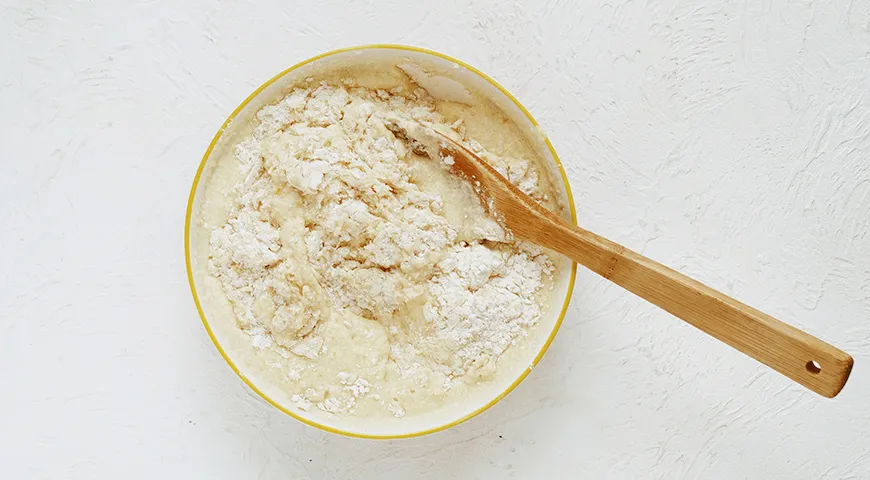
- Combine Wet and Dry: Gently fold the dry ingredients into the wet mixture using a spatula. Mix only until incorporated—overmixing develops gluten and makes the cake tough. The batter will be thick and smooth.
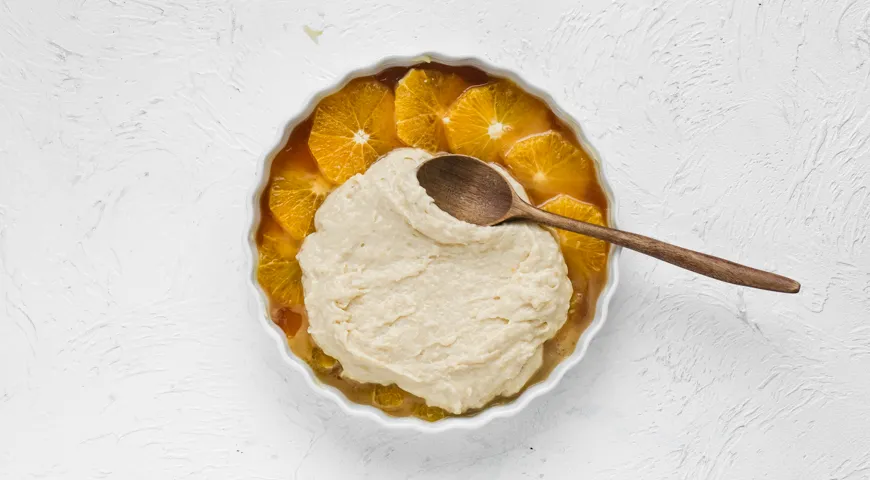
- Assemble and Bake: Carefully pour the batter over the orange slices, spreading evenly with a spatula. Bake for 40–45 minutes, until the top is golden brown and a skewer inserted into the center comes out clean. Let the cake cool in the pan for exactly 5 minutes—the steam helps release the caramel.
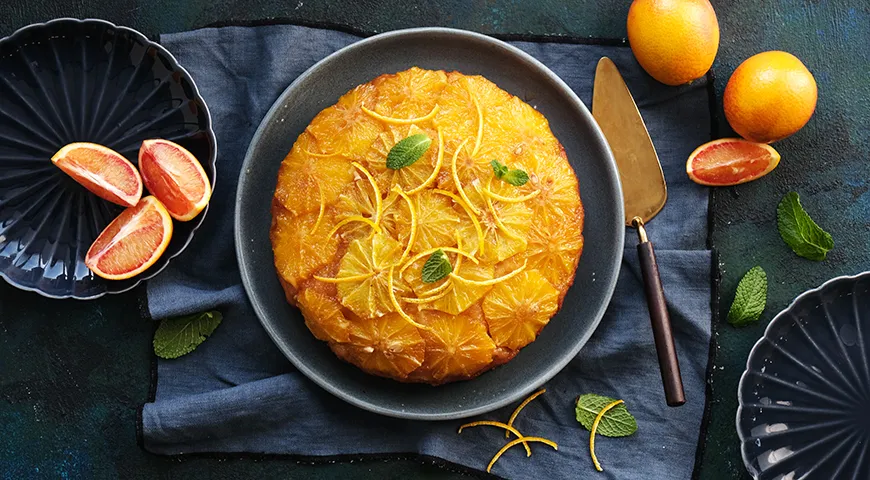
- Unmold and Serve: Place a large serving plate upside down over the cake pan. In one swift motion, invert the cake. If any orange slices stick to the pan, gently reposition them. Let the cake cool to warm before serving. Serve with whipped cream or a dollop of crème fraîche.


Tips for Perfect Caramel
Caramel is delicate yet forgiving if you follow a few rules. Use a pan with a light-colored interior to monitor color changes. Once the syrup turns amber, remove it immediately—residual heat will continue cooking. Adding cold liquids can cause sputtering, so have your orange juice and butter at room temperature. If you need precise temperature control, a refrigerant leak detector isn't relevant here, but a good candy thermometer is invaluable for caramel work. Another tip: brush down any sugar crystals from the sides of the pan with a wet pastry brush to prevent graining. For even more caramel inspiration, check out our guide on best chocolate-covered raisins—the pairing of caramel and chocolate is divine.
Variations
This cake is wonderfully adaptable. Swap oranges for blood oranges or a mix of citrus like grapefruit and lime. Add a teaspoon of ground cardamom or cinnamon to the dry ingredients for a spiced version. For a boozy kick, replace the orange juice with Grand Marnier or Cointreau. If you want a dairy-free option, use coconut oil in place of butter and almond milk with a teaspoon of vinegar instead of buttermilk. The caramel base can also be infused with a vanilla bean or a pinch of sea salt. Looking for more upside-down ideas? Try our best castor oil resource for non-food tips, but for baking, explore our best planetary mixer review for effortless batter preparation.
Frequently Asked Questions
Can I use a springform pan for this recipe?
It is not recommended because the caramel can seep through the seam. A solid one-piece pan lined with parchment is best. If you must use a springform, wrap the base tightly in foil and place it on a baking sheet to catch any drips.
Why did my caramel crystallize?
This usually happens if sugar splashes onto the sides of the pan and forms crystals. Prevent this by using a wet pastry brush to wash down the sides during cooking. Also, avoid stirring once the syrup begins to boil—stirring encourages crystallization.
Can I make this cake in advance?
Yes! The cake keeps well at room temperature for up to 2 days, covered loosely. The caramel will soften the orange topping, making it even more luscious. Reheat individual slices gently in a best wall oven microwave combo with air fryer for a warm treat.
How do I get clean slices?
Use a serrated knife and wipe it clean between cuts. Chilling the cake for 30 minutes before slicing helps the caramel set slightly, giving cleaner edges. For perfect results, invest in a best food processor for nut butter—not for slicing, but because the same motor power translates to good citrus zesting attachments.
Can I substitute kefir for buttermilk?
Absolutely—kefir and buttermilk are nearly interchangeable in baking. Both provide acidity that tenderizes the crumb and activates the baking soda. If using kefir, choose plain, unsweetened. For more on dairy alternatives, see our best organic vodka article for spirit pairings, though this cake doesn't call for it.
Conclusion
This Orange Upside-Down Cake with Caramel is a celebration of contrasts: the sharpness of citrus against the sweet caramel, the soft crumb against the sticky glaze. It is the kind of dessert that earns its place on any table—from a cozy Sunday brunch to an elegant dinner party. With careful caramel technique and premium ingredients, you can recreate the magic of a Russian bakery in your own kitchen. For more kitchen inspiration, explore our reviews on best espresso machine under 2000 or best coffee maker for Airbnb to complement your baking endeavors. Happy baking!







