


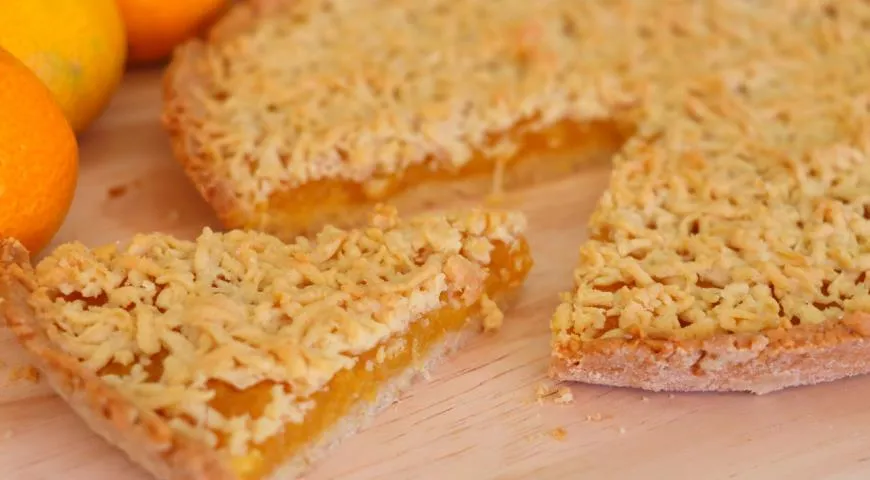
There are desserts that comfort, and then there are desserts that transport. This mandarin pie, a cherished recipe from Russian home kitchens, does both. With a buttery, crumbly crust and a luxurious citrus filling that truly melts on the tongue, it captures the bright, bittersweet essence of winter mandarins. Whether you are celebrating New Year with close friends or looking for a show-stopping children's party treat, this pie is pure joy. The secret lies in a clever technique—a portion of the dough is frozen to create a delicate, grated topping that bakes into golden, sandy crumbs. Follow this guide to recreate the magic in your own oven.
About This Mandarin Pie
This recipe comes from the Russian culinary site Gastronom, where it has earned a cult following for its incredible texture and fragrance. The filling is not a simple fruit layer: whole mandarins (seeds removed) are blitzed into a vibrant purée, then cooked with sugar and cornstarch until thick and glossy. The result is a concentrate of sunny flavor that pairs perfectly with the shortbread-like base and topping. What makes this pie exceptional is how the frozen dough grating creates a rustic, uneven crust—like a crumble but far more refined. It is equally at home at a romantic dinner or a festive buffet. For another classic citrus dessert, you might also enjoy our Catalan sponge cake, which offers a lighter, airier alternative.

Ingredients
For the dough:
– 200 g unsalted butter, softened
– 150 g granulated sugar
– 1 pinch fine salt
– 10 g vanilla sugar (or 1 tsp vanilla extract)
– 1 large egg
– 10 g baking powder
– 350 g all-purpose flour (plus extra for dusting)
For the mandarin filling:
– 5–6 medium mandarins (about 400 g total), peeled and seeds removed
– 80 g granulated sugar
– 40 g cornstarch
For the pan:
– Butter for greasing
– Flour for dusting
Step-by-Step Instructions
Step 1: Make the Dough
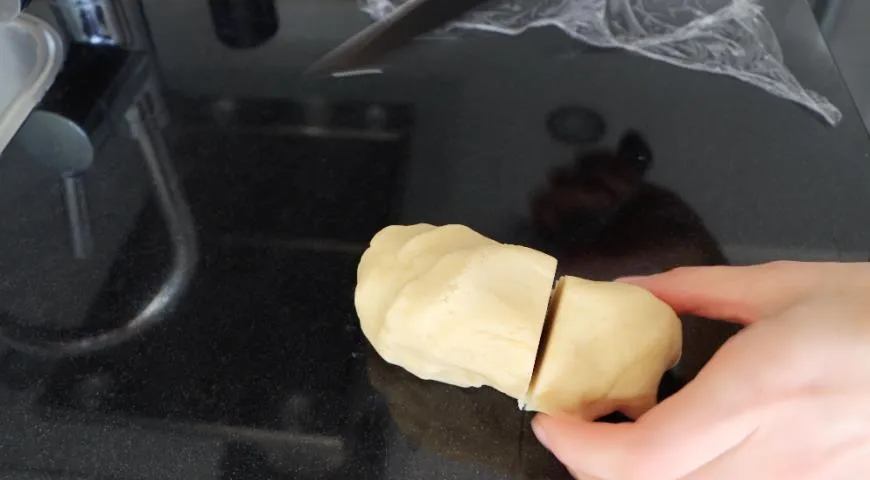
In a large bowl, beat the softened butter with the sugar, salt, and vanilla sugar until pale and creamy. Add the egg and beat again until smooth. Sift in the baking powder and flour, then mix by hand or with a planetary mixer until a soft dough forms. Divide the dough: place one‑third in the freezer and the remaining two‑thirds in the refrigerator. Chill both for at least 30 minutes.
Step 2: Prepare the Mandarin Filling
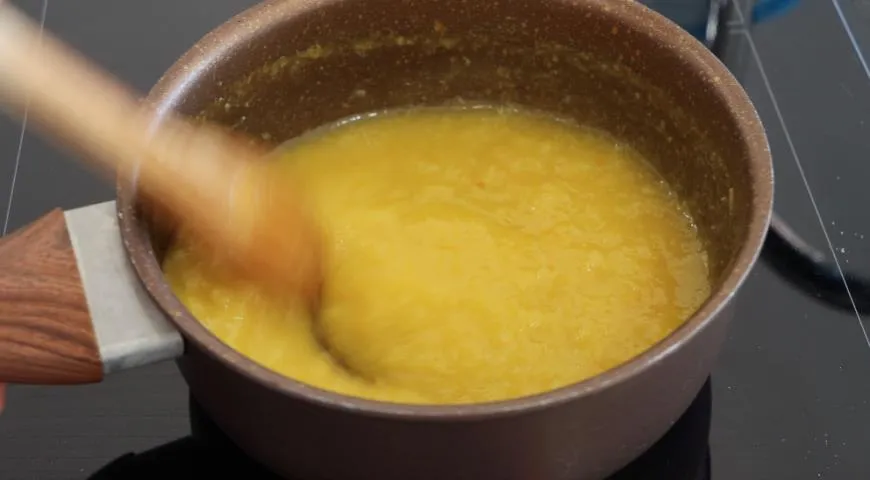
Place the peeled, seedless mandarins in a blender or food processor and purée until smooth—an immersion blender works beautifully here. Transfer the purée to a saucepan, stir in the sugar and cornstarch, and cook over medium heat, stirring constantly, until the mixture thickens and bubbles. It should be glossy and very thick. Remove from heat and let cool completely. The filling will set further as it cools, creating a firm, sliceable layer.
Step 3: Assemble and Bake
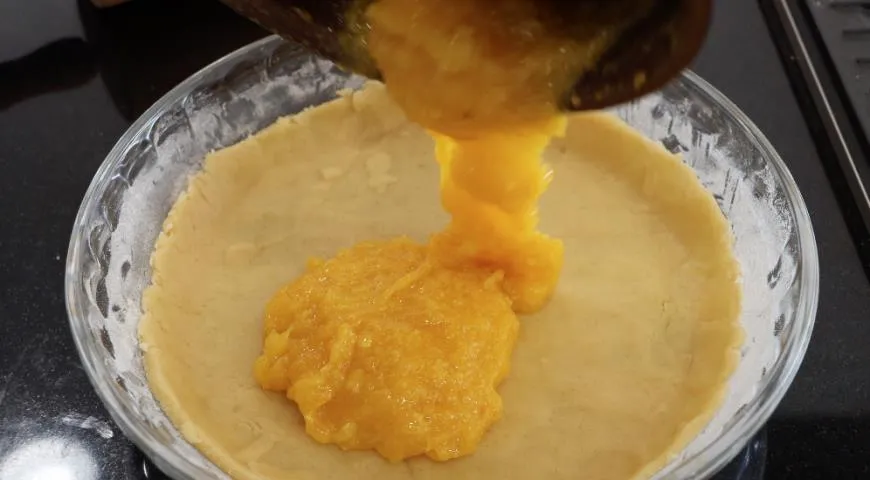
Preheat your oven to 180°C (350°F). Grease a 24‑cm round pie or tart pan with butter and dust with flour. On a lightly floured surface, roll out the chilled dough from the refrigerator to a circle about 3 mm thick. Press it into the prepared pan, forming a 2‑cm high edge. Spread the cooled mandarin filling evenly over the dough. Retrieve the frozen dough from the freezer and grate it directly over the filling using the large holes of a box grater—this creates the signature crumb topping. Bake for 30–35 minutes, or until the topping is golden brown and the edges are crisp. Cool in the pan for 10 minutes, then transfer to a wire rack. Serve warm or at room temperature with a dusting of icing sugar, a dollop of crème fraîche, or a scoop of good vanilla ice cream. For extra flair, pair with a fresh espresso or a glass of sweet dessert wine.
Tips for Perfection
– For the most vibrant flavor, use thin‑skinned, seedless mandarins like clementines or satsumas. If your mandarins are tangy, adjust the sugar in the filling slightly.
– The dough is delicate; chill it thoroughly before rolling. If it becomes too soft, pop it back into the fridge for 10 minutes.
– Grating frozen dough can be messy—wear gloves or use a light touch. The irregular pieces add wonderful texture.
– To ensure easy release, use a best oil sprayer for greasing any pan, even a non‑stick one.
– This pie keeps beautifully in an airtight container at room temperature for up to two days—if it lasts that long!
Variations
– Replace half the mandarins with fresh oranges for a deeper citrus profile.
– Add a teaspoon of ground ginger or cardamom to the dough for a spiced twist.
– For a vegan version, substitute the butter with a high‑quality plant‑based alternative (ensure it has a high fat content) and use a flax egg.
– If you prefer a less sweet pie, reduce the sugar in the filling by 20 g and let the natural sweetness of the fruit shine.
– Try using a non-toxic air fryer to bake individual tartlets: reduce the temperature to 170°C and bake for 15–18 minutes.
FAQ
Can I use canned mandarins instead of fresh?
Fresh mandarins are strongly recommended for the best texture and bright flavor. Canned ones are often packed in syrup and lack the intensity needed for the filling. If you must substitute, drain them well and reduce added sugar.
Do I need to remove the white pith?
No, the pith contains natural pectin that helps thicken the filling, plus it adds a pleasant bitterness that balances the sweetness. Just remove the tough outer skin and any seeds.
Why did my filling stay runny?
Ensure you cook the filling long enough—it should bubble and become very thick. Also, allow it to cool completely before assembling; the starch will set as it cools. If it’s still thin, you can simmer it for another minute with a little extra cornstarch dissolved in water.
Can I freeze the baked pie?
Yes! Once fully cooled, wrap the pie tightly in plastic wrap and aluminum foil, then freeze for up to one month. Thaw in the refrigerator overnight and reheat gently in a convection oven at 150°C for 10 minutes to restore crispness.
What is the best way to grate frozen dough?
For consistent shreds, freeze the dough piece until it is very firm but not rock‑hard (about 30 minutes). Use a box grater with large holes; if the dough starts to soften, return it to the freezer for 5 minutes. You can also pulse the frozen dough in a food processor with a glass bowl to make coarse crumbs instead of grating.
Can I make this pie gluten‑free?
Absolutely. Substitute the all‑purpose flour with a high‑quality 1:1 gluten‑free baking blend. Add ½ teaspoon of xanthan gum if your blend doesn’t include it. The dough may be a little more fragile, so chill it well and handle gently.
My pie browned too quickly on top—should I cover it?
If the crumb topping reaches a deep golden color before the dough is fully cooked through, tent the pie loosely with aluminum foil for the last 10 minutes of baking. Check your oven temperature with an oven thermometer for accuracy.
This mandarin pie is more than a recipe—it is a winter ritual. The scent of citrus and butter fills the kitchen, and every slice brings a moment of pure, melt‑away bliss. Whether you serve it for a birthday celebration or a quiet evening by the fire, it will become a beloved tradition. For more inspiration, explore our guide to undercounter ice makers (perfect for keeping drinks cold while you bake) or learn about 48‑inch built‑in refrigerators to store your holiday bounty. Happy baking!







