


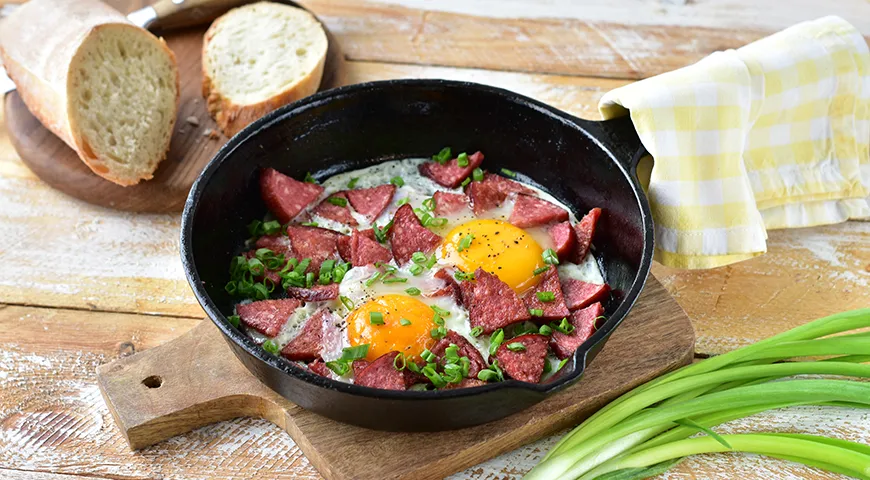
A timeless breakfast staple emerges from the heart of Russian home cooking: Yaichnitsa s Kolbasoi—scrambled eggs with sausage, crisped to perfection in a humble skillet. This dish marries the simple comfort of farm-fresh eggs with the savory, smoky depth of pan-fried sausage, all while inviting you to embrace the art of a perfectly runny yolk. Whether you are a novice cook or a seasoned gourmand, this recipe unlocks the secret to a breakfast that feels both indulgent and effortless. Let us guide you through the nuances—from selecting the right sausage to achieving that ideal golden crust—so you can recreate this Russian classic with confidence and flair.
About This Dish
In Russian cuisine, few dishes are as beloved or as versatile as yaichnitsa. Traditionally cooked in a cast-iron or non-stick skillet, it is a canvas for whatever ingredients the pantry provides—sausage, bacon, onions, or cheese. The beauty lies in its simplicity: high-quality eggs are gently scrambled while the sausage develops a caramelized crust, then joined together just long enough for the whites to set. The result is a textural symphony: crisp edges, tender curds, and a silky yolk that acts as a natural sauce. For those who appreciate the science of cooking, this dish is a masterclass in heat control and timing.

Ingredients
- 2 large eggs
- 20 ml vegetable oil (such as sunflower or canola)
- 2 green onion stalks
- Salt to taste
- Freshly ground black pepper to taste
- 100 g smoked or semi-smoked sausage (e.g., kielbasa or servelat)
For the best results, choose a sausage with a pronounced smoky flavor and a firm texture, which will hold up well during frying. If you prefer a leaner option, consider using chicken or turkey sausage—just adjust the cooking time accordingly. The oil should be neutral enough to let the sausage shine; avoid extra-virgin olive oil as it can overpower the dish.
Step-by-Step Instructions
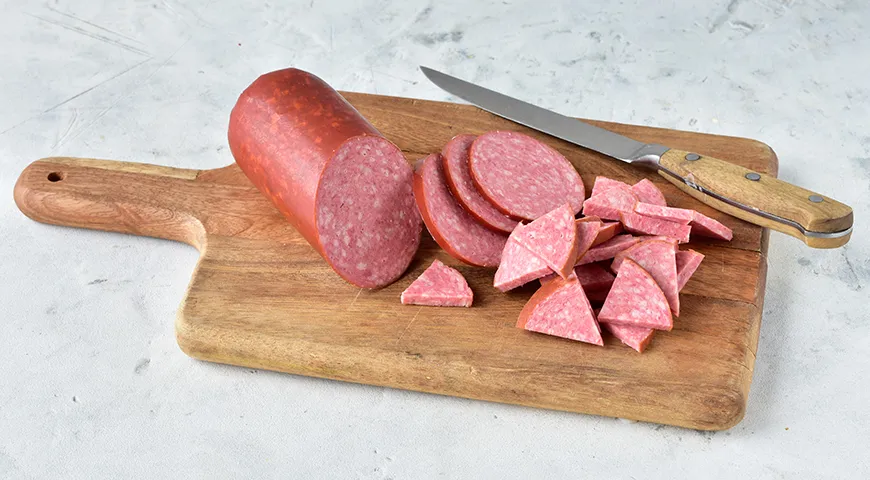
Step 1: Prepare all ingredients. Wash the eggs thoroughly, rinse the green onions and pat them dry. Remove the sausage casing and cut the sausage into thin strips, small cubes, or any shape you prefer—uniform size ensures even cooking.
Step 2: Heat a non-stick skillet over medium heat and add the vegetable oil. Once the oil shimmers, reduce the heat to moderate and lay the sausage pieces in a single layer. Fry them undisturbed for 2–3 minutes until golden brown on one side, then flip and repeat. The goal is a crisp exterior while keeping the inside juicy.

Step 3: Using a wooden spatula, push the sausage pieces to one side to create room for the eggs. Crack the eggs one at a time into a small bowl (to avoid shell fragments), then gently pour them into the cleared space. If you prefer intact yolks, use the blunt side of a knife to crack the shell cleanly.
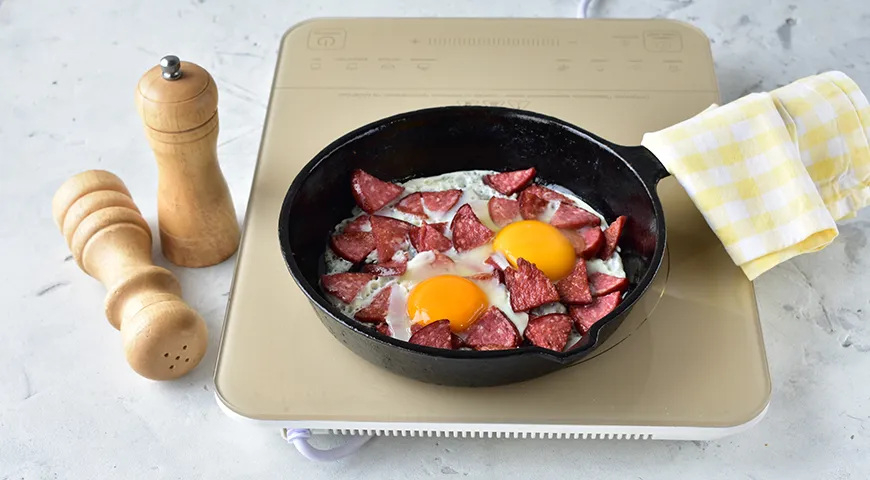
Step 4: Let the egg whites cook undisturbed until they set around the edges. Then, use the spatula to gently stir the whites with the sausage slices, taking care not to break the yolks completely. Season with salt and freshly ground black pepper to taste.
Step 5: Continue cooking without a lid until the whites are fully opaque and the yolks have reached your desired doneness—ideally still slightly runny in the center, which provides a luscious contrast to the crispy sausage.
Step 6: Serve immediately, straight from the skillet. Garnish with chopped green onions and accompany with toasted bread, lavash, crunchy croutons, or crispbread. The bread is perfect for sopping up any remaining yolk.
Tips for Perfect Scrambled Eggs with Sausage
- Use a high-quality non-stick skillet to prevent sticking and ensure even heat distribution; a good oil sprayer can help control fat usage.
- Do not overcrowd the pan—cook in batches if needed. Overcrowding causes steaming rather than browning.
- For extra richness, finish the eggs with a knob of butter just before serving.
- If you prefer fully set yolks, cover the skillet for the last 30 seconds of cooking.
- Experiment with different sausages: smoked or spicy varieties add unique flavor profiles.
Variations
This recipe is endlessly adaptable. Add sautéed onions or bell peppers alongside the sausage for a hearty hash. Sprinkle shredded cheese (such as gouda or cheddar) over the eggs moments before they finish cooking. For a Mediterranean twist, toss in cherry tomatoes and fresh herbs. If you have an air fryer, you can even pre-crisp the sausage there for a different texture. The possibilities are as wide as your imagination.
FAQ
1. Can I use raw sausage instead of pre-cooked?
Absolutely. If using raw sausage, slice it and cook thoroughly until no longer pink inside—about 5–7 minutes on medium heat. Ensure the internal temperature reaches 71°C (160°F). For a safer approach, use a microwave pressure cooker to pre-cook.
2. What type of pan is best for this dish?
A non-stick skillet with a diameter of 20–24 cm works perfectly. It allows the eggs to slide off easily and reduces the need for excess oil. If you have a planetary mixer handy, you can whisk the eggs first for a fluffier scramble.
3. How do I prevent the yolks from breaking?
Always crack eggs into a separate bowl first—this lets you fish out any shell bits. When adding to the pan, slide them gently from the bowl. Use a thin spatula to stir the whites, avoiding the yolks directly.
4. Can I make this dairy-free?
Yes. The recipe already uses vegetable oil; simply omit any cheese or butter. For an extra creamy texture without dairy, add a splash of unsweetened plant-based milk while whisking the eggs. Check out organic options for clean ingredients.
5. What is the best way to reheat leftovers?
Reheat in a non-stick pan over low heat, stirring occasionally to avoid overcooking. Alternatively, use an air fryer oven combo at 160°C for 3–4 minutes. Avoid the microwave, as it makes the eggs rubbery.
6. How can I make this dish more filling?
Serve alongside roasted potatoes, avocado slices, or a fresh salad. You can also add a side of Catalan sponge for a sweet-savory brunch experience. Or simply double the sausage and egg quantities.
7. Is it possible to use liquid egg whites?
Yes, but the texture will be less rich. If using only whites, add a pinch of turmeric for color and cook over medium-low heat to prevent drying. Consider pairing with a wheatgrass juicer for a nutrient-packed breakfast.
8. What green onion substitutes work?
Chives, scallions, or even finely chopped parsley. For a sharper bite, use red onion minced fine. A glass food processor makes chopping a breeze.
9. Can I add cheese?
Absolutely. Fold in 30–50 g of grated cheese (e.g., cheddar, mozzarella) just before the eggs are fully set. The cheese melts into the eggs and creates a creamy, gooey layer. For the best melting, use a refrigerant leak detector to keep your cheese storage optimal.
10. How do I clean the pan after cooking?
Let the pan cool slightly, then fill with warm soapy water and let it soak for a few minutes. Use a soft sponge to avoid scratching the non-stick surface. For stubborn residue, a commercial convection oven's self-cleaning cycle might be overkill, but a gentle scrub works wonders.
Now you have all the knowledge to recreate this beloved Russian breakfast at home. Remember, the secret lies in the quality of your ingredients and the patience to let each element shine. Enjoy your yaichnitsa s kolbasoi—a humble yet extraordinary dish that proves the best meals are often the simplest.







