


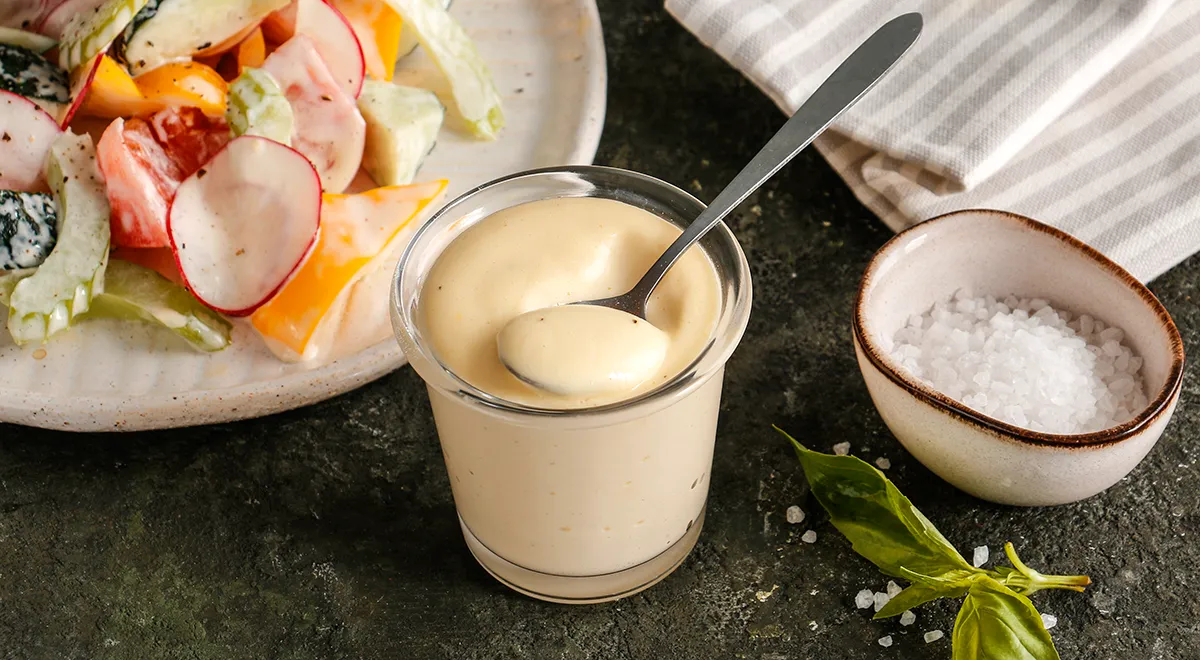
There is an almost mythical reverence surrounding homemade mayonnaise. Unlike its commercial counterparts, a classic mayonnaise crafted in your own kitchen possesses a velvety richness and a bright, clean flavour that can elevate everything from a simple sandwich to an elaborate air-fried salmon. This Russian recipe, passed down through generations, delivers a foolproof emulsion that is both stable and supremely luscious. By using a handful of pantry staples and a reliable technique, you can transform humble ingredients into a silky, golden sauce that defines the art of fine condiments.
About This Classic Mayonnaise
Classic mayonnaise is an emulsion of egg yolks, oil, and an acid, traditionally lemon juice or vinegar. The Russian version, as presented here, is notable for its inclusion of a small amount of warm water at the end, which lightens the texture and improves stability. This method, paired with the use of a powerful non-toxic immersion blender, yields a mayonnaise that is neither too thick nor too thin—perfect for spreading, dipping, or dressing. The key is patience during the initial oil addition, ensuring each drop is fully incorporated before adding the next. This recipe makes approximately 240 ml of mayonnaise, enough for a week of culinary delights when stored properly.

Ingredients
- 2 large egg yolks (room temperature)
- 1 teaspoon Dijon mustard (or regular mustard)
- 2 teaspoons fresh lemon juice
- Fine sea salt, to taste
- Freshly ground black pepper, to taste
- 200 ml refined vegetable oil (sunflower or grapeseed)
- 40 ml warm water
Step-by-Step Instructions
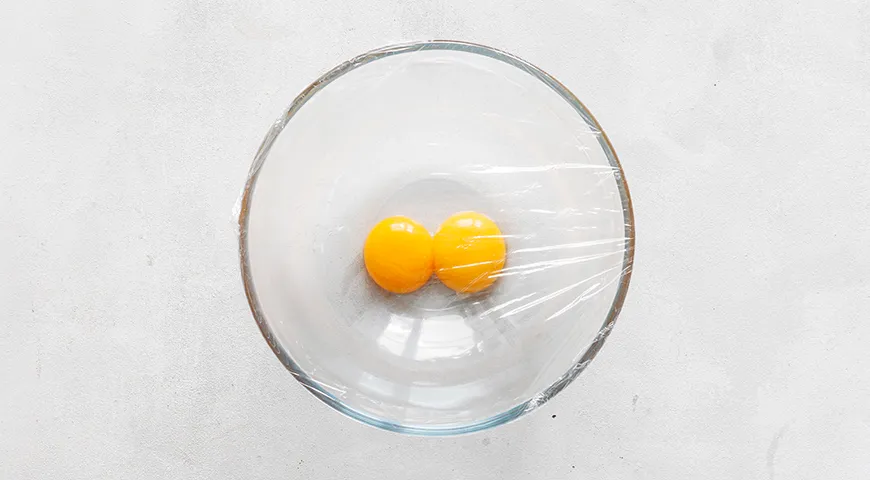
- Prepare all ingredients. Separate the eggs, placing the yolks in a glass or ceramic bowl. Cover the bowl with plastic wrap and let the yolks come to room temperature for 20 minutes. This step ensures a smoother emulsion.
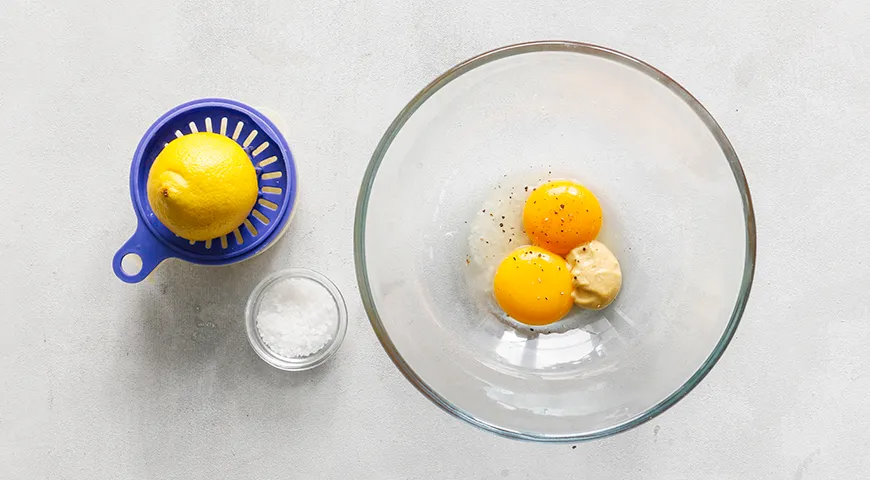
- Add the mustard, lemon juice, sea salt, and black pepper to the bowl with the yolks. Blend using an immersion blender or a hand mixer for about 30 seconds until the mixture is homogeneous and slightly thickened.
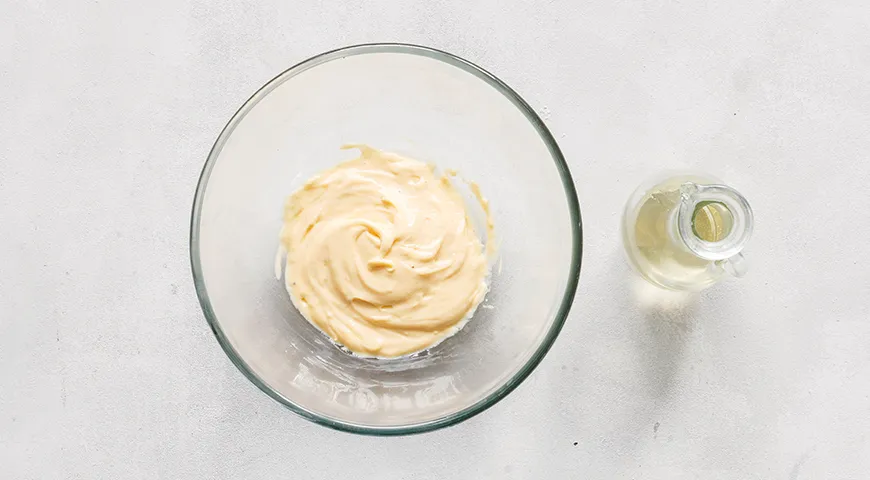
- Measure 100 ml of vegetable oil. While blending on high speed, add the oil one tablespoon at a time, allowing each addition to be fully emulsified before adding the next. This process takes about 5–7 minutes. The mixture will thicken noticeably and become pale and creamy.
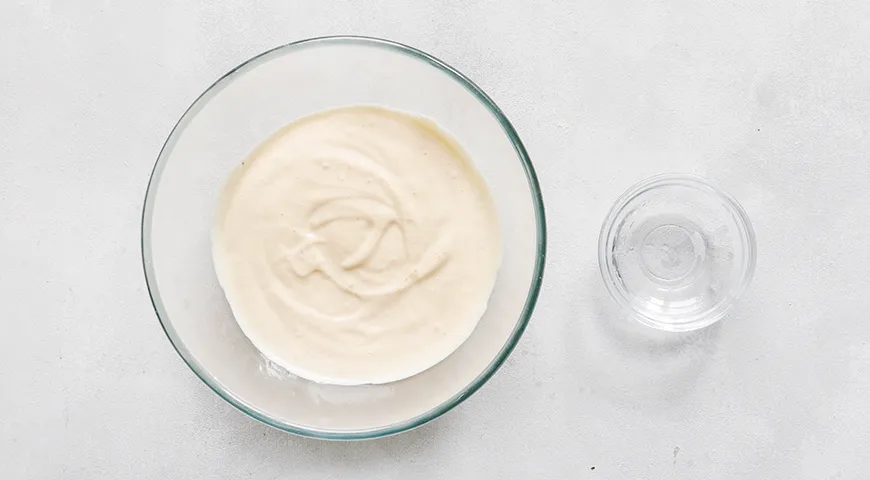
- Once the first 100 ml of oil is incorporated, pour in the remaining 100 ml of oil and the warm water. Continue blending for another 30 seconds until the mayonnaise is smooth and glossy. Transfer to a sterilized glass jar with a screw-top lid. Store in the refrigerator for up to 5 days.
Tips for Perfect Emulsion
Achieving a stable mayonnaise relies on temperature and technique. Always bring your eggs to room temperature; cold yolks resist emulsification. Use a refined oil with a neutral flavour—olive oil can be too pungent. If the mixture splits, rescue it by placing a fresh yolk in a clean bowl and slowly whisking the broken mayonnaise into it. For an even lighter texture, you can use a planetary mixer with the whisk attachment. The final splash of warm water is a secret that helps the mayonnaise dial down into a silky consistency.
Flavour Variations
The classic recipe is a blank canvas. Consider adding a crushed garlic clove for aioli, or a handful of fresh dill and tarragon for a herbaceous twist. Smoked paprika or cayenne pepper offer a gentle heat. For a tangier finish, swap lemon juice for white wine vinegar. These modifications can turn your homemade mayonnaise into a signature condiment, perfect for pairing with chocolate-covered raisins? Well, perhaps not, but it’s ideal with seafood, roasted vegetables, or as a base for dressings. Always taste and adjust seasoning before storing.
FAQ
Can I use whole eggs instead of just yolks?
Yes, but the texture will be thinner and less rich. The classic recipe uses only yolks for maximum creaminess and stability. If you decide to use whole eggs, reduce the water slightly. A food processor works well for whole-egg mayonnaise.
Why did my mayonnaise break?
Breaking typically occurs when the oil is added too quickly or the ingredients are too cold. To fix it, start a new yolk in a clean bowl and slowly drizzle the broken mixture into it while blending. For prevention, always emulsify at a steady, slow pace and ensure all components are at room temperature. A reliable immersion blender is a worthwhile investment.
How long does homemade mayonnaise keep?
Stored in a sealed glass jar in the refrigerator, classic mayonnaise will last 3 to 5 days. The fresh lemon juice acts as a natural preservative. Do not freeze it, as the emulsion will break upon thawing. Use a clean, dry spoon each time to avoid contamination. Consider using a counter ice maker for cocktails—just not with mayonnaise.
Can I use olive oil?
Extra virgin olive oil has a strong, peppery flavour that can dominate. For a more delicate taste, use a blend of 70% neutral oil and 30% good-quality olive oil. This yields a fruity yet balanced mayonnaise. A best oil sprayer can help if you want to add oil very gradually.
What is the purpose of warm water?
The warm water (approximately 40°C) helps thin the finished mayonnaise slightly, making it easier to spread and less stiff. It also stabilizes the emulsion, especially if you are using a blender. This step is a signature of Russian homemade mayonnaise and sets it apart from French styles. For more on kitchen gadgets, see our best espresso machine under 2000—perfect for a post-mayo coffee break.
Enjoy this classic mayonnaise as a testament to the beauty of simple, well-executed technique. Whether you use it in a potato salad, spread it on a BLT, or serve it alongside countertop convection oven roasted chicken, it will become a staple in your repertoire. For more refined condiments and cooking wisdom, explore our collection of recipes and reviews, including Catalan sponge cake and George Howell coffee to complete your culinary journey.







