


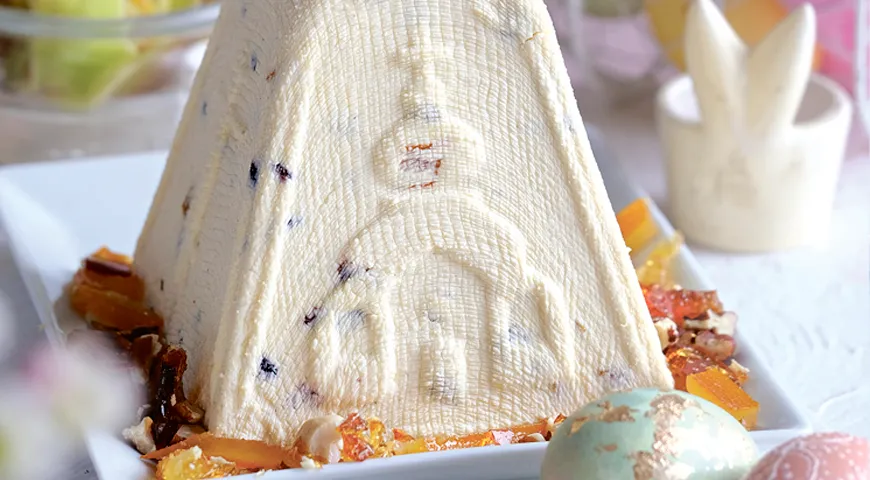
In the heart of Russian Easter traditions lies a dessert that transcends time: the classic curd paskha, or tvorozhnaya pasha. This rich, creamy, and subtly spiced delicacy is not just a dish—it's a symbol of renewal and celebration, crafted from simple ingredients transformed through patience and technique. Traditionally prepared during Holy Week and blessed in church, paskha is the centerpiece of the Easter feast, enjoyed alongside kulich. Our version honors the classic recipe, using high-quality 9% fat curd, golden butter, and a medley of aromatic spices. Whether you're a seasoned baker or a curious home cook, this guide will walk you through every step, from draining the curd to the final caramel garnish. Ready to create a masterpiece? Let's begin.
About This Easter Classic
Paskha, named after the Russian word for Easter, is a molded dessert that symbolizes the Holy Sepulchre and the resurrection. Unlike cheesecake or mousse, its texture is uniquely dense yet spoon-tender, thanks to a long draining process that removes excess whey. The result is a rich, velvety base that carries the flavors of vanilla, cinnamon, ginger, and cardamom effortlessly. This recipe uses 8 egg yolks for a luxurious golden hue, and 33% cream for extra decadence. The final touch—a shard of homemade caramel—adds a bitter-sweet crunch that contrasts beautifully with the creamy curd. For a foolproof preparation, use a reliable best non-toxic immersion blender to blend the curd mixture to silky perfection, avoiding lumps that can mar the texture.

Ingredients
- 1 kg full-fat curd (9% fat)
- 200 g unsalted butter
- 300 g heavy cream (33% fat)
- 8 large egg yolks
- 300 g granulated sugar
- 10 g vanilla sugar or vanilla extract
- 2 g ground cinnamon
- 2 g ground ginger
- 2 g cardamom (ground)
- 70 g raisins
- For caramel: 200 g sugar + 70 ml water
For the best results, choose organic, high-fat dairy. The curd must be at least 9%—low-fat versions will not set properly. If you enjoy intense spice notes, a best food processor for nut butter can also grind whole cardamom pods and cinnamon sticks into a fine powder for fresher flavor.
Step-by-Step Instructions
Step 1: Drain the curd. Place the curd in a clean muslin or cheesecloth bag. Suspend it over a bowl for 8 hours at room temperature, allowing the whey to drip away. This step is crucial—removing moisture ensures a firm, sliceable paskha. Use a best steam canner to sterilize your cloth if needed, but a simple boil will also work.
Step 2: Clarify the butter. Melt the butter in a small saucepan over the lowest heat. Let it stand, then skim off the white milk solids, leaving only the clear golden fat (ghee). This prevents bitterness and gives a clean dairy flavor.
Step 3: Combine base ingredients. In a heavy-bottomed pot, mix the drained curd, clarified butter, and cream. Use a sturdy whisk or an best immersion blender to blend until completely smooth and homogenous.
Step 4: Create a water bath. Place the pot over a water bath (bain-marie) on low heat. Stir constantly as the mixture warms. Do not cover. When steam begins to rise, the mixture becomes fluid—this is your cue for the next step.
Step 5: Prepare the yolks. Press the egg yolks through a fine sieve into a bowl. Add the sugar and whisk until pale and thick (ribbon stage). This aeration helps lighten the final texture.
Step 6: Incorporate yolks. Gently fold the yolk-sugar mixture into the hot curd. Stir continuously to prevent curdling. The mixture should stay smooth and glossy. A best planetary mixer can make this step effortless, but hand whisking is traditional.
Step 7: Add spices. Stir in the vanilla, cinnamon, ginger, and cardamom. Continue cooking over the water bath, stirring often, for exactly 20 minutes. The mixture will thicken slightly.
Step 8: Add raisins. Rinse the raisins and pat dry. Fold them in along with any candied fruit (optional). Cook for 5 more minutes.
Step 9: Mold the paskha. Line a traditional wooden or plastic paskha mold (or a terracotta flower pot with holes) with damp cheesecloth. Place it upside down over a jar or small pot so the wide end is up. Spoon the hot curd mixture into the mold, pressing firmly to eliminate air pockets. Let cool at room temperature for 2–3 hours.
Step 10: Press and chill. Once cooled, place a weight (about 500 g) on top. Refrigerate for 10–12 hours, or overnight. The weight helps compress the paskha and release any remaining liquid.
Step 11: Prepare caramel garnish. In a clean saucepan, dissolve 200 g sugar in 70 ml water over medium heat. Cook without stirring until deep amber. Pour onto a parchment-lined sheet and let harden. Break into shards. For precise temperature control, an best espresso machine under 2000 is overkill, but a candy thermometer works perfectly.
Step 12: Unmold and decorate. Invert the paskha onto a serving platter. Carefully remove the cloth. Use a flat knife to smooth any blemishes. Decorate with caramel shards and additional candied fruit or almonds. A final dusting of cinnamon or gold leaf elevates the presentation. Serve chilled.
Tips for Perfect Paskha
- Temperature matters: Keep the water bath at a gentle simmer—never boiling—to avoid curdling the yolks. An best air fryer non-toxic won't help here, but a good double boiler setup is essential.
- Texture control: If your curd is very wet, extend draining time to 10–12 hours. For a silkier result, force the drained curd through a sieve before mixing.
- Flavor enhancements: Add a tablespoon of orange zest or a splash of dark rum to the raisin mixture for depth. Pair with a best sweet wine with high alcohol content like Madeira for a festive pairing.
- Storage: Paskha keeps in the fridge for up to 5 days—if it lasts that long. Wrap tightly in plastic to prevent drying.
Variations
While this classic version is beloved, you can adapt the recipe to your palate. Replace the raisins with dried apricots or figs for a different sweetness. For a spice-free rendition, omit ginger and cardamom and add a teaspoon of rose water. If you're short on time, a best microwave pressure cooker can speed up the curd draining (though traditionalists may disagree). For a dairy-free twist, substitute the cream with coconut cream and use vegan butter—though the texture will be less firm. And for an extra touch of luxury, fold in crushed pistachios or even gold leaf.
FAQ
What is the ideal fat content for curd in paskha?
Full-fat (9% or more) is non-negotiable. Low-fat curd contains too much water, leading to a runny paskha that won't hold its shape. Always check the package.
Can I use store-bought quark instead of curd?
Yes, but it's usually drier. Adjust draining time: quark may need only 2–4 hours. Look for extra-creamy varieties. A best chocolate covered raisins comparison is irrelevant, but the lesson is to choose quality ingredients.
How long does it take to drain the curd?
At least 8 hours at room temperature. If your kitchen is warm, place the draining bag in the fridge to avoid spoilage—though it will take longer (12–14 hours).
Do I need a special paskha mold?
Traditional molds are nice but not essential. A clean terracotta flower pot with drainage holes lined with fabric works perfectly, or even a colander. The key is allowing liquid to escape and compressing the mixture.
Can I freeze paskha?
Freezing changes the texture—it becomes slightly grainy upon thawing. If you must, freeze in an airtight container for up to 1 month. Thaw overnight in the fridge and re-mold if needed. Use an best undercounter ice maker machine for ice, not for this dessert.
Why did my paskha turn out grainy?
Graininess usually comes from curd that was not drained enough or from overheating the yolks. Keep the water bath gentle and stir constantly. A best oil sprayer won't fix the issue, but patience will.
Conclusion
Classic curd paskha is more than a recipe—it's a labor of love that yields a dessert worthy of the most sacred celebration. The creamy, spice-kissed curd, the satisfying weight of tradition, and the crackle of caramel make every bite memorable. While it requires time and care (and a trusty best wheatgrass juicer is not needed), the result is a showstopper that will impress guests and honor the spirit of Easter. For a complete feast, serve it with a slice of kulich and a dollop of clotted cream. We hope this guide inspires you to create your own family tradition. Happy Easter!







