


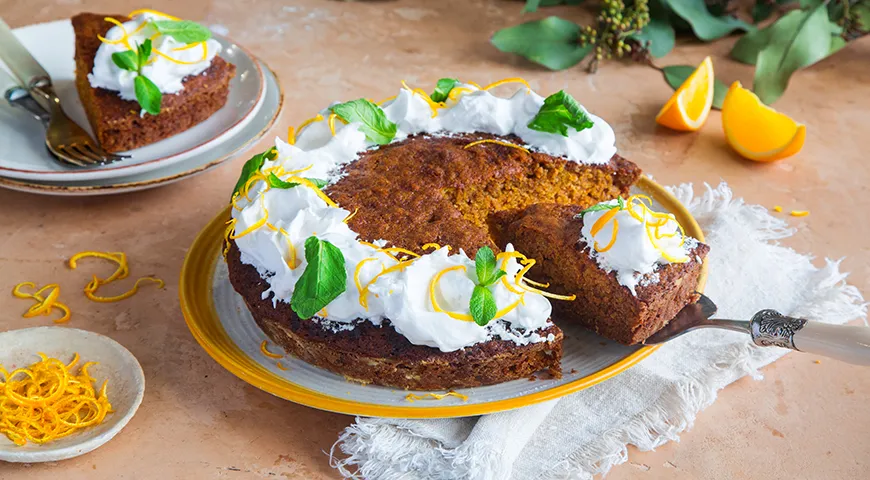
There is something deeply comforting about a cake that bridges the gap between indulgence and wholesomeness. This Carrot and Orange Cake, a beloved classic from Russian home kitchens, does exactly that. The natural sweetness of carrots mingles with the bright, citrusy notes of fresh orange, creating a tender crumb that is both aromatic and satisfying. Baked in a round pan and finished with a simple glaze or left unadorned, this cake is perfect for afternoon tea, a Sunday brunch, or as a thoughtful homemade gift. In this article, we will explore the nuances of this recipe, offer expert tips, and answer frequently asked questions to help you achieve bakery-quality results every time.
About This Carrot and Orange Cake
This recipe is a testament to how humble ingredients can be transformed into something extraordinary. Carrots provide moisture and natural sweetness, while orange zest and juice add a burst of freshness that cuts through the richness. The warm spices—cinnamon and nutmeg—create a cozy backdrop that pairs beautifully with the citrus. Unlike some carrot cakes that rely heavily on cream cheese frosting, this version is lighter, letting the fruit and spice flavors shine. It is also incredibly versatile: you can enjoy it plain, dusted with powdered sugar, or drizzled with a simple glaze. For those who appreciate a bit of crunch, adding chopped walnuts (as suggested in the original recipe) elevates the texture and adds a nutty depth.

Ingredients
- 200 g all-purpose flour
- 200 g granulated sugar
- 1 tsp baking soda
- 1 tsp ground cinnamon
- ½ tsp salt
- ½ tsp freshly grated nutmeg
- Zest of 1 large orange
- 1 large orange, peeled, segmented, and each segment cut in half crosswise
- 200 g carrots, peeled and finely grated
- 120 ml vegetable oil (such as sunflower or canola)
- 2 large eggs
- 1 tsp vanilla extract
- Butter and flour for the pan
Optional: 50 g chopped walnuts
Step-by-Step Instructions
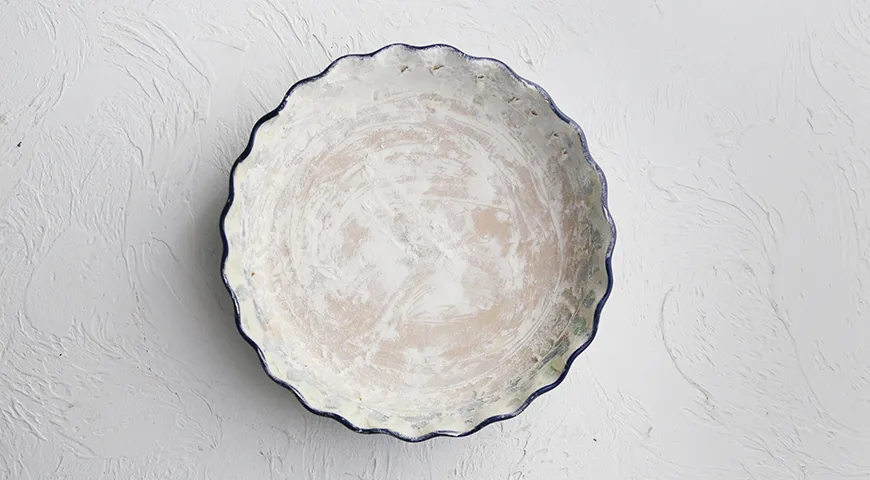
- Preheat and prepare the pan. Preheat your oven to 175°C. Grease a round cake pan (approximately 22 cm diameter) with butter and dust with flour, tapping out any excess. Using a high-quality oven ensures even heat distribution for a perfectly baked cake.
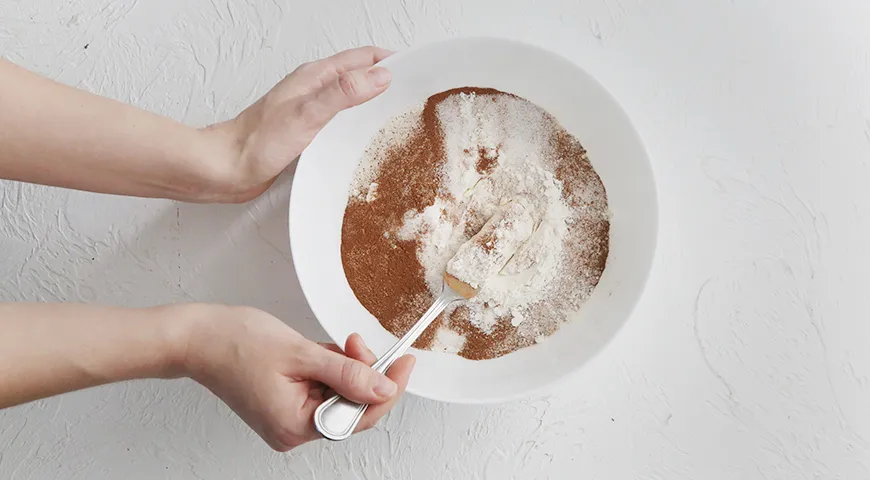
- Mix dry ingredients. In a separate bowl, whisk together the flour, sugar, baking soda, cinnamon, salt, and nutmeg. For a lump-free mix, a planetary mixer with a whisk attachment works wonders, but a hand whisk is perfectly fine.
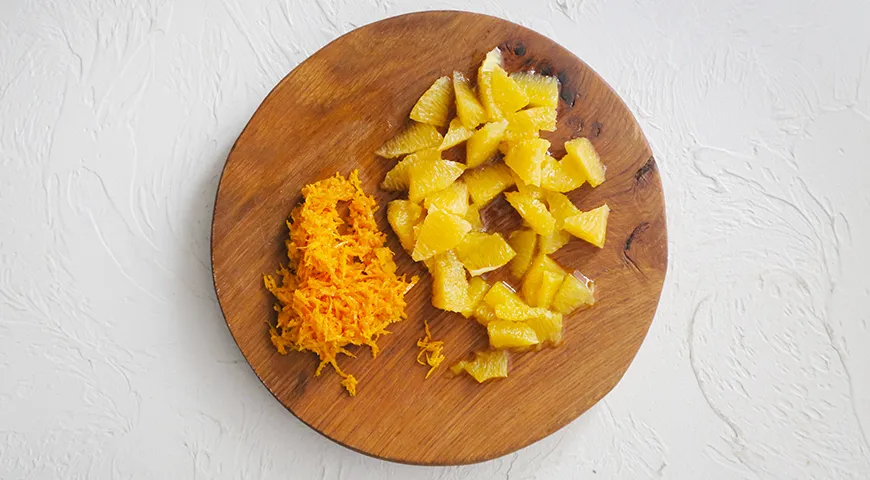
- Zest and segment the orange. Use a fine grater to remove the zest from the orange, being careful to avoid the bitter white pith. Then peel the orange completely, remove any white membranes, and separate into segments. Cut each segment in half crosswise. A food processor can simplify zesting and chopping tasks.
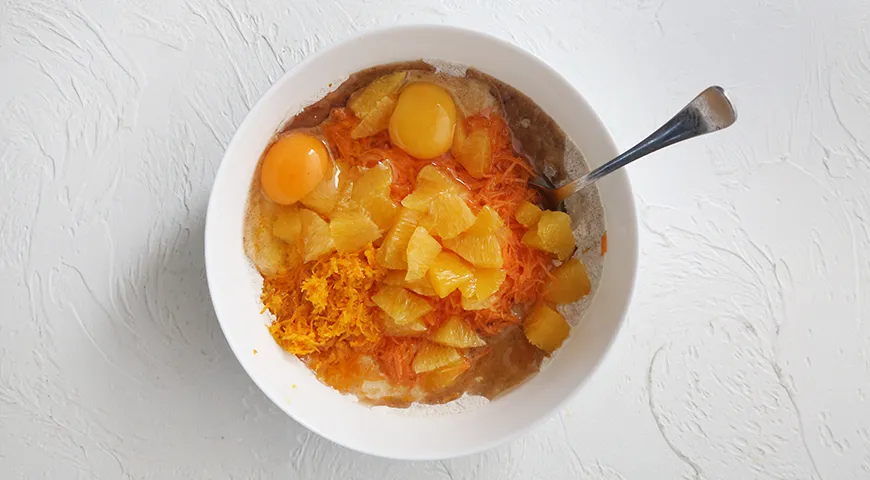
- Combine wet ingredients with carrots. Grate the carrots finely. In another bowl, mix the grated carrots, orange segments, vegetable oil, eggs, vanilla extract, and the orange zest. Pour this wet mixture into the dry ingredients and fold gently with a rubber spatula until just combined. Overmixing can lead to a dense cake, so stir only until no streaks of flour remain. For a lighter batter, an immersion blender with a whisk attachment can be helpful.
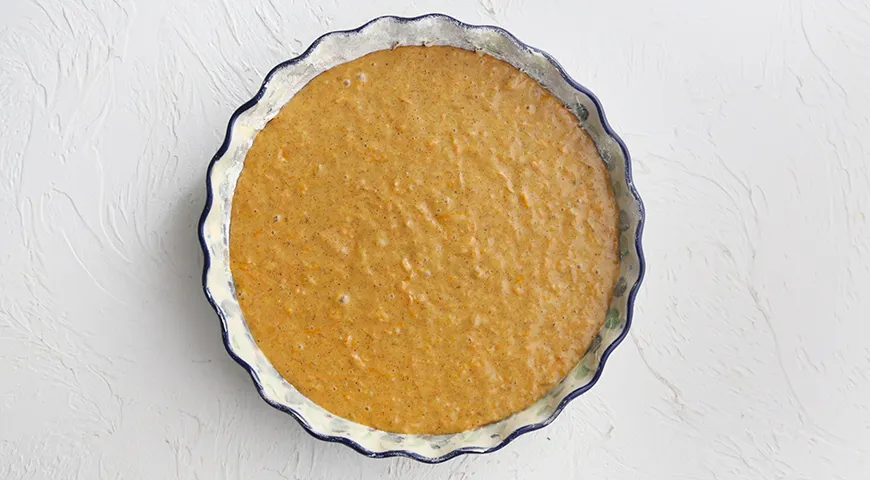
- Bake the cake. Pour the batter into the prepared pan and smooth the top. Bake for 40–50 minutes, or until a wooden skewer inserted into the center comes out clean. Oven times may vary; a convection oven can reduce baking time slightly. If the top browns too quickly, tent loosely with foil.
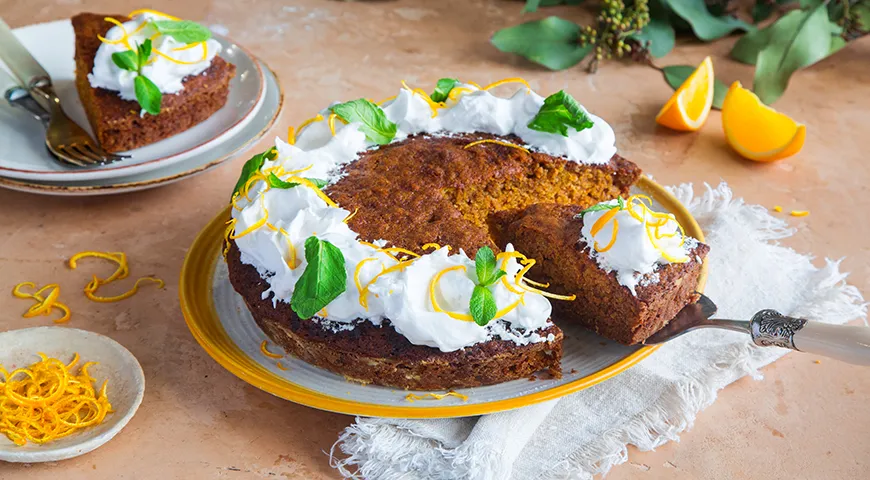
- Cool and serve. Let the cake rest in the pan for 5–7 minutes, then turn it out onto a wire rack to cool completely. If desired, dust with powdered sugar or drizzle with a simple glaze (mix 100 g powdered sugar with 2–3 tablespoons orange juice). For an extra touch, chopped walnuts stirred into the batter before baking add delightful crunch. Store any leftovers in an airtight container at room temperature for up to 3 days.
Tips for the Perfect Carrot and Orange Cake
- Use fresh spices. Freshly grated nutmeg and high-quality cinnamon make a noticeable difference. Store spices in a cool, dark place.
- Grate carrots finely. Fine grating ensures they blend seamlessly into the batter without leaving chunks. A juicer can also be used if you need to juice carrots, but for this cake, grating is best.
- Don't overmix. Fold just until the flour disappears to keep the cake tender.
- Check doneness early. Oven temperatures vary; start checking at 40 minutes. A wooden skewer should come out clean or with a few moist crumbs.
- Add nuts for texture. Toasting walnuts beforehand intensifies their flavor. You can also replace walnuts with pecans or almonds.
Variations
This cake is wonderfully adaptable. For a gluten-free version, substitute the all-purpose flour with a 1:1 gluten-free blend. To make it dairy-free, ensure your butter substitute for greasing is plant-based. Add a handful of raisins or dried cranberries for extra sweetness, or incorporate a teaspoon of ground ginger for added warmth. If you prefer a cream cheese frosting, a simple sweet wine reduction can be drizzled on top for a sophisticated twist. The orange component can also be swapped with lemon or grapefruit for a different citrus profile.
FAQ
What is the best pan size for this cake?
A round pan of approximately 22 cm diameter works best. If using a different size, adjust baking time accordingly. For loaf pans, increase time by 10–15 minutes.
Can I use store-bought orange juice instead of fresh orange?
Fresh orange is crucial for both zest and juice. The zest provides essential oils that give the cake its vibrant flavor. High-quality bottled orange juice may work in a pinch, but the result will be less aromatic.
Why did my cake turn out dense?
Overmixing the batter after adding the flour can develop gluten, leading to a dense texture. Also, ensure your baking soda is fresh. Check its expiration date before use. Using a digital scale for accurate measurements helps maintain the correct ratio.
Can I freeze this cake?
Yes, the cake freezes beautifully. Wrap it tightly in plastic wrap and then in foil. Freeze for up to 3 months. Thaw at room temperature before serving. You can also freeze the glazed cake—just note the glaze may soften.
How can I make this cake more moist?
Ensure you do not overbake. Also, adding an extra tablespoon of oil or a spoonful of applesauce can boost moisture. The grated carrots naturally retain moisture, so proper measuring is key.
Is this cake suitable for a vegan diet?
You can veganize it by replacing eggs with flax eggs (1 tbsp ground flaxseed + 3 tbsp water per egg) and using a plant-based oil. The result will be slightly denser but still delicious.
Can I add cream cheese frosting?
Absolutely. A classic cream cheese frosting (200 g cream cheese, 50 g butter, 200 g powdered sugar, 1 tsp vanilla) pairs wonderfully. Refrigerate the frosted cake and bring to room temperature before serving.
What if I don't have nutmeg?
Substitute with ½ tsp ground allspice or simply omit. The cinnamon will still provide enough warmth. For a unique twist, try using a splash of orange liqueur in the batter instead.







