


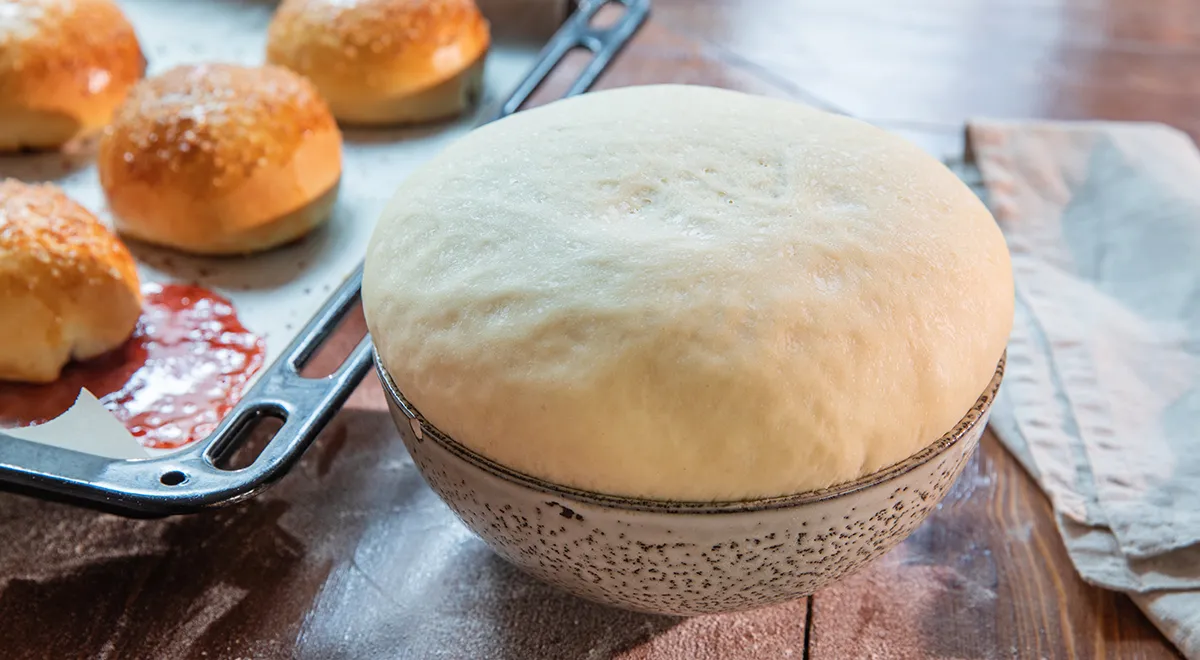
There is something profoundly satisfying about a batch of homemade, tender yeast buns filled with jam or savory mince – but the real hero is the dough itself. Viennese dough, or venskoye testo, is a cornerstone of Eastern European baking: enriched with butter, eggs, and milk, it produces a pillowy crumb with a golden, almost brioche-like richness. This recipe yields a versatile dough perfect for pirozhki (small pies), sweet buns, or even a braided loaf. Follow these steps to achieve a silky, elastic dough that bakes into something truly sublime.
About Viennese Dough
Viennese dough is a soft, yeasted dough that hails from the grand baking traditions of Vienna, though it has become a beloved staple across Russia and neighboring countries. Unlike lean bread doughs, it is enriched with dairy, eggs, and butter, resulting in a tender crumb and a subtle sweetness. The secret to its ethereal texture lies in the sponge (opara) method, which activates the yeast gently before incorporating the remaining ingredients. This technique ensures a reliable rise and a complex flavor profile. For best results, use a high-quality mixing bowl that retains warmth during proofing.

Ingredients
- 50 ml water
- 1 teaspoon granulated sugar (for the sponge)
- 550 g all-purpose (strong) flour
- 200 ml whole milk
- 100 g unsalted butter
- 2 large eggs
- 80 g granulated sugar
- 1 tablespoon vanilla sugar
- 0.67 teaspoon fine sea salt
Step-by-Step Instructions
-
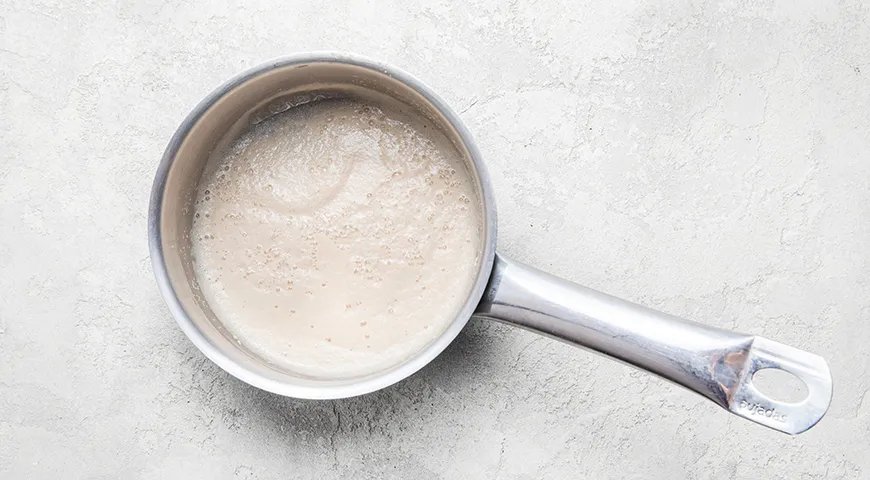
Prepare the sponge: Warm 50 ml water to 38°C (100°F). Dissolve 1 teaspoon sugar and the yeast in the water, stirring gently. Cover and set aside in a warm, draft-free spot for 10–15 minutes until the mixture becomes frothy and doubles in volume. A vibrant foam cap indicates active yeast; if nothing happens, the yeast is dead – purchase fresh yeast and start again.
-
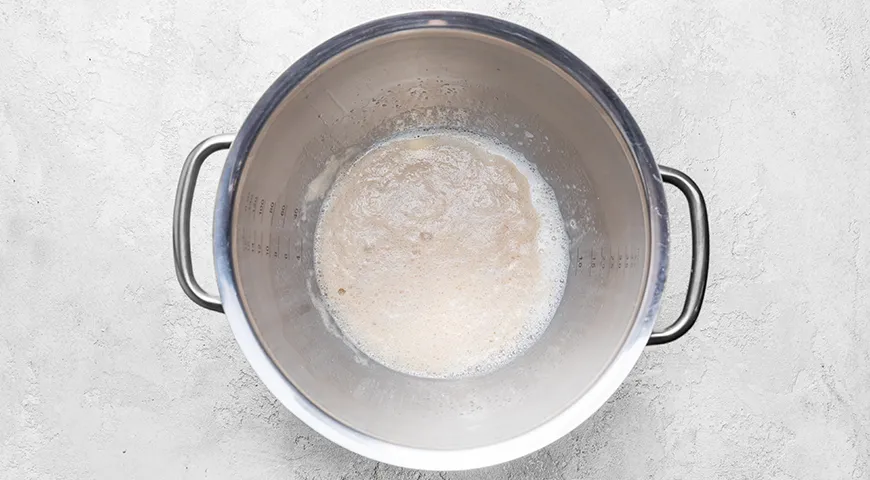
Mix liquid ingredients: In the bowl of a planetary mixer or a large mixing bowl, combine the room-temperature eggs, lukewarm milk (38°C), both sugars, and salt. Add the bubbly sponge and whisk until homogenous. Pour in the melted butter (cooled to room temperature) and stir once more.
-
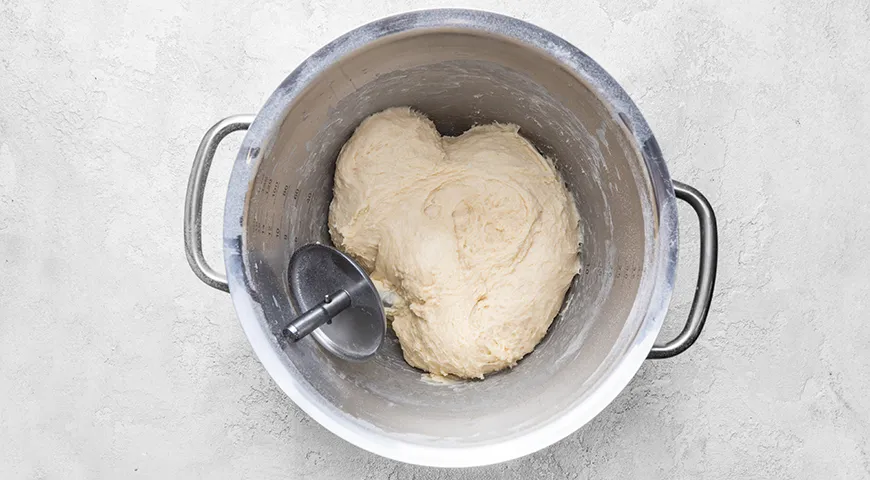
Knead the dough: Gradually add the sifted flour, incorporating it in batches. Use the dough hook attachment on your food processor or mix by hand for 10–30 minutes. The dough should become smooth, elastic, and slightly glossy. It should pull away from the sides of the bowl and stretch without tearing easily. A properly kneaded dough will feel supple and silky.
-
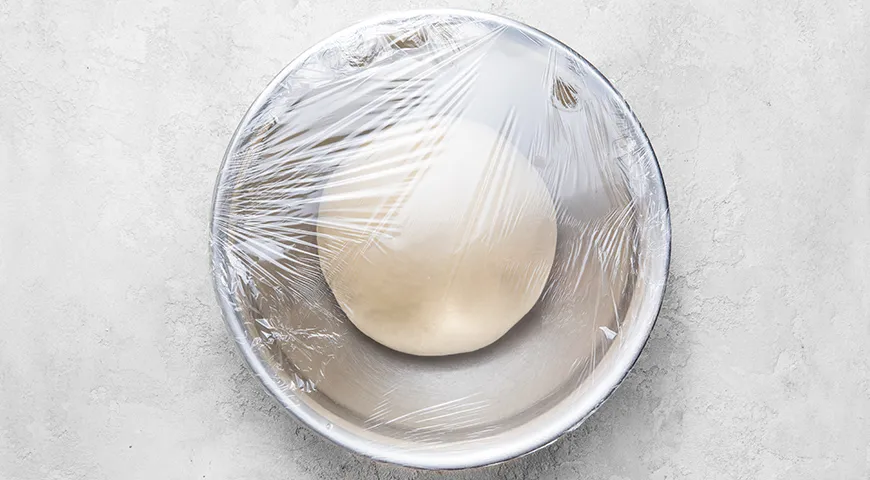
First proof: Lightly oil a clean bowl and transfer the dough. Turn to coat. Cover with plastic wrap or a damp towel. Place in a warm (but not hot) place for 1.5–2 hours until doubled in size. Punch down the dough, divide into portions, and shape as desired (e.g., pirozhki, buns, or a braided loaf). Let the shaped pieces rest on a baking sheet for 40 minutes before baking in a preheated convection oven set to 180°C (350°F) until golden brown, about 20–25 minutes.
Tips for Perfect Viennese Dough
- Always use ingredients at room temperature (except the warm water for the sponge) to ensure even fermentation.
- If you don't have a planetary mixer, hand-kneading requires patience but yields equally good results – the dough should become smooth and no longer sticky.
- To test for readiness, perform the windowpane test: stretch a small piece of dough between your fingers; if it forms a thin, translucent membrane without tearing, it is ready.
- For a lighter crust, brush the baked buns with melted butter immediately after removing from the oven.
- If you prefer a dairy-free version, substitute the milk with oat or soy milk and use vegan butter. The texture will be slightly less tender but still delicious.
Variations
This Catalan-style sponge inspires many adaptations. For a savory spin, omit the vanilla sugar and add 100 g of grated Parmesan and 60 g of sun-dried tomatoes. Or transform it into a sweet coffee cake by swirling in cinnamon sugar or chopped nuts before baking. You can also make smaller slider buns for appetizers – perfect for pairing with a rich espresso or a glass of sweet dessert wine.
Frequently Asked Questions
Can I use active dry yeast instead of fresh?
Yes, but use 7 g (about 2 teaspoons) of active dry yeast. Proof it in the same warm water with sugar, but allow up to 20 minutes for activation. For the most reliable results, consider investing in a high-accuracy digital thermometer to maintain an ideal water temperature of 38°C.
Why did my dough not rise?
Common reasons include expired yeast, water that was too hot (over 45°C kills yeast), or a drafty proofing spot. Ensure your kitchen is around 24°C and cover the bowl with a thick towel. You can also place the bowl inside a turned-off air fryer with the door ajar to create a stable warm environment.
Can I freeze this dough?
Absolutely. After the first rise and punch-down, wrap the dough tightly in plastic wrap and place in a freezer-safe bag. It will keep for up to 2 months. Thaw overnight in the refrigerator, then shape and proof before baking. For storing baked buns, use an airtight container lined with paper towels – they stay fresh for 2 days.
How do I shape perfect pirozhki?
Divide the dough into equal pieces (about 60 g each). Flatten each into a 10 cm circle, place a tablespoon of filling (e.g., mashed potatoes, jam, or sautéed cabbage) in the center, and pinch the edges to seal. Arrange seam-side down on a parchment-lined baking sheet. This method works best when using a reliable steam canner for any homemade fillings that require preserving.
What is the ideal baking temperature?
For a soft, golden crust, bake at 180°C (350°F) for 20–25 minutes. If you prefer a deeper brown, increase to 190°C (375°F) for the last 3 minutes. Always preheat your oven thoroughly; a wall oven microwave combo can provide even heat distribution. For a shinier top, brush with egg wash before baking.
Can I make this dough in a bread machine?
Yes, but use the dough-only cycle. Add the liquids first, then dry ingredients, with the yeast added last. After the cycle completes, proceed with shaping and the second proof. This method is less hands-on but still yields excellent results. Pair with a quality coffee for a weekend treat.
How do I know when the dough is baked through?
Tap the bottom of a bun – it should sound hollow. Alternatively, insert an instant-read thermometer; the internal temperature should reach at least 88°C (190°F). Let cool on a wire rack for at least 10 minutes before serving. Stored in a cloth bag, they remain soft for up to three days.
Mastering this Viennese dough opens the door to countless creations, from classic savory pies to sweet pastries worthy of a Viennese café. The effort is rewarded with a tender, aromatic crumb that elevates any filling. Happy baking!







