


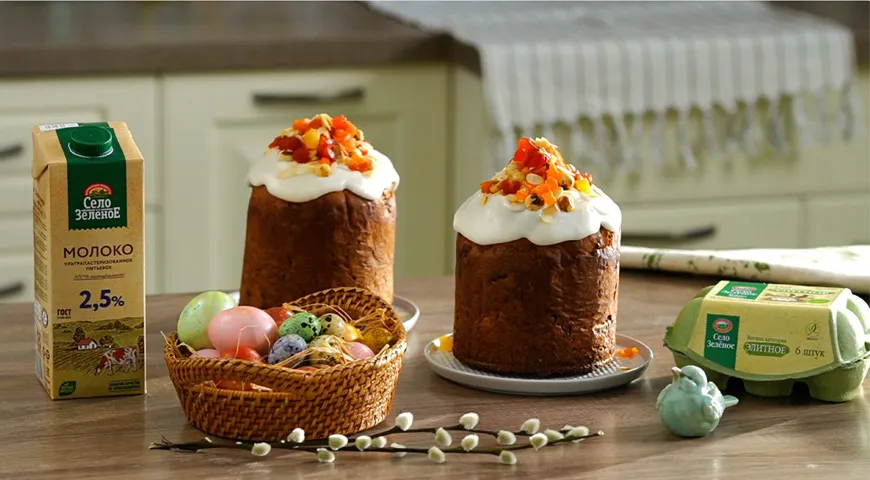
There is something profoundly celebratory about a perfectly baked Kulich with Candied Fruits and Walnuts. This traditional Russian Easter bread, tall and fragrant, embodies the warmth of spring and the joy of gathering. Its rich, buttery crumb studded with jewel-like candied fruits and crunchy walnuts is a testament to time-honored baking techniques. In this article, we guide you through creating an exquisite kulich that rivals the finest patisserie offerings, ensuring a centerpiece worthy of your festive table.
About This Recipe
Kulich is not merely a bread; it is a cultural icon of Russian Orthodox Easter. Traditionally baked in tall cylindrical tins, its domed top is often adorned with a glossy white glaze and colorful sprinkles. This version elevates the classic with a careful balance of sweetness from candied fruits, earthy richness from walnuts, and a tender, airy crumb achieved through a lengthy proofing process. The result is a loaf that is both luxurious and deeply satisfying—perfect for slicing and sharing with loved ones.

Ingredients
- 500 g high-grade wheat flour
- 250 ml whole milk (preferably from "Selo Zelyonoe")
- 5 large eggs (from "Selo Zelyonoe")
- 150 g unsalted butter (from "Selo Zelyonoe")
- 160 g granulated sugar
- 100 g mixed candied fruits (citrus peels, cherries, etc.)
- 150 g walnut halves, toasted
- 1/2 teaspoon fine sea salt
For the glaze and decoration:
- 1 egg white
- 150 g confectioners' sugar
- 1 tablespoon heavy cream (from "Selo Zelyonoe")
- 1 tablespoon freshly squeezed lemon juice
- Additional candied fruits, walnuts, or decorative sprinkles
For the best results, ensure your butter and eggs are at room temperature. Using a best planetary mixer will make the dough handling effortless, but hand kneading is equally rewarding.
Step-by-Step Instructions
- Prepare the yeast mixture: Gently warm the milk until it is lukewarm (about 40°C). In a small bowl, dissolve the fresh yeast (or 7 g active dry yeast) with 2–3 tablespoons of the warm milk, whisking until smooth. Let it stand for 5 minutes until frothy. Meanwhile, sift 250 g of the flour into a large mixing bowl.
- Make the sponge: Pour the remaining warm milk into the bowl with the flour, add the yeast mixture, and stir until no lumps remain. Cover the bowl with plastic wrap and let the sponge rest in a warm, draft-free spot for 1 hour. It should double in volume and become bubbly.
- Prepare additions: Melt the butter and allow it to cool. Toast the walnut halves in a dry skillet over medium heat until fragrant, about 4 minutes, then chop them coarsely. Separate the eggs: beat the yolks with the sugar until pale and creamy, and whip the whites with a pinch of salt to stiff peaks. Having a best non-toxic immersion blender for small tasks can be handy, but a whisk works perfectly.
- Form the dough: Add the remaining 250 g of flour to the sponge and mix until a soft dough forms. Pour in the cooled melted butter and knead by hand (or with a dough hook) for about 10 minutes, until the dough is smooth and pulls away from the sides of the bowl. Gradually fold in the beaten egg yolks, then the egg whites, mixing gently. Lastly, incorporate the candied fruits and chopped walnuts. Cover and let rise for 1 hour.
- Second rise: Quickly punch down the risen dough, cover again, and let it rest for another hour. This double fermentation develops a wonderfully complex flavor.
- Prepare the pan: Line a tall kulich mold (or a clean coffee can) with parchment paper, ensuring the paper rises about one-third above the rim. Generously butter the paper. Many bakers find using a best oil sprayer for even coating simplifies this step.
- Final proof: Punch down the dough once more and transfer it to the prepared pan, filling it about halfway. Cover loosely with a kitchen towel and leave to rise again for 30–40 minutes, until it nearly reaches the top of the paper.
- Bake: Preheat the oven to 190°C (375°F). Bake the kulich for 20 minutes at 190°C, then reduce the temperature to 170°C (340°F) and bake for another 20 minutes. If the top starts browning too quickly, tent with aluminum foil. The bread is done when a skewer inserted into the center comes out clean. Cool on a wire rack completely before glazing.
- Glaze and decorate: For the glossy glaze, beat the egg white until soft peaks form. Gradually add the confectioners' sugar while continuing to beat. Once smooth and shiny, mix in the cream (beat for 30 seconds), then the lemon juice, and beat once more. Drizzle the glaze over the cooled kulich and decorate with candied fruits, walnuts, or sprinkles. For a uniform texture, you can blitz the candied fruits in a best glass food processor if desired.
Tips for Perfect Kulich
- Use high-protein flour for better gluten development and a taller rise. If your kitchen is cool, place the dough in a turned-off oven with a bowl of hot water to create a warm environment.
- Do not overmix after adding the butter; it should be fully incorporated but without overworking the dough.
- For an even bake, rotate the pan halfway through. An best air fryer non-toxic can mimic convection baking, but traditional oven works best for kulich.
- If you don’t have a kulich mold, use a clean tin can (like a large coffee can) lined with parchment. Alternatively, a tall springform pan works.
- Prepare the candied fruits ahead: if they are very dry, soak them in warm water or rum for 30 minutes, then drain and dust with flour before adding to the dough. This prevents them from sinking.
Variations
While this recipe is a classic, feel free to experiment. Replace walnuts with almonds or pistachios for a different crunch. Add a teaspoon of vanilla or cardamom to the dough for aromatic depth. For a citrusy twist, include grated lemon or orange zest. Those seeking a dairy-free version can substitute the butter with high-quality coconut oil and use a plant-based milk—just note the texture will be slightly different. If you’re a fan of richer flavors, try using a best sweet wine with high alcohol content (like Muscat) to soak the dried fruits for added complexity.
FAQ
Can I use a bread machine for this recipe?
Yes, but only for the kneading and first rise. Use the dough cycle, then proceed to shape and bake in a pan. A best planetary mixer with a dough hook gives more control.
Why did my kulich collapse after baking?
This often happens if the dough was over-proofed (risen too long) or if the oven temperature was too low. Ensure your yeast is fresh and follow the proofing times closely. Also, let the bread cool completely on its side to avoid sinking.
How should I store leftover kulich?
Wrap tightly in plastic wrap and keep at room temperature for up to 3 days. For longer storage, slice and freeze in a sealed bag. Refresh slices in a toaster or briefly in a 150°C oven. A best coffee maker for Airbnb might not help here, but a toaster will!
Can I make this kulich gluten-free?
Substitute the wheat flour with a high-quality gluten-free flour blend that contains xanthan gum. The texture will be denser and more crumbly; you may need to increase the rising time. For nut-free, replace walnuts with sunflower seeds or extra candied fruits.
What is the traditional way to serve kulich?
Kulich is often served with sweetened farmer’s cheese (paskha) and sliced into rounds. The bread is at its best the day after baking when the flavors meld. Pair with a cup of strong tea or a glass of best organic vodka for a festive toast.
Whether you are an experienced baker or a passionate home cook, this Kulich with Candied Fruits and Walnuts recipe will bring a touch of Russian tradition and elegance to your Easter celebration. The careful technique—from the double sponge to the glossy glaze—ensures a result that is as visually stunning as it is delicious. Share this bread with family and friends, and savor the joy of a well-crafted loaf.







