


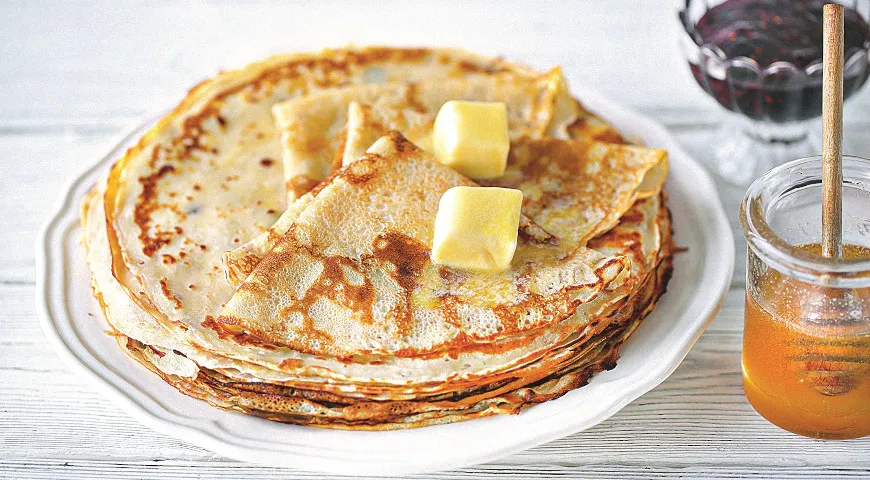
There is something almost magical about a perfectly thin, lacy crepe—golden, flexible, and delicately crisp at the edges. In Russia, these are called blinchiki (тонкие блинчики), and they are a beloved staple, served for breakfast, as a snack, or even as a main course wrapped around savory or sweet fillings. This recipe for thin milk crepes achieves the ideal balance: a tender, slightly elastic crumb that holds together without tearing, yet remains whisper-thin. The secret lies in the resting time and the careful incorporation of ingredients. Whether you are a seasoned cook or a novice, this guide will help you master the art of the perfect Russian crepe. For the best results, start with fresh, high-quality ingredients and a reliable non-stick pan. If you are looking for kitchen tools that simplify the process, consider a best oil sprayer for even greasing or a non-toxic immersion blender to achieve a silky batter.
About This Recipe
Crepes have a rich history across Europe, but Russian blinchiki are distinct for their ultra-thin, lacy character and the use of milk as the primary liquid. Unlike thick American pancakes, these crepes are designed to be pliable, making them perfect for rolling around fillings like farmer''s cheese (tvorog), smoked salmon, or simply slathering with butter and jam. This recipe comes from the trusted Russian culinary site Gastronom.ru and has been tested in countless home kitchens. The technique is straightforward: start with a smooth, rested batter, then cook each crepe quickly over medium heat. For those who enjoy a modern twist, you might explore using a non-toxic air fryer to reheat leftover crepes and keep them crisp. Or, if you are preparing a large batch for a party, a commercial countertop convection oven can keep them warm without drying.

Ingredients
- 500 ml whole milk, at room temperature
- 200 g all-purpose flour
- 2 large eggs
- 2 teaspoons granulated sugar
- ¼ teaspoon fine salt
- 2–3 tablespoons neutral vegetable oil (such as sunflower or canola), plus more for the pan
- 30 g unsalted butter, for serving
- Honey, jam, or sour cream, for serving
For the best flavor and texture, use full-fat milk and let it come to room temperature. Cold milk will shock the flour and create lumps. If you are concerned about gluten development, a best planetary mixer with a whisk attachment can effortlessly produce a lump-free batter.
Step-by-Step Instructions
1. Make the batter: In a large mixing bowl, sift together the flour, sugar, and salt. In a separate bowl, whisk the eggs with the room-temperature milk until well combined. Gradually pour the milk-egg mixture into the dry ingredients, whisking constantly to avoid lumps. Continue until you have a thick, smooth batter. This initial thickness ensures the gluten is properly hydrated. If you prefer an even smoother texture, you can use an wheatgrass juicer is not needed here, but a fine-mesh strainer works wonders.
2. Rest the batter: Cover the bowl with a clean kitchen towel and let the batter rest at room temperature for 30 minutes. This allows the gluten to relax and the starch to absorb the liquid, resulting in more tender crepes. While you wait, you could read our guide on best organic vodka—perfect for an adult brunch pairing.
3. Adjust consistency and add oil: After resting, whisk the batter again. It should have the consistency of heavy cream. If it seems too thick, add a splash of boiling water (about 1–2 tablespoons) while whisking—this will make the crepes even more delicate. Just before cooking, stir in the 2–3 tablespoons of vegetable oil. The oil in the batter prevents sticking and eliminates the need to heavily grease the pan each time.
4. Cook the crepes: Heat a crepe pan or a small non-stick skillet (20–22 cm diameter) over medium-high heat. Lightly brush the pan with vegetable oil. Once hot, lift the pan off the heat, pour a small ladleful of batter (about 60 ml) into the center, and immediately tilt and swirl the pan to spread the batter thinly and evenly. Return the pan to medium heat. Cook until the edges turn golden and the top surface looks dry, about 1 minute. Run a thin spatula around the edge to release the crepe, then flip it. Cook the second side for about 30 seconds. Transfer to a plate and brush generously with softened butter. Repeat with the remaining batter, stacking crepes on top of each other. For even, consistent heat, consider a undercounter ice maker machine to chill butter for perfect pats—or simply use the best espresso machine under 2000 to brew a complementary coffee while you cook.
Tips for Perfect Crepes
- Temperature matters: If the first crepe sticks or is too thick, your pan may be too cool. Medium-high heat is ideal—the batter should sizzle gently on contact.
- Thin is in: The batter should be fluid enough to coat the pan in a thin layer. If your crepes come out too thick, thin the batter with a little milk or water.
- Butter each layer: Brushing each cooked crepe with melted butter not only adds flavor but also prevents them from sticking together when stacked.
- Rest the batter: Never skip the resting step. It is the single most important trick for tender, elastic crepes.
- For an even easier cleanup, use a best oil sprayer to lightly mist the pan between crepes.
Variations
While classic thin milk crepes are wonderful on their own, you can easily customize them. For a savory version, reduce the sugar to 1 teaspoon and add a pinch of black pepper or fresh herbs to the batter. Fill with smoked salmon, cream cheese, and dill, or with sautéed mushrooms and onions. For a sweet twist, serve with fresh berries, whipped cream, or a generous drizzle of honey. You can also fold them into triangles or roll them around a filling. If you are making a large batch for a brunch gathering, keep them warm in a best coffee maker for Airbnb is not suitable, but a low-temperature oven works well. Or, for inspired dessert ideas, check out our Catalan sponge cake recipe as a sweet accompaniment.
FAQ
Why do my crepes turn out rubbery?
Rubbery crepes are usually caused by overmixing the batter, which develops too much gluten. Mix gently until just combined, and always rest the batter for 30 minutes.
Can I use a blender to mix the batter?
Yes, a blender can produce a very smooth batter, but be careful not to over-blend. Use a non-toxic immersion blender directly in the bowl for easy cleanup and minimal aeration.
Why do my crepes stick to the pan?
Either the pan is not hot enough, or you need to add more oil. Ensure the pan is properly preheated and lightly oiled before each crepe. Using a refrigerant leak detector won''t help here, but a well-seasoned non-stick pan will.
Can I make these crepes dairy-free?
Yes, substitute the milk with an equal amount of unsweetened almond or oat milk, and use a neutral oil instead of butter. The texture will be slightly different but still delicious.
How do I store leftover crepes?
Stack cooled crepes with parchment paper between each, wrap tightly in plastic wrap, and refrigerate for up to 3 days. Reheat in a dry skillet or microwave. For long-term storage, freeze the stack in a zip-top bag for up to 2 months.
Can I use buckwheat flour for a gluten-free version?
Yes, replace half of the all-purpose flour with buckwheat flour for a nutty flavor. You may need to add an extra egg and a bit more liquid to compensate for the lack of gluten.
What is the best pan for making crepes?
A dedicated crepe pan with low, sloping sides is ideal, but any small non-stick skillet works. For consistent results, consider a best steam canner is for preserving, not crepes—stick to a quality non-stick pan.
Conclusion
Thin milk crepes are a versatile canvas for both sweet and savory creations. With this foolproof recipe and a little practice, you will soon be turning out delicate, golden crepes that rival those from any Russian kitchen. Serve them warm, slathered with butter and honey, or stuffed with your favorite fillings. If you are inspired to explore more culinary tools and recipes, browse our collection of best chocolate covered raisins for a delightful garnish, or discover the best George Howell coffee to brew alongside your crepe feast. For those who enjoy a spirited drink, try a pairing with sweet wine with high alcohol content to complement honey-drizzled crepes. And once you master these, you might also appreciate the best lava flavors for an adventurous dessert twist. Enjoy!







