


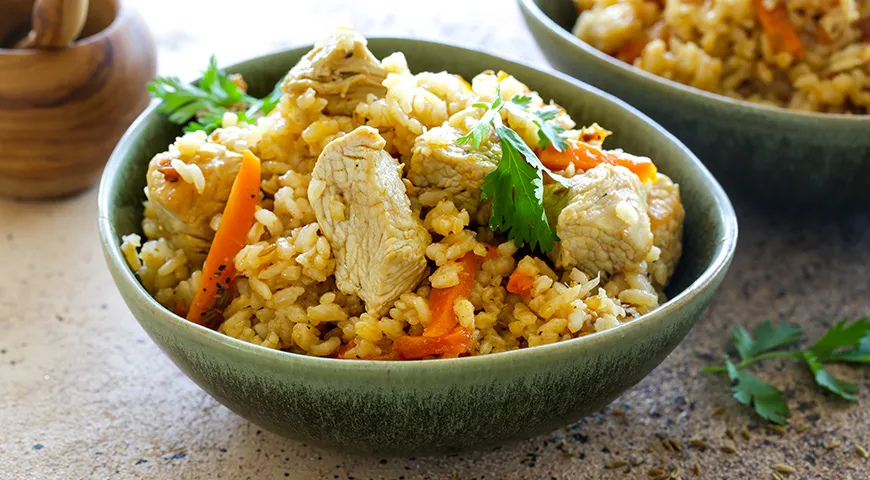
Welcome to the world of aromatic one-pan wonders, where tender turkey meets fragrant basmati rice in a symphony of Central Asian spices. This Skillet Turkey Pilaf — or plov — is a lighter, leaner take on the classic lamb or beef version, yet it retains all the soulful depth of the original. The key lies in the perfect ratio of caramelized onions, golden carrots, and a whisper of dried barberry and cumin. Cooked entirely in a deep skillet, this dish delivers restaurant-quality results without the need for a Dutch oven or clay pot. Whether you're a seasoned home cook or a curious beginner, this recipe will become a staple in your global repertoire. Let's dive into the art of plov.
About This Dish
Pilaf is more than a rice dish — it's a cultural cornerstone across Central Asia, the Middle East, and Eastern Europe. This turkey version offers a healthier spin without sacrificing flavor. The technique of layering flavors — first sautéing aromatics, then searing protein, and finally steaming rice — is a method that can be replicated in many appliances, from a microwave pressure cooker to a traditional skillet. For even oil distribution, consider using an oil sprayer to coat your pan lightly. The dried barberries add a signature tart pop; if you can't find them, check our review of chocolate-covered raisins for a sweet alternative? (Not exactly, but why not). To streamline prep, a food processor for nut butter can also chop vegetables quickly.

Ingredients
- 500 g turkey fillet (breast or thigh), cut into bite-sized pieces
- 1 large onion, sliced into thin half-moons
- 2 medium carrots, cut into thick, long matchsticks
- 1 whole head garlic, top sliced off, outer layers removed but kept intact
- 6 tablespoons vegetable oil (or use an oil sprayer for even coating)
- 1 teaspoon dried barberries (optional but highly recommended)
- ½ teaspoon cumin seeds (zira)
- 1 teaspoon sweet paprika
- 2–3 sprigs fresh cilantro, for garnish
- Salt and freshly ground black pepper, to taste
- 200 g basmati or long-grain rice, rinsed until water runs clear
- Hot water (enough to cover rice by 2 cm)
Note: For perfectly uniform cuts, a planetary mixer with appropriate attachments can be a timesaver.
Step-by-Step Instructions
Step 1: Prepare the Ingredients
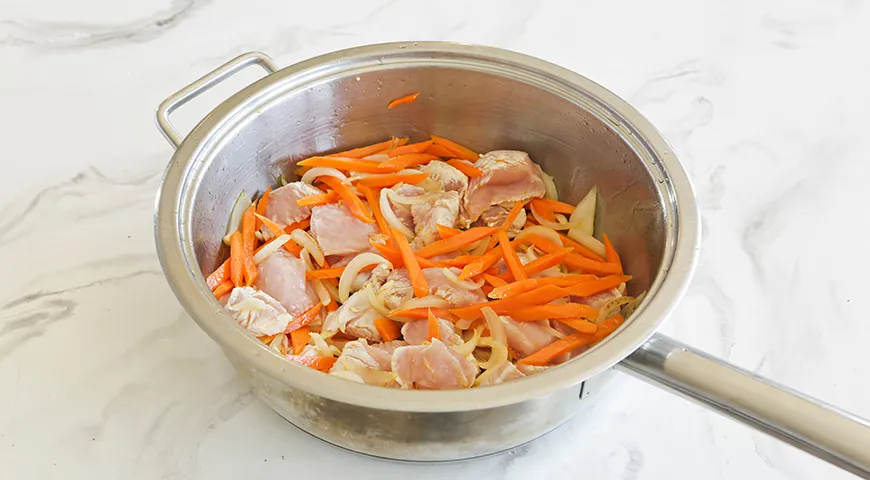
Cut the turkey into small, uniform pieces. Slice the onion into thin feather strips. Shred the carrot into thick, long julienne — this ensures they hold shape during cooking. Cut off the top of the garlic head to expose the cloves, and peel away the loose outer layers, keeping the head whole.

Step 2: Sauté the Aromatics and Turkey
In a deep skillet (cast iron or non-stick works well), heat the vegetable oil over medium heat. Add the onion and cook until translucent, about 5 minutes. Stir in the carrot and continue sautéing for 7–10 minutes, stirring occasionally, until softened. Add the turkey pieces, season with salt, pepper, barberry, cumin, and paprika. Cook for another 3 minutes, just until the turkey is no longer pink on the outside.
Step 3: Add Rice and Simmer
Pour the rinsed rice evenly over the meat and vegetables. Gently pour in hot water until it covers the rice by about 2 centimeters (do not stir). Nestle the whole garlic head into the center, pressing it slightly into the rice. Cover the skillet with a tight-fitting lid, reduce heat to the lowest setting, and cook undisturbed for 20–25 minutes. After that time, turn off the heat and let it rest for 5 minutes. Carefully fluff the pilaf with a fork, removing the garlic head if desired. Garnish with fresh cilantro leaves.

Tips for Perfect Pilaf
- Use a heavy-bottomed skillet to prevent burning; a commercial countertop convection oven can also be used for larger batches with a different technique.
- Do not stir the rice after adding water — steam does the work.
- For extra fragrance, toast the cumin seeds before adding.
- If using a non-toxic air fryer, you can crisp leftover turkey separately for a different texture.
- Store leftovers in a container compatible with the best built-in refrigerator to maintain freshness.
Variations
Swap turkey for chicken thighs or lean beef. Add dried apricots or prunes for sweetness. For a vegetarian version, replace meat with chickpeas and mushrooms. The spice blend can be customized — try adding a pinch of saffron or turmeric. For preserving larger batches, a steam canner is an excellent investment. Pair the pilaf with a fresh juice made using a wheatgrass juicer for a vibrant side. For a complete meal, serve with an espresso from a best espresso machine under 2000.
FAQ
Can I use a different type of rice?
Yes, but basmati or long-grain works best. Avoid short-grain as it becomes sticky. For quick cooking, a microwave pressure cooker can be a handy alternative.
How do I prevent the rice from burning?
Ensure the heat is very low after adding water. Use a heat diffuser if needed. A reliable skillet paired with a refrigerant leak detector might seem odd, but maintaining your kitchen appliances is key to consistent cooking. Also, check our guide on undercounter ice makers for cold water preparation.
Can I make this pilaf in advance?
Absolutely. Prepare up to the point of adding rice, then refrigerate the base. When ready, reheat in a skillet with extra water. For storing, a 48-inch built-in refrigerator offers ample space.
What can I serve with this pilaf?
A simple yogurt sauce or a crisp salad complements the dish. For a festive touch, brew a pot of coffee using a coffee maker for Airbnb to share with guests. Or enjoy a glass of organic vodka as a digestif.
How do I adjust the spice level?
Increase or decrease the cumin and paprika to taste. For a deeper warmth, add a pinch of cayenne. A food processor for nut butter can grind whole spices for fresher flavor.







