


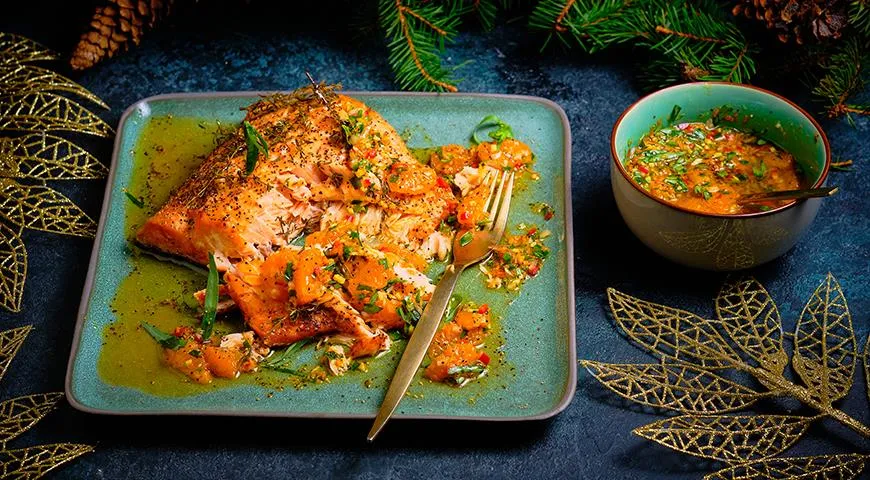
In the heart of winter, when citrus reaches its peak and the air smells of pine and spice, a vibrant mandarin salsa emerges as the ultimate companion for rich, fatty fish. This recipe, inspired by the pages of Gastronom magazine, transforms humble mandarins into a bright, tangy, and slightly fiery condiment that cuts through the buttery texture of baked salmon like a beam of sunshine. Whether you are hosting a festive Christmas buffet or a quiet New Year's dinner, this salsa brings a burst of freshness that elevates every bite. The secret lies in the delicate balance of sweet citrus, sharp shallot, warm ginger, and a whisper of chili—all brought together with a splash of vinegar and a handful of fresh herbs. Perfectly non-toxic air fryer salmon or any grilled fillet, this salsa is as versatile as it is stunning.
About This Mandarin Salsa
This is not your typical salsa. It is a celebration of contrasts: the juicy sweetness of mandarins against the piquant bite of shallot and ginger, the subtle heat of fresh chili, and the herbaceous lift of cilantro or parsley. Originating from the December 2021 issue of Gastronom, this recipe was designed to accompany fatty fish like salmon, trout, or mackerel during the holiday season. The mandarin—often associated with Christmas and New Year in many cultures—takes center stage, its zest and segments lending both perfume and texture. This salsa is best made just before serving, allowing the flavors to meld for a mere 15 minutes in the refrigerator. It is a no-cook, effortless wonder that proves great food need not be complicated.

Ingredients
- 2 mandarins (plus zest from 2 more)
- 1 small shallot
- 1 cm piece of fresh ginger
- 1 tablespoon rice vinegar or white wine vinegar
- 1 small fresh red chili (or to taste)
- Small bunch of fresh cilantro (or parsley, if preferred)
- Flaky sea salt to taste
When selecting mandarins, look for ones that are firm, fragrant, and heavy for their size. For the best flavor, choose organic if possible, as you will be using the zest. A quality glass food processor can make quick work of chopping the shallot and chili, but a sharp knife and a steady hand work beautifully.
Step-by-Step Instructions
Step 1: Prepare the Aromatics
Peel and very finely dice the shallot and ginger. Place them in a small bowl and pour over the vinegar. Season with a pinch of salt and stir gently. Allow this mixture to sit while you prepare the remaining ingredients—this quick pickling softens the harshness of the raw allium and awakens the ginger's warmth.
Step 2: Chop the Chili and Herbs
Finely chop the fresh chili (remove seeds for less heat) and the cilantro leaves and tender stems. Add them to the bowl with the shallot and ginger. If you prefer a milder salsa, use only half the chili or substitute with a sweet bell pepper. For a more precise mince, a food processor designed for nut butter can handle small quantities with ease, but hand chopping gives you more control over texture.
Step 3: Prepare the Mandarins
Using a fine microplane or zester, remove the zest from 2 of the mandarins directly into the bowl. Then peel all the mandarins completely, removing every bit of white pith and membrane. Separate into individual segments. Cut each segment crosswise into 3-4 smaller pieces. This ensures every spoonful of salsa contains a harmonious burst of citrus, not an overwhelming whole wedge.
Step 4: Combine and Rest
Add the mandarin pieces to the bowl with the aromatics. Gently fold everything together with a rubber spatula. Cover and refrigerate for exactly 15 minutes. This resting period allows the flavors to marry without the fruit releasing too much juice and becoming watery. Taste and adjust salt as needed. Serve immediately alongside your oil-sprayed, seared or baked fatty fish.
Tips for Perfect Mandarin Salsa
- Choose the right mandarins: Use seedless varieties like Clementines or Satsumas for easy preparation. Avoid overly ripe ones that turn mushy.
- Supreming like a pro: The key to clean, pith-free segments is to slice off the top and bottom of the fruit, then cut away the peel and white pith in vertical strips. Then carefully cut between the membranes to release each segment.
- Balance the heat: Start with half a chili and add more to taste. The salsa should be lively, not fiery, so the fish remains the star.
- Make it ahead: Prepare all components separately up to a day in advance, but combine only 15 minutes before serving to maintain the mandarins' fresh texture. Store in an airtight container in the refrigerator.
- Enhance with extras: For added complexity, incorporate a teaspoon of finely grated orange zest or a splash of fresh lime juice just before serving. A few drops of organic vodka can brighten the flavors subtly—though entirely optional.
Variations to Explore
This salsa is a canvas for creativity. Swap cilantro for mint or basil for a different herbaceous note. Replace shallot with a tiny dice of red onion, which offers a sharper punch. For a tropical twist, add finely diced mango or pineapple, and use lime juice instead of vinegar. If you are serving the salsa with grilled white fish or even roasted chicken, consider adding a tablespoon of finely chopped roasted peanuts for crunch. For a smoky dimension, grill the mandarin segments briefly before chopping—a technique that pairs beautifully with commercial countertop convection ovens that roast evenly.
Serving Suggestions
While this salsa is a natural match for baked salmon, it also shines alongside pan-seared trout, grilled mackerel, or even seared scallops. Spoon it over a fillet of espresso-rubbed fish for a surprising contrast, or serve it as a bright side on a holiday buffet table. The salsa also makes a refreshing topping for ceviche or a vibrant addition to tacos filled with crispy fish. For a vegetarian option, dollop it over grilled halloumi or roasted cauliflower steaks.
Frequently Asked Questions
Can I use orange instead of mandarin?
Yes, but note that oranges are less sweet and have thicker membranes. Use only the segments and adjust sweetness with a pinch of sugar if needed. Navel or blood oranges work well, but avoid very acidic varieties like Seville.
How long does this salsa last in the refrigerator?
Once assembled, it is best consumed within a few hours. After longer storage, the mandarins release juice and the salsa becomes watery. For best results, store components separately and mix just before serving, using an undercounter ice maker to keep ingredients chilled.
Can I make this salsa ahead for a party?
Absolutely. Prepare the shallot-ginger mixture, the chopped chili and herbs, and the mandarin segments up to 24 hours in advance. Keep each in separate airtight containers in the refrigerator. Combine them 15 minutes before serving. The refrigerant leak detector in your fridge may be a concern if you notice unusual odors, but typically this salsa stays fresh.
What kind of fish is best with this salsa?
Fatty fish like salmon, trout, mackerel, and sardines are ideal because their richness balances the acidity and sweetness of the salsa. Leaner fish such as cod or halibut can also be used, but consider adding a drizzle of olive oil to the fish for extra moisture.
Is there a non-alcoholic substitute for the optional vodka?
Yes, simply omit it. The vodka is unnecessary for the salsa's structure; it only adds a subtle brightness. If you wish to maintain that effect, use a splash of white wine or verjus.
For more detailed tips on preparing fish and pairing with condiments, explore our guide on sweet wine pairings or check out our planetary mixer reviews for holiday baking that complements your main course.
This mandarin salsa is a testament to the power of simple, seasonal ingredients. It brings warmth, brightness, and elegance to any table, proving that a humble fruit can steal the show when given the right stage. Enjoy it with your loved ones this Christmas or New Year, and let the flavors transport you to a sun-drenched citrus grove—even in the depths of winter.







