


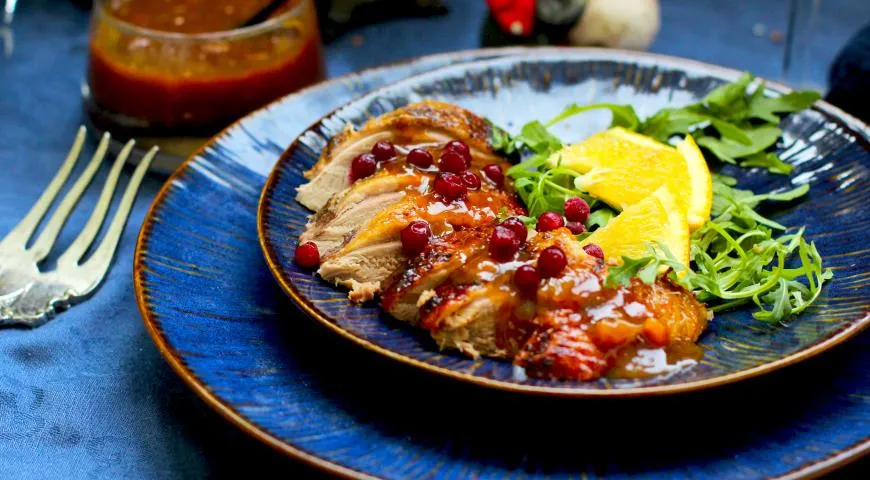
Imagine the aroma of a perfectly roasted duck, its skin golden and crisp, bathed in a glossy, citrus-kissed sauce that sings of French elegance. This classic duck with oranges recipe, inspired by the traditions of French bistro cooking, transforms simple ingredients into a show-stopping centerpiece for holiday dinners or romantic evenings. The combination of tender meat, fragrant thyme, and a vibrant orange syrup—finished with a silky beurre manié—creates a harmonious balance of savory and sweet. Whether you are planning a Christmas feast, a New Year's celebration, or a Mardi Gras gathering, this dish promises to impress. Follow along as we guide you through every step, from seasoning the bird to crafting the luscious sauce.
About This French-Style Duck
This recipe draws inspiration from canard à l'orange, a timeless French classic that has graced tables for centuries. The technique here emphasizes layering flavors: a dry rub of spices and salt penetrates the meat, while fresh herbs and citrus infuse the cavity during roasting. The sauce, built on caramelized sugar and orange juice, gets complexity from a splash of wine vinegar and the duck's own juices. The result is a dish that feels both refined and approachable, perfect for those who love pairing with a sweet wine or a robust red. For a complete meal, consider serving it alongside Catalan sponge cake for dessert—a light finish after such richness.

Ingredients
- 1 whole duck (1.5–3 kg), giblets removed
- 2 tablespoons coarse sea salt
- 1 tablespoon mixed dry spices (e.g., black pepper, herbes de Provence, coriander)
- 2 oranges (1 for stuffing and juice, 1 for zest and sauce)
- 1 medium onion, cut into wedges
- 4 sprigs fresh parsley
- 4 sprigs fresh thyme (plus extra for garnish)
- 100 ml chicken broth
- 60 ml dry sherry or white wine
- 100 g granulated sugar
- 2 tablespoons wine vinegar
- 1 tablespoon unsalted butter (for beurre manié)
- 1 tablespoon all-purpose flour (for beurre manié)
- Fresh cranberries or lingonberries for garnish (optional)
- Extra orange slices for serving
Using a high-quality food processor can help grind spices evenly, and a non-toxic immersion blender is perfect if you choose to puree the sauce.
Step-by-Step
Step 1: Prepare the Seasoning and Stuffing
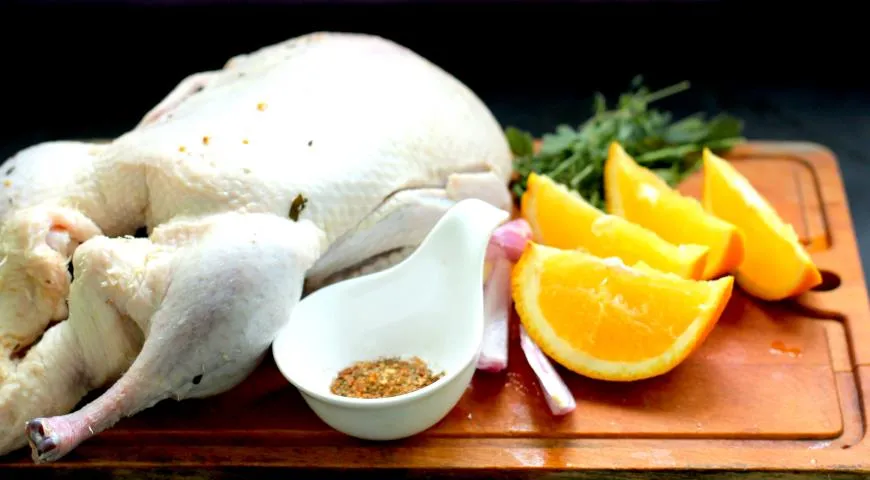
Grind the dry spices and salt together if the salt is coarse. Mix thoroughly. Slice half of one orange into wedges and the onion into similar-sized pieces. Rub the inside cavity of the duck with the spice-salt mixture, ensuring even coverage. Stuff the cavity with parsley, thyme, and then the orange and onion wedges.
Step 2: Truss the Duck
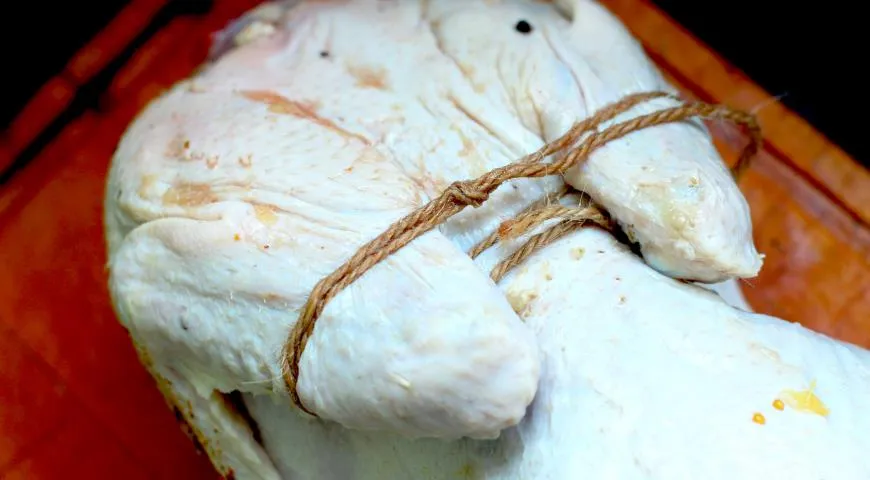
Tying the duck ensures even cooking and a beautiful presentation. Cross the wings behind the back, tuck the tail flap under the skin, and tie the legs together with kitchen twine. This compact shape helps the bird roast uniformly.
Step 3: Prepare the Roasting Liquid
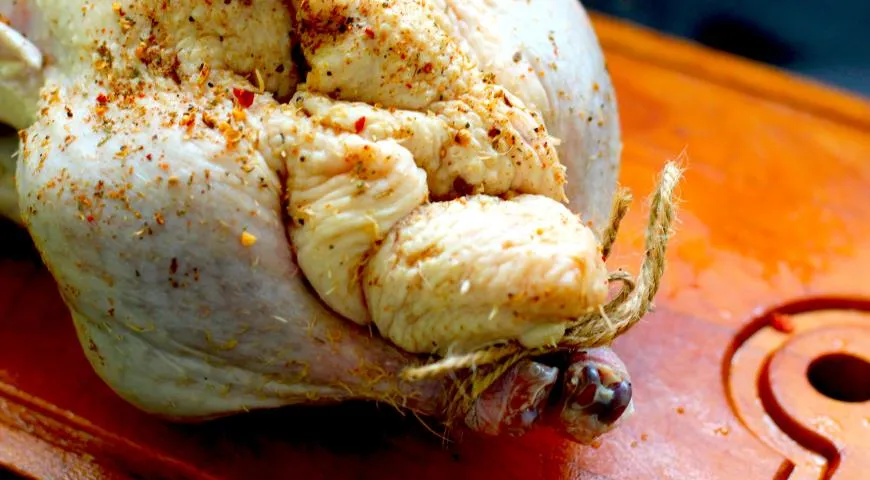
In a baking dish large enough to hold the duck, squeeze the juice from the other half of the first orange. Pour in chicken broth and sherry or white wine. Place the duck breast side up in the dish. The liquid will keep the meat moist and form the base of your sauce later.
Step 4: Roast the Duck
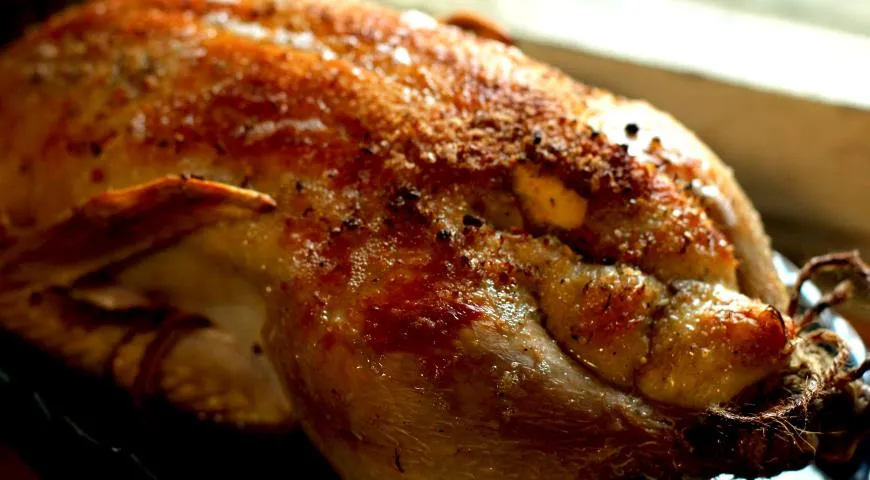
Preheat the oven to 180°C (350°F). Roast the duck according to its weight: for a 1.5 kg bird, cook 65–70 minutes for medium-rare, 75–85 minutes for well done; for 2 kg, 75–80 minutes (medium-rare) or 85–95 minutes (well done); for 2.5 kg, 85–90 minutes (medium-rare) or 95–100 minutes (well done); for 3 kg, 95–100 minutes (medium-rare) or 105–110 minutes (well done). The author recommends medium-rare to avoid drying out, as the duck will rest in a warm oven (50°C) while you make the sauce. For best results, use a reliable oven like a commercial countertop convection oven for even heat.
Step 5: Make Orange Syrup
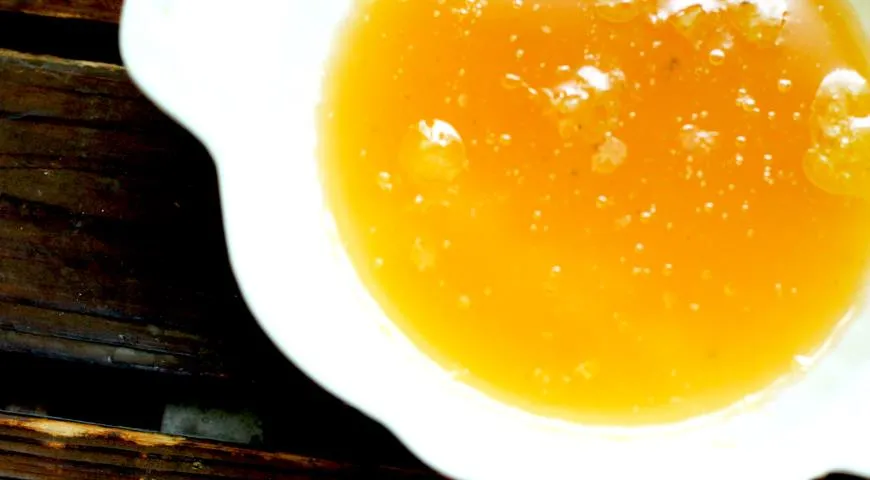
While the duck rests, prepare the sauce. In a saucepan, heat sugar over medium-high heat, stirring constantly. Once the sugar dissolves into a deep amber caramel, carefully pour in the orange juice (from the second orange)—it will bubble vigorously. Add wine vinegar and a pinch of salt. Cook until the caramel fully dissolves.
Step 6: Add Duck Cooking Liquid
Strain the fat from the duck's roasting dish (reserve the juices). Pour the defatted cooking liquid into the saucepan with the syrup. Bring to a boil and cook on medium-high heat for about 5 minutes, until slightly reduced.
Step 7: Prepare Orange Zest
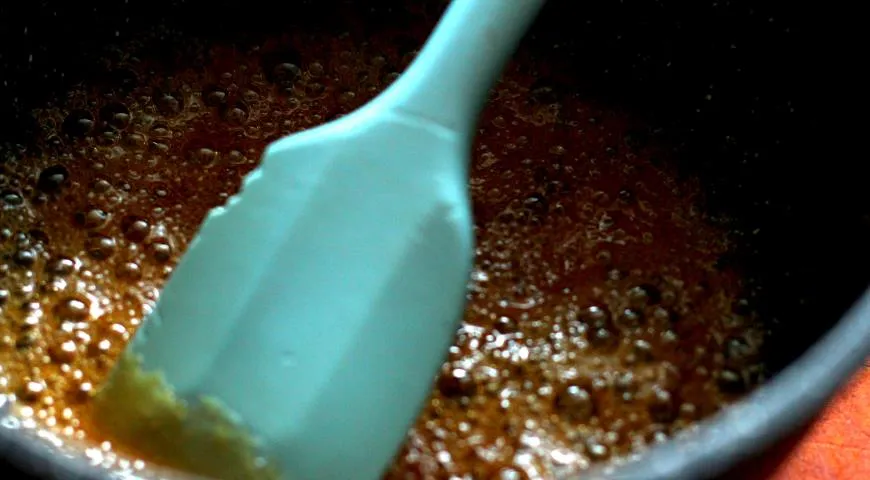
Use a vegetable peeler to remove thin strips of zest from the second orange (avoid the white pith). Cut the strips into fine julienne. Blanch them in boiling water for 1 minute if desired, then add to the sauce for texture and aroma.
Step 8: Make Beurre Manié
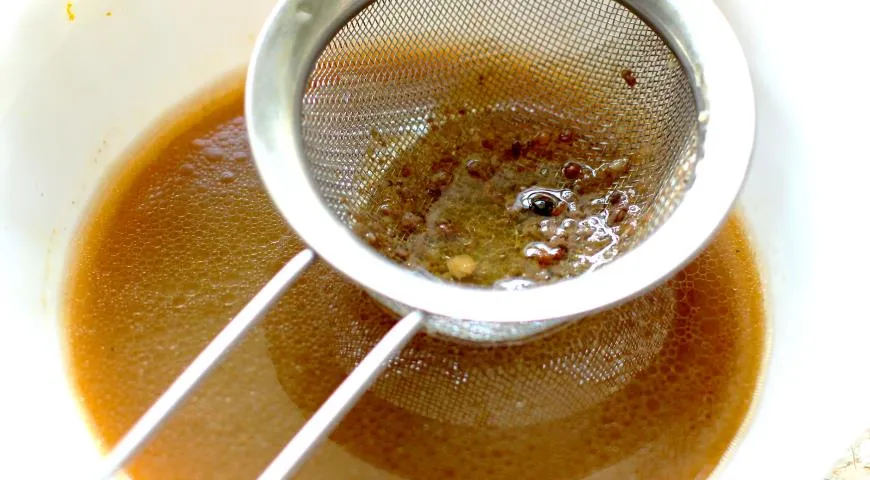
In a small bowl, mash equal parts softened butter and flour with a fork until a smooth paste forms. This beurre manié will thicken the sauce without lumps.
Step 9: Finish the Sauce
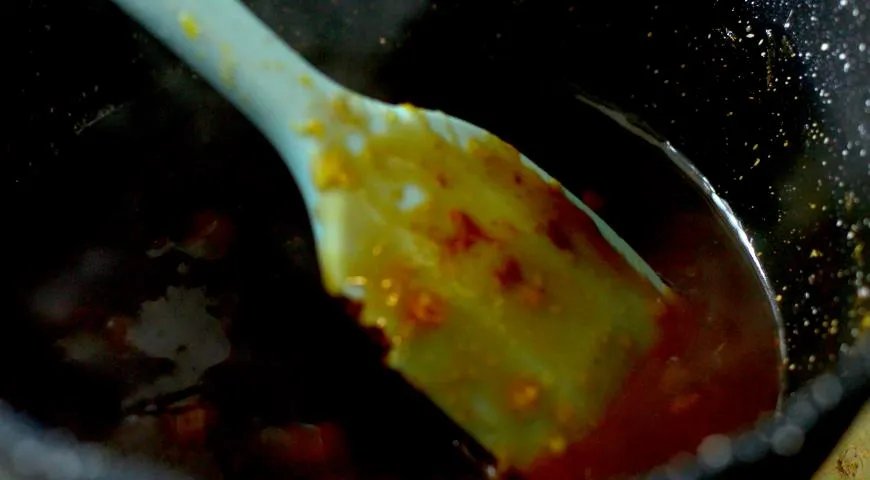
Whisk small pieces of beurre manié into the simmering sauce until it reaches your desired consistency. Remember, the sauce will thicken further as it cools. Taste and adjust salt or vinegar as needed.
Step 10: Plate and Serve
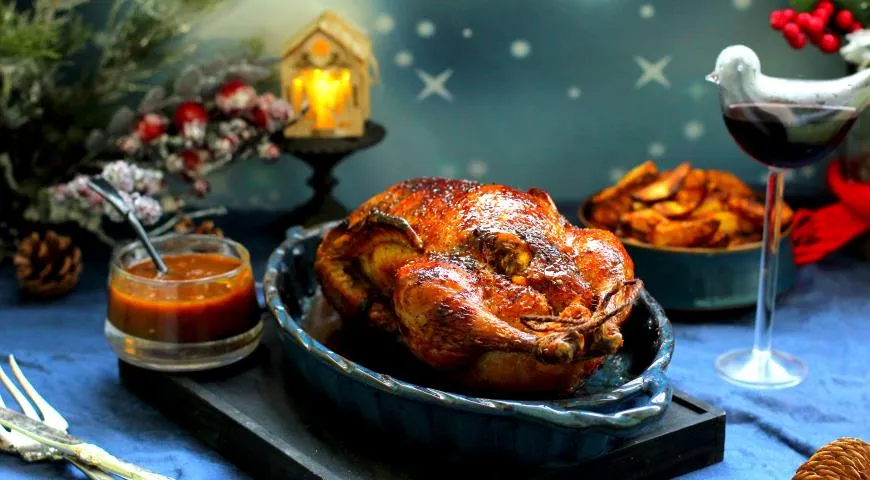
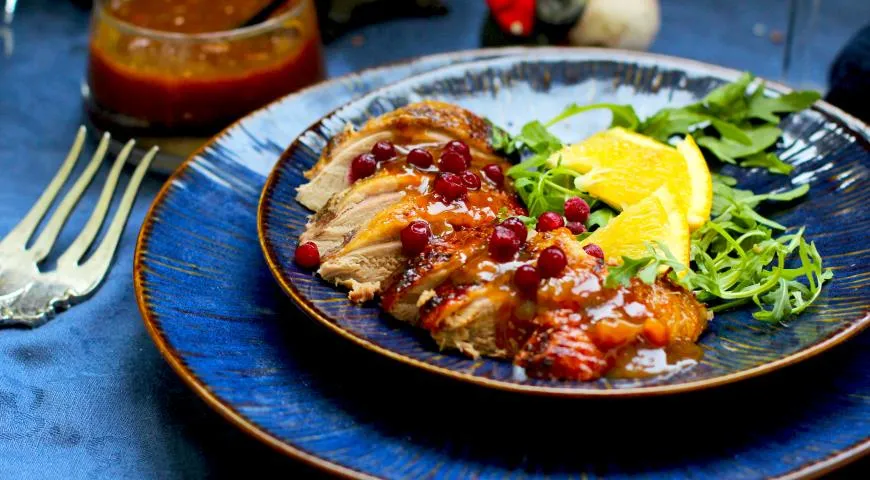
Arrange fresh orange slices and sprigs of thyme or rosemary on a serving platter. Place the roasted duck in the center. Spoon some sauce over the duck, and add a scattering of cranberries or lingonberries for a pop of color and acidity. Serve the remaining sauce in a gravy boat. For a classic French side, try air-fryer roasted potatoes or a creamy purée de potiron.
Tips for Perfect Duck
- Pat the duck dry with paper towels before seasoning to ensure crispy skin.
- For deeper flavor, dry-brine the duck overnight in the fridge with the spice-salt mix (without stuffing).
- Use a refrigerant leak detector if you suspect your fridge isn't holding temperature—proper storage is key for poultry.
- Let the duck rest at least 15 minutes after roasting to redistribute juices.
- If you prefer a thicker sauce, add a bit more beurre manié or reduce it further.
Variations
This recipe is wonderfully adaptable. Swap the sherry for organic vodka for a cleaner spirit note. Add a star anise or cinnamon stick to the syrup for warm spice. For a non-alcoholic version, replace wine with more broth and a splash of orange liqueur substitute. Try roasting duck in a microwave pressure cooker for a faster cook time, though the skin won't crisp as much. Pair with a espresso machine for a post-dinner coffee course.
FAQ
Can I use a different citrus fruit?
Yes! Blood oranges, clementines, or even grapefruit can replace regular oranges. Adjust sugar to balance acidity.
How do I prevent the sauce from being too sweet?
Add extra vinegar or a squeeze of lemon juice. The duck's savory juices also help tame sweetness.
What internal temperature should the duck reach?
For medium-rare, aim for 54–57°C (129–135°F) in the thigh. For well done, 74°C (165°F). Use an accurate meat thermometer for precision.
Can I prepare the sauce ahead of time?
Yes, make the orange syrup base a day ahead and finish with beurre manié just before serving. Reheat gently.
What side dishes complement this duck?
Classic choices include pommes duchesse, pommes Anna, or a pumpkin and white bean purée. For a modern twist, try a oil-sprayed roasted root vegetable medley.
Bon appétit! If you notice any errors, please let us know. This dish embodies the spirit of French home cooking—elegant yet accessible. For more inspiration, explore our guide on planetary mixers for perfect whipped accompaniments, or learn about undercounter ice makers for cocktails. Enjoy your culinary journey!







