


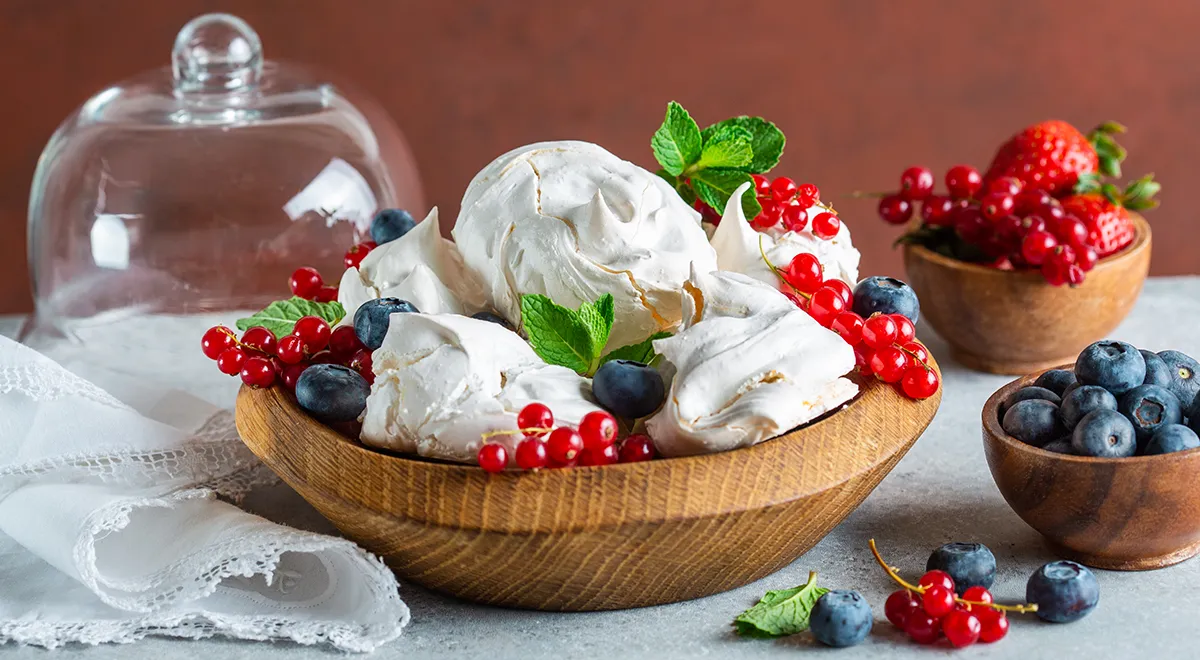
Swiss meringue is the unsung hero of the pastry world—a light, stable, and silky-smooth meringue that elevates everything from buttercream to pavlova. Unlike its French or Italian cousins, Swiss meringue is gently heated over a bain-marie, creating a denser, more velvety texture that’s perfect for piping, torching, or folding into other elements. Whether you’re topping a classic lemon tart, crafting a show-stopping baked Alaska, or simply craving a crisp, melt-in-your-mouth meringue cookie, this technique is a must-know for every home baker.
About Swiss Meringue
Swiss meringue—also called meringue suisse—is distinguished by its unique preparation method: egg whites and sugar are whisked together over gentle steam until the sugar dissolves, then whipped to glossy, stiff peaks. The heat stabilizes the egg proteins, allowing the meringue to hold its shape beautifully even in humid conditions. It’s naturally fat-free, incredibly sweet (the high sugar content is non-negotiable for structure), and dazzling white, often used as a base for Swiss meringue buttercream, meringue kisses, or pavlova. For more inspiration, explore our guide to Catalan sponge cake—a perfect canvas for this meringue.

Ingredients
- 100 g egg whites (from about 3 large eggs)
- 200 g granulated sugar
- 10 g vanilla sugar (or 1 teaspoon vanilla extract)
- Pinch of citric acid (or cream of tartar)
Precise measurements are critical—use a food scale for accuracy. The high sugar ratio ensures stability, so do not reduce it.
Step-by-Step Instructions
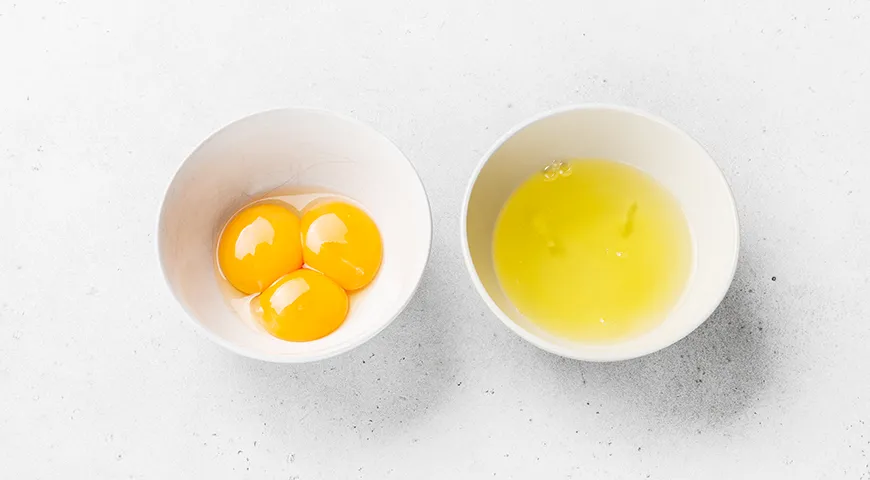
- Prepare the egg whites. Carefully separate the whites from the yolks, ensuring no yolk contaminates the bowl. Place the whites in a clean, grease-free mixing bowl that fits over a saucepan. Wipe the bowl with vinegar or vodka to remove any trace of fat.
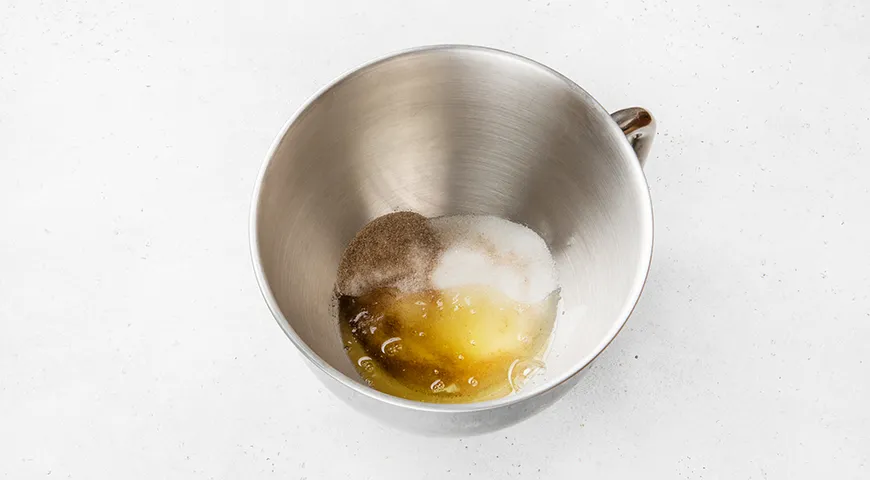
- Combine sugar and whites. Add the granulated sugar and vanilla sugar to the egg whites. Place the bowl over a saucepan of simmering water (the water should just barely touch the bottom of the bowl).
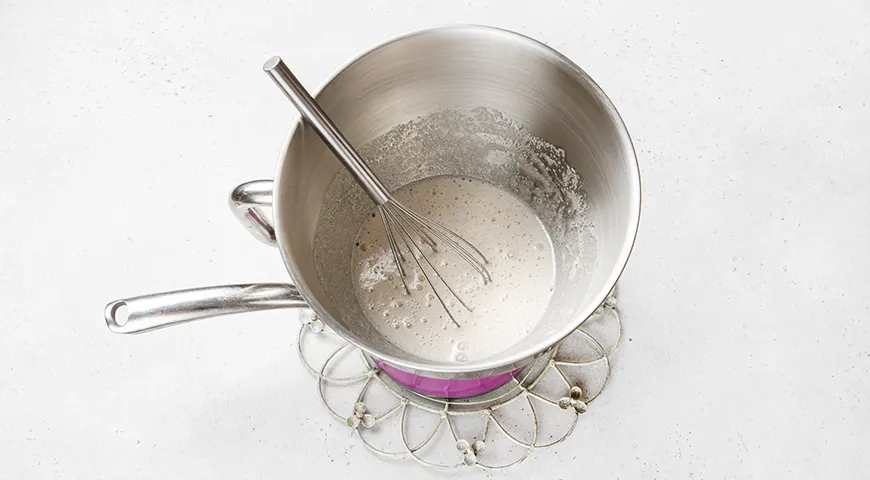
- Heat and whisk. Whisk continuously over moderate heat until the sugar is completely dissolved—test by rubbing a tiny bit between your fingers; it should feel smooth, not gritty. Remove from heat immediately.
- Whip the meringue. Transfer the bowl to a stand mixer or use a hand mixer. Start at low speed, gradually increasing to medium-high. The mixture will become pale, thick, and glossy. Once it reaches stiff peaks and begins to pull away from the sides of the bowl, add a pinch of citric acid. Whip for another 20–30 seconds until firm.
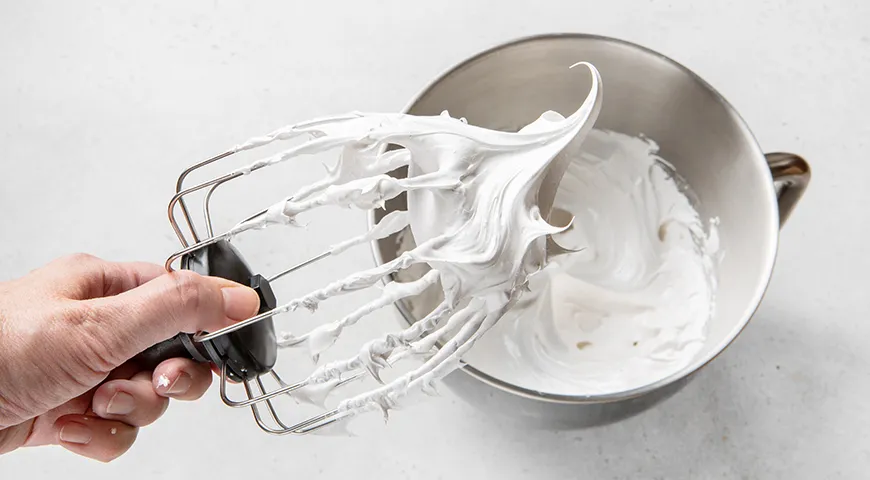
Your Swiss meringue is now ready to use—pipe it onto desserts, torch it for a toasted effect, or bake at low temperature for crisp meringue cookies.
Tips for Perfect Swiss Meringue
- Ensure all equipment is impeccably clean—any grease will prevent the whites from whipping. Use a castor oil -free kitchen.
- Weigh your egg whites and sugar for consistent results. A digital scale is your best friend.
- If you don’t have a stand mixer, a high-speed hand mixer works well—just be patient.
- For extra stability, add a pinch of cream of tartar or citric acid as directed.
- Don’t rush the heating step; undissolved sugar will cause weeping later.
Variations
Swiss meringue is wonderfully adaptable. Fold in melted dark chocolate for a rich chocolate version. Add a teaspoon of freeze-dried raspberry powder for a fruity twist. Use it as a base for alcohol-infused buttercream by whipping in softened butter. For a classic pavlova, spread the meringue into a nest shape and bake at 100°C (212°F) for 1½ hours, then top with whipped cream and fresh berries.
Frequently Asked Questions
What is the difference between Swiss, French, and Italian meringue?
Swiss meringue is heated over a water bath before whipping; French meringue uses raw egg whites whipped with sugar; Italian meringue is made by pouring hot sugar syrup into whipping whites. Swiss offers a balance of stability and simplicity.
Can I make Swiss meringue without a thermometer?
Yes. The key indicator is the sugar dissolving completely—test by rubbing a bit between your fingers. If it’s smooth, you’re ready to whip.
Why did my meringue turn grainy?
Graininess usually means the sugar didn’t fully dissolve during heating. Ensure you whisk constantly and remove from heat only after all crystals have melted.
How long can I store Swiss meringue?
Unbaked meringue should be used immediately. Baked meringue cookies or pavlova shells can be stored in an airtight container at room temperature for up to 2 weeks.
Can I use Swiss meringue for a Baked Alaska?
Absolutely! Its stable structure makes it ideal for insulating ice cream during a quick blast under a hot broiler or with a kitchen torch.
What if my meringue won’t stiffen?
Check for fat contamination. Re-whip with a pinch of cream of tartar. If it still doesn’t stiffen, use it as a topping for fruit crumbles.
Final Thoughts
Swiss meringue is a true workhorse in the pastry kitchen. Once you master the gentle heat and watchful eye, you’ll unlock endless possibilities—from elegant desserts to whimsical party treats. For more recipes that shine with meringue, explore our collection of Catalan sponge cake and other coffee pairings. Happy baking!







