



In the pantheon of Eastern European desserts, few evoke nostalgia and craftsmanship like the Soviet Medovik. This layered honey cake, born in the kitchens of the USSR, marries tender, caramelized honey wafers with a luscious sour cream and dried apricot filling. Our adaptation stays true to the original while elevating it with high‑end technique and readily available tools—such as a best planetary mixer or a best food processor for nut butter that doubles for pureeing dried fruit. The result is a cake that tastes both timeless and freshly modern.
About the Recipe
This Soviet classic, known as Medovik, is a stack of thin, honey‑infused pastry layers joined by a delicate cream. Traditionally, the cake requires patience: the dough must be chilled, the layers rolled paper‑thin, and the assembled torte left to soften overnight. Here we use a sour cream–butter cream enriched with plumped dried apricots, adding a subtle tang and fruity sweetness that cuts through the honey richness. For best results, use a best non‑toxic immersion blender to puree the apricots into a velvety paste, and a best commercial countertop convection oven for even baking of the delicate wafers.

Ingredients
For the honey layers (yields 8 thin rounds):
- Butter (unsalted) 50 g
- Granulated sugar 200 g
- Large eggs (C1) 2
- Honey 30 g
- Baking soda ½ tsp
- All‑purpose flour 400 g, plus extra for dusting
For the sour cream–dried apricot cream:
- Butter (unsalted, softened) 150 g
- Sour cream (30% fat) 250 g
- Dried apricots 100 g
- Granulated sugar 150 g
Step‑by‑Step Instructions
Prepare the Honey Dough
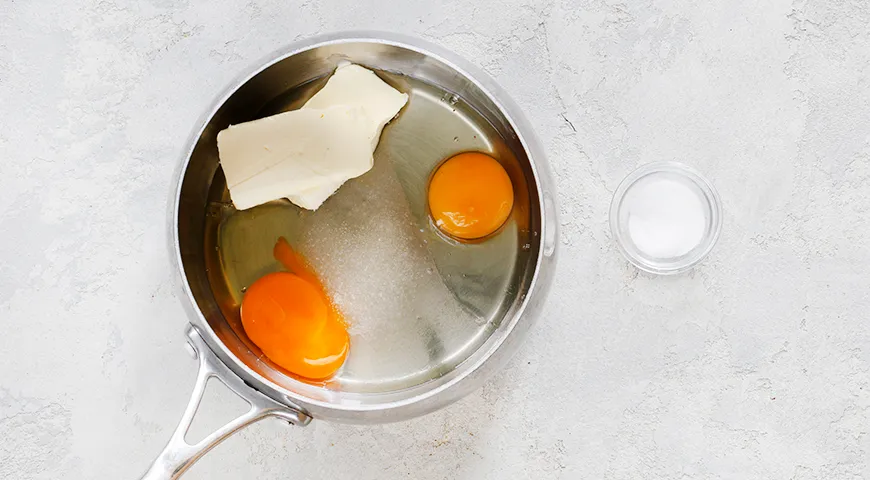
In a saucepan, lightly whisk the eggs with 200 g sugar. Add 50 g butter, honey, and soda. Place over low heat. Stir constantly with a whisk until the mixture is warm and slightly frothy—this creates the caramelized honey flavor. Remove from heat and let it cool to lukewarm. Gradually sift in the flour and mix thoroughly. Cover the dough and refrigerate for 1 hour. Using a best 48‑inch built‑in refrigerator ensures even cooling.
Bring the Honey Mixture to a Boil
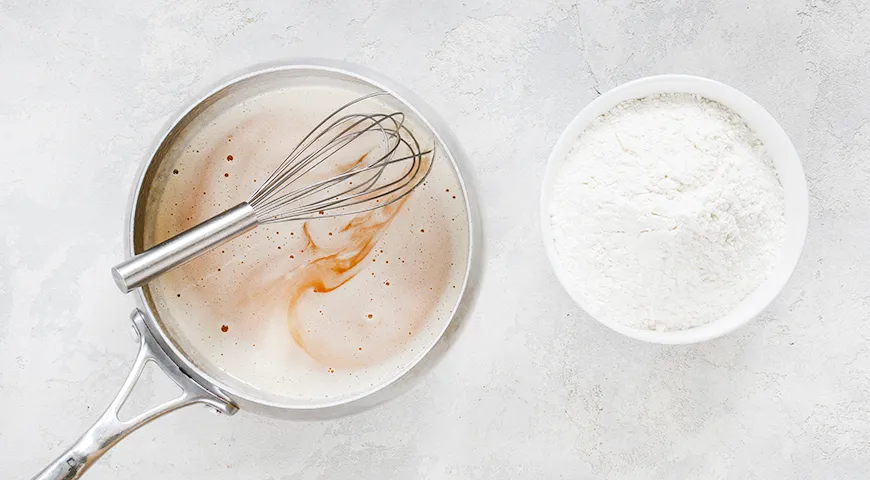
Return the saucepan to low heat. Stir continuously with a whisk until the mixture comes to a gentle boil. As soon as bubbles appear, remove from heat and allow it to cool to a warm temperature. Gradually add the flour in three batches, mixing well after each addition. The dough should be soft but not sticky. Cover with plastic wrap and refrigerate for 1 hour. A best microwave pressure cooker can speed up the cooling if needed.
Divide and Roll the Dough
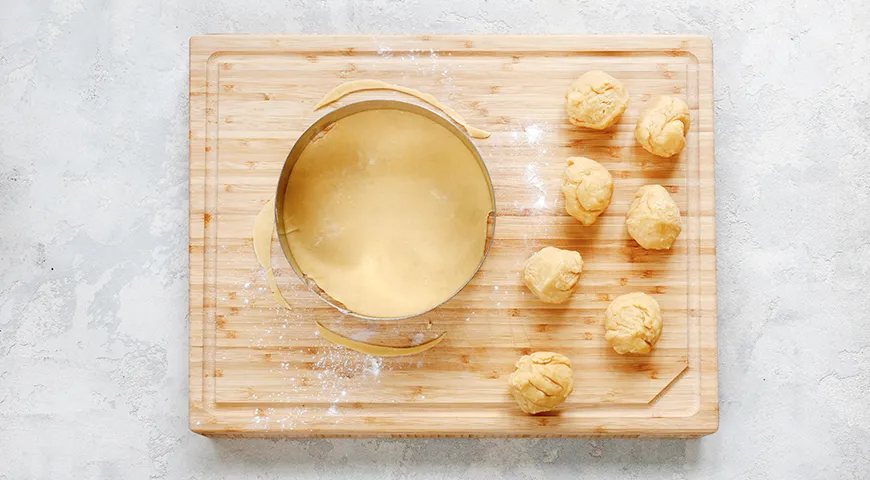
Transfer the chilled dough to a lightly floured surface. Divide into 8 equal pieces. Roll one piece into a thin circle about 2 mm thick. Use a large plate as a guide to cut a neat round. Transfer the round to a parchment‑lined baking sheet. Place the dough scraps next to it—they will be baked and crushed for garnish. Repeat with the remaining dough. For even rolling, use a best air fryer non‑toxic as a quick alternative to a full oven.
Bake the Layers
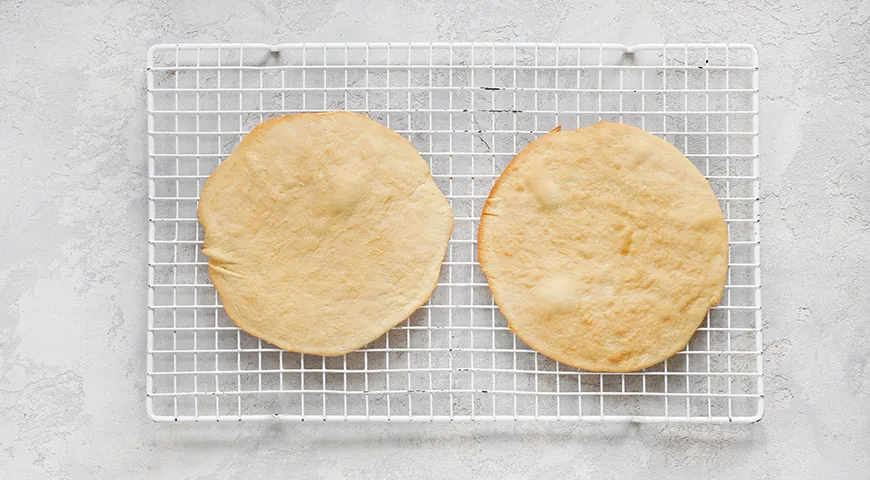
Preheat the oven to 180°C. Bake each layer for 3–4 minutes, until golden and slightly puffed. Transfer immediately to a wire rack to cool completely. Bake the pastry scraps alongside and reserve for the top. A best commercial countertop convection oven ensures even browning.
Prepare the Cream Base
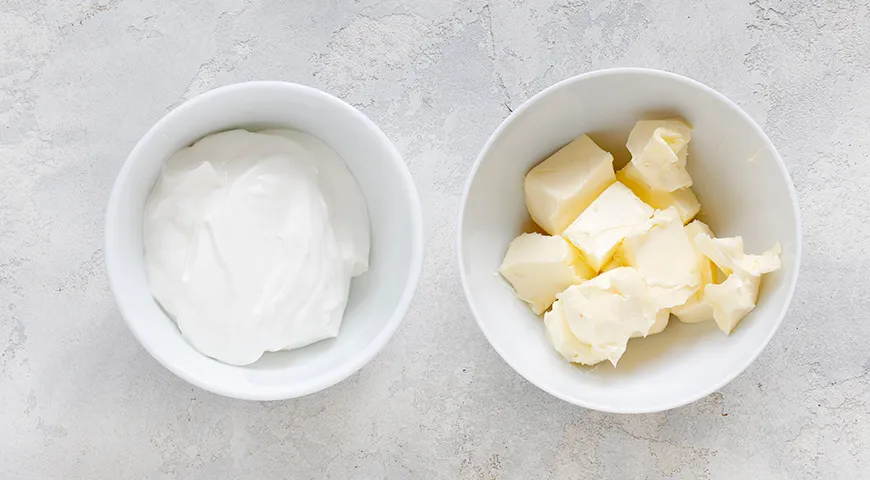
Cut 150 g butter into small cubes and let stand at room temperature for 30 minutes. Remove the sour cream from the fridge to take off the chill. Using a hand mixer or a best planetary mixer, beat the butter with half the sugar until pale and fluffy. In a separate bowl, whip the sour cream with the remaining sugar until thick. Fold the two mixtures together gently.
Plump and Puree the Dried Apricots
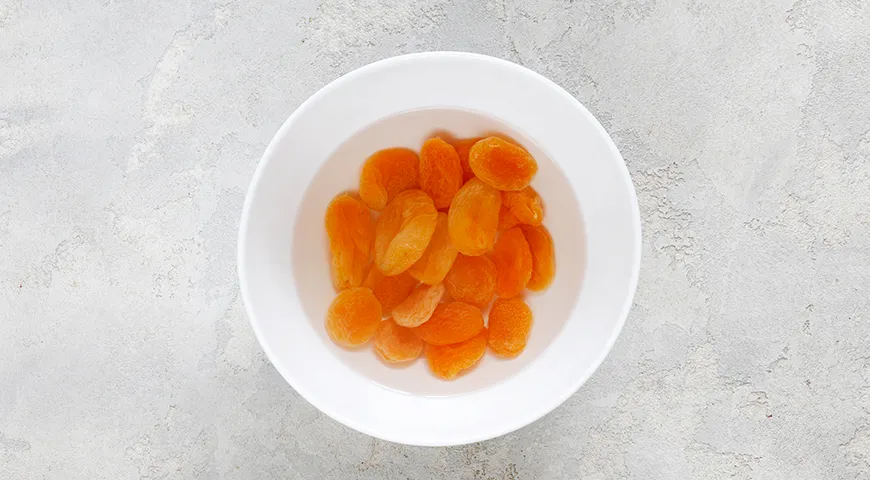
Rinse 100 g dried apricots under cold water. Place in a heatproof bowl, cover with boiling water, and let sit for 15 minutes. Drain, squeeze out excess moisture, and transfer to a blender. Puree until smooth. A best non‑toxic immersion blender works beautifully for this step. For an even silkier texture, pass the puree through a fine sieve.
Finish the Cream
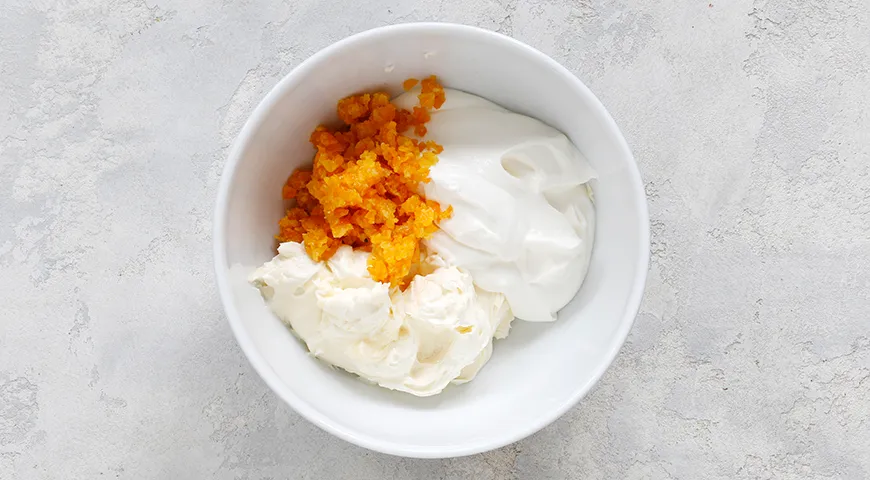
Add the apricot puree to the butter‑sour cream mixture and beat with a mixer until fully incorporated and fluffy. The cream should be thick enough to spread without runniness. If it seems too loose, refrigerate for 15 minutes. Taste and adjust sweetness if desired.
Assemble the Medovik
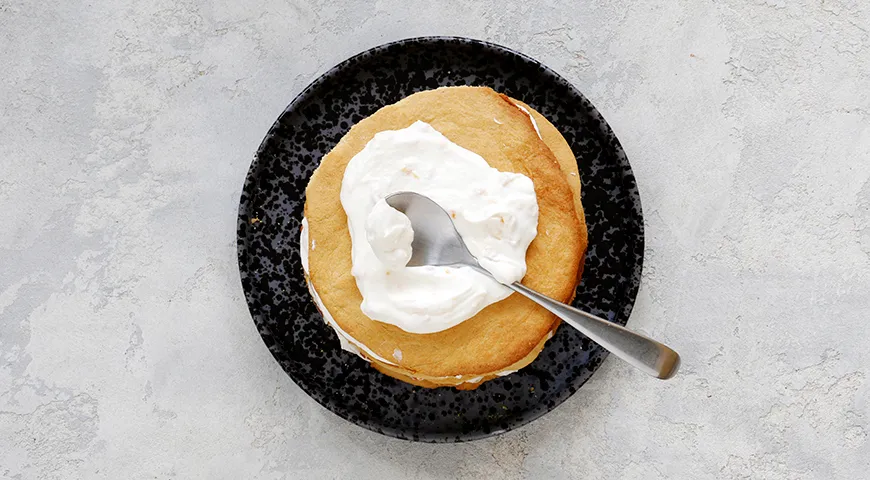
Place one baked layer on a serving plate. Spread a generous amount of cream evenly over the top. Repeat with the remaining layers, finishing with cream on the top and sides. Crush the baked pastry scraps into fine crumbs and sprinkle over the top and sides for a classic look. Let the cake sit at room temperature for 2 hours, then refrigerate for another 2 hours—this allows the layers to soften into a tender, almost melt‑in‑the‑mouth texture. A best oil sprayer can be used to lightly grease the plate if needed. To transfer the rolled dough, carefully wrap it around a large rolling pin and unroll directly onto the baking sheet.
Pro Tips for Perfect Medovik
The success of this cake hinges on thin, evenly baked wafers and a stable cream. Use a digital scale for precise ingredient measurements. A best food processor for nut butter can also grind the dried apricots if you prefer a chunkier texture. Always let the assembled cake rest overnight—the layers will absorb moisture and become exceptionally tender. Serve with a glass of best sweet wine with high alcohol content for a luxurious pairing.
Variations to Explore
Substitute the dried apricots with an equal weight of best chocolate‑covered raisins for a different fruit‑chocolate profile. For a lighter cream, fold in a tablespoon of lemon juice. If you prefer a classic honey cake without fruit, simply omit the apricot puree and increase the sugar to 175 g. The batter also works beautifully as a base for Pa de Pessic Catalan sponge style layers, though that yields a fluffier cake.
Frequently Asked Questions
Why does the dough need to be refrigerated?
Chilling the honey dough solidifies the butter and relaxes the gluten, making it easier to roll paper‑thin without shrinking. It also deepens the honey flavor. Use a best 48‑inch built‑in refrigerator for consistent temperature.
Can I make this cake ahead of time?
Absolutely. Medovik tastes even better the next day as the layers soften. Assemble up to 24 hours in advance, wrap tightly, and store in the refrigerator. Let it come to room temperature for 20 minutes before serving.
What if my cream is too runny?
Ensure the butter is properly softened and the sour cream is full‑fat (30% or more). If the cream is still thin, beat in a spoonful of mascarpone or chill it for 15 minutes before assembling.
Can I use a food processor for the dough?
Yes. A best glass food processor can quickly incorporate the flour without overworking the dough. Just pulse until combined—do not form a ball. Then chill as directed.
How do I store leftover Medovik?
Keep the cake covered in the fridge for up to 5 days. The texture improves over time. Bring slices to room temperature before serving for optimal flavor. Pair with a best coffee maker for Airbnb for a perfect coffee break.







