



There is something profoundly satisfying about a dessert that balances ethereal lightness with bright, citrusy tang. This Meringue Roulade with Lemon Curd is precisely that: a cloud-like meringue sheet, delicately crisp on the outside and marshmallow-soft within, cradling a luscious lemon curd and a creamy cheese filling. It is a showstopper that requires precision but rewards with pure elegance—a perfect centerpiece for spring gatherings, Mother’s Day brunch, or a sophisticated tea party.
The Art of Meringue
Meringue is a pantry-science marvel: just egg whites and sugar, transformed by mechanical force into a stable foam. For this roulade, we gently dry the meringue at a low temperature rather than bake it until brittle. This technique yields a pliable sheet that rolls without cracking—a hallmark of a well-executed roulade. Using a quality planetary mixer ensures consistent whipping and stable peaks. The addition of cornstarch and lemon juice further stabilizes the structure, a trick borrowed from classic pavlova recipes.

Essential Ingredients
- 4 large egg whites (room temperature)
- Pinch of fine sea salt
- 200g granulated sugar
- 1 tsp cornstarch
- 1 tsp fresh lemon juice
- Almond flakes (optional, for garnish)
- For the lemon curd: 2 lemons (juice and zest), 100g sugar, 3 egg yolks, 1 tsp cornstarch, 50g unsalted butter (cold, cubed)
- For the cream: 200g cream cheese (cold), 100ml heavy cream (35% fat), 2 tbsp powdered sugar
When sourcing ingredients, consider the freshness of your eggs—they affect volume. A non-toxic immersion blender can help emulsify the curd, though a whisk works beautifully. For clean, precise measurements, use a glass mixing bowl—the neutral surface allows you to see the meringue’s evolution.
Step-by-Step Mastery
1. Prepare the Meringue
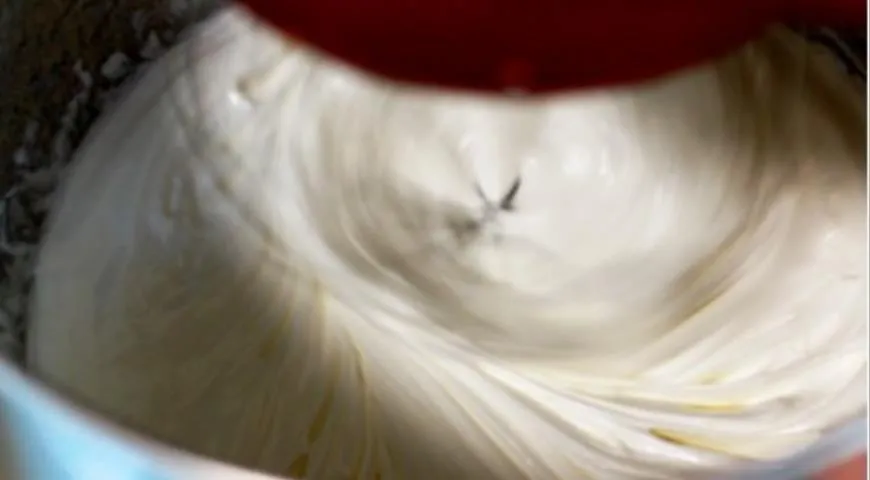
In a clean, grease-free bowl, whisk egg whites with a pinch of salt until frothy. Gradually add sugar, a tablespoon at a time, while beating on medium–high speed until stiff, glossy peaks form. The mixture should hold its shape when the bowl is inverted. Fold in cornstarch and lemon juice, then beat for another minute to incorporate. Spread the meringue evenly onto a parchment-lined baking sheet (0.5 cm thickness). For added texture, scatter almond flakes on top if desired.
2. Dry the Meringue
Bake at 140°C (280°F) for 35–40 minutes. The meringue should feel dry to the touch but still soft inside. Remove from the oven, cover immediately with a fresh sheet of parchment, invert the baking sheet, and carefully peel off the original parchment. Let it cool completely. This step prevents cracking and ensures easy rolling later.

3. Make the Lemon Curd
Combine lemon juice and zest, sugar, egg yolks, and cornstarch in a saucepan. Whisk over medium heat until the mixture thickens and just reaches a simmer—about 4–5 minutes. Remove from heat, whisk in cold butter cubes until smooth. Strain through a fine sieve into a bowl. Press plastic wrap directly onto the surface to prevent a skin from forming. Chill completely. For an even smoother curd, an immersion blender can be used after straining.
4. Whip the Cream
In a chilled bowl, beat cream cheese, heavy cream, and powdered sugar until thick and spreadable. Do not over-whip—you want a pipeable, stable texture. A food processor can speed this up, but careful manual whisking yields a silky result.
5. Assemble the Roulade
Spread a thin, even layer of cream over the cooled meringue, leaving a 2 cm border at the short end. Spoon the lemon curd over the cream. Let it sit for 10 minutes so the curd sets slightly. Using the parchment as a guide, roll the roulade tightly from the short edge. Wrap in plastic and refrigerate for at least 30 minutes (overnight is ideal). Before serving, pipe rosettes of remaining cream on top and garnish with lemon zest, edible flowers, or a dusting of powdered sugar.

Tips for Flawless Execution
- Egg whites at room temperature whip to greater volume—separate eggs an hour before starting.
- No fat allowed: Ensure bowls and beaters are utterly clean; any grease destroys meringue stability.
- Low and slow is the secret to a pliable roulade—140°C dries the meringue without browning.
- If the roulade cracks during rolling, do not panic—dust with powdered sugar and cover with cream rosettes. No one will notice.
- For a citrus twist, replace lemon curd with lava flavors-inspired fruit curds, such as passion fruit or yuzu.
Variations to Explore
Once you master the base, the possibilities are endless. Swap lemon curd for raspberry coulis and white chocolate cream. Add a layer of fresh berries for a Pavlova-inspired roulade. For a chocolate version, fold cocoa powder into the meringue and fill with chocolate ganache. The technique itself—dried meringue rolled around a filling—is a canvas for seasonal creativity. Pair this dessert with a cup of George Howell coffee for a sublime finish.
Frequently Asked Questions
Can I make this roulade ahead of time?
Yes! Assemble the roulade up to 24 hours in advance and store it in the refrigerator. The meringue remains stable, and the flavors meld beautifully. Garnish just before serving.
Why did my meringue crack?
Cracking usually results from over-baking or drying the meringue too quickly. Ensure your oven temperature is accurate (use an oven thermometer) and do not exceed 140°C. Also, rolling while slightly warm can help.
Can I use a different citrus for the curd?
Absolutely. Lime, grapefruit, or orange curds are excellent substitutes. Adjust sugar to balance tartness. A high-quality organic vodka can be added to citrus curds for a sophisticated adult version.
How do I prevent the roulade from becoming soggy?
Ensure the lemon curd is fully chilled and thickened before spreading. Do not overfill—use a thin, even layer. Also, refrigerate the rolled roulade immediately after assembly.
Is this recipe gluten-free?
Yes! The meringue contains no flour, and the lemon curd uses cornstarch (gluten-free). Always check the cream cheese label for hidden gluten. For a dairy-free option, substitute coconut cream and vegan cream cheese.
What egg white separation method works best?
Cold eggs separate more easily, but room-temperature whites whip best. Separate cold, then let whites sit for 30 minutes before whipping. Use three bowls: one for each white, to avoid having a yolk ruin the whole batch.
Can I skip the almond flakes?
Yes—the almond flakes are purely decorative. If omitted, the meringue surface will remain smooth. For added crunch, sprinkle with toasted coconut or crushed pistachios.
How long does this dessert keep?
Refrigerated, the roulade stays fresh for up to three days. After that, the meringue may soften. It is not suitable for freezing.
Final Thoughts
This Meringue Roulade with Lemon Curd is more than a recipe; it is a lesson in technique and a celebration of contrasts: airy and creamy, sweet and tart, delicate and bold. Whether you serve it at a festive brunch or a quiet afternoon tea, it will earn you applause. For more roulade inspiration, explore our guide to Catalan sponge cake or a classic non-toxic air fryer-baked meringue. Happy baking!
We recommend using a microwave pressure cooker for quick curd prep, and a high-end espresso machine to craft the perfect after-dinner coffee pairing. For those who love precision, a built-in refrigerator is ideal for chilling your roulade—but any fridge works! Finally, don't forget to stock your pantry with chocolate-covered raisins for snacking while you bake.







