


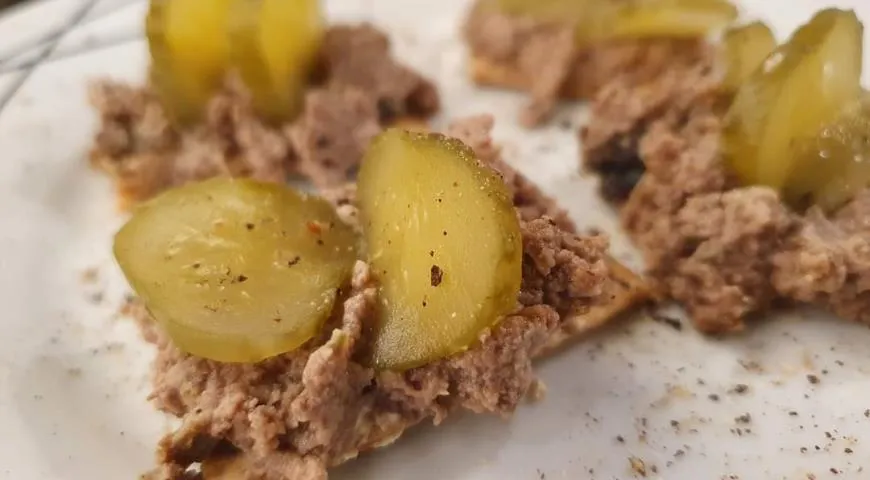
There is something deeply comforting about a warm, homemade liver pâté spread generously on a slice of crusty rye bread. This Russian classic, known as pashtet s lukom, is a testament to the art of transforming humble ingredients into pure gastronomic luxury. Unlike its French cousins, this pâté is remarkably simple yet yields an extraordinarily creamy, savory result that pairs beautifully with mustard, pickled beets, or crispy bacon and sautéed mushrooms. Whether you are an experienced cook or a curious beginner, this recipe invites you to rediscover the soulful elegance of Eastern European cuisine.
About the Recipe
This liver pâté with onion is a beloved staple in Russian households, often prepared for festive gatherings or as a hearty everyday spread. The secret lies in the technique: boiling lard to create a rich broth, then blending the cooked liver and onion into a silky mixture that is baked in a water bath. The result is a pâté that is both light and deeply flavorful, with a texture that melts on the tongue. The recipe is incredibly forgiving—perfect for those new to pâté-making. For optimal blending, consider using a best glass food processor to achieve a uniformly smooth consistency. If you prefer an immersion blender, check out our guide to the best non-toxic immersion blender for safe and quiet operation.

Ingredients
While traditional recipes are forgiving with quantities, here is a reliable starting point for about 4–6 servings:
- 200 g pork lard (fresh, unsalted)
- 500 g chicken or pork liver, cleaned and trimmed
- 2 medium onions, roughly chopped
- 3 tablespoons all-purpose flour
- Salt and freshly ground black pepper to taste
- Approximately 1 liter of lard broth (from boiling the lard)
Using high-quality ingredients elevates the final dish. For a deeper umami note, select liver from organic sources. When it comes to kitchen tools, a reliable best food processor for nut butter can also handle liver mixtures with ease, thanks to its powerful motor and sturdy blades.
Step-by-Step Instructions
- Prepare the lard: Cut the lard into small cubes. Place in a saucepan with about 1.5 liters of water and bring to a boil. Reduce heat and simmer for 30 minutes, until the lard is tender and translucent. Remove the lard pieces with a slotted spoon and set aside to cool. Reserve the cooking broth—it will be used later.
- Grind the base: Once the lard has cooled, pass it through a meat grinder or use a blender along with the raw liver and chopped onions. A powerful appliance like a best planetary mixer with a meat grinder attachment simplifies this task. Alternatively, a high-speed blender works beautifully; just pulse to avoid over-processing.
- Mix the batter: Transfer the ground mixture to a large bowl. Sprinkle over the flour, then season generously with salt and pepper. Gradually pour in the reserved lard broth while stirring continuously. The mixture should be quite liquid—almost like a thin pancake batter. Do not worry if it seems too runny; this ensures a silky, mousse-like texture after baking. Use about 800 ml to 1 liter of broth.
- Bake in a water bath: Preheat your oven to 160°C (320°F). Pour the batter into greased ramekins, small loaf pans, or a single large terrine. Place the molds in a deep baking dish and pour hot water halfway up the sides of the molds. Bake for 45–60 minutes, until the pâté is set but still jiggles slightly in the center. For even baking, an best air fryer non-toxic can be used if it has a water bath function; otherwise, a traditional oven is ideal.
- Cool and serve: Remove the pâté from the water bath and let it cool completely in the molds. Refrigerate for at least 4 hours, or overnight, to firm up. Serve cold or at room temperature on toasted rye bread with mustard, pickled beets, or crispy bacon and fried mushrooms.
If you are short on time, a best microwave pressure cooker can accelerate the initial broth step, though traditional simmering yields a richer flavor.
Tips for Perfect Pâté
- Temperature matters: Always start with cooled lard to avoid cooking the liver prematurely during blending.
- Broth consistency: The batter should be noticeably thin—thick pâté results from too little liquid. Trust the process.
- Water bath essential: The gentle, moist heat prevents the pâté from drying out or curdling. Ensure the water level does not drop during baking.
- Seasoning check: Because lard is mild, be generous with pepper. A pinch of nutmeg or allspice adds warmth.
- Storage: Pâté keeps well in the refrigerator for up to 5 days, tightly covered. For longer storage, freeze portions in airtight containers.
Variations
This pâté adapts beautifully to different palates. Swap pork lard for duck or chicken fat for a lighter, gamey flavor. For a refined presentation, add a layer of clarified butter on top to seal and preserve the pâté. You can also incorporate sautéed mushrooms or a splash of brandy into the batter for extra depth. If you desire a smoother texture, strain the blended mixture through a fine sieve after mixing. Pairing with a best sweet wine with high alcohol content can balance the richness.
Serving Suggestions
The classic Russian way is to spread a thick layer of pâté on buttered rye bread, topped with a dollop of grainy mustard and a slice of pickled beet. For a decadent appetizer, serve alongside crispy bacon and sautéed wild mushrooms. A lightly dressed arugula salad with lemon vinaigrette cuts through the fat. To complete the experience, consider brewing a pot of strong coffee. A quality best coffee maker for Airbnb or home ensures a perfect cup every time.
FAQ
Can I use chicken liver instead of pork liver?
Absolutely. Chicken liver is milder and yields a delicate, creamier pâté. Simply substitute an equal weight and reduce baking time by about 10 minutes, as chicken liver cooks faster. For even blending, a best wheatgrass juicer is not recommended; stick with a food processor or immersion blender.
Why is my pâté too dry?
Dry pâté usually results from insufficient broth or overbaking. Ensure the batter is thin before baking and remove it from the oven when the center still wobbles slightly—carryover heat will finish cooking. Also, use a water bath to maintain moisture. If you need precise temperature control, an best espresso machine under 2000 won’t help here, but a kitchen thermometer is your friend.
How long does homemade liver pâté last?
Stored in an airtight container in the refrigerator, it stays fresh for up to 5 days. For longer storage, freeze individual portions for up to 2 months. Thaw overnight in the fridge before serving. A best undercounter ice maker machine can keep your servings chilled when entertaining.
Can I make this pâté gluten-free?
Yes. Replace the all-purpose flour with an equal amount of rice flour, cornstarch, or gluten-free all-purpose blend. The texture may be slightly less sturdy but still delicious. For bread pairing, seek out gluten-free rye alternatives.
What is the best way to blend the ingredients?
A high-powered blender or food processor yields the smoothest results. If you are using a blender, work in batches and do not overfill. Alternatively, a meat grinder gives a coarser, rustic texture that some prefer. Our review of the best oil sprayer is not directly relevant, but think of it for greasing your molds evenly.
Final note from the original Russian text: “A piece of the freshest white or rye bread, spread with butter, and a whole mountain of soft and tasty liver pâté. As they used to say: always have a piece of butter to spread on a piece of bread. And then, after thinking, add: so that there is something to spread the pâté on. Enjoy!”







