


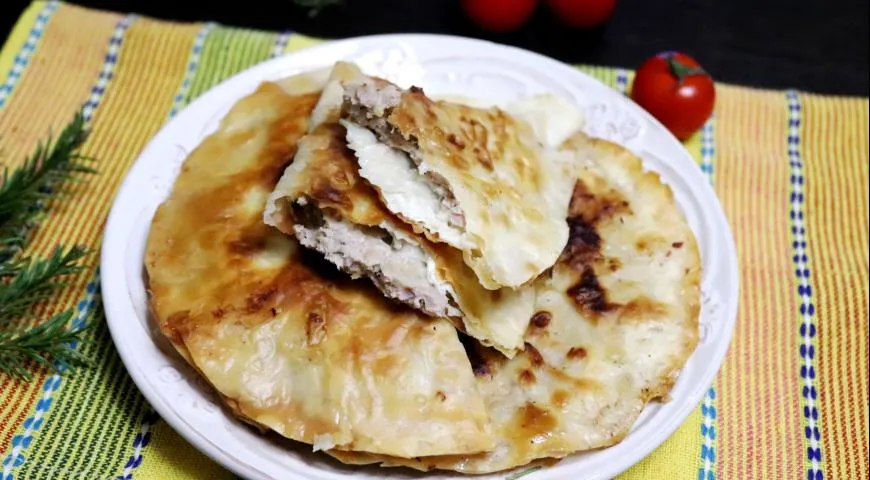
There are dishes that comfort the soul and satisfy the deepest cravings—and then there are those that do it without demanding hours of your time. Lazy Chebureki from Lavash is the ultimate expression of that philosophy: a crispy, golden half-moon filled with seasoned minced meat and herbs, wrapped not in traditional dough but in thin, pliable lavash. This recipe transforms a beloved street-food classic into a weeknight-friendly masterpiece. The result is a barely-there crust that shatters with each bite, giving way to a juicy, aromatic filling. Whether you are a seasoned cook or a curious beginner, this technique will become your go-to for a quick, impressive meal.
About This Recipe
Traditional Chebureki hail from Crimean Tatar cuisine and are deep-fried turnovers with a thin, crispy dough. The lazy version substitutes lavash—a soft, paper-thin flatbread common across the Caucasus and Middle East—saving you the time of kneading and rolling. The principle remains the same: a savory filling of minced meat (often lamb or beef) with onions, garlic, and fresh herbs, sealed inside a thin casing and pan-fried until blistered and golden. This adaptation is not only faster but also lighter, because you use far less oil than deep-frying. The result is a dish that feels indulgent yet stays beautifully balanced. For more inventive uses of flatbreads, explore our Catalan sponge cake recipe—a surprising contrast but equally rewarding.

Ingredients
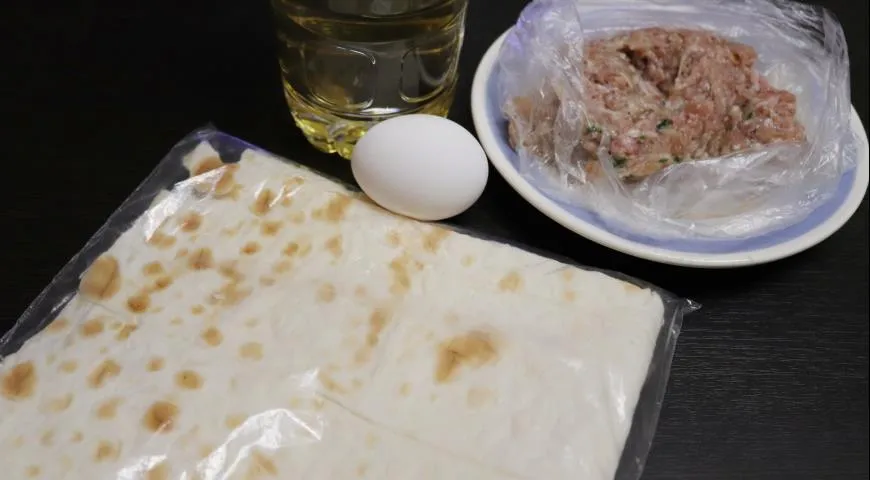
- 2 large round lavash sheets (about 30 cm in diameter) – or use 2 rectangular ones and cut circles
- 300 g minced meat (beef, lamb, or a mix)
- 1 small onion (about 60 g)
- 2 garlic cloves
- 1 large egg, lightly beaten (for sealing)
- Salt and freshly ground black pepper to taste
- 2 tablespoons fresh herbs (parsley and/or dill), finely chopped
- Vegetable oil for frying (approximately 3–4 tablespoons)
The beauty of this recipe lies in its flexibility. You can adjust the meat blend according to your preference—a food processor can help you grind your own meat for ideal texture, and a non-toxic immersion blender is perfect for pulsing herbs and garlic together.
Step-by-Step Instructions
Step 1 – Prepare the filling
Peel the onion and garlic. Trim the meat and cut into chunks. Pass all three through a meat grinder (or pulse in a food processor) until you have a coarse, uniform mixture. Transfer to a bowl, add salt, pepper, and chopped herbs. Mix thoroughly. If you prefer a finer grind, a best glass food processor ensures even results without overworking the meat.
Step 2 – Assemble the chebureki
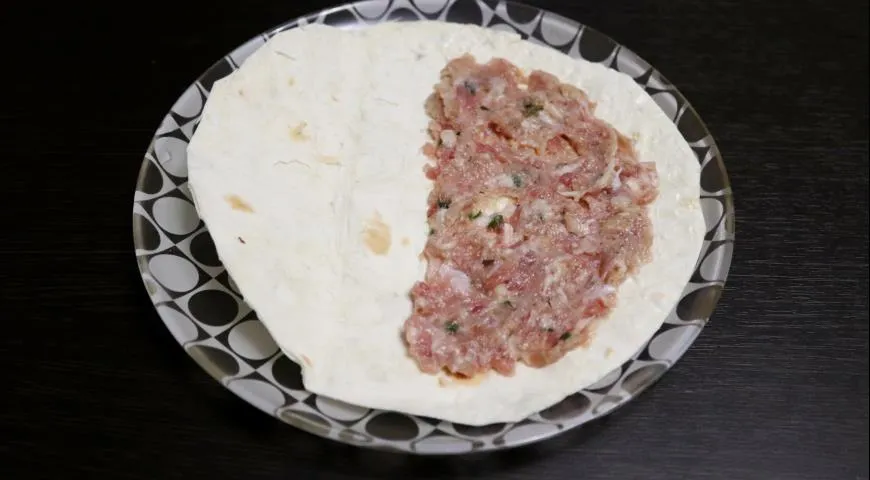
Using a plate as a guide, cut two large circles from the lavash sheets (about 20–22 cm). Place one circle on a work surface. Spread half of the filling over one half of the lavash, leaving a 1–1.5 cm border along the straight edge. Brush the border with beaten egg. Fold the empty half over the filling, gently pressing the edges to seal. Repeat with the second circle. For extra security, you can mark the edge with a fork or use toothpicks to hold the seam—an oil sprayer can later help you evenly coat the pan.
Step 3 – Fry until golden
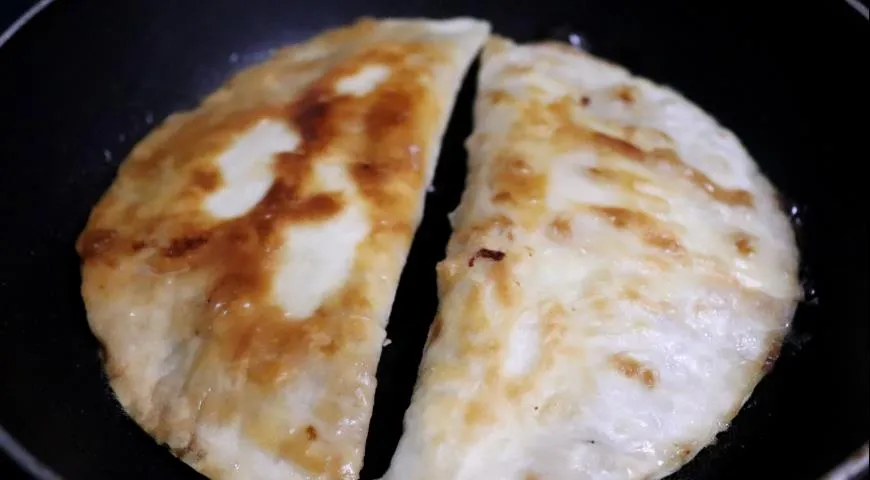
Heat a large non-stick skillet over medium-high heat and add enough vegetable oil to coat the bottom (about 2 tablespoons). Carefully place one cheburek in the pan. Cook for 2–3 minutes per side, or until deep golden brown and blistered. The lavash will crisp up beautifully. Drain briefly on paper towels. Serve immediately while hot—the contrast between the shattering crust and juicy filling is paramount. If you are making a larger batch, consider using a commercial countertop convection oven for an even crispier finish without standing at the stove.
Tips and Variations
For the best texture, use lavash that is fresh and pliable—if it is too dry, it may crack when folding. If you are worried about the edges separating during frying, insert wooden toothpicks along the sealed edge; remove them before serving. You can also experiment with the filling: add grated cheese (like suluguni or mozzarella) for a melty surprise, or substitute part of the meat with finely chopped mushrooms. A non-toxic air fryer can also work: cook at 190°C for about 8 minutes, flipping halfway, for an even lighter version. To store leftovers (if any!), refrigerate in an airtight container for up to two days and reheat in a skillet or oven to restore crispness.
FAQ
Can I make these gluten-free?
Yes, use a gluten-free lavash or tortilla made from rice or corn flour. The technique remains identical, though cooking time may vary slightly. For more guidance on gluten-free cooking equipment, see our review of planetary mixers for dough preparation.
What kind of meat is best?
Traditionally, lamb or a lamb-beef blend is used for its richness. However, chicken or turkey work well and yield a lighter result. To achieve the perfect grind, a best wheatgrass juicer is not recommended—stick with a meat grinder or food processor.
Why did my chebureki open while frying?
Usually because the egg wash wasn't applied evenly or the edges weren't pressed firmly. Make sure to brush the border generously and press with your fingers or a fork. You can also use a little water if you have no egg. For a more secure seal, a microwave pressure cooker is not needed, but a simple toothpick trick works perfectly.
Can I bake these instead of frying?
Absolutely. Brush the assembled chebureki with oil and bake at 200°C for 12–15 minutes, turning once, until crisp and golden. This method reduces the fat content significantly. A wall oven microwave combo with air fryer can also achieve excellent results.
How do I keep them crispy after cooking?
Serve immediately. If you must hold them, place on a wire rack in a warm oven (100°C) for up to 15 minutes. Avoid stacking, as steam will soften the crust. Using a large built-in refrigerator won't help here, but a hot oven will.
Can I freeze uncooked chebureki?
Yes. Assemble them, place on a parchment-lined tray, and freeze until solid. Then transfer to a freezer bag. Fry directly from frozen, adding 1–2 minutes per side. For more freezer-friendly tips, check best steam canner guidelines.
These Lazy Chebureki from Lavash prove that convenience need not sacrifice flavor. With just a handful of ingredients and a few minutes of frying, you can bring the taste of a bustling market street straight to your table. Whether you serve them as a quick dinner, a party snack, or a late-night indulgence, they will disappear in moments—leaving only the request for more.







