


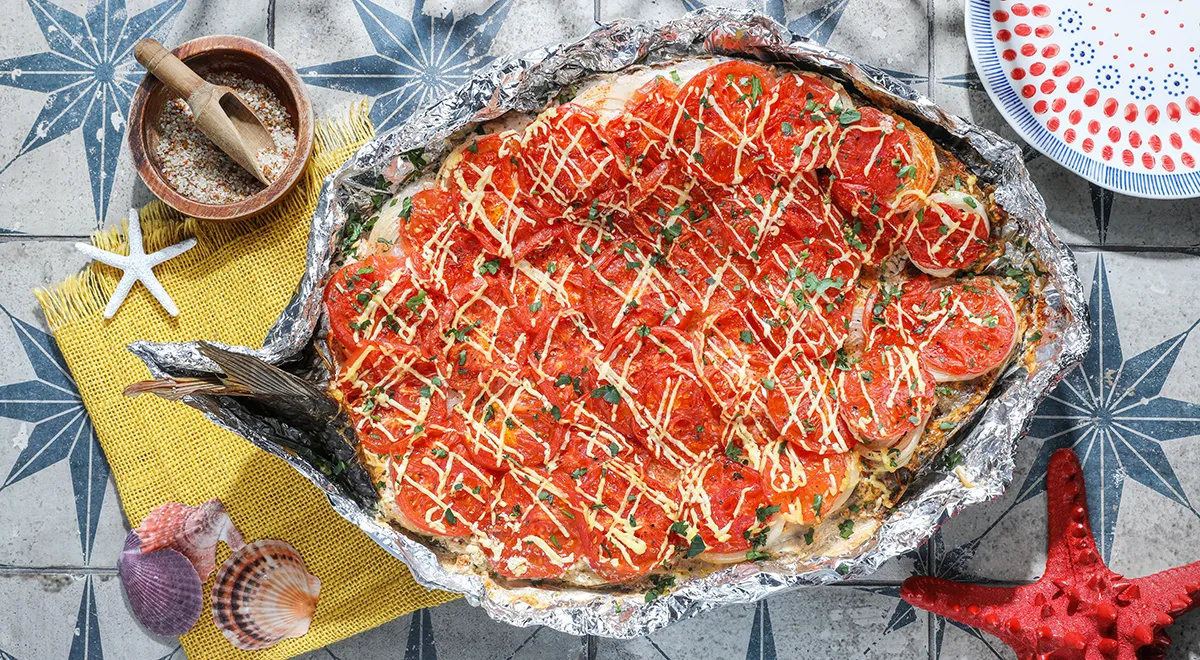
Koktal is one of the most revered dishes of Kazakh cuisine—a whole fish, split open like a book, layered with vegetables and spice, then roasted until the flesh is succulent and the topping caramelizes into a savory crust. Traditionally cooked over an open fire in a special koktal grill that imparts a smoky, lightly charred flavour, this version adapts the technique to a standard oven, making it accessible for home cooks without sacrificing depth or drama. The key is choosing a hearty, oily fish—carp, silver carp, or grass carp—that can stand up to the robust tomato-and-mayonnaise blanket, and mastering the unique butterfly cut that keeps the belly intact.
About Koktal: A Kazakh Culinary Treasure
Rooted in the nomadic traditions of Central Asia, koktal was born from the need to prepare a whole catch over an open flame with minimal fuss. The fish is butterflied from the back, not the belly, leaving the skin on the underside untouched to hold in juices. In a best wall oven microwave combo with air fryer, you can replicate the even heat distribution of a traditional smoke pit. The original method uses a koptilnya (smoker) for a hint of smokiness, but our oven version relies on paprika and a gentle 160–170°C heat to build complexity.

Ingredients for Perfect Koktal
- Whole fish (carp, silver carp, or grass carp) – 2 kg, scaled and gutted through the back
- Tomatoes – 500 g, ripe and firm
- Onions – 300 g (about 2 medium), peeled
- Garlic – 4 cloves
- Lemon – ½
- Mayonnaise – 150 g (good quality, full-fat)
- Sweet paprika – 1 tsp
- Salt – to taste (about 1.5 tsp for a 2 kg fish)
- Freshly ground black pepper – to taste
- Optional: dried herbs (thyme, oregano) – 1 tsp
Using a best food processor for nut butter might seem unrelated, but a powerful processor can quickly chop the garlic and herbs for the basting sauce. For slicing the onions and tomatoes evenly, a sharp knife is essential—consider a best planetary mixer? No, that's for dough; but a good chef's knife is your best tool.
Step-by-Step: How to Make Koktal Fish in the Oven
Step 1: Butterfly the Fish
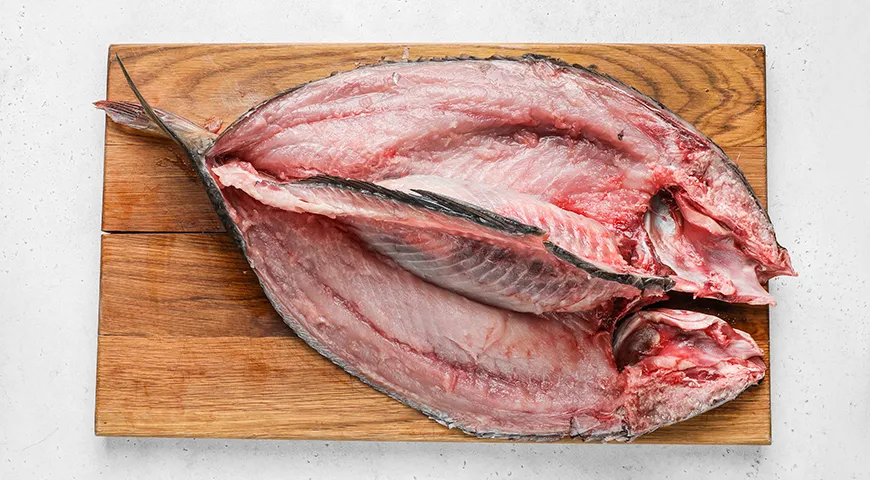
Place the scaled fish on a cutting board. Using a sharp, flexible knife, make a deep incision along the spine from head to tail, cutting down to the backbone. Then carefully slice along the rib cage on both sides to open the fish like a book—do not cut through the belly skin. Split the head in half and remove the gills and any viscera. Remove the backbone if desired (easier eating, less bones).

Step 2: Clean and Dry
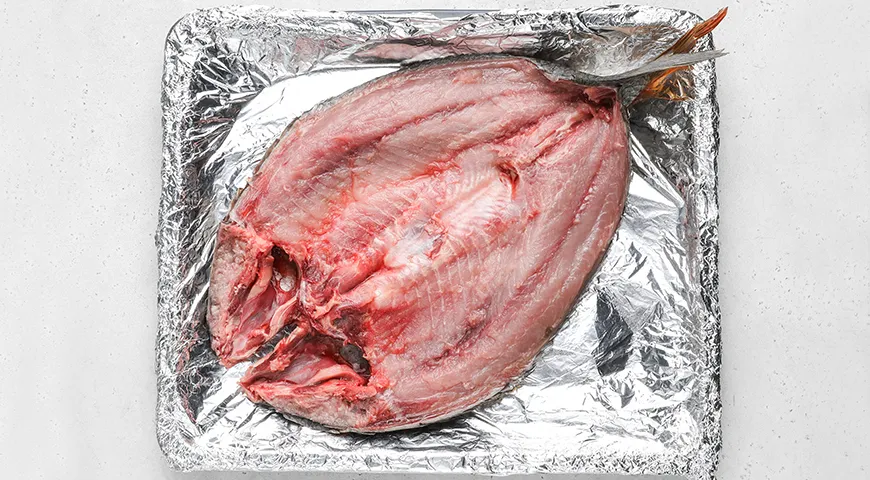
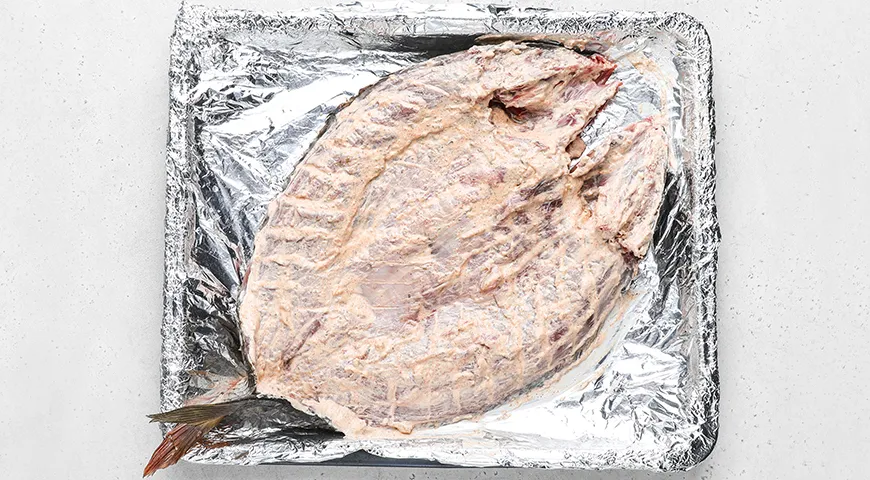
Remove all internal organs without tearing the belly skin. Rinse the fish under cold running water, then pat dry thoroughly with paper towels. Line a baking tray with a large sheet of heavy-duty aluminum foil and lay the fish skin-side down.
Step 3: Score and Season
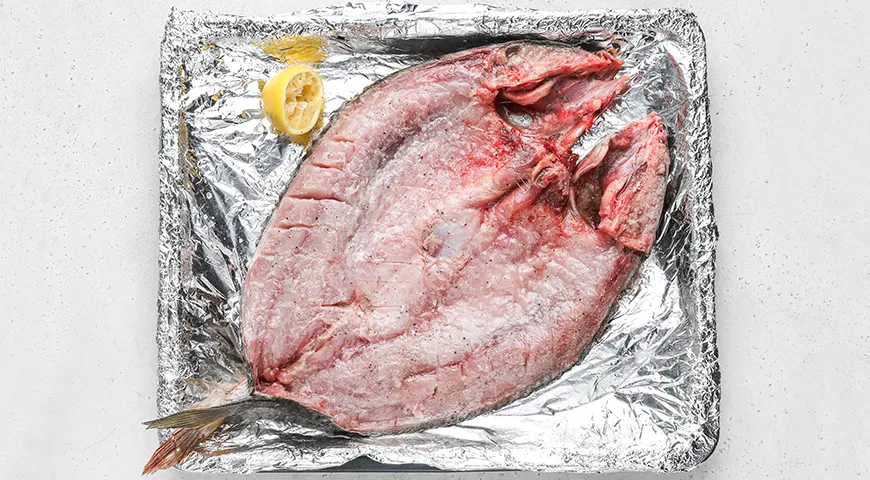
Make shallow diagonal cuts across the flesh on both sides, being careful not to cut through the skin. Squeeze lemon juice over the fish, then season generously with salt and freshly ground black pepper. For a deeper flavour, use a best sweet wine with high alcohol content to deglaze the pan later—but for now, keep it simple.
Step 4: Make the Spiced Mayo Baste
In a small bowl, combine 100 g of mayonnaise with 1 tsp sweet paprika, the minced garlic, and optional dried herbs. Stir well. Using gloved hands, spread this mixture evenly over the entire surface of the fish, working it into the cuts.
Step 5: Layer the Onions
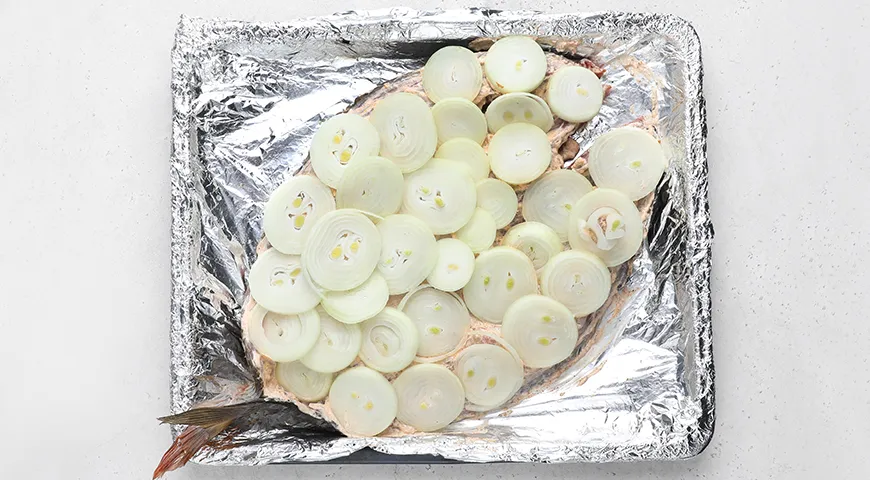
Slice the onions crosswise into thin rings (2–3 mm thick) without separating them. Arrange the onion rounds in a single, overlapping layer over the fish. Lightly salt the onions.
Step 6: Top with Tomatoes
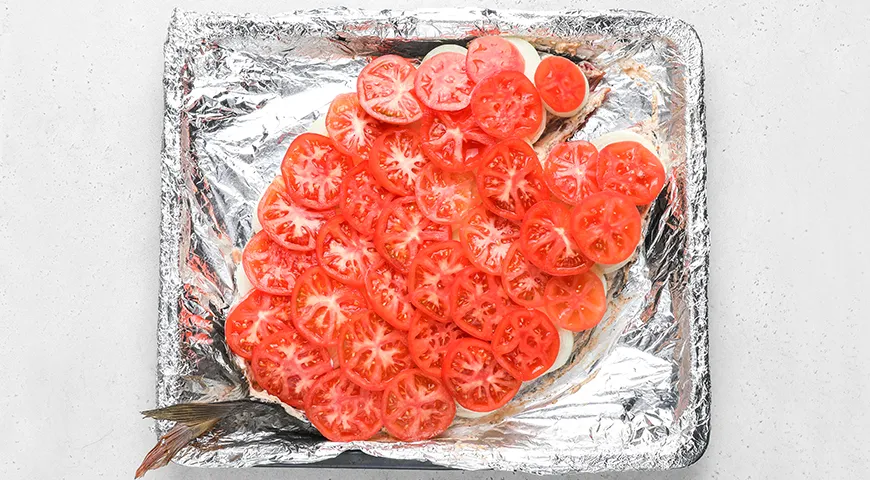
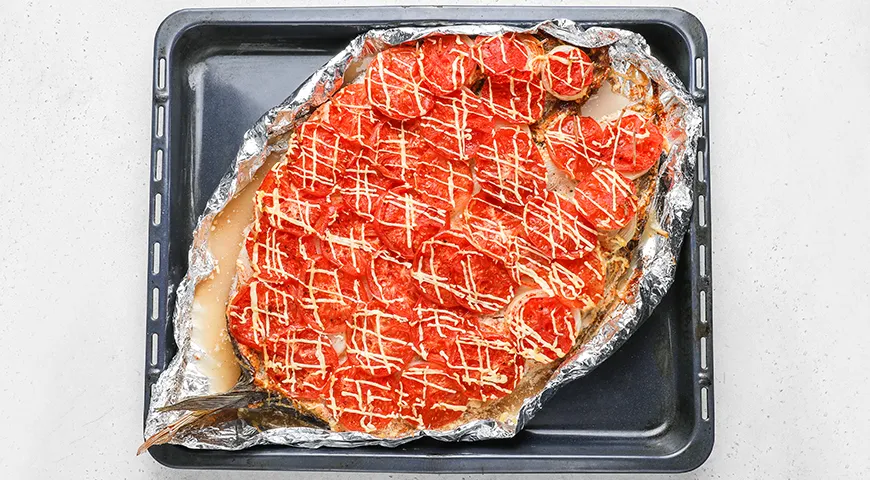
Slice the tomatoes crosswise into rounds about 4 mm thick. Arrange them in overlapping rows like fish scales on top of the onions. This will create a beautiful mosaic.
Step 7: Secure with Toothpicks
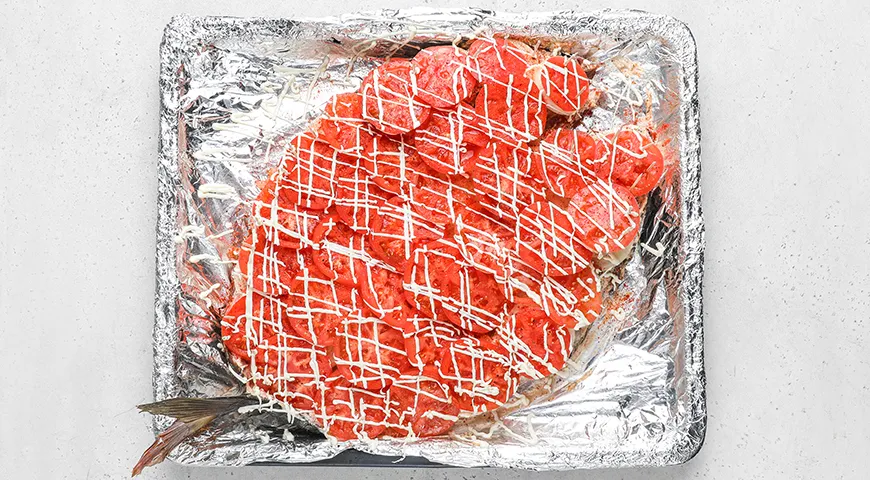
Insert toothpicks along the edges of the fish to act as barriers, preventing the vegetables from sliding off during roasting. Season the tomatoes with salt, pepper, and a dusting of paprika. Squeeze a little more lemon juice over the top. Pipe or drizzle a decorative crisscross of the remaining 50 g mayonnaise over the tomatoes.
Step 8: Create Foil Edges
Fold up the edges of the foil to form a rim—this will catch the juices during cooking. Preheat the oven to 160–170°C (320–340°F). A best commercial countertop convection oven works beautifully for even heat, but a standard oven is fine.
Step 9: Roast and Serve
Place the tray in the preheated oven and roast for 45–60 minutes, until the fish is cooked through and the vegetables are tender and lightly browned. Remove toothpicks before serving. The fish will release a flavourful broth—spoon it over the vegetables. Garnish with fresh herbs if desired.
Pro Tips for an Authentic Koktal
- Choose the right fish: Oily, firm-fleshed varieties like carp, silver carp, or grass carp work best. Avoid lean fish—they dry out.
- Don't skip the drying step: Patting the fish dry ensures the mayo paste clings and browns nicely.
- Use a good mayonnaise: Full-fat mayo is essential for richness. Light versions break down.
- Control the heat: 160–170°C is a sweet spot—high enough to cook through without burning the topping. An best air fryer non-toxic can finish the top if browning is uneven, but the gentle oven roast is preferred.
- Let it rest: Five minutes after pulling from the oven allows juices to redistribute.
Variations and Substitutions
While the classic uses carp, you can substitute lake trout or salmon (adjust cooking time). For a spicier kick, add a pinch of cayenne to the mayo or layer sliced jalapeños under the tomatoes. If you don't have mayonnaise, mix yogurt with olive oil and lemon for a lighter sauce. To achieve a smoky note without a grill, add a pinch of liquid smoke to the baste. Using a best microwave pressure cooker for the fish? Not recommended—steaming loses the crust. Stick to oven roasting.
Frequently Asked Questions
Can I cook koktal on a grill or BBQ?
Absolutely. If you have a kettle grill, set up for indirect heat (coals on one side, fish on the other) and cover. Add wood chips for smoke. The cooking time will be similar—check internal temperature to 60°C (140°F). For more on outdoor cooking, see best oil sprayer for greasing the grates.
What is the best way to remove the backbone?
Use kitchen shears or a sharp knife to cut the ribs away from the spine after butterflying. Pull the backbone out gently to avoid tearing the skin. A best undcounter ice maker machine is unrelated, but clean tools matter!
Can I prepare koktal in advance?
You can butterfly, clean, and score the fish a day ahead; keep it refrigerated covered with plastic. Apply the mayo paste and vegetables just before roasting for best texture.
What should I serve with koktal?
Steamed rice, flatbreads, or a simple green salad. A chilled glass of best george howell coffee? Not for this dish—but a crisp white wine or a light beer pairs beautifully. For non-alcoholic, try mint tea.
Can I use frozen fish?
Yes, but thaw completely in the refrigerator, then dry very well. Frozen fish releases more water during cooking, so increase the roasting time by 10–15 minutes and consider preroasting uncovered for 10 minutes at 180°C to evaporate excess moisture.
Is it necessary to scale the fish?
Yes, the scales are left on in the traditional recipe to protect the skin during cooking, but they must be scaled first. The skin becomes crispy and edible. If you prefer, you can remove the skin after cooking—it will lift off easily.
The Art of Serving Koktal
Present the whole fish on a large platter, surrounded by fresh herbs and lemon wedges. The dramatic butterflied shape, the jewel-toned tomato scales, and the rich aroma make it a centrepiece for family gatherings or festive dinners. For a complete menu, pair with a best organic vodka as a digestive or a bold red wine if you prefer. Koktal is more than a meal—it's an invitation to gather around the table and share the warmth of the steppe.







