


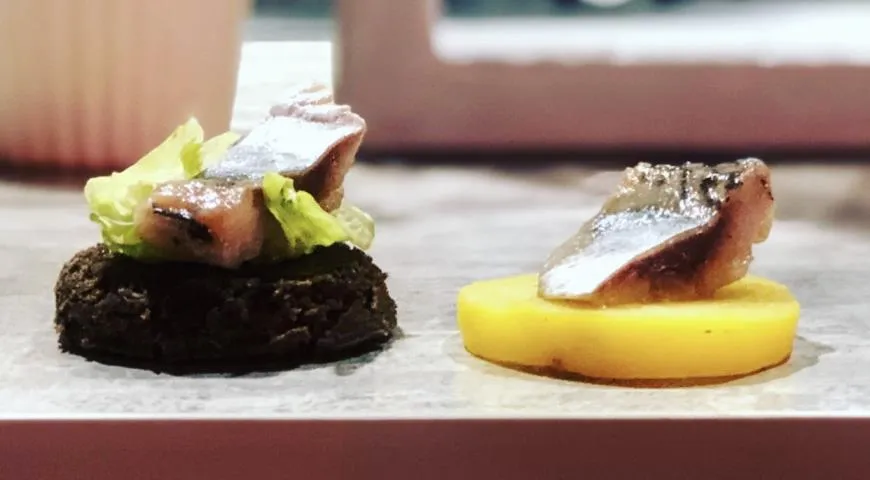
When the holiday tablescape calls for something deeply flavorful yet elegantly simple, this herring appetizer rises to the occasion. A beloved staple of Russian New Year’s Eve spreads, salted herring finds new life in a presentation that pairs it with two classic companions: dark Borodinsky bread and tender boiled potato rounds. Each component is carefully prepped and assembled to create a bite that balances brine, earthiness, and a whisper of sweetness from the bread. Whether you are hosting a festive dinner or crafting a refined zakuska platter, this recipe delivers both nostalgia and sophistication in every mouthful.
About This Herring Appetizer
Herring has long held a place of honor in Eastern European cuisine, particularly during winter celebrations. This recipe transforms humble ingredients into a visually striking dish that requires no last-minute fuss. By using non-toxic air fryer techniques for perfectly cooked potatoes (or simply boiling them), you achieve uniform rounds that echo the shape of the bread. The combination of dark rye bread, crisp iceberg lettuce, and silky herring creates a textural symphony. For those who appreciate the sharpness of raw onion, a scattering of rings or fine dice adds a pungent counterpoint. This appetizer is as much about thoughtful composition as it is about flavor.

Ingredients
- 1 large salted herring (or 2 fillets)
- 200 g Borodinsky bread (dark rye with coriander and molasses)
- 3–4 medium potatoes (choose uniform, small ones for neat rounds)
- Iceberg lettuce – a few large leaves
- Sunflower oil (a drizzle for the bread)
- Optional: 1 small red or white onion
- Salt (for boiling potatoes)
Step-by-Step
Prepare the herring: Clean the fish thoroughly, removing skin, bones, and head. Cut the fillets into neat, bite-sized pieces. A sharp knife ensures clean edges. Set aside.
Prepare the bread: Trim the crusts from the Borodinsky bread slices. Using a small shot glass or round cookie cutter, stamp out uniform circles. Lightly drizzle each round with sunflower oil. A best oil sprayer ensures even distribution without oversaturating.
Cook the potatoes: Peel the potatoes and rinse. Boil in salted water until just tender – about 15–20 minutes depending on size. Do not overcook; they should hold their shape when sliced. Drain, cool completely, then slice into even rounds (about 5 mm thick). For the most attractive results, choose potatoes that are naturally round and similar in size.
Prepare the lettuce: Tear iceberg lettuce into small pieces that will sit neatly on the bread without overwhelming.
Assemble the appetizer: On a serving platter, first place the oiled bread rounds. Top each with a small piece of lettuce, then a herring piece. On the potato rounds, also place a herring piece. If using onion, top the herring with either finely diced or thick rings – the choice is yours. Arrange alternating bread and potato pieces on the platter for visual rhythm.
Tips for Success
- Uniform slicing: Use a best glass food processor attachment to slice potatoes evenly, or simply use a sharp knife and a steady hand.
- Bread choice: Borodinsky bread has a characteristic dark color and slight sweetness from molasses and coriander. If unavailable, substitute pumpernickel or dense rye.
- Herring quality: Opt for high-quality salted herring fillets in oil or brine. Avoid overly salty specimens; you can soak them in milk or water for 30 minutes if needed.
- Make ahead: Boil the potatoes and prep the herring a day in advance. Assemble just before serving to keep bread crisp.
- Serving temperature: Herring is best served cool but not ice-cold. Let the assembled platter sit at room temperature for 10 minutes before serving.
Variations
Herring with beets: Replace potato rounds with cooked beet slices for a ruby-red twist that pairs beautifully with the bread.
Add a creamy element: Spread a thin layer of best organic vodka-infused sour cream or horseradish cream on the bread before adding lettuce.
Herring tartare: Finely dice the herring and mix with chopped dill, capers, and a squeeze of lemon. Pile onto bread or potato rounds for a modern take.
Vegetarian option: Substitute herring with marinated mushrooms or roasted red pepper strips for a plant-based version.
Spice it up: Sprinkle a pinch of smoked paprika or ground coriander over the assembled pieces to echo the bread’s spices.
FAQ
Can I use store-bought herring fillets?
Absolutely. Many markets sell pre-filleted salted herring in oil. Just drain and cut. For a cleaner flavor, best non-toxic immersion blender isn’t needed here, but a good knife works perfectly.
How do I remove bones from herring?
Lay the fillet skin-side down. Run your fingers along the center to locate the spine. Use tweezers to pull out pin bones. For a video guide, check our Catalan sponge cake post – not related, but demonstrates precision!
What other breads work?
Dark rye, pumpernickel, or even small crostini from a best commercial countertop convection oven will toast nicely. Borodinsky remains the traditional choice.
Can I make this gluten-free?
Yes. Use gluten-free rye-style bread or sturdy gluten-free crackers. Or skip bread entirely and serve herring on potato rounds only.
How long does this appetizer keep?
Assembled pieces are best eaten within 1–2 hours. Store components separately: herring in the fridge, bread at room temperature. Potato rounds can be refrigerated in an airtight container for up to 2 days.
Is there a shortcut to cook the potatoes?
Use a best microwave pressure cooker to steam potatoes in under 10 minutes. Alternatively, boil them the day before.
Which onion is best?
Red onion offers milder sweetness; white onion has sharper bite. Both work. For a less aggressive flavor, soak sliced onion in cold water for 10 minutes before using.
This herring appetizer is a celebration of simplicity done right. The interplay of textures – crisp bread, tender potato, silky fish – and flavors from earthy rye to briny sea makes it an unforgettable opener for any festive meal. For more inspiration, explore our best chocolate covered raisins review or dive into best wheatgrass juicer for a green counterbalance. Whether you’re assembling for a crowd or a quiet night in, this recipe will earn a permanent spot in your repertoire.







