


Imagine a dessert that captures the soul of a Russian celebration—a towering stack of delicate, lacy blini, each one lovingly brushed with silky, vanilla-scented pastry cream. This Blini Cake with Pastry Cream (Блинный торт с заварным кремом) is more than just a clever way to use up leftover pancakes; it is a show-stopping centerpiece that transforms humble ingredients into an elegant, multi-layered masterpiece. Born from the tradition of Maslenitsa, the week-long festival of butter, sun, and indulgence, this cake offers a refreshing twist when you have had your fill of the usual buttered blini. Here, the thin Russian pancakes become the building blocks of a refined dessert—moist, creamy, and surprisingly simple to assemble. Whether you are hosting a festive gathering or simply craving a luxurious homemade treat, this recipe will guide you through every step, from whisking the perfect batter to achieving that glorious, spoon-stand custard.
About the Blini Cake
Blini are thin, tender pancakes that serve as the foundation for countless Russian dishes. While they are beloved folded with sour cream or caviar, this cake elevates them to dessert status. The magic lies in the contrast: the slightly chewy, golden-edged blini soak up the rich pastry cream, softening into layers that melt on the tongue. It is a dessert that rewards patience—the blini must be paper-thin, the cream stirred without pause, and the finished cake allowed to rest overnight. Yet the effort is minimal compared to the wow factor. A single bite reveals why this cake has become a beloved alternative to traditional layered sponge cakes.

Ingredients
For the blini (makes about 15–17 thin pancakes):
- 40 g unsalted butter
- 2 large eggs (C0)
- 30 g granulated sugar
- Pinch of salt
- 300 ml whole milk
- 300 g all-purpose flour
For the pastry cream:
- 3 large eggs
- 190 g granulated sugar
- 10 g vanilla sugar (or 1 tsp vanilla extract)
- 40 g all-purpose flour
- 500 ml whole milk
Step-by-Step Instructions
Step 1: Prepare the Blini Batter
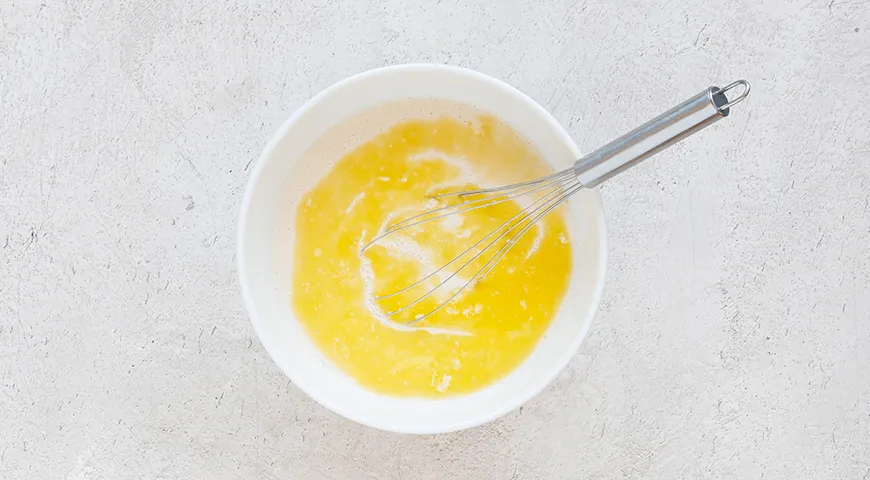
Cut the butter into small cubes and melt it in a small saucepan over low heat. Let it cool slightly.

Step 2: Combine Wet and Dry Ingredients
In a large bowl, whisk eggs with sugar and salt. Pour in 100 ml of milk and whisk again. Sift the flour over the mixture and stir until smooth. Gradually add the remaining 200 ml milk, whisking constantly to avoid lumps. Finally, pour in the cooled melted butter and mix well. Cover the batter and let it rest for 30 minutes at room temperature.
Step 3: Cook the Blini
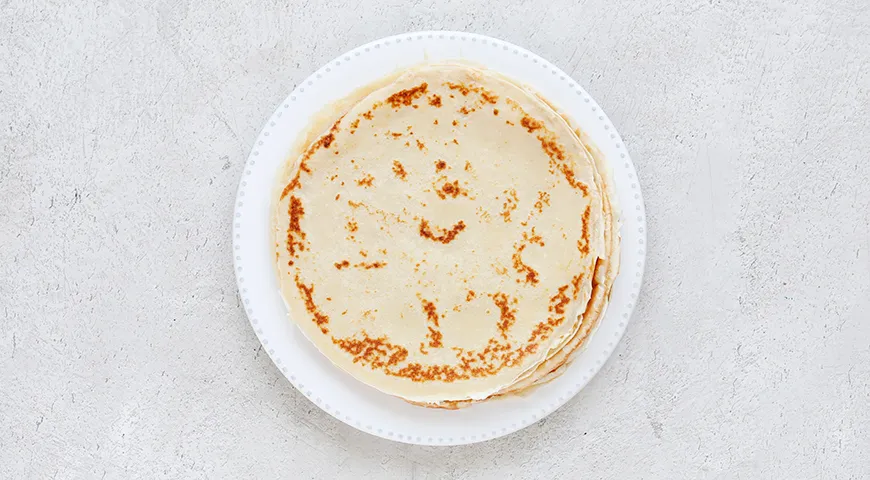
Heat a non-stick or cast-iron crepe pan over medium heat and lightly grease it with vegetable oil. Ladle a thin layer of batter, tilting the pan to spread evenly. Cook for about 1 minute until the edges lift and the bottom is golden, then flip and cook for 30 seconds. Stack the finished blini on a plate. You should have roughly 15–17 pancakes.
Step 4: Make the Pastry Cream
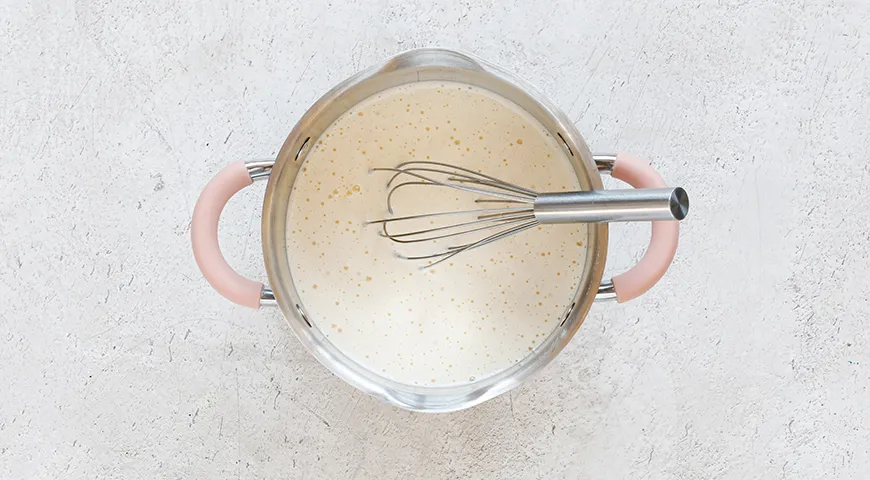
In a medium saucepan, whisk eggs with both sugars until pale and frothy. Sift in the flour and whisk until no lumps remain. Gradually pour in the milk while whisking continuously.
Step 5: Cook the Cream
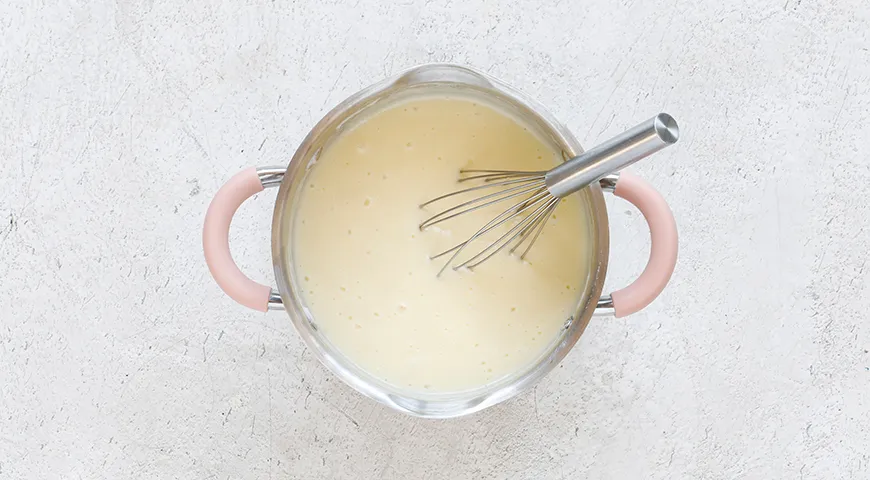
Place the saucepan over very low heat. Stir constantly with a whisk—never stop—until the cream thickens and begins to bubble (about 5–7 minutes). Do not let it scorch. Once thick, remove from heat and let it cool completely, covering the surface with plastic wrap to prevent a skin.
Step 6: Assemble the Cake
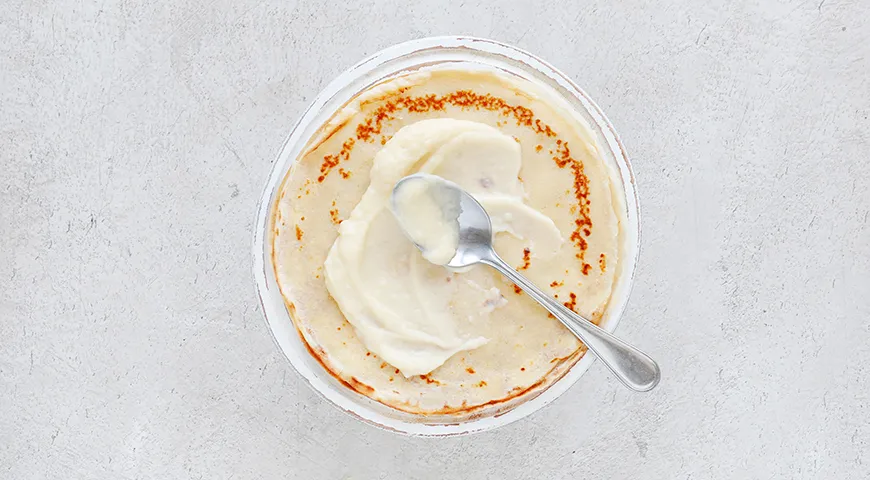
Place one blini on a serving plate and spread a thin, even layer of cooled pastry cream on top. Repeat with the remaining blini and cream, ending with a blini. Cover the entire cake with plastic wrap and refrigerate for at least 2 hours (preferably overnight).
Tips for Perfect Blini Cake
- Rest the batter: Giving the batter 30 minutes allows the gluten to relax and results in more tender blini. Use an immersion blender if lumps persist.
- Keep blini thin: The secret to a refined cake is paper-thin pancakes. If your batter is too thick, add a splash more milk.
- Never stop stirring the cream: Constant whisking over low heat prevents burning and ensures a silky texture. A non-toxic immersion blender can help if you end up with lumps.
- Chill thoroughly: The cake needs at least 2 hours to set—overnight is best. This allows the cream to soften the blini into a cohesive, sliceable dessert.
- Use quality vanilla: Real vanilla sugar or vanilla bean paste elevates the cream’s flavor. Pair with a sweet dessert wine for an extra indulgence.
Variations
- Chocolate twist: Add 2 tablespoons of cocoa powder to the cream mixture for a chocolate blini cake.
- Berry layers: Spread a thin layer of berry jam or fresh berries between the cream for a fruity contrast.
- Lemon or orange zest: Grate zest into the cream for a citrusy lift.
- Naturally sweetened: Replace refined sugar with organic maple syrup or honey in the cream (adjust quantity to taste).
- Vegan option: Use plant-based milk and a nut-based cream with cornstarch instead of eggs.
Frequently Asked Questions
Can I make the blini ahead of time?
Yes, you can cook the blini one day in advance and store them wrapped in plastic in the refrigerator. Assemble the cake just before serving.
Why did my pastry cream turn lumpy?
Lumps usually form when the heat is too high or the mixture is not whisked constantly. If this happens, strain the cream through a fine-mesh sieve and then use an immersion blender to smooth it out.
Can I freeze the blini cake?
It is best enjoyed fresh, but you can freeze the assembled, un-iced cake for up to 1 month. Thaw overnight in the refrigerator before serving.
What if I don‘t have vanilla sugar?
You can substitute with 1 teaspoon of pure vanilla extract added after the cream has finished cooking. Or use a vanilla bean split and steeping in the milk.
How many servings does this make?
This recipe yields about 15–17 blini, enough for 6–8 generous servings as a dessert. It‘s perfect for a festive brunch or as a refrigerator-cooled make-ahead party treat.







