


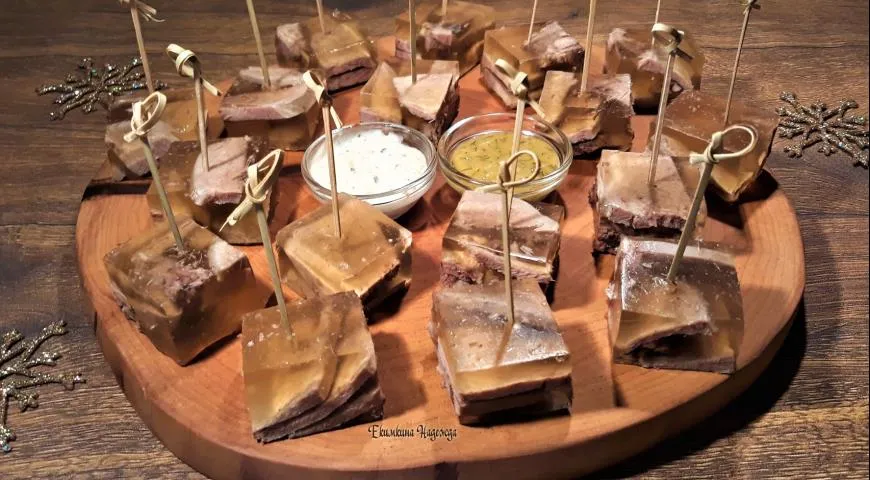
Few appetizers capture the elegance and rich tradition of Russian cuisine quite like aspic tongue canapés on skewers. This stunning dish transforms humble beef tongue into a shimmering, savory jelly, sliced into delicate morsels and served on toothpicks for effortless entertaining. Whether you're hosting a festive gathering or simply craving a sophisticated snack, these canapés offer a perfect blend of texture and flavor—silky aspic, tender meat, and a punch of horseradish or mustard. The art of making aspic may seem daunting, but with careful technique—and a few trusted kitchen tools—you can achieve crystal-clear results that rival any restaurant. Let's dive into the process.
About Aspic Tongue Canapés
Aspic, known as zalivnoye in Russian, is a classic dish where cooked meat, fish, or vegetables are set in a savory gelatin made from clarified broth. Beef tongue, prized for its rich flavor and tender texture, is a favorite protein for this preparation. The canapé form—small pieces speared on skewers—makes it an ideal finger food for parties, brunches, or holiday tables. The key lies in achieving a clear, firm aspic that complements the tongue's natural sweetness. While traditional recipes call for lengthy simmering and careful straining, modern appliances like a best glass food processor can simplify slicing, and a best non-toxic immersion blender helps emulsify stock for extra clarity. For a quicker cooking option, a best microwave pressure cooker reduces cooking time without sacrificing tenderness. Pair these canapés with a chilled best organic vodka for an authentic Russian experience.

Ingredients
- 1 beef tongue (about 1 kg)
- 1 carrot, peeled
- 1 onion, unpeeled
- 2 bay leaves
- 5 black peppercorns
- Salt to taste
- 30 g gelatin (preferably sheet gelatin, but powder works)
- Water for boiling
- For serving: mustard, horseradish, and wooden skewers
Using a best oil sprayer to lightly grease the mold ensures the aspic releases cleanly. The quality of gelatin matters—opt for high-grade gelatin for a firmer set.
Step-by-Step Guide
Step 1: Initial Boil and Rinse
Place the tongue in a large pot of boiling water. Boil for 15 minutes, then remove the tongue and rinse thoroughly under cold running water. Discard the first cooking water to remove impurities. Return the tongue to the pot and cover with fresh water.
Step 2: Long Simmer with Vegetables
Bring the pot to a boil, then reduce heat to low. Simmer uncovered for 1 hour 30 minutes, or until a knife inserted meets no resistance. Add the carrot, onion (skin on for color), bay leaves, peppercorns, and salt. Continue simmering for another 30 minutes. The broth should deepen in flavor.
Step 3: Peel and Slice
Remove the tongue from the broth and immediately plunge it into cold water. Let it sit for a few minutes until cool enough to handle. Using a knife, peel off the thick outer skin—it should slip off easily. Slice the tongue thinly, about 3 mm thick. A best food processor for nut butter can also be used for uniform slices.
Step 4: Prepare Aspic and Assemble
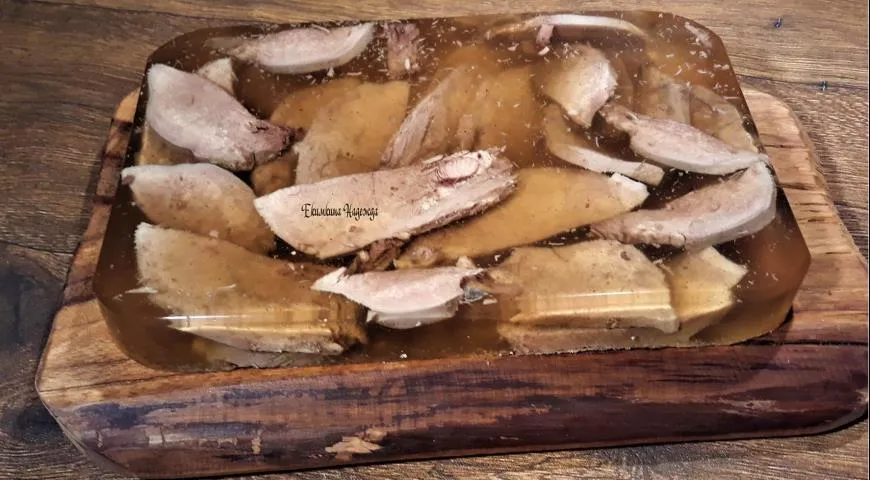
Strain the cooking broth through a fine-mesh sieve or cheesecloth. Reserve about 200 ml of broth. In a small bowl, dissolve 30 g gelatin in a portion of the broth (if using powder, sprinkle over cold broth and let bloom). Warm the mixture gently, then stir into the remaining broth. Pour a thin layer of aspic into a rectangular or square mold. Arrange a layer of tongue slices, then cover with more aspic. Repeat layering until all meat is used, ensuring the top layer is covered. Refrigerate for at least 4 hours, until fully set.
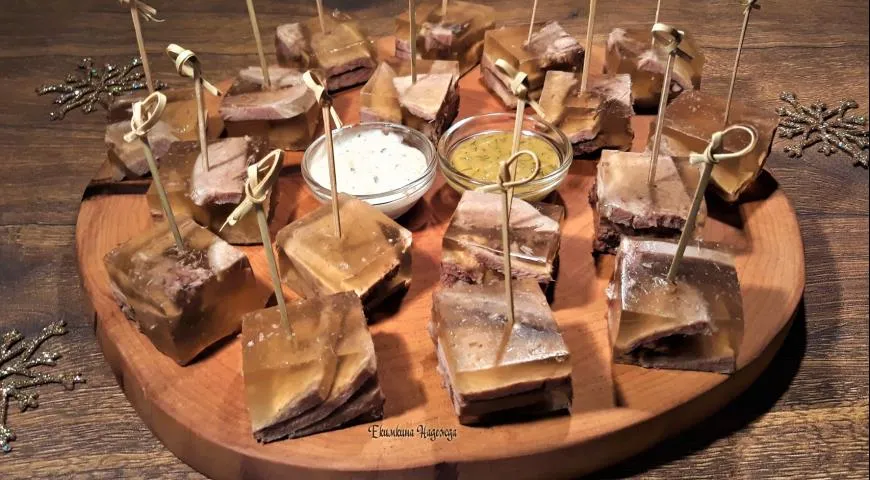
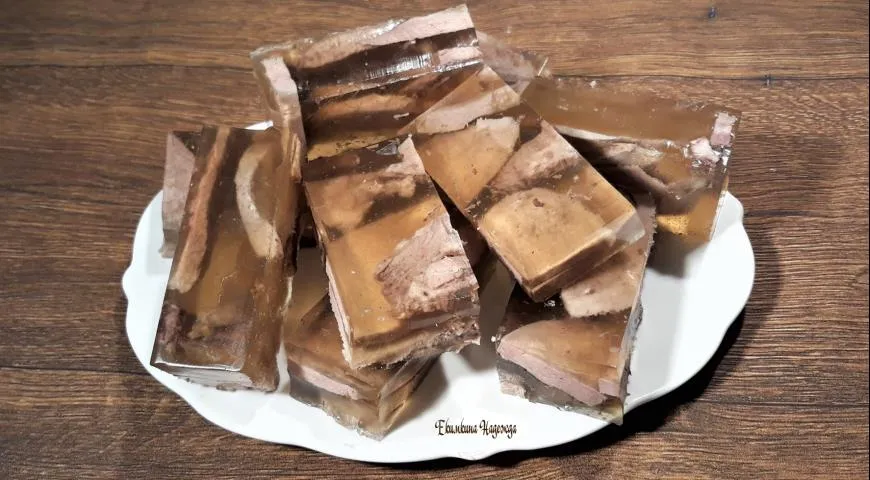
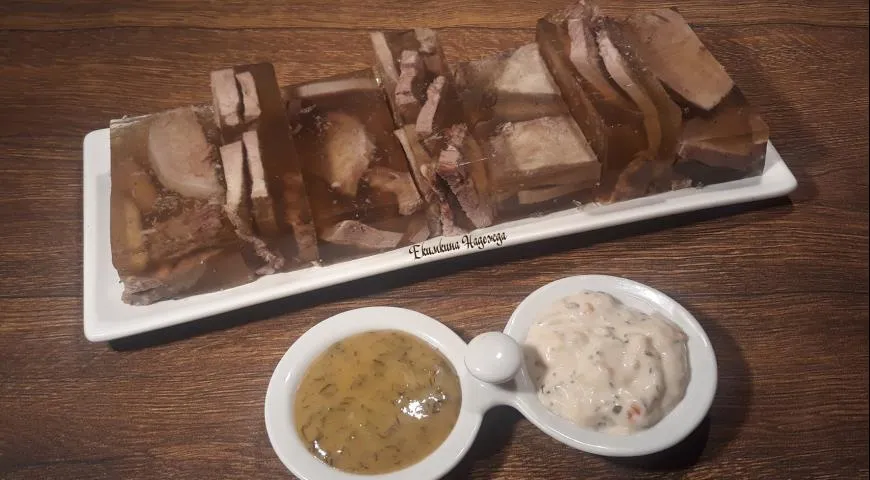
Once set, unmold the aspic. Cut into small cubes or rectangles, then spear each piece with a skewer. Arrange on a platter and serve with mustard or horseradish. For extra finesse, garnish with fresh dill or pickled mushrooms. A fine best undercounter ice maker machine provides ice to chill the serving plate.
Tips for Perfect Aspic
- Clarity: Strain the broth multiple times, or use egg whites to clarify. An best non-toxic immersion blender can blend the broth before straining for a smooth texture.
- Gelatin Ratio: For a firm aspic, use 30 g gelatin per 500 ml broth. Adjust if your broth is low in natural collagen.
- Skin Removal: The cold-water plunge after boiling is crucial for easy peeling. Work quickly.
- Storage: Keep leftover canapés chilled; cover with plastic wrap to prevent drying. Use a best steam canner if you plan to preserve larger quantities.
- Knives: A sharp knife yields clean slices. For precise cuts, a best planetary mixer isn't needed here, but invest in a good chef's knife.
Variations
This aspic base is infinitely adaptable. Swap the tongue for poached chicken breast or ham for a lighter version. Add a layer of cooked vegetables—sliced carrots, peas, or hard-boiled eggs—between the meat layers. For a spicy kick, stir in a teaspoon of prepared horseradish into the aspic before setting. If you prefer a vegetarian twist, use vegetable broth and omit the meat, setting the aspic around roasted mushrooms and artichoke hearts. A best air fryer non-toxic can quickly roast vegetables for such variations. For an hors d'oeuvre spread, serve alongside best chocolate covered raisins for a sweet-savory contrast. To round out the meal, a best espresso machine under 2000 offers perfect coffee pairing.
FAQ
Can I use pork tongue instead of beef?
Yes, pork tongue works well and cooks faster—about 45 minutes. The flavor is milder, so adjust seasoning accordingly.
Why is my aspic cloudy?
Cloudiness usually comes from over-boiling or not skimming impurities. Simmer gently, and strain through a very fine sieve. An best immersion blender can help if you blend the broth before final straining.
How long does the aspic take to set?
Approximately 4–6 hours in the refrigerator. For faster setting, use a shallow mold and chill in the coldest part of the fridge. Avoid the freezer, as ice crystals will ruin the texture.
Can I make these canapés ahead of time?
Absolutely. The aspic can be made a day in advance and kept covered. Cut into pieces and skewer just before serving to maintain presentation.
What do I serve with aspic tongue canapés?
Classic accompaniments include strong mustard, horseradish sauce, pickles, and rye bread. For a complete appetizer spread, consider a best store bought au jus for prime rib for dipping, or offer a selection of cheeses.
Is it possible to use agar-agar instead of gelatin?
Yes, but agar sets more firmly and at room temperature. Use about 2 teaspoons agar per 500 ml broth. It may result in a slightly different mouthfeel.
How do I remove the aspic from the mold without breaking it?
Dip the mold briefly in hot water (just a few seconds) and invert onto a plate. Lightly oiling the mold beforehand, perhaps with an best oil sprayer, ensures easy release.







