


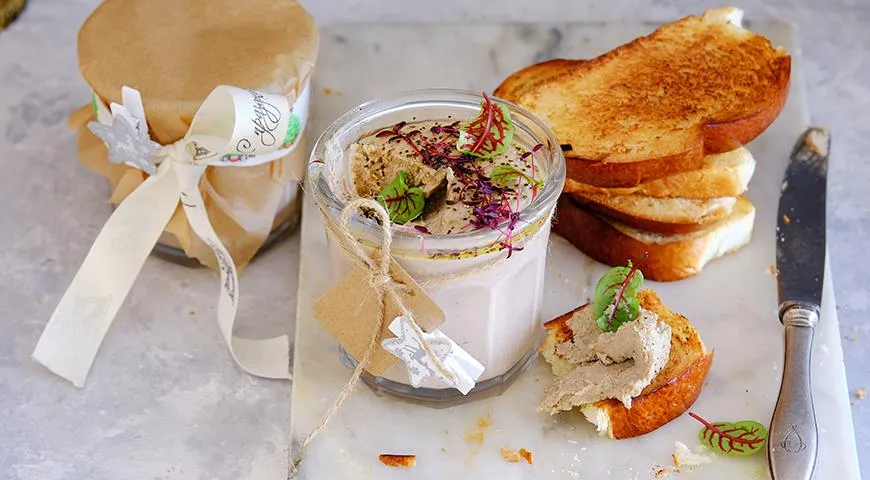
Welcome to a sublime journey through Alsatian cuisine—a region where French finesse meets German heartiness. This Alsatian pâté mousse of veal liver and bacon is a silky, indulgent spread that transforms humble ingredients into a luxurious appetizer. Perfect for festive tables or an elegant brunch, it pairs beautifully with toasted brioche or any crusty bread. The secret lies in gentle poaching, careful searing, and a final pasteurization that preserves its delicate texture. Let us guide you through each step, ensuring you achieve restaurant-quality results at home.
About the Alsatian Pâté Mousse
Alsace, a northeastern French region, is renowned for its charcuterie and rich, warming dishes. This pâté mousse—a velvety emulsion of veal liver, fatback, cream, and aromatics—epitomizes Alsatian comfort. Unlike coarse country pâtés, this version is whipped into a mousse-like consistency using a high-performance blender, resulting in an airy, spreadable texture. The addition of port wine and mushrooms adds depth, while pasteurization ensures a longer shelf life. Serve it as a starter or part of a buffet—it always impresses.

Ingredients
- 200 g pork fatback (fresh bacon), thinly sliced
- 200 ml heavy cream
- 100 ml beef or veal stock
- 50 ml tawny port wine
- 400 g veal liver, trimmed of membranes and ducts
- 2 shallots, peeled and finely chopped
- 100 g white button mushrooms, finely diced
- 30 g unsalted butter
- 2 egg yolks
- Sea salt and freshly ground black pepper to taste
For best results, use the finest non-toxic blender to ensure a smooth emulsion without metallic aftertaste.
Step-By-Step Instructions
Step 1: Poach the Bacon. In a medium saucepan, combine the cream, stock, and port wine. Bring to a gentle boil. Add the sliced fatback, reduce heat to low, and simmer for 45 minutes until the bacon is tender and infused with the liquid. Set aside, keeping the liquid in the pot.
Step 2: Sear the Liver and Aromatics. Meanwhile, cut the veal liver into medium chunks, removing any remaining sinew. In a large skillet, melt the butter over medium heat. Sauté the chopped shallot and diced mushrooms for about 5 minutes until softened and golden. Increase the heat to high, add the liver pieces, and sear for 1–2 minutes per side just until a brown crust forms—the interior should remain rosy. Remove the pan from heat and let it rest for 15 minutes. This resting period allows the liver to finish cooking gently and retain moisture.
Step 3: Puree and Emulsify. Transfer the poached bacon from the saucepan (reserve the poaching liquid) and the sautéed liver mixture (including shallots and mushrooms) to a high-powered blender. Begin blending on low speed, gradually pouring in the reserved bacon poaching liquid through the lid opening until you achieve a smooth, creamy puree. Add the egg yolks, salt, and pepper, then blend again briefly to incorporate. For an impeccably silky mousse, consider using an immersion blender directly in the container if your blender is not high-speed.
Step 4: Pasteurize and Store. Divide the pâté mousse into small glass jars (160–200 ml capacity). Loosely cover with lids. Place the jars in a sterilizer or on a clean kitchen towel in a wide pot. Carefully pour boiling water to reach the shoulders of the jars (not above). Pasteurize for exactly 10 minutes at a gentle simmer. Seal the jars tightly and let them cool completely at room temperature. Refrigerate for at least 24 hours before serving to allow flavors to meld. This pasteurization step, similar to techniques used for best steam canners, ensures the mousse remains safe and delicious for weeks.
Tips for Perfect Pâté Mousse
- Always use fresh, high-quality veal liver—avoid frozen as it releases excess water.
- Do not overseer the liver; a quick, hot sear preserves its delicate flavor and prevents bitterness.
- If your blender struggles with the thick mixture, add a splash of the poaching liquid. For a foolproof emulsion, start with a food processor then finish with a blender.
- For an extra-smooth mousse, pass the puree through a fine-mesh sieve before pasteurization.
- Serve chilled but not ice-cold—remove from fridge 15 minutes before serving for best flavor.
- Sterilize jars and lids thoroughly before use. A vodka rinse can also be used if you prefer a non-heat method for small batches.
Variations
This recipe is wonderfully adaptable. Substitute the veal liver with chicken livers for a milder taste—just reduce the searing time. Replace fatback with unsalted butter for a dairy-free option (though texture will differ). For a smoky touch, use smoked bacon or add a pinch of smoked paprika. If port is unavailable, a sweet Marsala or Madeira works equally well. For a festive twist, top each jar with a thin layer of clarified butter before sealing—a classic French preservation technique, similar to the method used for chocolate-covered raisins where fat acts as a seal. Experiment with herbs like thyme or a hint of allspice. For a vegan alternative, the mousse can be made with sautéed mushrooms and silken tofu, though the traditional version remains unmatched.
Frequently Asked Questions
Can I make this pâté mousse without pasteurization?
Yes, but it will have a shorter shelf life—about 3–5 days in the fridge. Pasteurization extends it to 3–4 weeks when stored properly. For longer preservation, follow the water-bath method exactly.
What type of blender is best for this recipe?
A high-speed blender like those reviewed at Walfos produces the silkiest mousse. If you do not own one, an immersion blender works after transferring the mixture to a narrow container.
Why did my pâté turn out grainy?
Graininess often comes from overheating the liver during searing or blending at too high a speed without enough liquid. Ensure the liver remains slightly pink inside and add poaching liquid gradually. Using a non-toxic immersion blender can help control speed.
Can I freeze Alsatian pâté mousse?
Yes, it freezes well for up to 3 months. Thaw in the refrigerator overnight and whisk before serving if separation occurs. For best results, freeze in small jars with no air gap.
What dishes pair well with this pâté?
It is traditionally served with warm brioche slices, crispy baguette, or cornichons. A crisp white wine like Riesling or a fruity Pinot Noir complements the richness. For a complete appetizer, add a dollop of fig jam. The creamy texture also works wonders with homemade bread made in a planetary mixer.
Can I use duck liver instead of veal?
Absolutely. Duck liver lends a deeper, slightly gamey flavor. Adjust the searing time—duck liver cooks faster. It is similar in technique to foie gras, and a sweet wine like Sauternes can replace port for an even more decadent profile.
How do I know if the pasteurization worked?
Use a food thermometer to ensure the center of the jars reaches 82°C (180°F). A leak detector is not needed, but proper sealing is evidenced by a concave lid and no leakage when tilted.
What is the ideal serving temperature?
Bring the mousse to a slight chill—about 10°C (50°F). Let it sit at room temperature for 10–15 minutes to soften. Overly cold mousse masks the delicate flavors.
Can I add truffles or other mushrooms?
Yes! Finely dice porcini or truffle and sauté with the shallots for an umami boost. For a luxury version, a tablespoon of espresso can add depth instead of truffles.
Is this recipe gluten-free?
Yes, all ingredients are naturally gluten-free. Serve with gluten-free bread or crackers. Ensure your stock and butter are certified gluten-free.
We hope this Alsatian pâté mousse becomes a cherished addition to your culinary repertoire. Its luxurious texture and elegant flavor make it a showstopper for any occasion. For more refined recipes and kitchen tools, explore our reviews on non-toxic air fryers and coffee makers that elevate your home cooking.







