


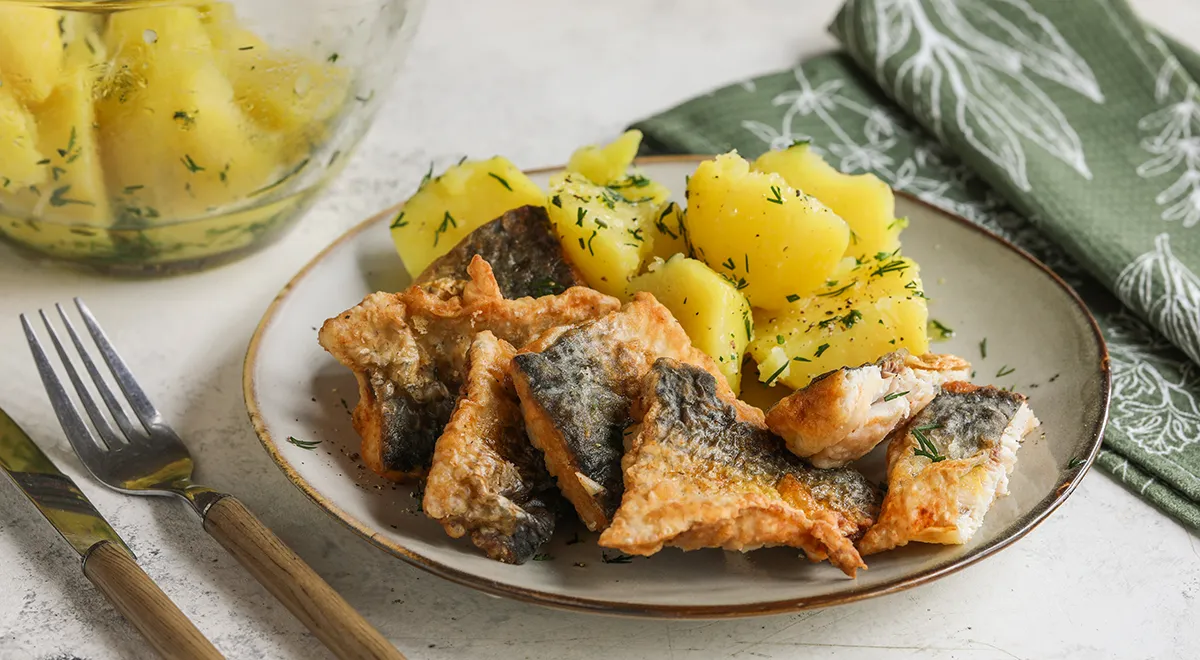
Pelengas, a firm white fish native to the Black Sea and Azov basins, is a hidden gem of Eastern European cuisine. When fried to a golden crisp, its delicate, slightly sweet flesh becomes irresistibly succulent. This recipe transforms a whole pelengas into a symphony of textures: a shatteringly crunchy crust encasing tender, flaky meat. Perfect for a rustic family dinner or an elegant seafood platter, this dish celebrates simplicity and quality ingredients. Follow our detailed steps to master the art of frying pelengas, and discover why this humble fish deserves a place on your table.
About Pelengas
Pelengas (also known as flathead grey mullet or haarder) is a versatile fish prized for its mild flavor and low bone count. Its large, easily removed scales and firm flesh make it ideal for pan-frying. While often used in soups and stews, frying highlights its natural sweetness. For a healthier twist, consider using an air fryer to achieve a similar crunch with less oil. However, traditional pan-frying, as outlined here, yields an unparalleled crust.

Ingredients
- 1 whole pelengas (about 1.5 kg)
- 1 cup (about 130 g) all-purpose wheat flour
- ½ lemon
- Dried paprika (to taste)
- White pepper (to taste)
- Salt (to taste)
- 100 ml refined vegetable oil (such as sunflower or canola)
Select a fresh pelengas with clear eyes and bright red gills. If unavailable, substitute with other firm-fleshed white fish like cod or haddock, though cooking times may vary.
Step-by-Step Instructions
Step 1: Clean and Gut the Fish
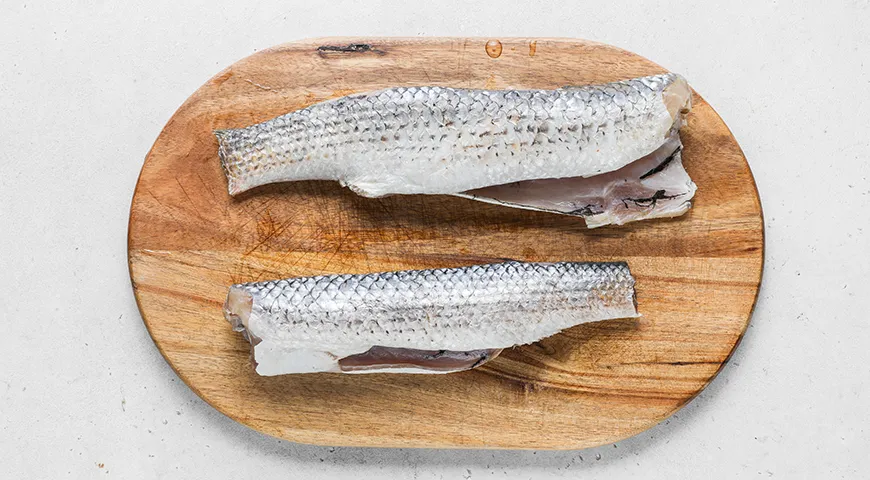
Scale the pelengas thoroughly (the scales are large and come off easily). Gut the fish, removing all membranes from the belly cavity, and rinse well under cold water. Cut off the head, carefully removing the gills, and the tail. Reserve the head, tail, and trimmings for a flavorful fish stock.
Step 2: Remove Fins and Trim
Use kitchen shears to snip off all fins. The bottom fins can be removed along with a portion of the belly flap. Save all scraps in the freezer for a delicious fish soup later.
Step 3: Cut into Portions
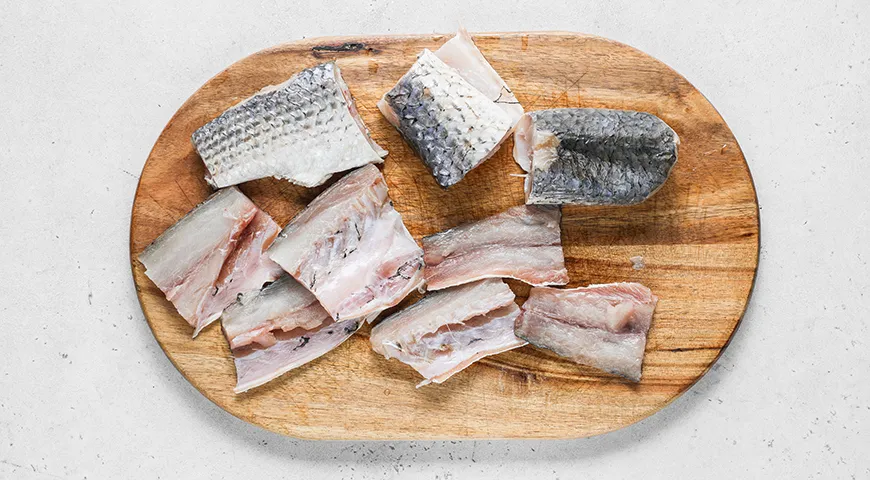
Slice the prepared fish crosswise into thick steaks, then cut each steak in half along the backbone. You may leave the bones in or remove them for boneless fillets—your choice. For easier handling, a good chef's knife makes clean cuts.
Step 4: Season the Fish
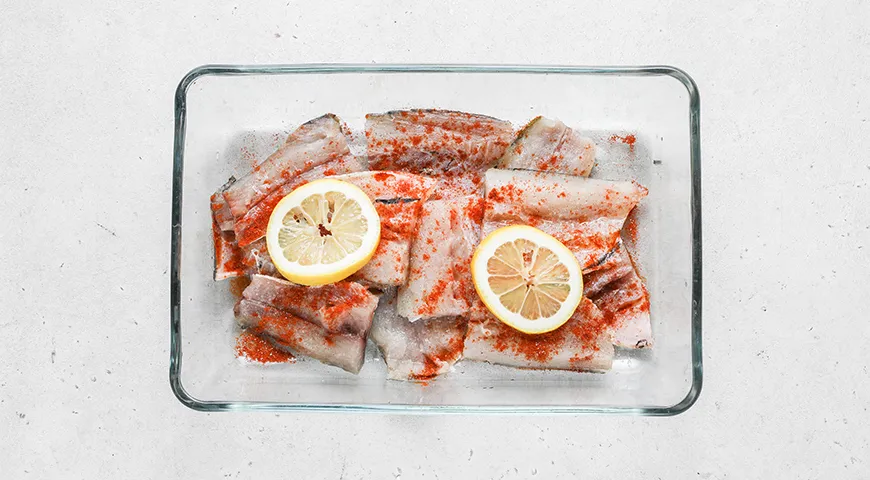
Season the pieces with salt, white pepper, and paprika to taste. Squeeze fresh lemon juice over them. Be careful not to overpower the delicate flavor of the fish.
Step 5: Dredge in Flour
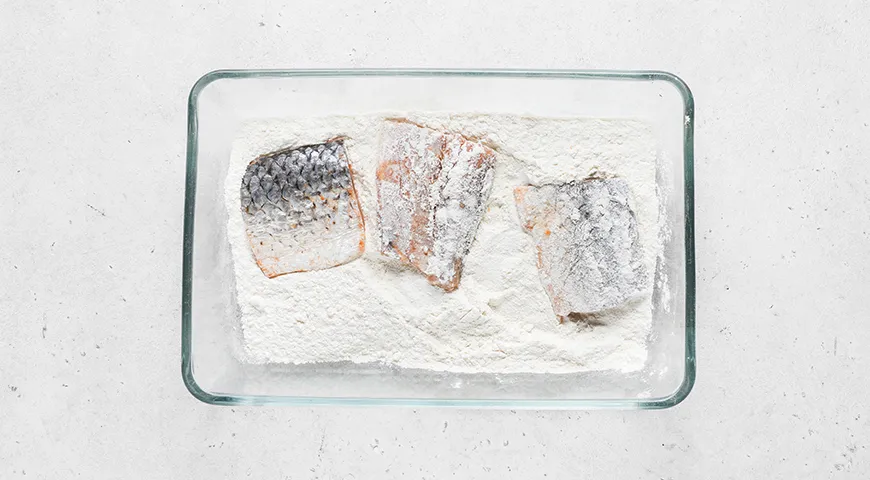
Heat the vegetable oil in a large skillet over medium-high heat. Pour the flour into a shallow dish and coat each fish piece thoroughly, shaking off excess. A fine-mesh oil sprayer can help distribute oil evenly if needed.
Step 6: Fry Until Golden
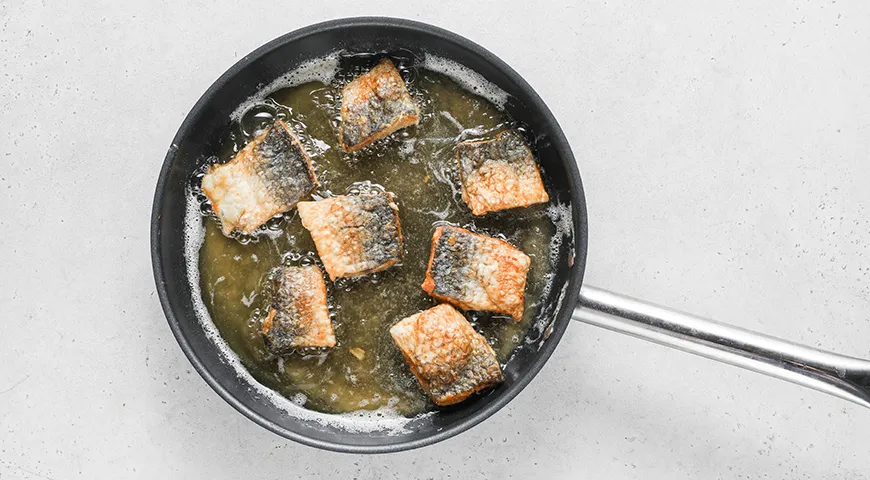
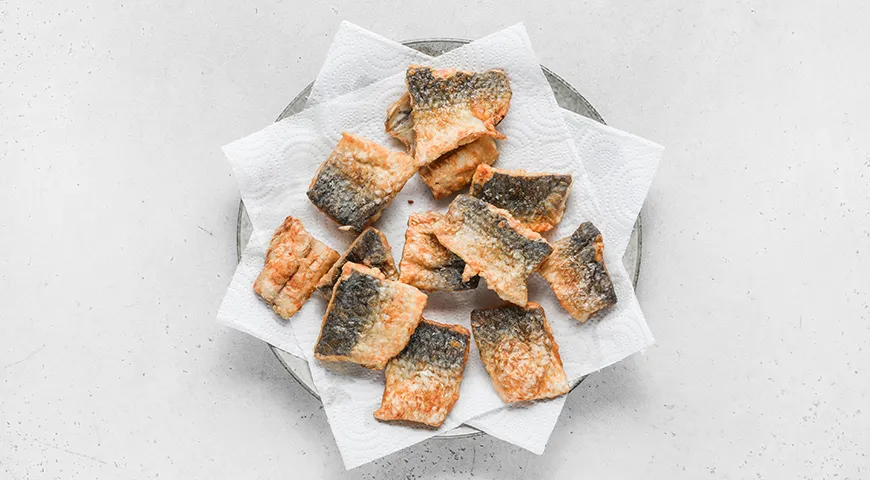
Place the floured fish pieces into the hot oil—it should sizzle vigorously. Fry over medium heat for about 5 minutes per side, until deep golden brown and crispy. Transfer to a plate lined with paper towels to drain excess oil and keep the skin crunchy. Serve immediately.
Tips for Perfect Fried Pelengas
- Ensure the oil is hot before adding fish to prevent sticking. Test with a pinch of flour—it should sizzle immediately.
- Do not overcrowd the pan; fry in batches if necessary. Overcrowding lowers oil temperature and yields soggy fish.
- For extra crunch, double-dredge: dip in egg wash then flour, or use a mix of flour and cornstarch.
- Use a thermometer if available: oil should be around 180°C (350°F) for optimal frying.
- Use refined oil with a high smoke point to avoid burnt flavors.
Variations
Experiment with seasonings: add smoked paprika, garlic powder, or a pinch of cayenne for heat. For a lighter version, use an air fryer at 200°C for 10–12 minutes, flipping halfway. Serve with a squeeze of lemon, tartar sauce, or a simple green salad. The fish also pairs wonderfully with crusty bread to soak up any pan juices.
FAQ
Can I use frozen pelengas?
Yes, but thaw completely in the refrigerator overnight and pat dry with paper towels before cooking to ensure a crispy crust.
What can I substitute for pelengas?
Any firm white fish like sea bass, red snapper, or mild white fish works well. Adjust cooking time based on thickness.
How do I prevent the fish from sticking to the pan?
Use a well-seasoned cast iron or non-stick skillet and ensure the oil is hot before adding the fish. A light dusting of flour also helps. Consider a quality pan for best results.
Can I make this gluten-free?
Absolutely. Substitute wheat flour with rice flour, almond flour, or a gluten-free all-purpose blend. The texture may be slightly different but still delicious.
How long does fried pelengas keep?
Best eaten immediately. Leftovers can be stored in an airtight container in the refrigerator for up to 2 days, but will lose crispiness. Reheat in an oven or air fryer to restore crunch.
What sides go well with fried pelengas?
Try roasted potatoes, steamed greens, or a tangy coleslaw. For a touch of elegance, pair with a crisp white wine like Sauvignon Blanc.
Can I use this recipe for other fish?
Yes, the technique is universal. For delicate fish like flounder, reduce cooking time. For thicker fillets like salmon, increase time slightly.
Why is my fish not crispy?
Common issues: oil not hot enough, overcrowding the pan, or moisture on the fish. Pat the fish dry thoroughly before dredging, and fry in batches.
Fried pelengas is a testament to the beauty of simple cooking. With minimal ingredients and careful technique, you can elevate this humble fish into a memorable dish. Whether you serve it as a main course or a tapas-style appetizer, its golden crust and tender flesh will win over any seafood lover. For more culinary inspiration, explore our collection of kitchen tools and cooking tips. Enjoy your crispy, golden pelengas!







