


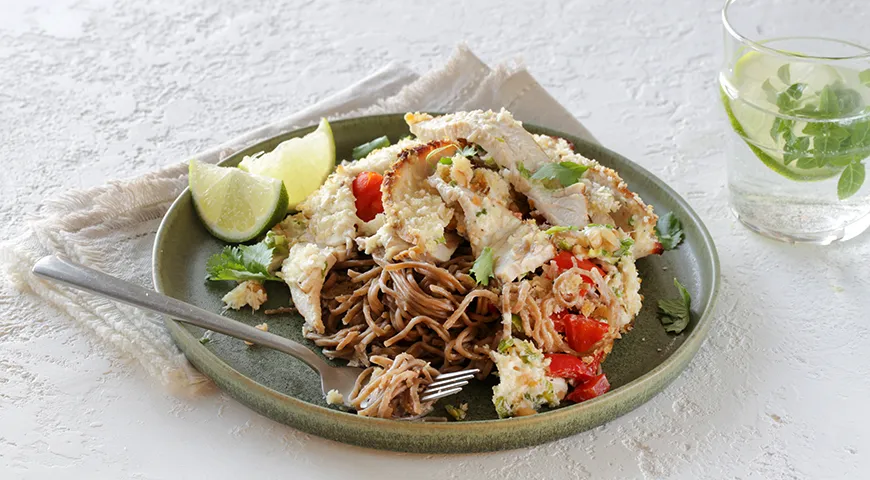
Soba, the Japanese buckwheat noodle, is a nutritional powerhouse that deserves a permanent spot in your weekly rotation. While pasta made from refined flour offers little more than empty calories, soba delivers 15 grams of protein per 100 grams—more than whole-wheat spaghetti—and a generous 71 grams of complex carbohydrates that provide sustained energy without the dreaded sugar crash. This baked soba with turkey and vegetables transforms a humble weeknight dinner into a satisfying, fiber-rich feast that will keep you full for hours. Dietitians recommend choosing noodles with high fiber content, and soba topped with lean turkey, crunchy peanuts, and a creamy sesame-soy sauce checks every box for a balanced meal. Whether you are meal-prepping for busy days or craving comfort food with a healthful twist, this recipe is destined to become a staple.

About This Recipe
Inspired by Japanese cuisine and adapted for the oven, this baked soba casserole brings together the earthy nuttiness of buckwheat noodles with tender turkey strips, sweet bell peppers, and a rich coconut-free cream sauce infused with ginger and garlic. The dish gets its signature crunch from roasted peanuts and a golden breadcrumb crust—no fried toppings needed. It is naturally gluten-free (if you use certified gluten-free soba) and can be made dairy-free by swapping the cream for a plant-based alternative. The result? A one-dish wonder that is as easy to assemble as it is impressive on the table. For more ideas on incorporating soba into your diet, explore our air fryer recipes that work wonders with noodles.
Ingredients
- 300 ml heavy cream (or coconut cream for dairy-free)
- 2 medium bell peppers (any color), diced
- 150 g roasted peanuts, roughly chopped
- 50 ml soy sauce (tamari for gluten-free)
- 2 cm fresh ginger root, peeled and grated
- 3 garlic cloves, finely chopped
- 1.5 tablespoons sesame oil
- 1 bunch green onions, sliced
- 1 bunch fresh cilantro, chopped
- Lime wedges for serving
- Salt and freshly ground black pepper to taste
- breadcrumbs (about 3 tablespoons) for topping
For best results, use high-quality soy sauce and freshly grated ginger. If you do not have a non-toxic immersion blender for other sauces, a simple whisk works here.
Step-by-Step Instructions
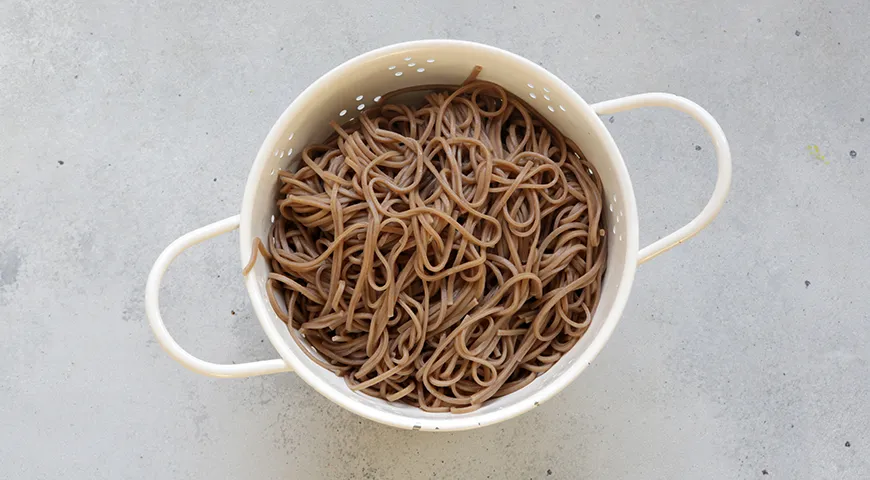
- Preheat and cook the soba. Set your oven to 200°C (400°F). Bring a large pot of water to a boil and cook the soba noodles according to package directions—typically 4–5 minutes. Drain well and set aside. While the noodles cook, prepare the aromatics.
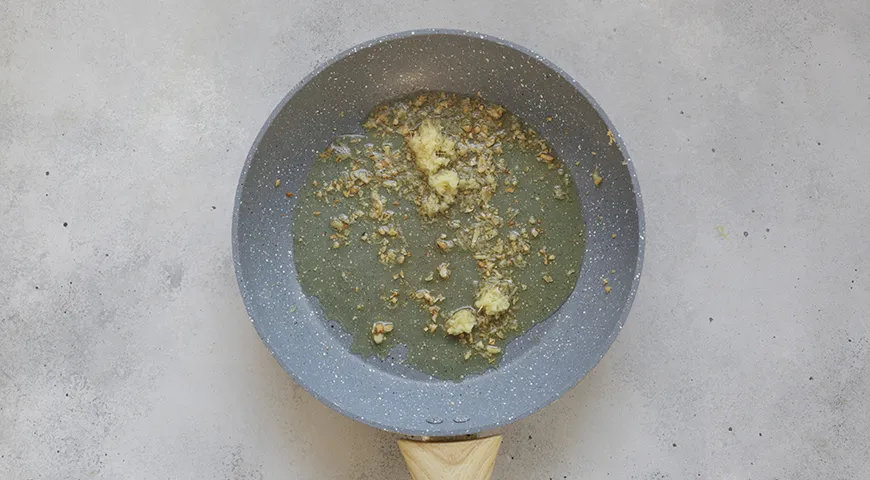
- Sauté ginger and garlic. Finely chop the garlic cloves and grate the ginger. In a large skillet, heat the sesame oil over medium heat. Add the ginger and garlic, stirring constantly, until fragrant—about 2 minutes. Do not let them brown.
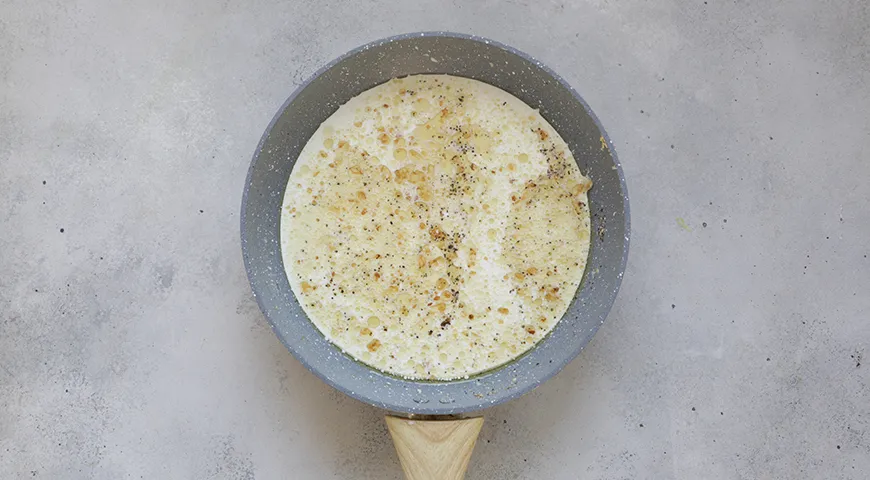
- Make the creamy sauce. Pour in the heavy cream and soy sauce, then bring the mixture to a gentle boil. Reduce heat and simmer for 1–2 minutes, seasoning with salt and pepper to taste. Remove from heat.
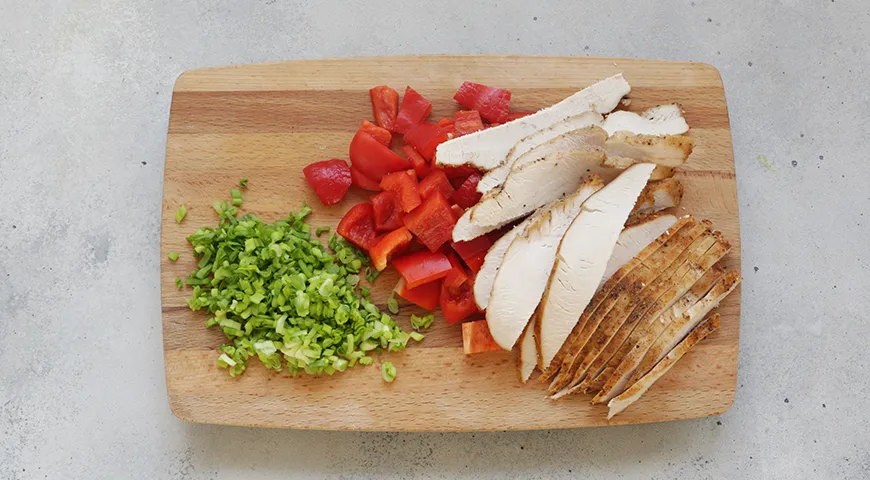
- Prepare the vegetables and turkey. Slice the green onions thinly. Dice the bell peppers into small, even cubes. Cut the turkey breast into thin strips—aim for bite-sized pieces that will cook quickly.
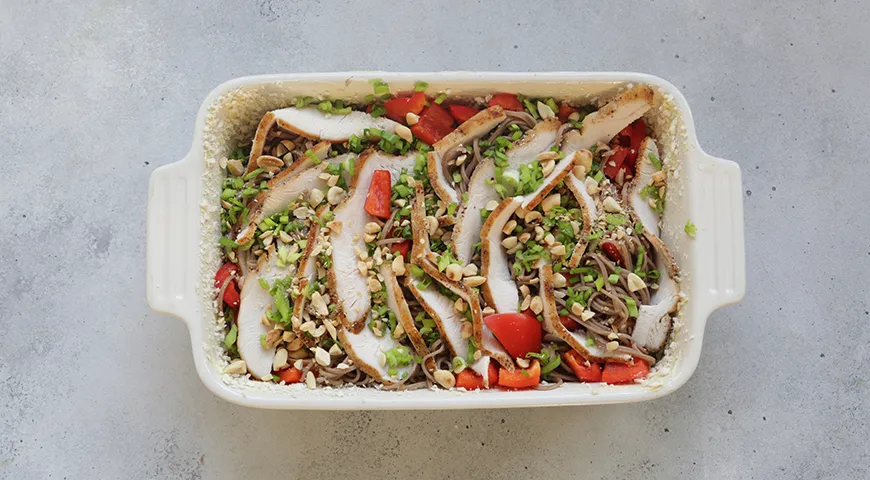
- Assemble the casserole. Sprinkle half of the breadcrumbs over the bottom of a baking dish (roughly 20x30 cm). Layer the cooked soba noodles, turkey strips, diced bell peppers, chopped peanuts, and sliced green onions. Pour the cream sauce evenly over the top. Finish with the remaining breadcrumbs.
- Bake until golden. Place the dish in the preheated oven and bake for 15 minutes, or until the top is golden brown and the sauce is bubbling. Remove and let rest for 5 minutes.
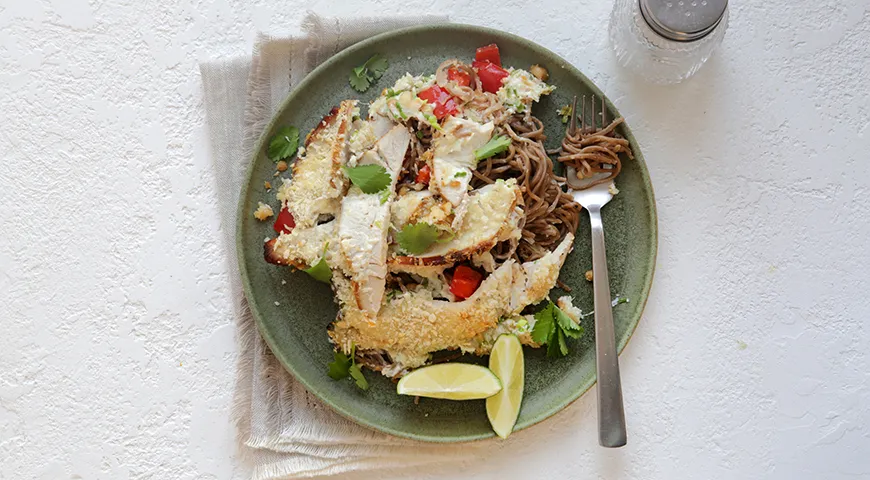
- Finish and serve. Chop the cilantro leaves and sprinkle over the hot casserole. Serve with fresh lime wedges on the side. The bright citrus cuts through the richness perfectly.
Tips for Perfect Baked Soba
- Do not overcook the noodles. Soba turns mushy quickly. Cook al dente and rinse under cold water to stop the cooking process. For more pasta tips, see our guide on planetary mixer attachments that help with dough.
- Toasting the peanuts before chopping adds deeper flavor—just toss them in a dry pan for 2 minutes.
- Use a good quality soy sauce. We recommend organic soy sauce for a cleaner taste.
- Make it a one-dish meal: Add shredded carrots or thinly sliced mushrooms to the mix.
Variations
This recipe is endlessly adaptable. Swap turkey for shredded chicken, tofu, or even shrimp. For a vegan version, replace the cream with full-fat coconut milk and use tamari instead of soy sauce. The breadcrumbs can be omitted for a low-carb option—just bake uncovered. If you own a commercial convection oven, reduce the baking temperature to 190°C and check at 12 minutes. For a spicy kick, add a teaspoon of sriracha or red pepper flakes to the sauce. You can also experiment with different nuts: cashews or almonds work beautifully. Need more inspiration? Browse our catalan sponge cake recipes for a sweet contrast.
Frequently Asked Questions
What is soba made of?
Soba is a Japanese noodle traditionally made from buckwheat flour, which gives it a nutty flavor and high protein content. Some brands mix in wheat flour, so check the label if you need gluten-free.
Can I prepare this dish ahead of time?
Absolutely. Assemble the casserole without baking, cover and refrigerate for up to 24 hours. When ready, add 10 minutes to the baking time. It also freezes well—just thaw overnight in the fridge before baking.
Why did my soba become sticky?
Overcooking or rinsing with hot water can cause stickiness. Always rinse cooked soba under cold water and toss with a little sesame oil to prevent clumping. A food processor for nut butter might be overkill, but a simple colander works fine.
Is this dish suitable for a low-carb diet?
While soba is lower in carbs than regular pasta (about 30g net carbs per serving), it is not keto-friendly. For a lower-carb alternative, try using shirataki noodles or spiralized zucchini and adjust baking time accordingly.
Can I use a different oil instead of sesame oil?
Sesame oil adds distinct aroma. If unavailable, use avocado oil and add a teaspoon of toasted sesame seeds for flavor. For more oil options, see our best oil sprayer reviews.
How do I store leftovers?
Store in an airtight container in the fridge for up to 3 days. Reheat in a 180°C oven or microwave. The breadcrumb topping may soften, but the flavor remains delicious.
For more healthful noodle recipes and kitchen tools, check out our castor oil guide and ice maker recommendations.







