


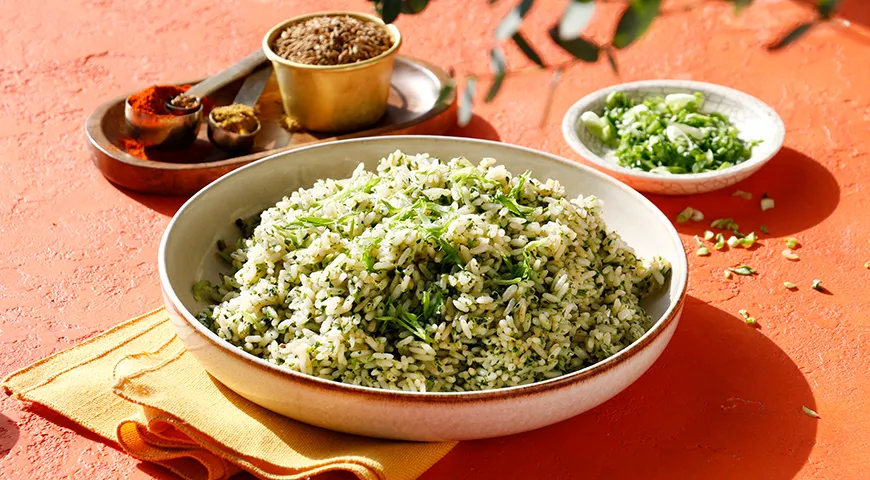
Across the Indian subcontinent, rice is not merely a side dish—it is a canvas. In this superhealthy rendition, fluffy longgrain rice meets a vibrant purée of cilantro, green onions, and butter, resulting in a dish that can easily stand alone as a satisfying dinner. The technique is simple yet refined: toast the grains, steam them to perfection, then fold in a fresh herb paste that infuses every kernel with brightness. Whether you use classic cilantro or swap in parsley, this aromatic green rice celebrates the power of green.
About This Recipe
Green rice appears in various forms across Latin American and Southeast Asian cuisines, but this version draws inspiration from Indian home kitchens, where rice is often elevated with minimal, wholesome ingredients. The key lies in the two‑step cooking process: first a quick sauté in butter to coat each grain, then a covered steam that yields separate, tender grains. The herb paste—made with a glass food processor or non‑toxic immersion blender—adds a burst of colour and a clean, grassy flavour that pairs beautifully with curries, grilled vegetables, or simply a squeeze of lime.

Ingredients
- 1 cup (200 g) long‑grain rice
- 1 medium bunch cilantro or parsley (40 g), including roots if available
- 1 small bunch green onions (30 g)
- 50 ml vegetable oil (sunflower, grapeseed, or a mild olive oil)
- 20 g + 20 g unsalted butter
- Salt, to taste
For the best texture, choose a high‑quality long‑grain rice such as basmati or jasmine. The green onions add a gentle bite, while the butter enriches the final dish. If you have a best oil sprayer, you can lightly oil the pan to prevent sticking, though the butter already provides enough fat.
Step‑by‑Step Instructions
Step 1: Toast the Rice
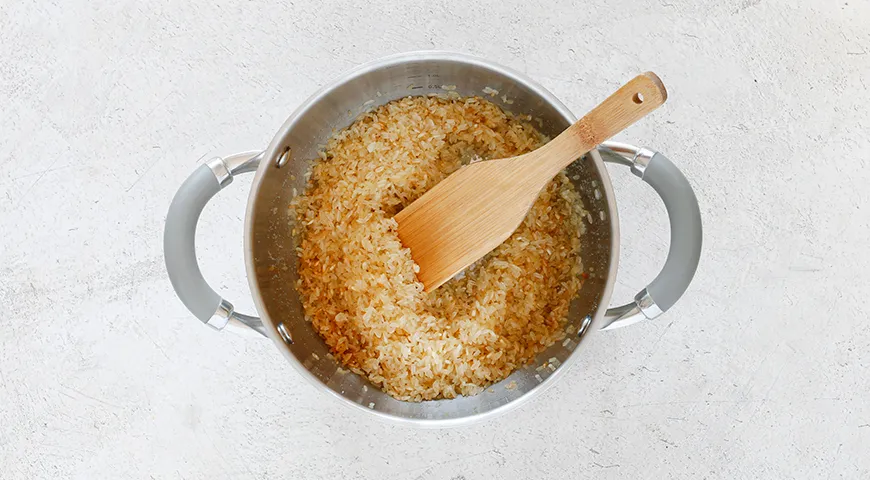
In a heavy‑bottomed pot with a tight‑fitting lid, melt 20 g of butter over medium heat. Add a pinch of salt and the rice. Stir continuously for 2 minutes, until the grains become translucent at the edges and release a nutty aroma.
Step 2: Steam the Rice
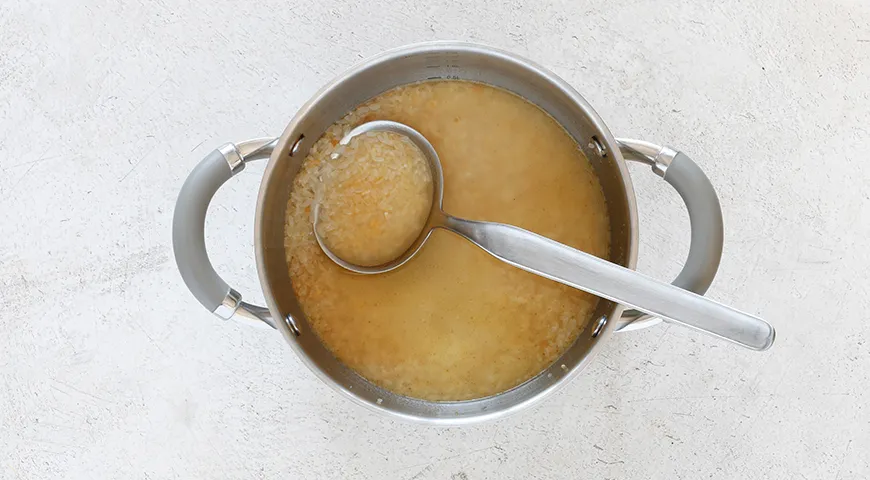
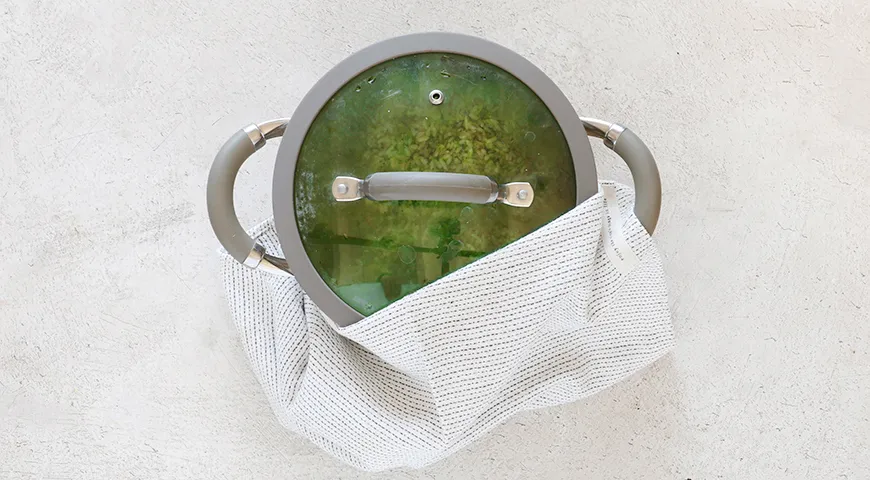
Pour in 300 ml of boiling water, stir once, and increase the heat to high. Bring to a rolling boil, then cover immediately. Reduce the heat to the lowest setting and cook without lifting the lid for 15 minutes. Turn off the heat, wrap the pot with a clean kitchen towel, and let it rest for another 10 minutes. This residual steam ensures every grain is tender and separate.
Step 3: Prepare the Herbs
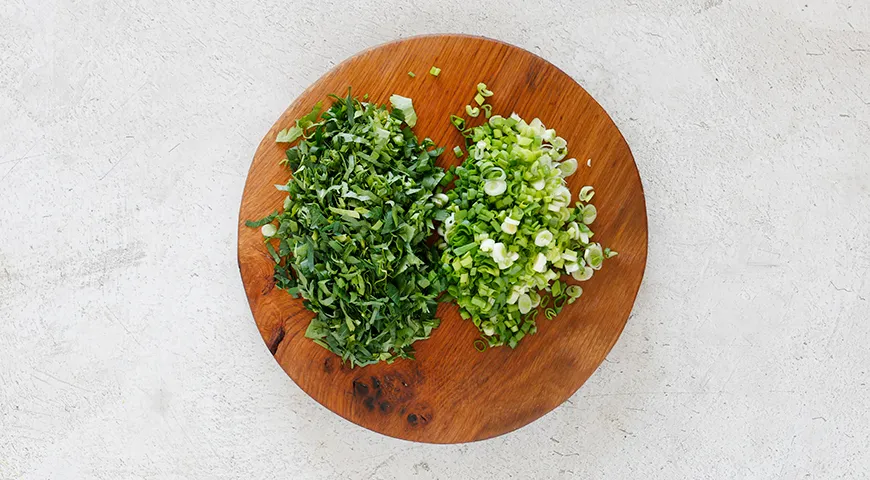
While the rice rests, finely chop the cilantro (or parsley) and green onions. If your cilantro has roots, wash them thoroughly and include them—they add an earthy depth. Slice the green onions into thin rounds, using both white and green parts.
Step 4: Blend the Herb Paste
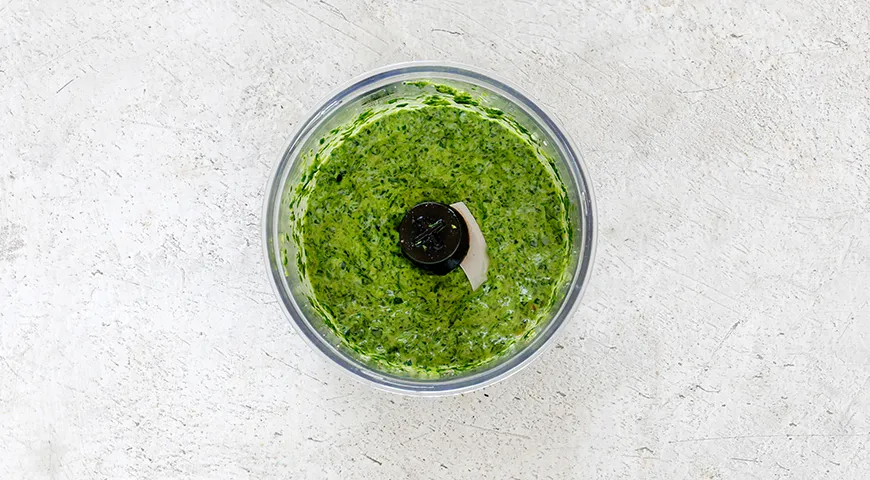
Season the chopped herbs with salt and a few grinds of black pepper. Transfer them to a blender or food processor, add the vegetable oil, and blend until a smooth, vibrant green paste forms. Scrape down the sides as needed. A best food processor for nut butter works beautifully here, but any sturdy blender will do.
Step 5: Combine with Rice
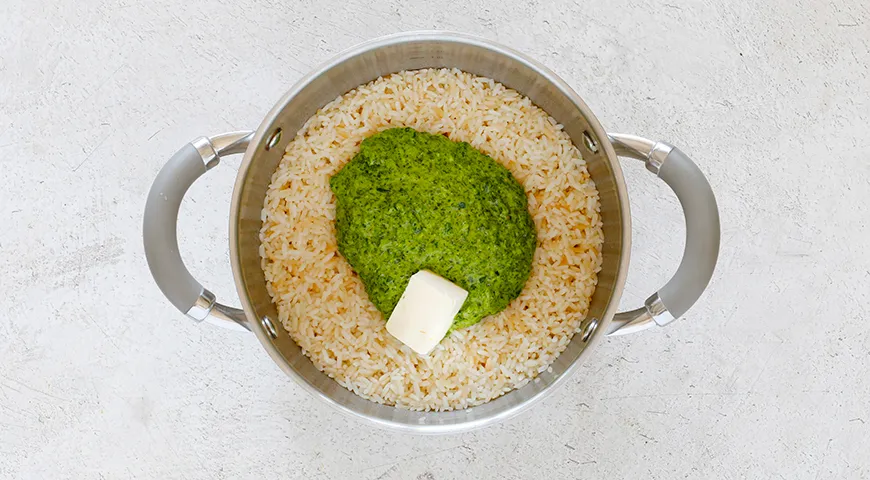
Fluff the hot rice with a fork. Add the remaining 20 g of butter and the herb paste. Gently fold everything together until the rice is evenly coated. Be careful not to overmix, which can break the grains.
Step 6: Rest and Serve
Re‑cover the pot with the towel and let the rice sit for 5 minutes. This allows the flavours to meld. Serve hot as a main course or alongside your favourite curry. Leftovers can be refrigerated for up to three days; reheat gently with a splash of water.
Tips for Perfect Green Rice
- Rice choice: Basmati gives the most distinct separate grains; jasmine yields a slightly softer, more aromatic result. Avoid short‑grain varieties as they become sticky.
- Herb swaps: Use spinach, mint, or a combination of basil and coriander. For a milder taste, replace half the cilantro with flat‑leaf parsley.
- Butter control: If you prefer a dairy‑free version, substitute the butter with an equal amount of coconut oil or a high‑quality microwave pressure cooker–friendly ghee.
- Make ahead: The herb paste can be prepared up to 2 days in advance. Store in an airtight container in the fridge.
Variations to Explore
This basic technique opens up endless possibilities. Add a handful of toasted cashews or pine nuts for crunch, or stir in a teaspoon of garam masala before serving. For a richer dish, fold in a dollop of yoghurt or a sprinkle of crumbled feta. If you own a non‑toxic air fryer, you can quickly crisp chickpeas as a topping. The recipe also adapts well to a planetary mixer fitted with a paddle attachment for gentle mixing of large batches.
Frequently Asked Questions
Can I use brown rice instead of white?
Yes, but adjust the cooking time. Brown rice requires about 35‑40 minutes of simmering and a longer resting period. The herb paste remains the same. For best results, use a microwave pressure cooker to speed up the process.
Is it necessary to use butter?
Butter adds a silky richness, but you can replace it with a neutral oil for a vegan version. The herb paste already contains oil, so the dish remains moist.
What if I don't have a blender?
Finely mince the herbs by hand with a sharp knife and whisk them into the oil. A wheatgrass juicer can also extract a concentrated green liquid, though the texture will be different.
How do I store leftovers?
Place cooled rice in an airtight container and refrigerate for up to 3 days. Reheat in a skillet with a splash of water, or use a commercial countertop convection oven set to 160°C for even warming.
Can I freeze the herb paste?
Yes. Spoon the paste into an ice cube tray and freeze. Once solid, transfer the cubes to a freezer bag. Use within 3 months. Thaw at room temperature before mixing into hot rice.
For more rice inspiration, explore our guide to best steam canners for preserving fresh herbs, or try a Catalan sponge cake for a sweet contrast. This green rice is a celebration of simplicity—proof that a handful of herbs and a pot of perfectly cooked grains can become a memorable meal.







