


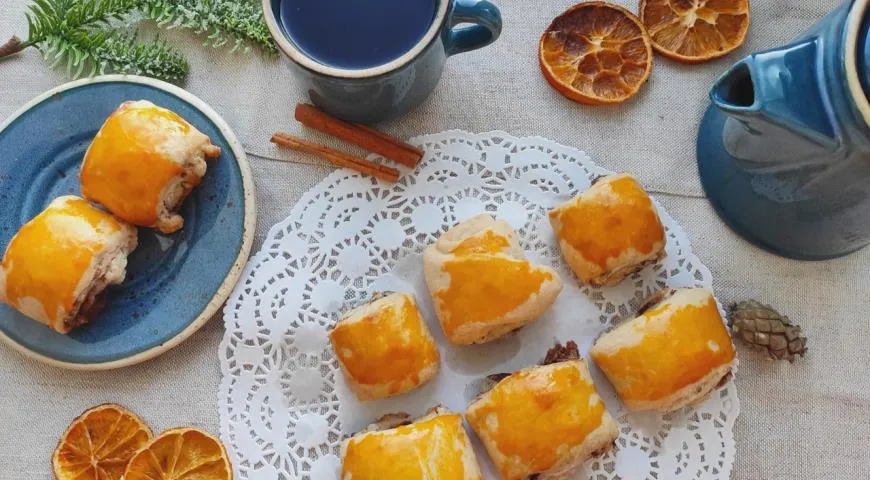
Few desserts capture the soul of Armenian hospitality quite like gata. This delicate, flaky pastry with a sweet filling—known as khoriz—bridges everyday tea gatherings and grand festive tables. Traditionally made with butter, sugar, vanilla, and flour, gata welcomes creative twists. Here, I embrace ground cinnamon to add warmth and depth. The result is a cookie‑like treat that crumbles with every bite, its layers whispering of ancient bread‑baking traditions. Let me guide you through making this beloved Armenian treasure.
About Armenian Gata
Gata (also spelled gatha or kata) is one of Armenia’s most iconic pastries. Its origins stretch back centuries, and every region—even every family—guards its own variation. Some gatas are large, round, and deeply scored; others are rolled like sponge cake and sliced into spirals. The dough relies on matsun (Armenian yogurt) to tenderise it, while the filling remains a simple but luxurious blend of butter, sugar, and flour scented with vanilla and, in this version, cinnamon. The piquant sweetness of the spice gives the pastry an extra layer of complexity.

Ingredients
-
For the dough:
250 g all‑purpose flour, plus extra for dusting
½ tsp salt
½ tsp baking soda
120 g cold unsalted butter -
For the filling (khoriz):
80 g unsalted butter, softened
120 g all‑purpose flour
250 g granulated sugar (or icing sugar)
1 tsp vanilla sugar (or vanilla extract)
1½ tsp ground cinnamon -
For glazing:
1 egg yolk
If you enjoy nut butter in pastries, consider adding chopped walnuts to the filling. The large refrigerator in your kitchen is perfect for chilling the dough before baking.
Step‑by‑Step Instructions
Step 1: Make the Dough
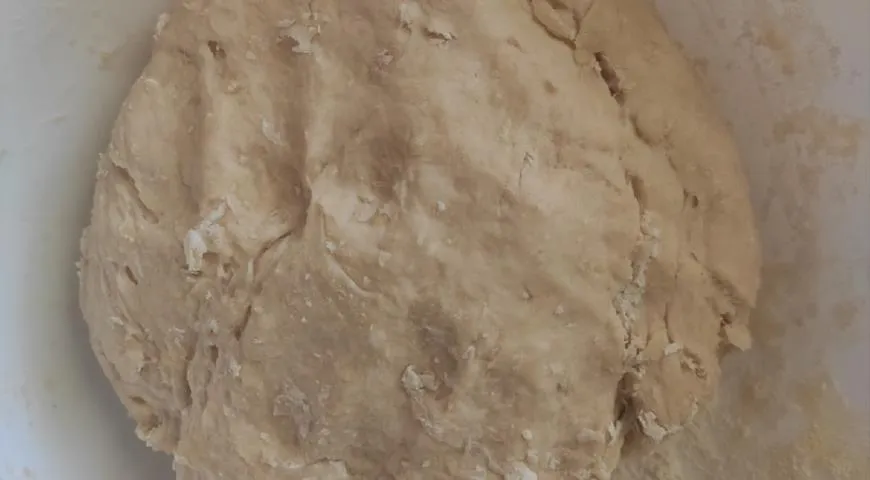
In a large bowl, whisk together the flour, salt, and baking soda. Add the cold butter cut into small cubes (or grate it on a coarse grater). Rub the mixture between your fingers until it resembles coarse breadcrumbs. Make a well in the centre, pour in the matsun, and gently bring the dough together. Add a little extra flour if it sticks to your hands.
Step 2: Rest the Dough
Shape the dough into a ball, wrap it tightly in plastic film, and refrigerate for 30 minutes. This resting period relaxes the gluten, making the pastry easier to roll and giving it a tender crumb. If you plan to make gatas with different fillings, divide the dough into equal portions before chilling.
Step 3: Prepare the Filling and Shape
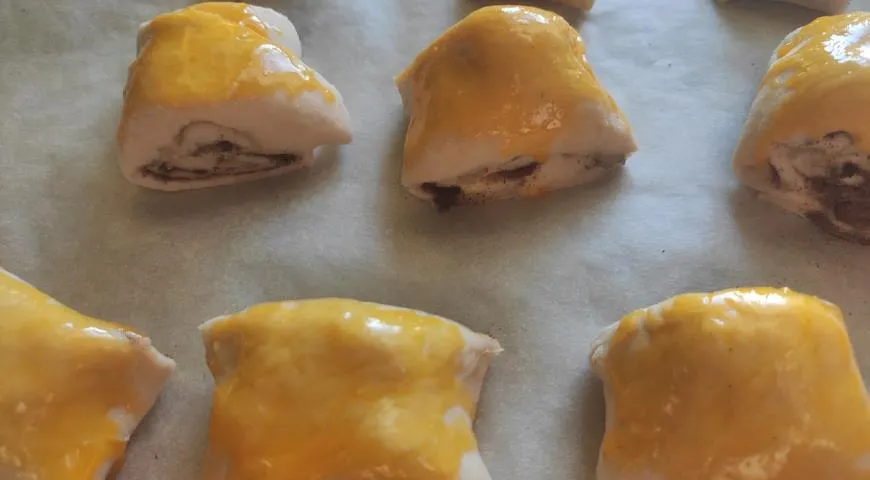
While the dough chills, make the khoriz: mash the softened butter, flour, sugar, vanilla, and cinnamon together until a soft, crumbly paste forms. On a lightly floured surface, roll the dough into a thin rectangle (about 3‑4 mm thick). Spread the filling evenly over the surface, then roll the dough up tightly like a Swiss roll. Cut the log into individual pieces (about 3–4 cm wide).
Step 4: Bake
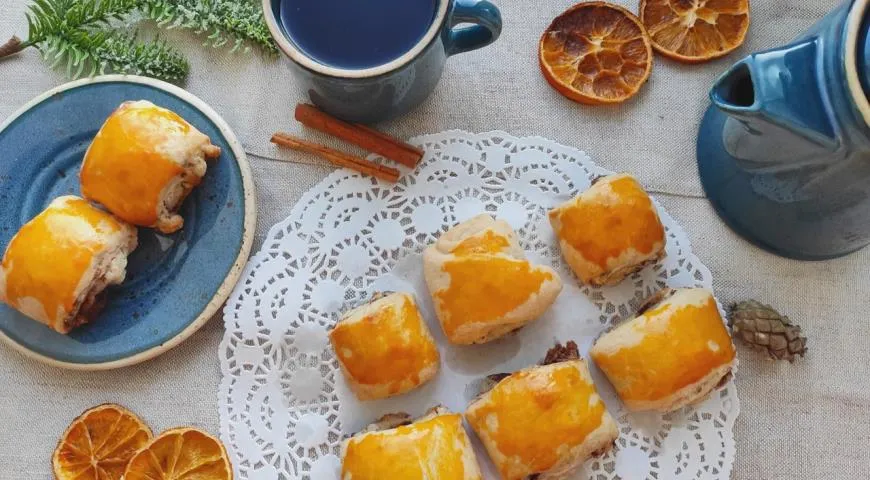
Arrange the pieces on a baking sheet lined with parchment paper, leaving a little space between them. Brush the tops with beaten egg yolk for a glossy, golden crust. Bake in a pre‑heated oven at 180°C (350°F) for about 20 minutes, or until the gatas are deeply browned and fragrant. Let them cool slightly before serving.
Tips for Perfect Gata
- Use cold butter for the dough to ensure flakiness. If your butter softens too quickly, pop it into the freezer for 5 minutes before mixing.
- The consistency of the filling should resemble wet sand. If it feels too dry, add a teaspoon of water or milk; if too sticky, sprinkle in a little extra flour.
- A planetary mixer can handle the dough, but hand‑mixing prevents overworking the gluten.
- For an extra‑crisp bottom, bake on a countertop convection oven setting if available.
- Store gatas in an airtight container at room temperature for up to a week, though they rarely last that long.
Variations to Explore
The classic gata filling is wonderfully adaptable. Replace cinnamon with ground cardamom or nutmeg for a different spice profile. Add a handful of organic raisins or chopped dried apricots for a fruity note. For a chocolate version, reduce the flour to 80 g and add 40 g of cocoa powder. Some Armenian bakers also incorporate a little oil spray for a lighter texture. If you’re short on time, try using a microwave pressure cooker to steam the filling first—but the traditional oven method yields the best crumb.
FAQ
What is matsun, and can I substitute it?
Matsun is a traditional Armenian fermented milk product, similar to plain yogurt or kefir. You can substitute it with an equal amount of full‑fat Greek yogurt or buttermilk. The tanginess helps tenderise the dough and contributes to the pastry’s characteristic softness.
Can I make gata without eggs?
Yes. The egg yolk in the glaze is optional—skip it or brush with milk or melted butter for a lighter sheen. The dough itself calls for no eggs, so this recipe is naturally egg‑free.
Why did my gata turn out hard instead of flaky?
Overworking the dough develops too much gluten, resulting in toughness. Also, the butter must stay cold. If your kitchen is warm, chill the dough for an extra 15 minutes after rolling. Using a non‑toxic immersion blender to combine the ingredients can also be too aggressive—stick to gentle hand mixing.
Can I freeze gata dough or baked gatas?
Absolutely. The unbaked dough log can be wrapped tightly and frozen for up to 3 months. Thaw in the refrigerator overnight, then slice and bake as directed. Baked gatas also freeze well; reheat in a 150°C oven for 5 minutes to restore their crispness.
How do I achieve a perfect spiral design?
Roll the dough as evenly as possible, and slice with a sharp non‑serrated knife. If you have a lavastone knife, it works beautifully. For clean cuts, refrigerate the log for 10 minutes before slicing.
Conclusion
This Armenian gata with ground cinnamon is a heartwarming pastry that brings together simplicity and elegance. Whether you serve it with afternoon tea, coffee, or a glass of sweet wine, its buttery, aromatic layers never fail to impress. The recipe honours tradition while inviting personal touches—try adding wheatgrass juice to the filling? Perhaps stick to cinnamon this time. Enjoy the process and, most importantly, the delicious result.
Undercounter ice maker owners can pair these gatas with a chilled drink, while those with a steam canner might preserve extra khoriz for future batches. Happy baking!







