


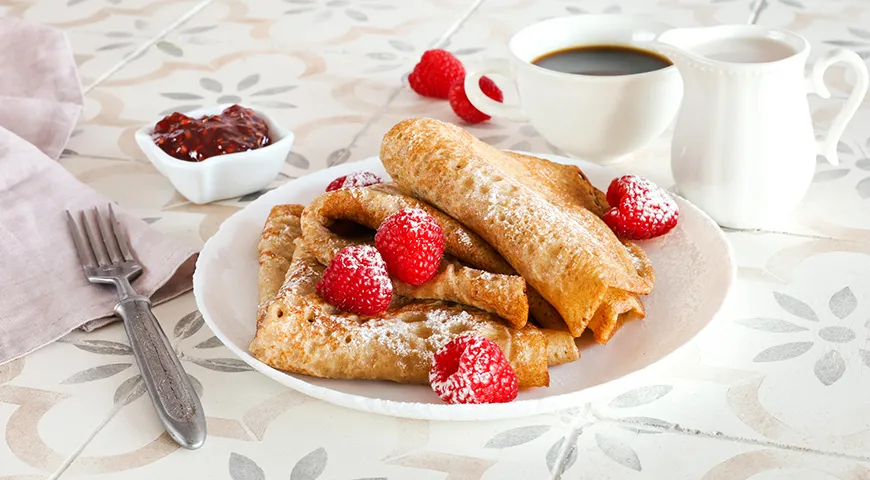
There’s a quiet revolution happening in the breakfast world—one that celebrates whole grains, plant-based milks, and the art of guilt‑free indulgence. Enter the Ultimate Healthy Diet Pancakes, a recipe that redefines comfort food without compromising on flavour or texture. These thin, lacy pancakes (Russian blinchiki) are made with a clever blend of whole‑wheat and chickpea flours, sweetened only with a touch of unrefined cane sugar, and enriched with creamy soy milk. The result is a stack of golden, pliable pancakes that are naturally high in fibre and protein, yet remarkably light. Whether you’re exploring a vegan lifestyle, managing dietary restrictions, or simply seeking a more nourishing morning meal, these pancakes deliver satisfaction with every bite. In this comprehensive guide, you’ll learn the secrets behind the perfect diet‑friendly batter, step‑by‑step cooking techniques, and creative ways to serve them—from sweet honey‑drizzled rolls to savoury tofu wraps.
About These Wholesome Pancakes
Traditional Russian bliny are often made with white flour and plenty of eggs and butter. This version strips away the excess while retaining the soul of the dish. The combination of whole‑wheat flour and chickpea flour (also known as gram or besan) brings a nutty, earthy depth and a dose of soluble fibre and plant protein. Chickpea flour is naturally gluten‑free and rich in iron and folate, making these pancakes a smart choice for anyone looking to boost nutrient density. The use of soy milk and water instead of dairy keeps the recipe vegan and lowers saturated fat, while a small amount of turbinado (cane) sugar adds just enough sweetness to balance the savoury notes. The result is a pancake that’s sturdy enough to hold fillings yet tender enough to fold—perfect for rolling around fresh vegetables, roasted tofu, or a dollop of fruit compote.

Ingredients
- Whole‑wheat flour – 320 g
- Chickpea flour – 160 g
- Salt – a pinch (about 0.5 g)
- Baking powder – 1 tsp (3–4 g)
- Still water – 450 ml
- Soy milk – 500 ml
- Turbinado (cane) sugar – 1 tbsp (17 g)
- Neutral vegetable oil – for greasing
Note: All flours should be sifted using a fine‑mesh sieve to ensure a silky batter. For the best blending experience, consider using a planetary mixer to achieve a lump‑free consistency effortlessly.
Step‑by‑Step Instructions
Step 1: Prepare the dry ingredients
Sift the whole‑wheat flour, chickpea flour, salt, and baking powder into a separate bowl. This removes any clumps and aerates the mixture for a lighter batter.

Step 2: Warm the liquid
Pour the water and soy milk into a small saucepan. Add the turbinado sugar and place over low heat. Stir gently until the liquid reaches about 30 °C (lukewarm). If you have a microwave pressure cooker, you can accelerate this step safely without scorching the milk.

Step 3: Combine and mix
Place the sifted dry ingredients into the bowl of your mixer (or use a large mixing bowl). Pour in the warm milk mixture and blend using a non‑toxic immersion blender or whisk attachment on medium speed until you have a smooth, thin batter. Do not overmix; stop as soon as it’s homogeneous. The batter should be runnier than classic pancake batter—think heavy cream consistency.

Step 4: Heat the pan and cook the first side
Place a non‑stick crêpe pan or skillet over high heat. Once hot, lightly grease it with vegetable oil using a brush or an oil sprayer. Ladle a small amount of batter into the centre, tilting the pan to spread it evenly into a thin circle. Cook for 1–2 minutes until the edges lift and the bottom is golden brown.

Step 5: Flip and finish
Gently slide a thin spatula under the pancake, lift it, and flip it over. Cook for another 30–60 seconds until the second side is speckled with golden spots. Transfer to a plate. For extra moisture, you can lightly brush the cooked pancake with a touch of oil using the sprayer again.

Step 6: Repeat and serve
Continue with the remaining batter, stacking pancakes on top of each other to keep them warm. If you’re not eating them all immediately, place the stack in a bowl, cover tightly with plastic wrap, and store in a 48‑inch built‑in refrigerator for up to three days. To re‑heat, a few minutes in a non‑toxic air fryer will restore their crisp edges.

Pro Tips for Perfect Diet Pancakes
- Temperature matters: The liquid should be warm (around 30 °C) to help the flours hydrate without activating too much gluten. Use a thermometer if you have one.
- Rest the batter: Let the batter sit for 10–15 minutes after mixing. This allows the chickpea flour to absorb liquid fully, yielding softer pancakes.
- Pan selection: A well‑seasoned cast‑iron crêpe pan or a high‑quality non‑stick skillet works best. Avoid overcrowding the pan.
- Portion control: Use a ¼‑cup ladle for uniform pancakes. The batter should spread easily; if it’s too thick, add a tablespoon of water.
- Storage hack: Stack pancakes with pieces of parchment paper between each to prevent sticking. Reheat in a commercial countertop convection oven for a quick, even warm‑up.
Delicious Variations
These pancakes are a blank canvas for both sweet and savoury ideas. For a vegan breakfast wrap, fill them with sautéed mushrooms, spinach, and cubes of crispy pan‑fried tofu. A drizzle of tahini‑lemon sauce ties it together. For a sweet version, roll them around sliced bananas and a drizzle of maple syrup, then dust with cinnamon. If you enjoy experimenting with flours, try substituting 50 g of the whole‑wheat flour with buckwheat or oat flour—both grind beautifully in a food processor designed for nut butters. Feeling adventurous? A splash of organic vodka (like those reviewed in best organic vodka guides) added to the batter can make the pancakes even more tender and crisp. Finally, serve the pancakes alongside a freshly brewed cup from a high‑end espresso machine or a coffee maker ideal for Airbnb to impress your guests.
Frequently Asked Questions
Can I make these pancakes gluten‑free?
Yes, but the texture will change. Replace the whole‑wheat flour with a gluten‑free all‑purpose blend that contains xanthan gum. Chickpea flour is already gluten‑free. You may need to reduce the liquid slightly; start with 400 ml water and add more as needed.
What can I use instead of soy milk?
Any unsweetened plant milk works—oat, almond, or rice milk. Keep in mind that oat milk adds more starch and may make the batter thicker, while almond milk will be lighter. For a richer flavour, try coconut milk (not cream) diluted with water.
Why are my pancakes sticking to the pan?
Ensure your pan is thoroughly preheated over high heat before adding oil. Use a good oil sprayer to create an even, thin layer. If the pan is too cold, the batter will stick. Also, avoid using too much oil—excess can cause the pancakes to slide unevenly.
How long do these pancakes keep?
Store them in an airtight container in the refrigerator for up to three days. For longer storage, freeze the pancakes (with parchment layers) for up to two months. Thaw in the fridge overnight and reheat in a skillet or an air fryer.
Can I double the recipe?
Absolutely. Use a large bowl and a planetary mixer to handle the increased volume. Adjust cooking time accordingly—you might need to keep the cooked pancakes warm in a low oven (80 °C) while you finish the batch.
These Ultimate Healthy Diet Pancakes prove that nourishing food need not sacrifice pleasure. With their nutty flavour, tender crumb, and endless versatility, they’re destined to become a staple in your kitchen. Whether you enjoy them fresh off the griddle or stuffed with vibrant fillings, each bite is a celebration of mindful, delicious eating.







