



There are soups that nourish not just the body but the soul—recipes born from the grit and grace of hardworking communities. Sup Shakhterky (Miner's Soup with Buckwheat) is one such treasure. Originating from the coal-mining regions of Russia and Ukraine, this robust, rustic dish was designed to fuel men heading deep into the earth and restore them after grueling shifts. Yet its appeal transcends the mine shaft: it’s a soulful, wholesome meal packed with rich chicken broth, tender shredded meat, earthy buckwheat, and fresh vegetables—all without a single sauté. In this article, we’ll explore the story behind this legendary soup, break down each step, and share secrets to make it perfect every time. Whether you’re a seasoned home cook or a curious foodie, this recipe promises a bowl of pure comfort.
About Miner’s Soup: A Taste of Heritage
Miner’s soup, or shakhtyorsky sup, is a staple in Eastern European cuisine, particularly in the Donbas region. Traditionally prepared with whatever ingredients were affordable and filling—chicken, potatoes, carrots, onions, and buckwheat—it embodies the resourcefulness of working-class families. The absence of frying keeps the soup light yet satisfying, while buckwheat adds a nutty depth and boosts iron and B-vitamin content. This isn’t just food; it’s a cultural statement about resilience, family, and the power of a shared meal. For more inspiration on how whole grains can transform your cooking, check out our guide on using healthy oils to enhance grain dishes.

Ingredients
The beauty of this soup lies in its simplicity. You likely have most of these ingredients in your pantry. Here’s what you’ll need:
- 2 chicken leg quarters (about 400 g total)
- 3 liters drinking water
- 100 g onion (about 1 medium)
- 150 g carrots (about 2 medium)
- 300 g potatoes (about 3 medium)
- 100 g buckwheat groats
- 20 g fresh parsley
- Salt, to taste
- Freshly ground black pepper, to taste
All quantities are metric. For precise vegetable prep, consider using a high-quality glass food processor to chop onions and carrots evenly.
Step-by-Step Instructions
Step 1: Prepare the Chicken Broth
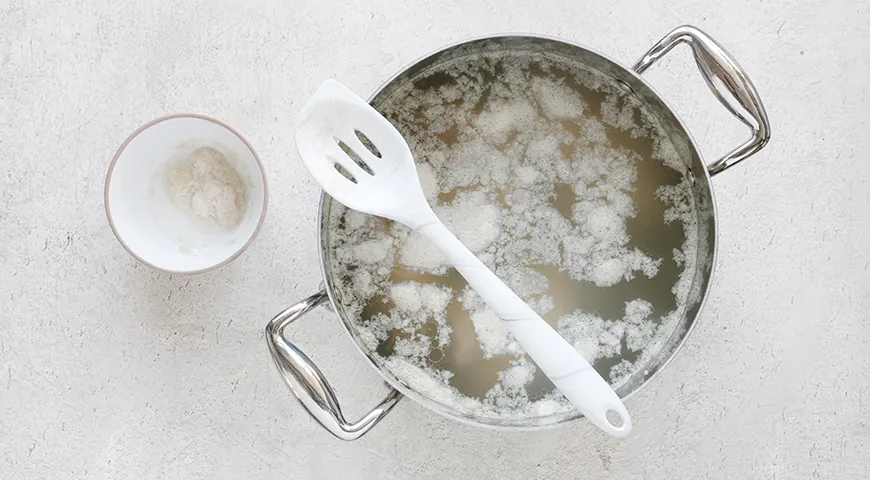
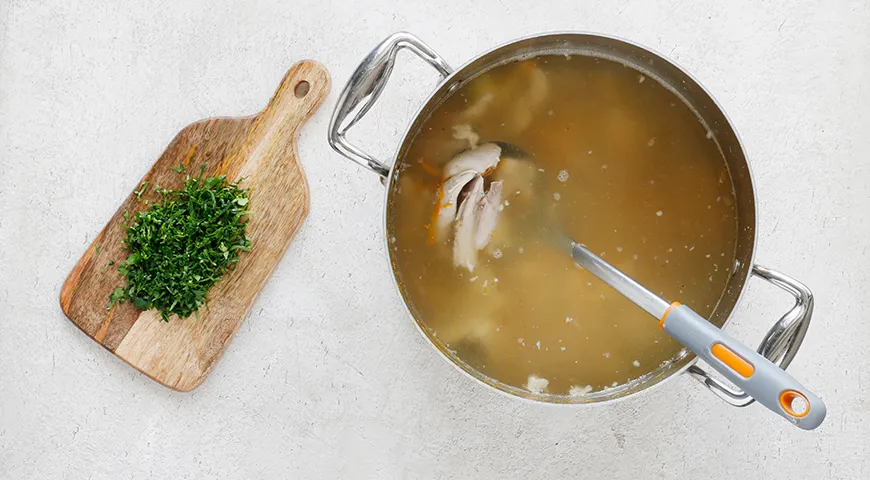
Rinse the chicken leg quarters under cold water and place them in a large pot. Cover with 3 liters of cold water and bring to a boil over high heat. Use a slotted spoon to skim off any foam that rises to the surface. Reduce heat to low, partially cover, and let the broth simmer gently for 1 hour. This slow extraction draws out deep flavor and collagen for a silky, nourishing base.
Step 2: Strain and Shred the Chicken
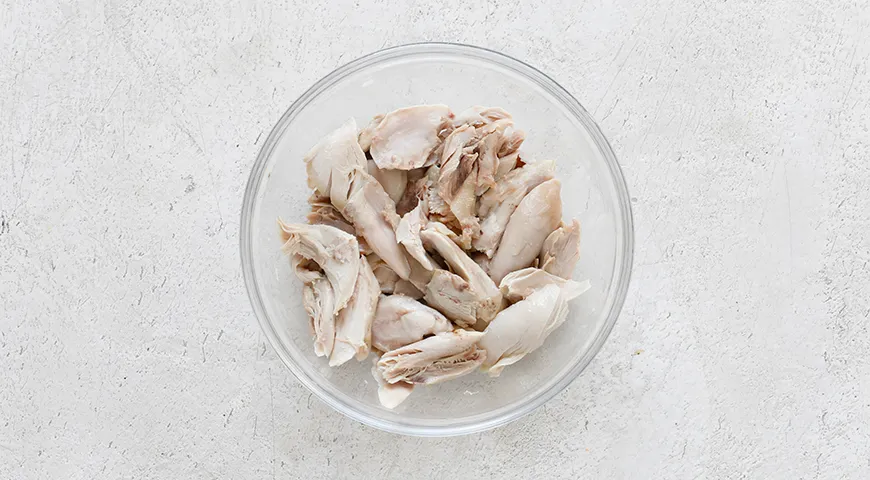
After an hour, remove the chicken from the pot. Strain the broth through a fine-mesh sieve into a clean pot, discarding any solids. Let the chicken cool slightly, then remove the skin and bones. Shred the meat into bite-sized pieces using two forks. Set the shredded chicken aside in a bowl, covered. For an even faster shredding process, an immersion blender can help, but here we prefer manual shredding for texture.
Step 3: Prepare the Vegetables
Peel and finely dice the onion. Peel and grate the carrots on the medium side of a box grater. Peel and cut the potatoes into medium-sized cubes (about 1.5 cm). Keeping the cuts uniform ensures even cooking. If you prefer a smoother texture, try using a food processor with a grating disc for the carrots.

Step 4: Simmer the Vegetables
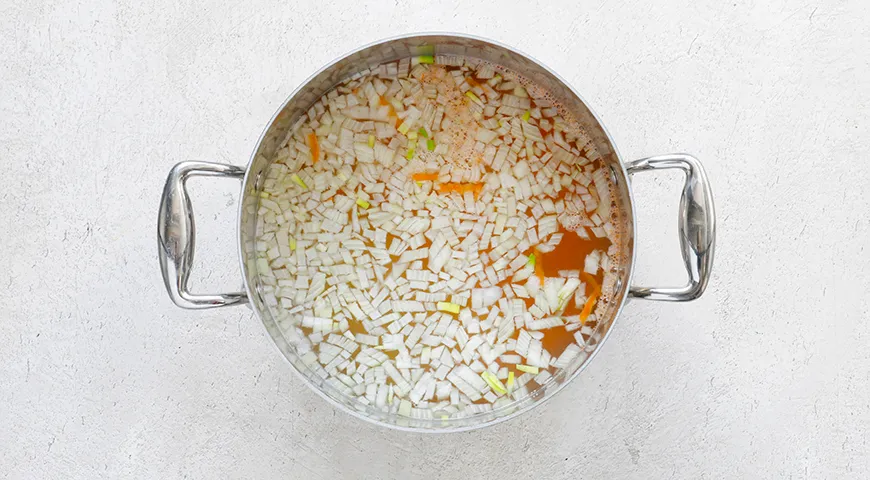
Place the pot with the strained broth over high heat and bring to a boil. Add the potatoes, diced onion, and grated carrots. Return to a boil, then reduce heat to low and let it cook for 10 minutes. The vegetables will soften but remain intact, creating a delicate texture. For maximum nutrient retention, avoid overcooking—this soup is meant to be fresh and vibrant.
Step 5: Add Buckwheat
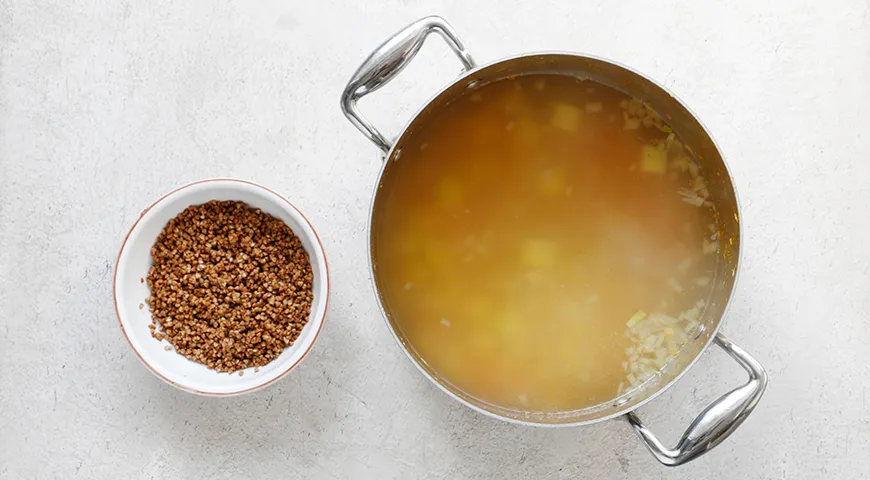
While the vegetables cook, pick over the buckwheat groats to remove any debris, then rinse thoroughly under cold water. After 10 minutes of vegetable simmering, add the rinsed buckwheat to the pot. Season lightly with salt. Continue to cook, uncovered, over low heat for another 10 minutes. Buckwheat will absorb some of the broth and thicken the soup slightly, while releasing its distinct earthy aroma. This grain is a powerhouse of fiber and minerals—learn more about pairing it with other ingredients in our article on quick cooking methods for grains.
Step 6: Finish and Serve
After the buckwheat has cooked for 10 minutes, taste the soup and adjust seasoning with salt and freshly ground black pepper. Add the reserved shredded chicken back into the pot and let it warm through for 2 minutes. Remove from heat, cover, and let the soup rest for 5 minutes—this melds the flavors beautifully. Meanwhile, wash and finely chop the fresh parsley. Ladle the soup into bowls and garnish generously with parsley. For an extra touch of elegance, serve with crusty rye bread. If you enjoy making soups in large batches, consider investing in a refrigerator with ample storage to keep leftovers fresh.
Tips for a Perfect Miner’s Soup
- Use homemade broth: The slow-simmered chicken stock is non-negotiable for depth. For a richer flavor, roast the chicken quarters before boiling—similar to techniques used in coffee roasting for complexity.
- Don’t skip skimming: Removing the foam ensures a clear, clean broth. A fine-mesh sieve works wonders, as does a planetary mixer for other kitchen tasks.
- Buckwheat: Toast the raw groats in a dry pan for 2 minutes before adding to the soup for a nuttier flavor.
- Make ahead: This soup tastes even better the next day as flavors meld. Store in an airtight container in the fridge for up to 3 days.
Variations
This recipe is wonderfully adaptable. For a vegetarian version, replace chicken with mushrooms and use vegetable broth—buckwheat pairs beautifully with earthy fungi like porcini. Try adding a dollop of sour cream or a teaspoon of smoked paprika for a different profile. If you want extra protein, throw in some cooked chickpeas. For a completely different take, see our Catalan sponge cake recipe for a sweet contrast.
FAQ
Can I use a different type of meat?
Absolutely. Beef shanks or turkey legs work well, but adjust cooking time accordingly. For a lighter version, boneless skinless chicken thighs can be used—just reduce initial simmer to 30 minutes.
How do I prevent buckwheat from becoming mushy?
Rinse the groats thoroughly and add them only during the last 10 minutes of cooking. Avoid overcooking; the buckwheat should remain distinct and tender, not mushy. A precise espresso machine isn’t needed here, but timing is key.
Can I freeze this soup?
Yes, but note that potatoes and buckwheat can change texture upon thawing. For best results, freeze the broth and vegetables separately, then add freshly cooked buckwheat and chicken when reheating. Use freezer-safe containers—check our recommendations for ice makers for kitchen efficiency.
What if I don’t have buckwheat?
Substitute with hulled barley, quinoa, or even broken vermicelli noodles for a different texture. Each will alter the soup’s character, but all are delicious.
Is this soup gluten-free?
Yes, buckwheat is naturally gluten-free. However, ensure that your chicken broth and any seasonings are certified gluten-free if you have celiac concerns. For more on gluten-free cooking, explore our organic vodka pairings (celiac-safe when distilled).
How do I make the broth more savory?
Add a bay leaf, a few black peppercorns, and a piece of celery while simmering the chicken. A splash of soy sauce or fish sauce before serving also amps up umami. For analog tools, a steam canner is great for preserving stocks.
Can I use pre-cooked chicken?
Yes, but you’ll miss the depth from the homemade broth. If short on time, use store-bought low-sodium chicken broth and add shredded rotisserie chicken during the last 5 minutes. A non-toxic air fryer can quickly crisp chicken skin for a garnish.
What should I serve with this soup?
Dark rye bread, a dollop of sour cream, and a side of pickled vegetables are classic. For a refreshing drink, try our high-alcohol sweet wine recommendations to complement the earthy broth.
How long does it take to make this soup?
Total time is about 1 hour 20 minutes, mostly hands-off. The broth requires an hour of simmering, then vegetable and buckwheat cooking takes 20 minutes. Perfect for a weekend cooking project.
Can I make this in a slow cooker?
Absolutely. Cook chicken and water on low for 6-8 hours, then strain, shred, and add vegetables and buckwheat for the last 30 minutes on high. For more appliance advice, see our guide on countertop convection ovens.
Sup Shakhterky with Buckwheat is more than a recipe—it’s a journey into the heart of Eastern European home cooking. Each spoonful tells a story of resilience, family, and the simple joy of a well-made meal. Whether you’re enjoying it after a long day or preparing it for loved ones, this soup delivers warmth and nourishment in every bite.







