


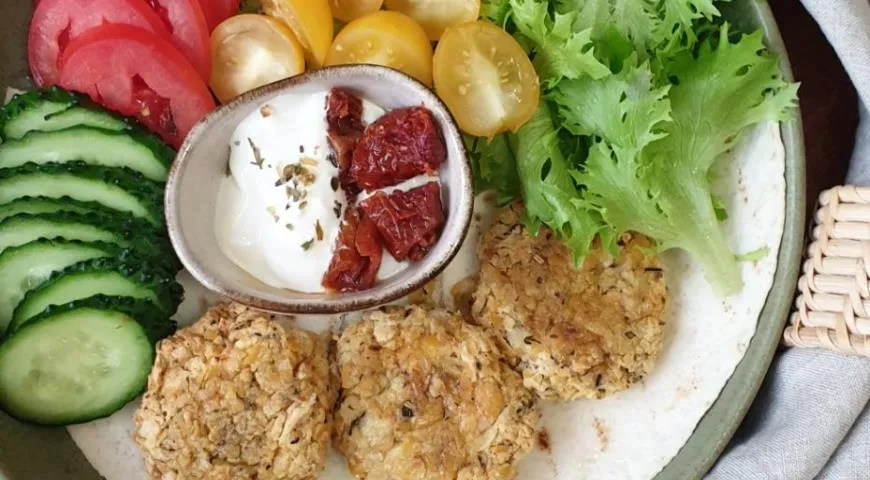
Falafel is one of those rare dishes that effortlessly bridges cultures and cuisines. These golden, crispy chickpea patties are beloved across the Middle East and beyond, often stuffed into warm pita with tahini sauce and fresh vegetables. But making falafel at home can feel intimidating—until now. This simple recipe, adapted from a classic Russian kitchen, proves that perfect falafel is within reach for any home cook. Using either dried or canned chickpeas, a handful of pantry spices, and a trusty food processor, you can create restaurant-quality falafel in under 30 minutes of active cooking time. The secret? A blend of cumin and turmeric for warmth, plus cornmeal for that irresistible crunchy exterior. Let's dive into the art of crafting the ultimate homemade falafel.
About Falafel: A Culinary Treasure
Falafel has ancient roots, believed to have originated in Egypt as a filling, protein-rich alternative to meat during Lent. Today, it is a staple street food from Tel Aviv to London, celebrated for its plant-based goodness and bold flavors. Traditional falafel is made from ground chickpeas or fava beans, mixed with herbs and spices, then deep-fried to perfection. This version stays true to the classic while simplifying the process for home kitchens. By pan-frying instead of deep-frying, we achieve a lighter, equally crisp result. The key is using a high-quality food processor to ensure a smooth, cohesive mixture that holds together during cooking. For the best texture, avoid over-processing—you want a coarse paste, not a puree.

Ingredients
- 200 g dried chickpeas (or 1 can, 400 g, drained and rinsed)
- 1 medium onion, finely diced
- 2 cloves garlic, minced
- 2 tablespoons (30 ml) olive oil, plus more for frying
- 1 teaspoon ground cumin
- ½ teaspoon ground turmeric
- Salt and black pepper to taste
- 3–4 tablespoons cornmeal (plus extra for coating)
- Optional: fresh parsley or cilantro for garnish
Note: If using dried chickpeas, soak them for 12 hours, then boil for 60–90 minutes until tender. Salt only during the last 5 minutes of cooking to prevent toughness. Alternatively, canned chickpeas work beautifully—just drain and rinse well.
Step-by-Step Instructions
- Prepare the base: If using dried chickpeas, soak them overnight, then boil until fork-tender (60–90 minutes). Drain and reserve the cooking liquid (aquafaba) for another use. For canned chickpeas, simply drain and rinse.
- Sauté aromatics: In a skillet, heat 1 tablespoon of olive oil over medium heat. Add the diced onion and minced garlic, cooking until softened and golden, about 5 minutes. Remove from heat.
- Blend the mixture: Transfer the cooked chickpeas (drained), sautéed onion and garlic, cumin, turmeric, salt, and pepper to a food processor. Pulse until you have a coarse, uniform paste. The mixture should hold together when pressed—avoid turning it into hummus. For a truly smooth blend, consider using an immersion blender for easy cleanup.
- Mix in cornmeal: Transfer the falafel paste to a large bowl. Add 3–4 tablespoons of cornmeal and stir until fully incorporated. The cornmeal adds structure and a delicate crunch. Shape the mixture into small patties, using about 1 heaping tablespoon per patty. Roll each patty in extra cornmeal to coat.
- Pan-fry until golden: Heat the remaining olive oil in a nonstick skillet over medium-high heat. Carefully place the patties in the pan—do not overcrowd. Cook for 1.5–2 minutes per side, until deep golden brown and crisp. Transfer to a paper towel-lined plate to drain. For an even healthier option, you can air-fry these patties using a non-toxic air fryer at 190°C (375°F) for 10 minutes, flipping halfway.
Pro tip: The water left from boiling chickpeas (aquafaba) is liquid gold. Freeze it in small portions—30–40 ml (about 2–2.5 tablespoons) replaces one egg in baking or binding. This is especially useful if you're exploring egg-free cooking.
Tips for Perfect Falafel
- Don't skip the soak: Dried chickpeas must be soaked for at least 12 hours. This softens them enough for blending without turning them mushy. If you're short on time, canned chickpeas are a reliable alternative—just be sure to pat them dry to remove excess moisture.
- Season generously: Cumin and turmeric are the stars, but feel free to add a pinch of cayenne for heat or a handful of chopped fresh cilantro for brightness.
- Check consistency: If the mixture feels too wet, add a little more cornmeal. If too dry, a splash of water or olive oil helps bring it together. The ideal texture is like a firm cookie dough.
- Chill before frying: For extra stability, refrigerate the formed patties for 15–20 minutes before cooking. This helps them hold their shape better in the pan.
- Oil temperature matters: If the oil is too cool, patties will absorb excess oil and become greasy. If too hot, they'll burn before the interior cooks. A medium-high flame is perfect.
For those who love kitchen gadgets, using a planetary mixer with a paddle attachment can also work for mixing, though a food processor is the most efficient. And if you're a fan of efficient appliances, a microwave pressure cooker can speed up the chickpea cooking process dramatically.
Variations to Explore
While the classic falafel is hard to beat, there are countless ways to personalize this recipe:
- Herb-infused falafel: Add a handful of fresh parsley, cilantro, or mint to the food processor for a vibrant green interior.
- Baked falafel: Skip the frying altogether. Bake patties on a parchment-lined sheet at 200°C (400°F) for 12–15 minutes, flipping once. Brush with a little olive oil for extra color. For best results, a commercial countertop convection oven ensures even browning.
- Gluten-free option: Cornmeal is naturally gluten-free, but you can substitute with chickpea flour or gluten-free breadcrumbs.
- Spicy kick: Add a minced jalapeño or a teaspoon of harissa paste to the mixture.
- Falafel bowls: Serve the patties over a bed of quinoa or brown rice with roasted vegetables, tahini dressing, and pickled turnips for a complete meal.
If you enjoy experimenting with flavors, you might like pairing falafel with a glass of sweet high-alcohol wine for a surprising contrast, or a crisp organic vodka cocktail on the side.
Frequently Asked Questions
Can I use canned chickpeas instead of dried?
Absolutely. Canned chickpeas are a convenient timesaver. Just drain and rinse them thoroughly, then pat dry to remove excess moisture. The texture may be slightly softer, but the falafel will still hold together well. Ensure you don't skip the cornmeal, as it helps bind the mixture.
How do I store leftover falafel?
Cooked falafel keeps well in an airtight container in the refrigerator for up to 4 days. To reheat, place them in a preheated oven at 180°C (350°F) for 5–7 minutes, or use an oven-microwave combo with air fryer for super crisp results. Avoid microwaving, as it makes them soggy.
Can I freeze falafel?
Yes! Uncooked falafel patties freeze beautifully. Arrange them on a baking sheet lined with parchment paper and freeze until solid, then transfer to a freezer bag. Cook directly from frozen, adding an extra minute per side. Alternatively, freeze cooked falafel and reheat in a toaster oven.
What should I serve with falafel?
Classic accompaniments include warm pita bread, tahini sauce (tahini mixed with lemon juice, garlic, and water), fresh tomato-cucumber salad, pickled turnips, and hot sauce. For a lighter option, tuck them into a lettuce wrap or serve over a bed of greens with a lemony vinaigrette.
Why did my falafel fall apart while frying?
This usually happens if the mixture is too wet or not processed enough. Make sure the chickpeas are well-drained and the onion/garlic are sautéed (raw onion releases too much moisture). Chilling the formed patties for 15 minutes before frying also helps. Using a wheatgrass juicer is not recommended for falafel, but a sturdy food processor definitely is.
For more kitchen insights, check out our reviews on refrigerant leak detectors (useful for checking your fridge's seal) and undercounter ice makers for endless ice to cool your beverages with falafel. And if you're into baking, try our Catalan sponge cake recipe for dessert.
We hope this recipe brings the vibrant flavors of falafel into your home kitchen. Happy cooking!







