


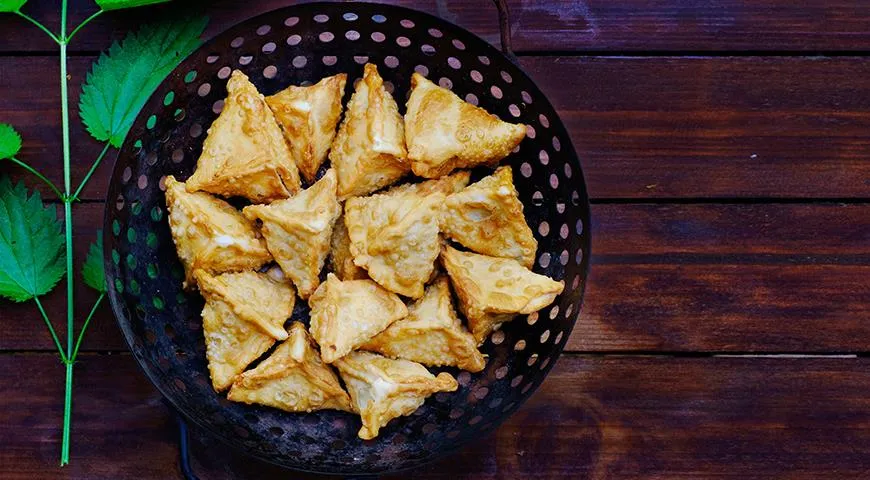
In the vibrant tapestry of Indian street food, few creations are as universally beloved as the samosa—a golden, crisp pastry stuffed with a savoury filling, often potato, peas, and aromatic spices. While the classic version is legendary, this recipe elevates the humble potato samosa by introducing a medley of fresh herbs and a touch of cheese, resulting in a filling that is both earthy and bright. The dough, a simple blend of flour, salt, oil, and water, is rolled thin and fried to a shatteringly crisp finish. Whether served as a teatime snack, a picnic treat, or the star of a festive gathering (especially during Maslenitsa), these homemade samosas are a testament to how simple ingredients can yield extraordinary depth of flavour. For a flawless frying experience, consider using a high-quality oil sprayer to ensure even coating, or rely on a non-toxic air fryer for a lighter version. The technique is forgiving, and the result is a snack that disappears as quickly as it is made.
About This Recipe
Samosa (or samosa) traces its roots to the Middle East and Central Asia, but India has made it its own. Traditionally, the pastry is made from maida (all-purpose flour) and ghee, then filled with spiced potatoes, peas, lentils, or minced meat. This particular recipe, sourced from the Russian culinary magazine Gastronom, adapts the classic with a generous handful of fresh cilantro and mint, plus a crumbling of Adyghe cheese (or any mild white cheese). The result is a filling that is creamy, herbaceous, and just slightly tangy. The dough here uses vegetable oil instead of ghee, making it a vegan-friendly option (if you omit the cheese). The frying temperature is kept at a moderate 155 °C to ensure the pastry cooks through without burning. For those who love the shatter factor, a commercial convection oven can be used to achieve a similar crispness, though deep-frying remains the gold standard.

Ingredients
- For the dough: 300 g all-purpose flour, 1/2 tsp salt, 3 tbsp vegetable oil, about 150 ml cold water
- For the filling: 4 medium potatoes (about 500 g), 1 fresh green chilli, 1 piece fresh ginger (2 cm), 2 cloves garlic, a large bunch of fresh cilantro (coriander) and mint (about 50 g), 1 tsp cumin seeds, 1 tsp coriander powder, 1/2 tsp turmeric, 1/2 tsp garam masala, 50 ml warm water, salt to taste, 100 g Adyghe cheese or feta (crumbled), oil for deep-frying
Step-by-Step Instructions
1. Make the dough. Sift the flour and salt into a large bowl. Drizzle with the oil and rub it in with your fingertips until the mixture resembles coarse crumbs. Gradually add the cold water, a tablespoon at a time, mixing until the dough comes together in a smooth ball. Wrap in plastic wrap and let it rest for 30–60 minutes at room temperature. This resting period relaxes the gluten, making the dough easier to roll thin without shrinking.
2. Prepare the filling. Boil the potatoes in salted water until tender, about 25 minutes. Drain, let cool slightly, then peel and mash coarsely. While the potatoes cook, finely mince the chilli, ginger, and garlic. Roughly chop the fresh herbs—cilantro and mint work best, but you can also include parsley or dill. Heat a tablespoon of oil in a pan and sauté the ginger, garlic, and chilli for 1 minute until fragrant.
3. Cook the spice mixture. In a small bowl, mix the cumin, coriander, turmeric, and garam masala with 50 ml warm water to form a paste. Pour this paste into the pan with the aromatics and cook for 1 minute, stirring, until the liquid reduces. Add the mashed potatoes and chopped herbs, season with salt, and cook for another 2 minutes. Fold in the crumbled cheese and remove from heat. Allow the filling to cool completely—this prevents the dough from becoming soggy during assembly.
4. Shape the samosas. On a lightly floured surface, roll out pieces of dough the size of an egg into thin ovals. Cut each oval in half crosswise. Brush the straight cut edge with a little water. Take one half-oval in your palm, and pinch the straight edge together to form a cone shape. Fill the cone with about a tablespoon of the potato mixture. Moisten the remaining open edges and press them firmly together to seal, forming a triangular packet. Repeat with remaining dough and filling. For perfect sealing, a planetary mixer with a dough hook can streamline the dough-making process, ensuring a consistent texture.
5. Fry to golden perfection. Heat oil for deep-frying in a deep pan or fryer to 155 °C (use a kitchen thermometer for accuracy). Carefully slide in a few samosas at a time—do not overcrowd. Fry for 4–6 minutes, turning occasionally, until they are deep golden brown and crisp. Transfer to crumpled paper towels to drain excess oil. Serve hot, with tamarind chutney or mint yogurt sauce. For a healthier alternative, a non-toxic air fryer can achieve the same crunch at a fraction of the oil. If you notice any imperfections in your dough, a glass food processor can help create a perfectly uniform crumb base.
Tips for Perfect Samosa
- Ensure the dough is not too dry; it should be pliable but not sticky. Resting is crucial.
- Fry at a consistent temperature—too low and the samosas absorb oil; too high and they brown before the filling heats through.
- Add a pinch of ajwain (carom seeds) to the dough for an authentic Indian touch that aids digestion.
- For an extra crisp crust, brush the samosas with a little oil before air-frying. Using a best oil sprayer ensures a fine, even mist.
- If the filling is too wet, the pastry may burst—drain any excess moisture from the potatoes and herbs.
Variations to Explore
The beauty of samosss lies in its adaptability. Swap the potato for mashed sweet potato or pumpkin for a twist. Add a handful of green peas or cooked lentils for extra protein. For a meaty version, incorporate spiced ground lamb or chicken. Those who prefer baked samosas can brush them with oil and bake at 200 °C for 15–20 minutes, flipping halfway. For a spicy kick, include minced jalapeño or a dash of cayenne. Pair with a sweet high-alcohol wine for an unexpected but delightful contrast, or a chilled lassi for balance.
Frequently Asked Questions
Can I make the samosa dough ahead of time?
Absolutely. The dough can be prepared up to a day in advance and stored, tightly wrapped, in the refrigerator. Let it come to room temperature before rolling, as cold dough is stiff and hard to work with.
Why did my samosas burst open during frying?
This usually happens if the dough is rolled too thin, the filling is too moist, or the edges are not sealed properly. Make sure the filling is completely cool and dry, and press the seams firmly. A drop of water on the edges helps create a strong seal.
Can I freeze samosas for later?
Yes. Arrange the shaped, unfried samosas on a tray and freeze until solid. Transfer to a freezer bag. Fry directly from frozen, adding a minute or two to the cooking time. Alternatively, freeze after frying and reheat in an oven or air fryer. A steam canner is not recommended for samosas, but an airtight container works fine.
What is the best oil for deep-frying samosas?
Use a neutral oil with a high smoke point, such as canola, sunflower, or peanut oil. Coconut oil also works and adds a subtle flavour. For those concerned about health, an air fryer with a good quality spray oil yields excellent results with far less fat.
Can I use a different cheese instead of Adyghe?
Certainly. Feta, paneer, or even a mild mozzarella can substitute. Adyghe cheese is a mild, slightly salty white cheese common in Russian cuisine; feta is saltier, so adjust salt accordingly. For a vegan version, use crumbled tofu tossed with nutritional yeast.
How do I achieve that signature samosa crunch?
The key is the dough—use a higher ratio of oil to water, and roll it as thin as possible without tearing. The frying temperature must be moderate (155 °C) to allow the pastry to crisp up without burning. A refrigerant leak detector is not relevant here, but a good candy thermometer for oil temperature is essential.
For more Indian-inspired baking, check out our Catalan sponge cake recipe, or explore other global snacks like chocolate-covered raisins for a sweet finish. For those looking to invest in kitchen tools, a 48-inch built-in refrigerator helps keep ingredients fresh, and a coffee maker for Airbnb ensures your guests enjoy a perfect brew alongside their samosas.







